
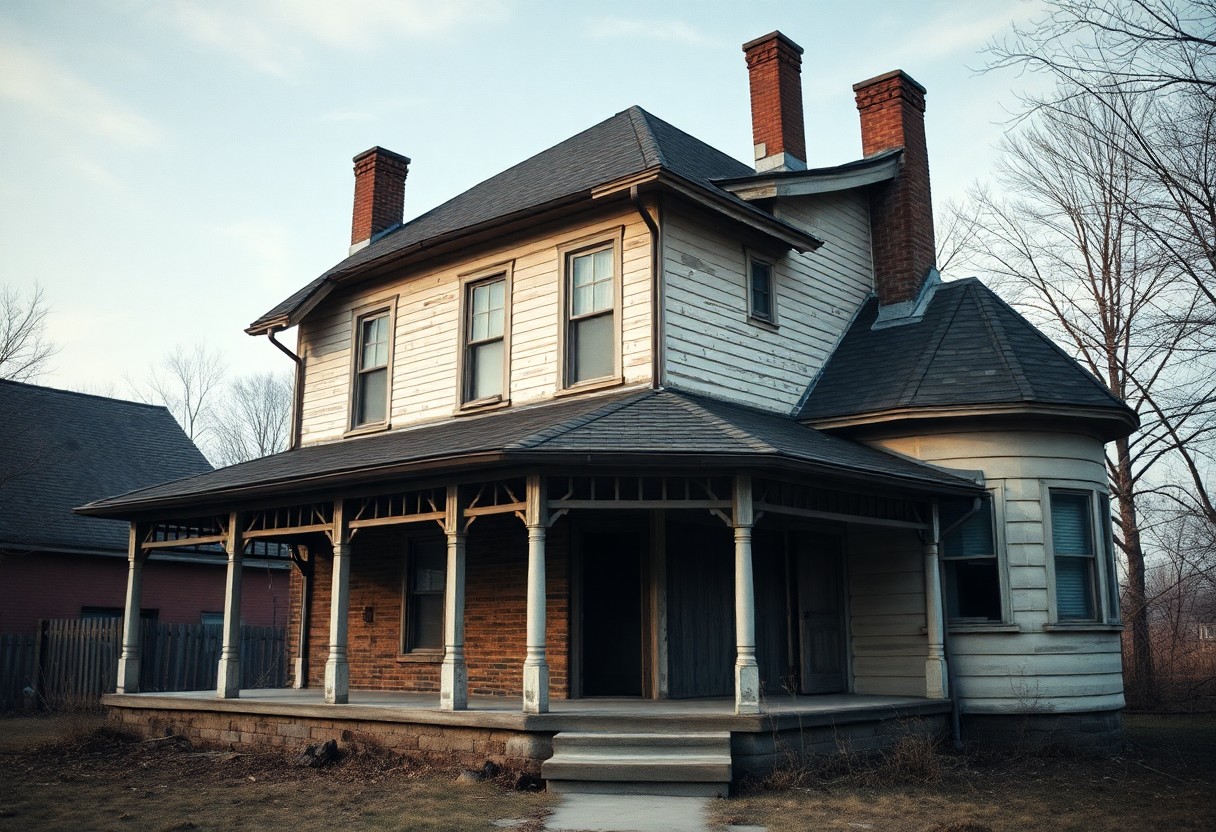
With visible foundation cracks, sagging or uneven floors and doors that stick, you should consider whether your property needs structural intervention; if you notice persistent damp and mould, bulging walls or expanding gaps, those are danger signals that affect safety and value, so act early to protect your family and preserve your investment.
Cracks in walls
When you spot cracks in your walls, they can range from minor shrinkage to serious structural movement; monitor width and progression, photograph changes and consult a specialist if cracks widen or appear near doors, windows or the foundation, as those locations often indicate structural concern.
Horizontal cracks
Horizontal cracks running across a wall or within masonry often signal lateral pressure or foundation failure; if you find a horizontal line, treat it as potentially dangerous and contact a structural engineer promptly, since these faults can compromise load-bearing elements and overall stability.
Vertical cracks
Vertical cracks commonly come from settlement or material shrinkage and are frequently cosmetic, but you should note if they widen, run through several brick courses or appear near openings-such changes can point to deeper problems so monitor and record any progression.
Measure vertical cracks over time and mark their ends; if a crack grows, becomes wider than a few millimetres, or forms a stepped pattern in brickwork, arrange a professional inspection-some vertical cracks are harmless, but rapid growth, widening or stair-step formations indicate you must act to protect your property’s integrity.
Uneven floors
Uneven or sloping floors beneath your feet often signal underlying structural movement or settlement, creating trip hazards and misaligned doors. If you notice changes, you should arrange a professional structural inspection; timely diagnosis and targeted repairs can stabilise your home.
Sagging areas
Sagging areas – where a section of floor visibly dips – indicate weakened joists, rotten beams or foundation movement. If your floor dips under load or doorways rub, you face a significant safety risk; have a structural engineer assess and specify repairs to prevent further damage.
Bouncy sections
Bouncy sections feel springy when you walk and often mean deflection from undersized or damaged joists, failing fixings or poor support. Although not always immediately catastrophic, such movement is a safety concern and will worsen without proper intervention; arrange a qualified inspection.
More info: bouncy areas can result from moisture-induced rot, insect attack, long unsupported joist spans or alterations that removed supporting walls. You should inspect for ceiling cracks, moving skirting or increased squeaking; these signs often precede bigger failures. A structural engineer can recommend measures such as sistering joists, adding support beams or improving drainage; these fixes reduce collapse risk and restore floor performance and value.
Water damage
Water ingress can undermine foundations, joists and plaster, leaving your home with serious structural deterioration and rising repair bills. If you spot persistent damp, warped floorboards or a musty smell, you must act quickly: locate and stop leaks, dry affected areas and arrange a professional structural survey to assess hidden damage and necessary repairs.
Stains on ceilings
Brown or yellow stains often signal roof or plumbing leaks; if staining is accompanied by peeling paint, bubbling plaster or sagging ceilings you face hidden water damage. Trace the source, contain the area to prevent collapse, and schedule repair-ignoring stains lets moisture cause rot and escalate into costly structural work.
Mold growth
Mould spores thrive in damp conditions; when you find discoloured patches, a musty odour or allergy symptoms, you may have black mould or other hazardous growth that can harm your health and spread rapidly. Improve ventilation, cut off moisture sources and consult a specialist for assessment and safe removal to protect your home and occupants.
For severe infestations you should get professional removal and testing; DIY cleaning may disturb spores and worsen spread. Replace water-damaged insulation, plasterboard or timber where integrity is compromised, use dehumidifiers to dry structures and keep a log of repairs and humidity levels to prevent recurrence and prove the work if you later sell the property.
Doors and windows stick
If your doors and windows stick, it’s often a sign your house is shifting; when you notice binding or scraping you should investigate, as this frequently indicates structural movement or timber swelling from moisture. Ignoring the problem can increase repair costs and reduce energy efficiency, so address persistent sticking rather than relying on temporary fixes.
Misaligned frames
When frames are misaligned your doors and windows may not close or lock properly; check for uneven gaps, draughts or cracking plaster beside openings, which can indicate settlement, rot or movement. These signs may only need re-squaring or adjustment, but if you spot visible cracks or widening gaps a more thorough structural assessment is advisable.
Difficulty opening
If you struggle to open or close an aperture the cause could be warped timber, swollen seals, failed hinges or foundation movement; forcing an opening increases the chance of further damage and the risk of injury. Addressing sources such as water ingress or rot will reduce hazards and restore proper function.
To diagnose difficulty opening, inspect thresholds, hinge fixings, sash cords and surrounding plaster for damp stains; note if the problem worsens after rain or with seasonal humidity. Minor binding may need planing or rehanging, but persistent binding combined with damp, widespread cracking or subsidence signs suggests subsidence and you should commission a professional survey.
Foundation issues
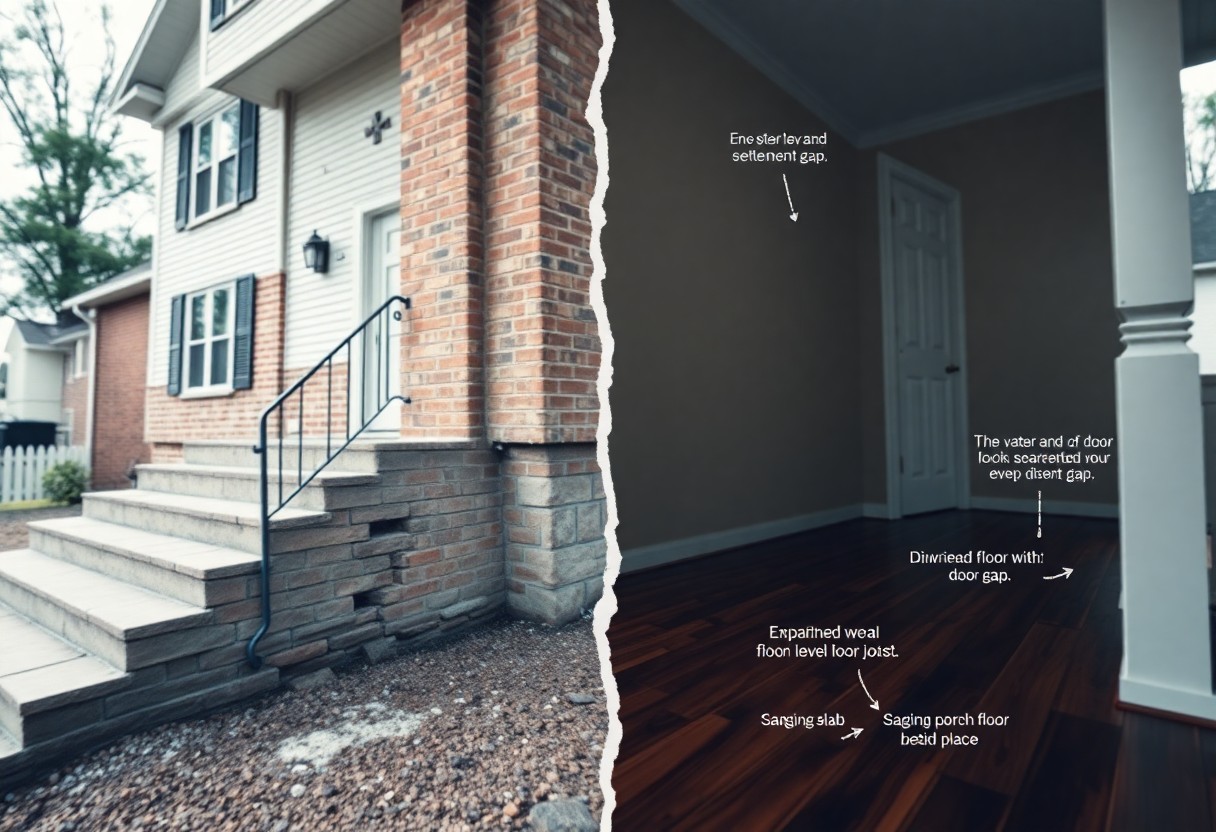
If your home shows persistent cracks, sloping floors or gaps around doors and windows, your foundation may be failing. You should treat these signs as serious indicators that structural renovation is needed to prevent escalating damage. Early assessment by a structural engineer can protect your property and safety.
Cracked foundation
If you spot horizontal or stair-step cracks in masonry, you must not ignore them. Hairline shrinkage cracks are common, but wide, growing or leaking cracks signal structural stress and water ingress that can undermine your home. A professional inspection will show if underpinning or repairs can stabilise the foundation and prevent further damage.
Settling or shifting
When parts of your house sink or move relative to others, you may see uneven floors, misaligned doors or gaps between walls and ceilings. Minor, uniform settling is common, but progressive or uneven movement indicates deeper problems that can compromise load-bearing elements. Prompt evaluation by a structural professional helps determine whether stabilisation or full renovation is required.
Causes of settling include poor soil compaction, changes in moisture, plumbing leaks or nearby tree roots, and these factors affect how you should act. If you observe increasing cracks, sloping floors or doors that no longer close, treat them as escalating warning signs. A geotechnical and structural survey will identify whether you need soil stabilisation, underpinning or drainage improvements to secure your home long-term.
Roof leaks
You may spot brown stains on ceilings or warped boards where water has breached the covering; if you ignore these signs, you risk structural rot, ruined insulation and potential electrical hazards. You should have your roof inspected promptly so a qualified tradesperson can assess leak points and carry out repairs or replacements to protect your home and prevent further collapse or costly deterioration.
Damp spots
Damp spots on walls or ceilings often appear as pale or dark patches, peeling paint or plaster and a musty smell; they indicate ongoing moisture and can foster mould which harms health and finishes. You should track whether spots spread after rain and engage a specialist to locate the source, because untreated damp leads to timber decay and rising repair bills.
Water intrusion
Water intrusion means moisture is entering the building envelope through failed roofing, flashing, valleys or blocked gutters, affecting lofts, joists and services. You must act quickly to stop entry and assess affected structural elements; unchecked intrusion causes timber weakening, insulation loss and hidden electrical risks, so arrange a professional inspection and repair without delay.
To address water intrusion, inspect the attic for wet insulation, stains and rot, use a moisture meter if available, and apply temporary measures such as tarpaulins or buckets to limit damage. Clear gutters and downpipes, replace damaged flashing or slates, and get a qualified roofer to perform permanent repairs; also document damage for your insurer and keep records of professional assessments.
Pest infestations
If pests are active in your home, you may notice droppings, chewed materials or sagging timbers; these signs often indicate structural weakening that will worsen if left unaddressed. You should inspect roof spaces and cavities and contact professionals if activity persists, as professional treatment and timely repairs restore integrity and limit long-term costs.
Termite damage
Termites can hollow joists and beams while leaving surfaces looking intact, so you might detect hollow sounds when tapped, mud tubes or piles of frass. Because termites cause rapid spread and severe structural weakening, you should arrange a licensed inspection and treatment promptly to protect load-bearing elements.
Rodent entry
Gnaw marks on skirting boards, small holes near foundations and droppings show rodents have entered your home; they nest in insulation and can chew electrical wiring, creating a fire risk and spreading disease. You should seal obvious gaps, remove food sources and seek humane removal and repairs from pest professionals.
Common entry points include gaps around pipes, damaged vents and uncapped chimneys, so you should check eaves, rooflines and cellar vents. Use metal mesh or concrete to seal holes, replace soiled insulation and schedule follow-up inspections, since breeding is fast and swift action prevents recurrence.
Bowing walls
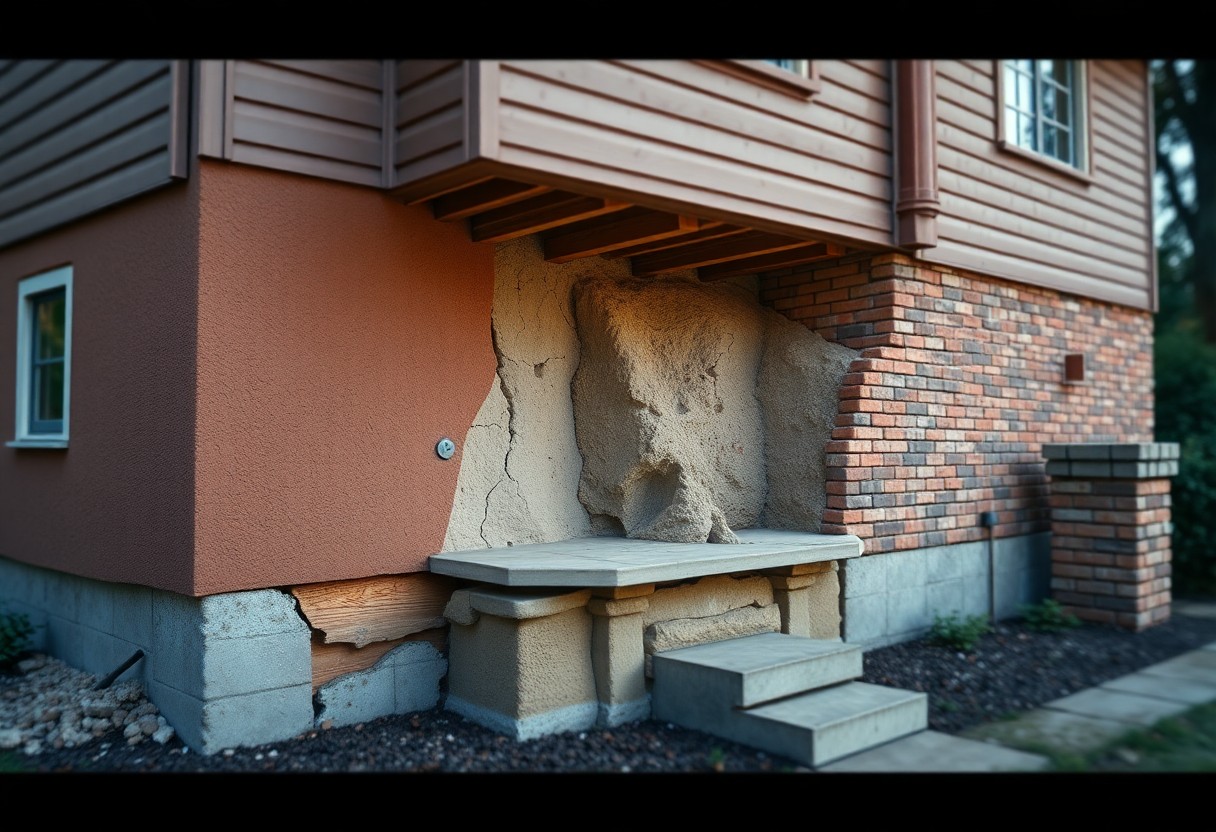
If your external or internal walls bow inward or outward you may have a failing foundation or lateral pressure from soil and water. Such movement is often dangerous because it compromises load-bearing capacity and can lead to collapse; you should arrange an inspection by a structural engineer promptly. Early intervention often allows less invasive repairs such as wall anchors or underpinning.
Bulging surfaces
Bulging masonry, plaster or wallpaperable surfaces signals outward pressure from soil moisture, frost or failing wall ties. You will notice uneven shadows or displaced mortar; these are warning signs that the wall is under stress. If detected early you can pursue targeted repairs like replacing wall ties or improving drainage to prevent progression to more severe structural failure.
Structural strain
Structural strain shows as spreading cracks, sagging floor joists, or doors and windows that jam; these indicate loads are not being carried correctly. Large diagonal cracks or movement of load-bearing elements are particularly dangerous. You must get a qualified assessment to identify whether remedial works such as beam reinforcement, underpinning or load redistribution are required to secure your home.
You should monitor crack width and new movement, photographing changes and noting timelines for an engineer. Temporary measures like propping or reducing loads can be applied, but they are not permanent fixes. A prompt survey identifies whether issues stem from settlement, rot or drainage, allowing you to choose permanent remedies. Severe movement demands immediate stabilisation to protect occupants and prevent further damage.
Basement flooding
Basement flooding indicates your home’s below-ground envelope is failing; repeated water ingress or staining suggests compromised drainage, cracks or inadequate waterproofing. You should act swiftly because standing water encourages mould growth, corrodes services and can undermine foundations, posing a structural hazard. Commission a structural inspection to locate sources, repair cracks and upgrade drainage before damage spreads.
Frequent water entry
Frequent water entry after storms or plumbing faults means your basement’s protective systems are failing. You need to identify whether water comes through wall cracks, floor joints or drains; repeated events often reveal foundation breaches that will widen with time. Professional drainage repair, crack sealing and sump installation can stop recurring damage and protect your home’s stability.
High humidity
High humidity in your basement, even without visible water, accelerates mould proliferation, timber decay and metal corrosion. If you notice persistent condensation, a musty smell or peeling paint, the internal environment is harming finishes and structural elements. Use a hygrometer, improve ventilation and consider mechanical dehumidification while assessing waterproofing defects to lower long-term risk.
High humidity often stems from poor drainage, blocked vents or rising damp; you should check external gutters, sump pumps and ground levels. Persistent elevated relative humidity above about 60% encourages extensive decay and health risks; aim to reduce levels with extraction fans, dehumidifiers and improved external drainage. Professional investigation can uncover hidden leaks and guide permanent waterproofing solutions that restore a dry, stable environment.
Crumbling masonry
When masonry begins to crumble you may notice mortar loss, spalling and hairline cracks that let water in; if you see visible gaps or falling fragments, your structural integrity is at risk and you should act promptly to prevent further decay and rising repair costs.
Loose bricks
If bricks are loose or wobble when tapped, they can detach and cause collapse or permit moisture into cavity walls; you should have affected courses re-bedded or replaced by a qualified mason to restore stability and weatherproofing.
Mortar deterioration
Mortar that has eroded or crumbled away leaves joints voided, reducing load transfer and allowing damp; if you see soft, powdery or missing mortar, you need repointing to maintain your wall’s strength and stop further decay.
Assess mortar by testing joints-if you can scrape it out with a screwdriver or it feels like soft powder, you face accelerated masonry failure and rising moisture; professional repointing with a compatible mix will restore strength and weather resistance, prolonging your walls’ life.
To wrap up
Following this you should act promptly if several signs indicate structural issues: arrange a structural engineer’s inspection, prioritise safety and urgent repairs, secure any necessary planning permission and building regulations approval, budget for remedial work, and choose contractors with proven experience so your home’s integrity, value and habitability are restored effectively.
FAQ
Q: What are the most common visible signs that my house may need structural renovation?
A: Common visible signs include wide or widening cracks in external brickwork (especially stair-step cracks), long diagonal cracks above doors and windows, gaps between skirting boards and floors or between walls and ceilings, doors and windows that suddenly stick or fail to close, noticeably sloping or bouncy floors, bulging or bowing walls, and repeated subsidence in patches of the garden or near foundations. These signs, especially when several appear together or worsen over weeks to months, indicate a need for professional inspection.
Q: How can I tell whether wall or ceiling cracks are superficial or a structural problem?
A: Superficial hairline shrinkage cracks are usually narrow and stable; structural cracks tend to be wider (over about 3mm), run diagonally through mortar joints or across several courses of brick, form stair-step patterns, or appear at junctions of extensions and original walls. Rapidly growing cracks, those that coincide with doors jamming or floors sloping, or cracks that expose corroded metal or broken masonry are more serious. Monitor with simple markers or a crack gauge and arrange a structural engineer’s survey if cracks widen or other symptoms develop.
Q: Can damp, mould or timber decay indicate the need for structural renovation?
A: Yes. Persistent rising damp, widespread black mould, large water stains, rotten skirting boards, soft or sagging timber joists, or visible decay in roof timbers can signal long-term water ingress or failing structural elements. Causes might include failed flashings, blocked gutters, poor roof coverings, compromised damp-proof course, or deteriorated cavity ties-any of which can undermine structural integrity. A combined damp and structural survey will identify underlying causes and necessary remedial works such as damp-proofing, timber replacement or underpinning.
Q: Are roof and chimney defects likely to require structural renovation rather than just repairs?
A: Certain roof and chimney problems do indicate structural intervention. Signs include a leaning or heavily cracked chimney stack, a sagging ridge line, spread or bowing of rafters and trusses, or significant movement in roof eaves and gables. These can reflect failed fixings, rot to principal timbers or inadequate support and may require re‑propping, re‑trussing, or partial rebuilding. A roofing specialist and structural engineer should assess whether repair or a more comprehensive structural renovation is required.
Q: What immediate steps should I take if I suspect serious structural issues?
A: If there is risk to safety-large new cracks, sudden sagging, or visible collapse-vacate the affected area and seek emergency professional help. Otherwise, document the defects with photographs, note dates of observed changes, and limit use of affected spaces. Contact a chartered structural engineer for a prompt inspection and obtain written recommendations. Inform your insurer, arrange temporary propping if advised, and get detailed quotes from reputable contractors for the remedial work outlined in the engineer’s report before commencing renovation.