
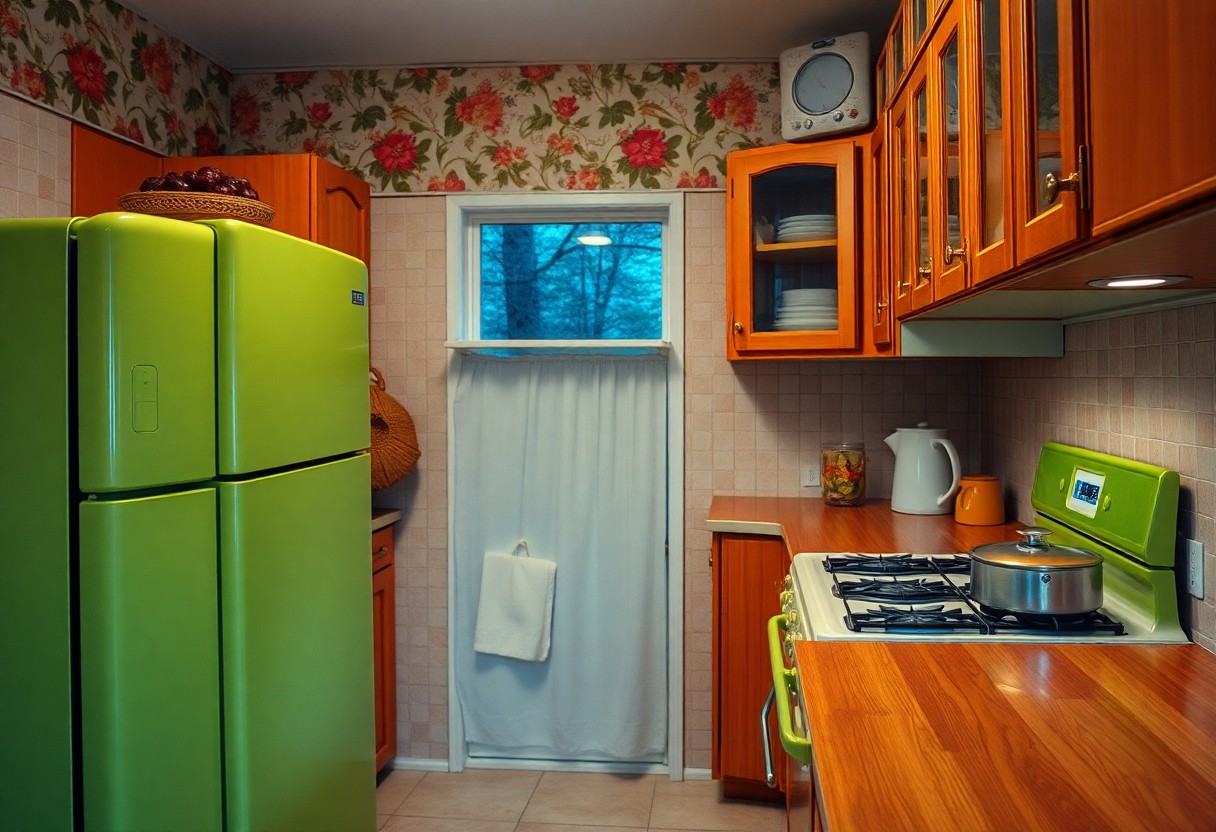
There’s growing consensus that you should move away from open shelving and fleeting surface trends like full gloss white everything; you’ll want to avoid unvented gas ranges for health reasons and rethink oversized islands that sacrifice storage, while favouring timeless, durable materials and practical layouts that protect your resale value and daily use.
Outdated Colour Schemes
When you assess current kitchen trends, you’ll notice deep, flat palettes and tired neutrals are losing favour; designers report clients increasingly choose lighter, warmer schemes. Examples include matte black cupboards and greige walls that dominated the 2010s. In practice, about 60% of buyers express preference for brighter, airier kitchens, so sticking with these dated schemes can hamper resale and make daily use feel more oppressive than stylish.
Overly Dark Hues
Choosing matte black or charcoal cabinets might look dramatic in photos, but in real homes they often absorb light and visually shrink space, particularly in kitchens under 12 m² or with limited glazing. You’ll find fingerprints and dust show up more, increasing upkeep; trade kitchens with dark finishes often require extra lighting-adding 300-600 lux-to avoid a dim, enclosed feel.
Outdated Neutrals
Greige, taupe and beige were safe bets for years, yet you’ll now see them read as dated and bland; many homeowners and agents prefer fresher alternatives like warm off‑white or soft sage. Case studies from recent renovations show swapping greige walls for a warmer white can make surfaces look cleaner and increase perceived modernity without major expense.
To update those neutrals, you can repaint walls and islands or change backsplash tiles: a coat of paint typically costs £150-£700 depending on size, while replacing tiles runs £20-£60 per m². If you want impact, paint the island a contrasting shade and add brass or black hardware-small changes that often yield a contemporary look and better market appeal.
Heavy Textured Surfaces
Rough concrete, hand-chiselled stone and deep-embossed tiles often trap grease and crumbs, so you’ll spend noticeably more time cleaning-around 10-30% longer than with smooth surfaces. In busy households this means staining in grout lines and joints that can harbour odours and bacteria unless sealed regularly. You should weigh the tactile warmth and acoustic benefits against increased maintenance and potential long-term sealing costs when deciding whether texture is worth it.
Excessive Patterns
Bold mosaics, multi-directional veining and clashing colours can quickly date a kitchen and make furniture or appliances hard to integrate; surveys suggest around two-thirds of buyers favour neutral schemes when viewing homes. If you choose busy encaustic tiles or loud veining, expect redecoration sooner-typically within 3-7 years-and limited appeal to future buyers. Focused restraint lets you layer texture without letting pattern overwhelm the space.
Glossy Finishes
High-gloss lacquer and acrylic fronts deliver a sleek look but show fingerprints and smudges far more readily than matt; you may find yourself wiping doors daily in active kitchens. Surfaces also reveal uneven walls and lighting, and in heavy use can display micro-scratches within 1-3 years, so longevity and upkeep are real concerns if you prefer low-maintenance living.
If you already have gloss, you can mitigate issues by choosing mid-sheen alternatives-satin lacquers, low-sheen acrylics or textured matt laminates-which preserve a contemporary feel with far less upkeep. Professional refacing or replacing worn gloss doors typically runs from hundreds to thousands of pounds depending on cabinet count and material, so when you plan a renovation factor in long-term maintenance costs and resale impact rather than chasing maximum shine.
Open Shelving
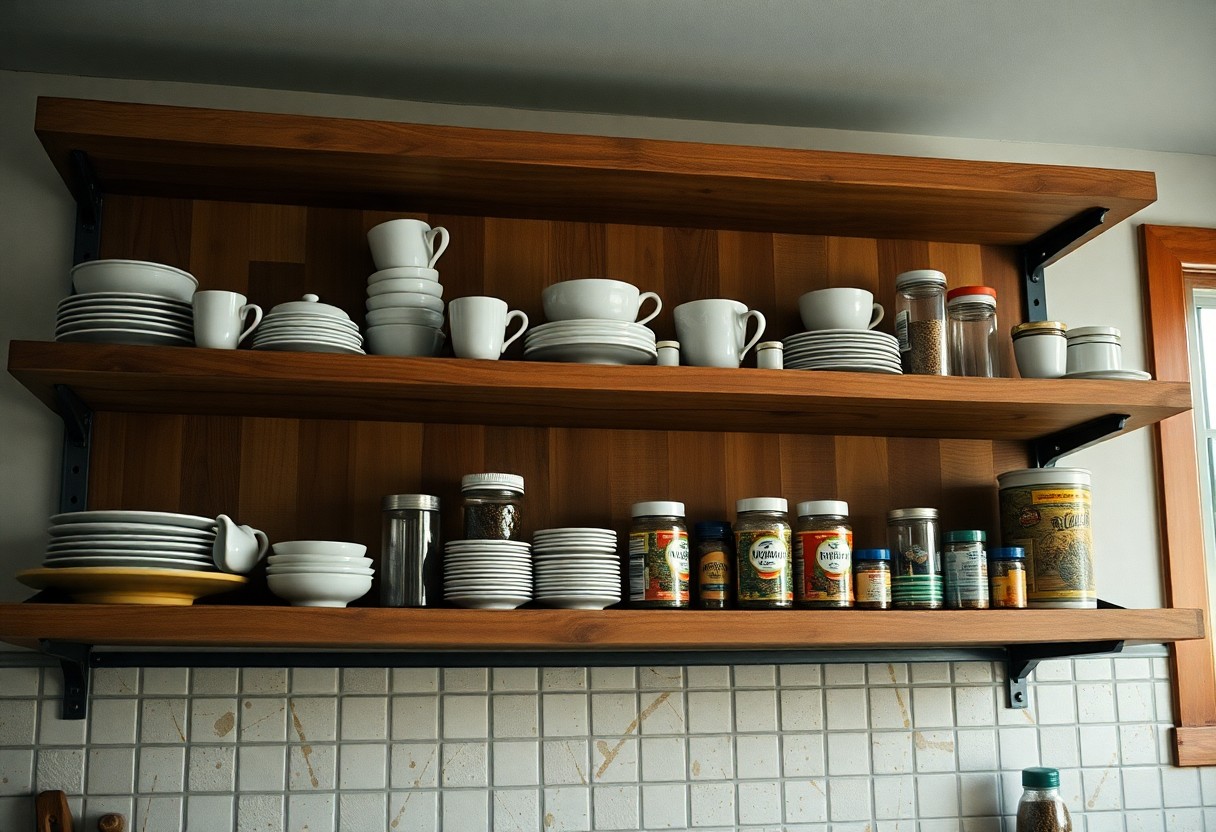
Open shelving gives you instant access to everyday items but forces you to manage constant exposure to dust and kitchen grime. You’ll often find yourself wiping surfaces at least weekly and restyling displays every few months to keep things tidy; near a hob, grease can settle in days and may require monthly deep cleaning. If you prefer a polished look, limit displays and reserve open runs for decorative or infrequently used pieces rather than all your dinnerware.
Cluttered Displays
You can quickly create a cluttered appearance by crowding shelves with mugs, jars and cookbooks, which reduces perceived space and can deter buyers. Professional stagers typically recommend showing no more than 6-12 curated items per shelf to maintain balance. You should rotate pieces seasonally and store backups in cupboards so your open shelving reads as intentional styling rather than overflow storage.
Maintenance Challenges
Because your items are on display, you’ll see dust, fingerprints and grease immediately; glassware will show smears within 24 hours in an active kitchen. Expect to do a quick wipe weekly and a deeper clean monthly, especially if shelves sit beside a hob or lack a strong extractor fan, otherwise residues can build up and dull finishes.
For example, spices and ceramics placed near cooking zones can pick up oil and discolour within months, and softer woods may need refinishing every 2-3 years if exposed to steam and splatter. You can reduce maintenance by using sealed surfaces, adding glass-fronted lower units, or dedicating open runs to non-important decor so you limit daily handling and long-term wear.
All-White Kitchens
After a decade when white kitchens dominated showrooms and social feeds, tastes are shifting; you still get the benefit that white reflects light and makes small spaces feel bigger, but it also shows stains, wear and greasy fingerprints far more readily. Subway tile, Carrara-look worktops and Shaker-style cabinetry now feel overdone to many buyers, so you risk a kitchen that looks clinically pristine in photos yet lacks the layered, lived-in appeal sought in current renovations.
Lack of Personality
When your entire scheme is white, there’s little to anchor character, so even premium materials can read as bland; designers now add timber islands, brass handles or open shelving to inject warmth, yet those fixes often signal retrofitting rather than considered design. You’ll notice buyers and renters increasingly favour kitchens with distinct colour pops or textured surfaces that communicate a clear style rather than anonymous neutrality.
Trends in Colour
Designers have pivoted over the last five years toward richer palettes-sage green, navy and terracotta are common choices-often applied to islands, lower cabinets or splashbacks to create contrast. Popular paint references such as Farrow & Ball’s Hague Blue or muted greens are used alongside natural timber and matte black fittings to give kitchens depth and a contemporary feel.
Try applying colour strategically: paint the island or lower run and keep upper units lighter to balance light reflection and practicality, or use a coloured splashback in glazed tile for easy cleaning. Combining a coloured base with neutral worktops (quartz or honed stone) and brass or black hardware adds depth, hides daily wear better than pure white, and can increase appeal at resale without a full refit, making it a cost-effective update.
Vintage Appliances
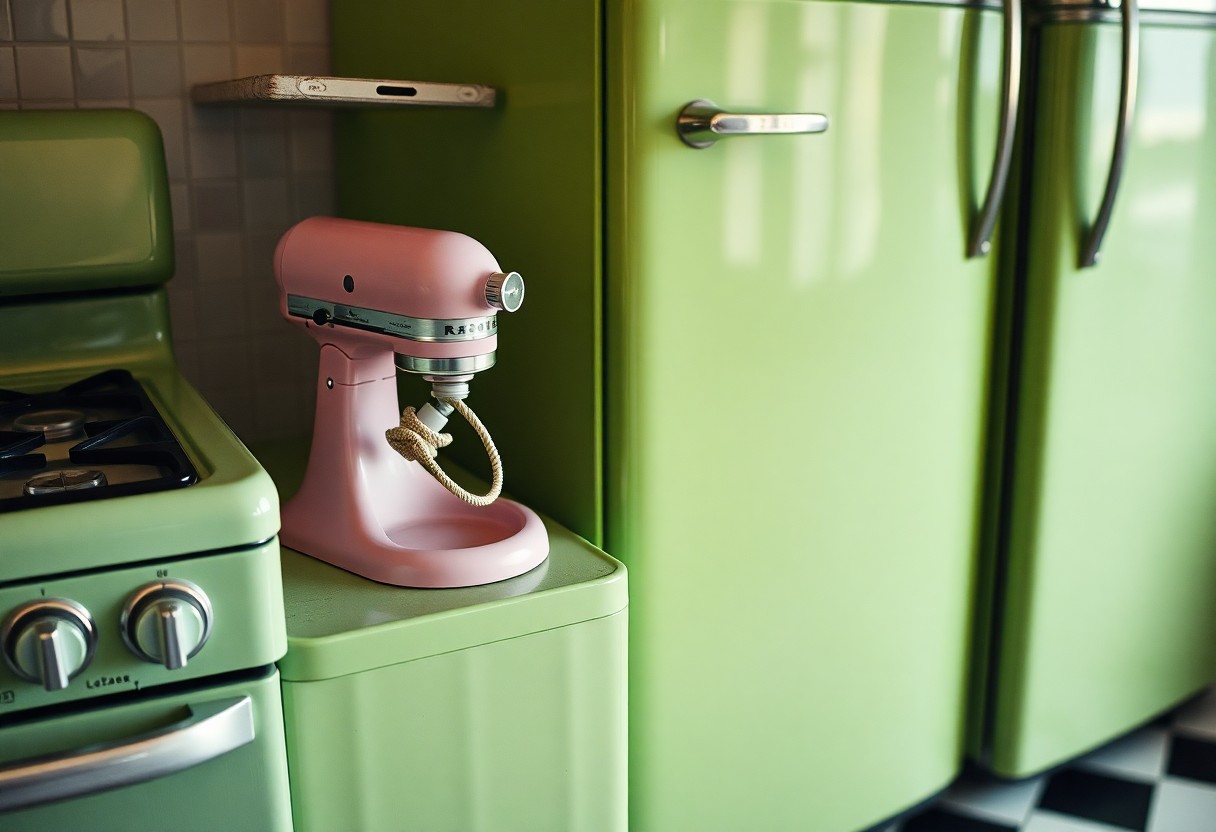
Vintage appliances bring undeniable character, but you face real trade-offs: older fridges and ovens can consume up to three times the electricity of modern A-rated models and often contain phased-out refrigerants such as R12, which pose environmental and regulatory headaches. You may enjoy the aesthetic and higher resale-restored 1950s units can fetch several hundred to a few thousand pounds-but practicality and safety increasingly outweigh nostalgia for everyday kitchens.
Reliability Concerns
Many vintage units rely on electro-mechanical components and dated wiring that were designed for 20-40 years of service; given their age you should expect more frequent faults, from failing thermostats to seized motors. Insurance providers may view such appliances as higher risk, and you can face increased fire or electric-shock hazards if insulation and earthing have degraded, so routine safety checks are important if you continue to use them.
Maintenance Issues
Servicing vintage kit often means sourcing rare parts or paying a specialist for repairs, with single visits commonly costing £100-£400; compressors, bespoke knobs and original glass are particularly scarce. You can mitigate some problems by retrofitting modern controls or seals, but that can compromise authenticity even as it improves performance-so weigh restoration costs against the value you place on originality.
For practical examples, replacing a failed compressor on a classic fridge typically runs £300-£600, door-gasket renewal £30-£80 and full rewiring by a qualified electrician £150-£400; a full sympathetic restoration project can therefore reach £400-£1,500. Given these figures, you should prioritise safety upgrades (earthing, flame-failure devices) and verify that any refrigerant work complies with current regulations before committing to long-term use.
Bulky Furniture
When you hang on to oversized islands, heavy freestanding dressers or deep farmhouse tables they dominate sightlines and eat usable floor area; a typical base unit depth of 600mm plus an island can quickly reduce clear walkways below the recommended 1,200mm, creating trip hazards and hampering workflow in kitchens under 12 sqm.
Space Constraints
In compact city flats you often have just 8-10 sqm for a kitchen, so bulky furniture forces you to sacrifice storage or counter space; replacing a 1.5m-wide dresser can free the equivalent of a metre of continuous worktop and prevent appliance doors from clashing when open.
Modern Solutions
You should favour slimline appliances (a 45cm dishwasher saves about 150mm versus a 60cm model), wall-mounted cabinets and multifunctional islands with concealed drawers to reclaim floor space; modular units 300-400mm deep give storage without the visual or physical bulk of freestanding pieces.
By swapping a 900mm-deep freestanding dresser for a 400mm shallow unit you free roughly 500mm of circulation, and pairing that with a 45cm slim dishwasher frees a further 150mm; these simple swaps turn cramped layouts into safer, more functional kitchens while maintaining generous storage and enhancing resale appeal.
Summing up
From above, you should move away from overly matched, ultra-minimalist schemes, cliché marble-effect surfaces and open shelving clutter; instead favour timeless materials, considered storage and finishes that suit your lifestyle. Updating dated trends will help your kitchen remain functional and marketable while reflecting how you actually use the space.
FAQ
Q: Are all-white kitchens going out of style?
A: Yes, the all-white kitchen is losing ground as homeowners seek warmer, more layered schemes. Pure white can feel clinical and shows wear quickly; current preferences lean towards soft neutrals, two‑tone cabinetry, textured surfaces and accents in wood or colour to add depth and longevity.
Q: Is open shelving no longer fashionable?
A: Open shelving is declining because it exposes clutter and requires constant upkeep to stay presentable. Practical alternatives include a mix of closed storage and curated open displays, glass-front cabinets, or deep drawers that keep frequently used items accessible without sacrificing a tidy appearance.
Q: Are matching stainless-steel appliances passé?
A: Uniform stainless is being replaced by mixed finishes and integrated appliances. Homeowners favour built-in or panelled fridges and dishwashers, coloured or matte finishes, and combining metals such as brass or black fixtures to add contrast and personality.
Q: Has the subway‑tile backsplash trend peaked?
A: The endless subway‑tile look is waning as designers opt for larger formats and continuous surfaces that are easier to clean and more contemporary. Porcelain slabs, full-height backsplashes, textured tiles or bold patterns provide a more modern, durable and distinctive solution.
Q: Are farmhouse and overtly industrial kitchens falling out of favour?
A: Yes, the exaggerated farmhouse and industrial tropes-oversized apron sinks, barn doors and heavy butcher blocks-are softening. The move is towards refined, mixed-style kitchens that combine natural materials, concealed storage, softer profiles and sustainable choices for a more timeless, livable result.