

You begin with a clear plan that prioritises value and safety: set a realistic budget, list high-impact projects and research materials and labour costs; focus on safety when handling electrical or structural work and hire professionals for hazardous tasks, while you can save by painting, decluttering and reusing fittings where possible; track expenses closely, compare quotes and phase work to avoid debt so your home improves without overspending and you retain control of quality and timing.
Budget is your guiding tool; you set clear limits, allocate contingency and map priorities. Focus on high-impact repairs first, prioritise structural and safety issues, and avoid DIY electrical or structural work without a professional. Save by repurposing fixtures, shopping sales and doing cosmetic DIY, and get multiple quotes so your improvements deliver maximum value.

How to Start Your Renovation Project
Begin by listing must-haves, wants and nice-to-haves, then commission a basic survey to note structural issues, damp and services. Obtain at least three quotes from reputable trades and set a timeline; allow a 10-20% contingency and check local planning and building control to avoid costly delays or fines.
Assessing Your Current Home Condition
Walk every room and inspect loft, cellar and exterior for damp, rot, roof sagging and old wiring; discoverable asbestos in loft insulation or pipe lagging requires licensed removal, and a faulty consumer unit or blackened wiring can mean a full rewire at ~£2,000-£5,000. Photograph defects, log measurements and prioritise structural and safety issues before cosmetic work.
Setting a Realistic Budget
Itemise costs for structure, services, finishes and labour, placing major works first-re-roofing (£4,000-£8,000), replacement windows (£300-£1,000 each) and kitchens (£5,000+). Use house value as a guide: spending over 10-20% on one project can reduce return; maintain a buffer of 10-20% and prioritise high-impact, low-cost updates.
Track quotes in a spreadsheet, record every receipt and compare trade and materials; obtain three written estimates and negotiate bulk discounts-buying tiles in one order can save 10-15%. Phase work to spread cost, consider a home improvement loan or remortgage, and plan payments and cashflow so you avoid expensive short-term borrowing.
Assessing Your Renovation Goals
Pinpoint three clear outcomes you want: increasing resale value by 5-10%, creating an open-plan kitchen, or fixing damp and insulation to cut energy bills by up to 20%. You should prioritise anything affecting safety or structure first, then aesthetics. Use simple metrics-cost per room, estimated ROI, and timeline-to compare options; for example, a bathroom update might cost £3,000-£8,000 yet return a high resale uplift.
Identifying Priorities
Start by listing needs versus wants and rank them by impact and cost. You should treat structural repairs and roof or electrics as top priority, while redecorating is lower. Kitchens and bathrooms often give the best returns-expect a kitchen refit to range from £5,000 to £20,000 depending on fixtures. Use ROI estimates and your daily living disruption tolerance to decide what to do now and what to postpone.
Setting a Realistic Budget
Begin with a base estimate from at least three quotes and add a 10-20% contingency for surprises; builders often charge around £150-£250 per day for general work. You should break costs into labour, materials, and permits, and aim to cap discretionary spending-for instance, limit premium fittings to one room if funds are tight. Track every cost in a simple spreadsheet.
For further control, allocate funds by priority: 40% to important repairs, 35% to high-impact upgrades (kitchen/bathroom), and 25% to finishes and contingency. You should request itemised quotes, check supplier lead times, and lock prices where possible to avoid inflationary surprises. Emphasise obtaining written warranties and timelines-these protect you if work overruns or materials fail.
Tips for Cost-Effective Renovations
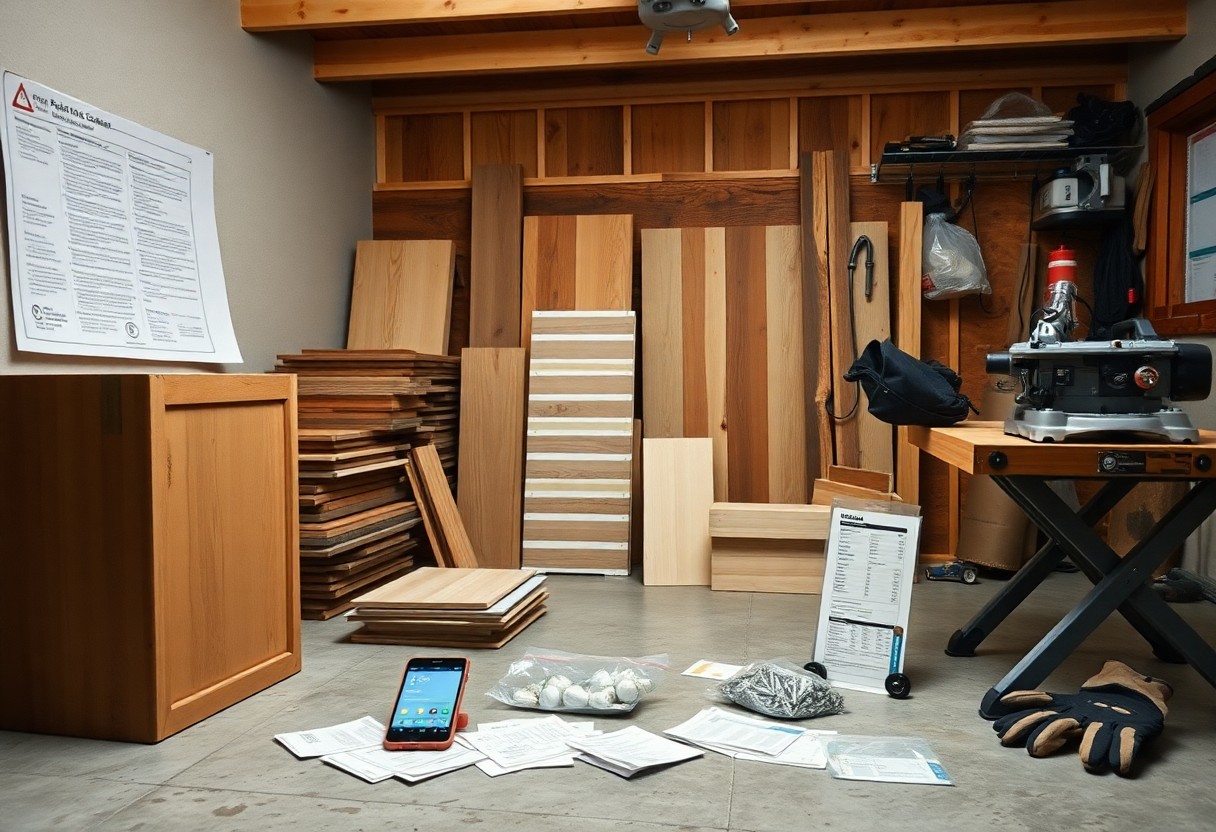
Prioritise simple, high-impact changes: swapping dated fixtures, refreshing paint, and upgrading insulation often deliver the best ROI; a loft insulation install can cut heat loss through the roof by up to 25% in some homes. Track costs closely, as materials and labour typically take different budget lines-kitchen refits often range from £6,000-£12,000 while bathrooms sit around £3,000-£7,000. Use salvaged timber or clearance tiles to save money and always flag structural or electrics as non-negotiable hires. Thou ensure at least three quotes and a 10-15% contingency on your budget.
- Planning: set priorities and timelines
- Budget: allocate 10-15% contingency
- Materials: buy surplus or second‑hand for savings
- Energy efficiency: loft insulation, LED lighting
- Safety: hire pros for structural, electrics and gas
Prioritizing Essential Improvements
You should tackle issues that protect the fabric and value of your home first: roof repairs, damp remediation, and insulation upgrades. These moves prevent escalating damage that can run into thousands if left unchecked and often qualify for local grant schemes. Focus on works that improve comfort and reduce bills-an A‑rated boiler or draught‑proofing can cut fuel use significantly-and treat structural fixes and wet‑room plumbing as top priority to avoid costly follow‑ons.
DIY vs. Hiring Professionals
You can save 30-50% on labour by DIYing straightforward tasks like painting, laying laminate, or fitting kitchens if you have time and skill, but electrics, gas and major structural alterations must be done by registered trades: Gas Safe for gas and compliant electricians for Part P certification. Factor in that labour often accounts for roughly 30-50% of total costs and that professional work brings warranties and compliance.
When deciding, list each task and score it for skill, safety and time: you might tile a floor over a weekend saving £200-£600, yet poor work on electrics can cost far more in damage and legal non‑compliance. Get three detailed quotes, check qualifications and insurance, and weigh the value of a professional guarantee; for big jobs, paying a skilled contractor often delivers faster completion, better resale value and lower long‑term risk. Strongly treat electrics, gas and load‑bearing alterations as professional‑only work.
Researching Affordable Materials
Comparing Prices
When you shop, compare per-unit costs and total project estimates: for example, laminate flooring can be £8-£25/m² while engineered wood is £20-£50/m²; 5L emulsion paint ranges £12-£35. Factor in delivery, wastage (typically 5-10%) and returns policy. Use online marketplaces, joinery clearance and local merchants to spot clearance deals of 20-50% off bulk orders for kitchens or tiles.
Sample Material Price Comparison
| Material | Typical UK Price |
| 5L Emulsion Paint | £12-£35 |
| Laminate Flooring (per m²) | £8-£25 |
| Engineered Wood (per m²) | £20-£50 |
| Ceramic Wall Tiles | £10-£40 per m² |
| Flat-pack Kitchen Run | £200-£1,200 (depending on size) |
Exploring DIY Options
You can cut labour costs substantially by doing simpler tasks yourself: painting a 12m² room over a weekend, laying laminate in a 20m² space within a day or two, or fitting a tiled splashback in 4-8 hours. Avoid DIY on gas and mains electrical work due to safety and legal requirements; hire a qualified engineer for those to prevent fines and hazards.
Start with a realistic plan: list tasks, required tools and a timeline. Renting a tile cutter for ~£25/day or buying a decent cordless drill for ~£60 often costs less than hiring a tradesperson. Practice on scraps, watch tutorial videos and factor in 5-10% material waste so your budget stays accurate and your workmanship improves steadily.
Factors to Consider When Renovating
Weigh each decision by budget, timeline and expected ROI; a minor bathroom refresh may cost £1,500-£4,000, while a kitchen refit often runs £5,000-£12,000 and typically recoups around 60-70% at sale. You should factor in permits, structural risk and disruption to daily life-DIY saves labour but can incur hidden costs if mistakes require trades to fix. Thou must inform your insurer and secure any required permits.
- Budget and financing options
- Timeline and daily-life disruption
- Permits and building-control requirements
- Expected ROI for specific projects
- Homeowners Insurance implications and warranties
- Energy efficiency and running-cost savings
Long-term Value vs. Short-term Cost
You should prioritise measures that boost resale value and lower ongoing costs: upgrading insulation or replacing single glazing with double glazing can reduce heating bills by up to 20%, while targeted kitchen or bathroom improvements often deliver the strongest long-term value. Allocating, for example, £6,000 to energy upgrades and £4,000 to aesthetic finishes out of a £10,000 budget frequently yields better lifetime returns than spending the whole sum on premium surfaces.
Impact on Homeowners Insurance
Notify your insurer before starting structural works because alterations can raise the rebuild cost and change risk profiles; failure to report significant work may lead to a refused claim if the policy excludes unreported changes. You will often need professional certificates or building-control sign-off and an updated sum insured, and some insurers may require temporary cover adjustments during works.
For example, a loft or garage conversion can increase rebuild value by roughly 10-20%, prompting insurers to request a revised valuation; obtaining a chartered surveyor’s report and building-control approval ahead of time usually smooths policy updates, and comparing quotes can limit premium rises to modest levels in many cases.
Tips for Choosing Contractors
Selecting a contractor means you must focus on licences, insurance and a clear scope. You should insist on written estimates, a timeline, a payment schedule and disclosure of any subcontractors; check membership of trade bodies such as the Federation of Master Builders and verify public liability insurance – aim for at least £5 million. Get confirmation they will comply with building regulations and record all agreed variations. Any contractor you shortlist should provide a written quote, proof of insurance and at least three references.
- Get at least three quotes for like-for-like comparison
- Verify licence and insurance details, including policy limits
- Check recent references and view completed jobs where possible
- Agree a written contract with milestones, scope and payment schedule
Getting Multiple Quotes
You should obtain a minimum of three written quotes, each itemising materials, labour and allowances so you can compare unit rates and timelines directly. Ask how long quotes are valid-typically 30-60 days-and whether VAT, permits or contingency sums are included. If one quote is markedly lower, probe for omitted items or cheaper specs; conversely, a higher quote may include longer guarantees or superior finishes that save you money later.
Checking References
You must ask for at least three recent references, preferably from projects completed within the last 12 months and similar in scale to yours. Phone referees to confirm start and finish dates, final cost versus estimate and whether any defects were dealt with promptly. Where feasible, visit a finished job to inspect build quality-check rooflines, joins, damp risk areas and external drainage.
When you speak to referees, ask direct questions: was the work completed to the agreed standard, did any structural or electrical issues arise, and how responsive was the team to queries? Press for specifics such as how variations were handled, whether subcontractors met the main contractor’s standards, and if any snagging items remained after handover-these practical details will reveal reliability and potential red flags.
How to Source Affordable Materials
Target a mix of salvage, seconds and sale items to shave costs – many projects save 20-60% by combining sources. Use online marketplaces (eBay, Gumtree, Facebook Marketplace), local reclamation yards and trade counters; compare unit prices per m² or per metre so you’re buying the best value. Always inspect timber for rot, check tiles for hairline cracks and verify older products for asbestos or lead paint before committing.
Exploring Salvage and Reuse Options
Search reclamation centres, architectural salvage yards and salvage auctions for reclaimed timber, vintage tiles, cast-iron radiators and period doors; items are often priced 30-70% less than new. You can restore oak floorboards or reglaze sash windows at a fraction of new cost, but you must assess structural soundness, pest damage and hazardous finishes – bring a torch and a moisture meter or ask for a short trial removal to confirm suitability.
Shopping Sales and Discounts
Hunt end-of-line, clearance and showroom-sample sales at major DIY chains and specialist suppliers; you can see discounts of 10-60% depending on season and stock levels. Sign up for supplier newsletters, use trade accounts for an extra 10-15% and target Boxing Day, January sales or end-of-financial-year clearances to snap up insulation, tiles and paint at deep reductions.
Use price alerts and comparison tools to act fast: set eBay/Gumtree favourites, enable retailer stock notifications and monitor clearance pages daily. Negotiate on showroom samples or damaged-box items – often a sample sink or worktop is reduced by up to 70%. If you can store items, buying out-of-season (heating and insulation in summer) and combining cashback or loyalty offers boosts savings further.
Planning Your Renovation Timeline
Map out a master schedule in a spreadsheet or simple Gantt chart that lists tasks, durations and dependencies. Prioritise high-impact, low-cost wins like painting (2-3 days) and swapping lighting (1-2 days), then schedule messy trades first. Expect common overruns of 2-6 weeks, so build a minimum 10% time buffer and set aside an emergency fund of 5-10% of your budget for surprises.
Balancing Projects
Sequence work to avoid rework and reduce labour costs: follow wet trades (plumbing, electrical) with plastering, then finishes. You can overlap jobs-for example, while screed cures you can paint-so plan crews and deliveries. On a £10,000 refit, consider allocating roughly 60% to structural/mechanical, 25% to finishes and 15% contingency to keep cashflow steady and minimise mid-project compromises.
Managing Delays
Delays are frequent; many homeowners see projects slip by 2-6 weeks. Confirm lead times-kitchen units often take 6-12 weeks-and require written delivery dates. Agree a communication rhythm (weekly updates), add a 2-week buffer between dependent tasks and log all change orders to limit disputes and unexpected cost increases.
Supply issues and permits are common culprits: a tile back-order can halt progress for 3+ weeks, while building control or planning can add 2-8 weeks depending on your council. If hit by a hold-up, order an alternative finish, schedule other rooms, or rent temporary flooring; keeping a backup contractor contact reduces the risk of contractor no-shows turning delays into major budget overruns.
Budget-Friendly Design Ideas
You can refresh spaces without major expense by prioritising high-impact, low-cost changes: swap lighting to LEDs (a typical 9W LED costs around £2 and lasts ~15,000 hours), install open shelving to create perceived space for under £50, or zone rooms with rugs from £20. For a 12m² room, a 2.5L tin of emulsion (£15-£35) usually covers it in one coat. Be aware of older homes: disturbing pre-1970s paint can be dangerous if lead is present.
Creative Use of Paint
You can transform cabinetry and walls on a shoestring by using sample pots (£2-£5) for testing, applying an accent wall, or painting lower walls a darker shade to hide scuffs. Painting kitchen cabinets yourself typically costs under £150 for materials and can extend their life by a decade, compared with replacement costs of £1,000+. Try colour blocking with matte and eggshell finishes, and always sand or use a bonding primer on glossy surfaces for lasting results.
Repurposing Furniture and Decor
You should inspect items for structural soundness, then convert them: an old dresser becomes a bathroom vanity with a £20 basin cut-in, pallets turn into a coffee table for £15, and mismatched chairs get new upholstery for £30 each. Upcycling can let you save 50-70% versus buying new, and simple swaps like new knobs (£2-£10) dramatically modernise pieces while keeping costs low.
Start by assessing joints and looking for woodworm or rot-always check for woodworm or rot before investing time. Next, tighten screws, use 120 grit sandpaper followed by 220 for a smooth finish, fill gaps with wood filler, then choose finishes: chalk paint needs minimal prep and is touch-dry in ~30 minutes, while polycrylic gives tougher protection. Source materials from charity shops, Gumtree or car-boot sales to keep your overall project under budget.
Smart Design Choices
You can make big savings by prioritising design moves that stretch your budget: refacing cabinet doors rather than replacing units can cut costs by 30-50%, swapping worktops for laminate alternatives, and updating handles and splashbacks. Use paint and open shelving to refresh kitchens for under £500 in many cases. But never tackle wiring yourself-DIY electrics carry a significant fire and safety risk; always use a Part P-registered electrician.
Maximising Space
You should maximise vertical space with floor-to-ceiling shelving, pegboard kitchens and high cupboards; that often adds substantial usable storage without extending footprint. Installing a pocket door can free up roughly the door’s swing width (typically 700-900mm), ideal for small bathrooms. Choose multifunctional furniture-sofa beds, extendable tables-and anchor tall units to studs to avoid tipping hazards; unsecured furniture is a major safety risk for children.
Choosing Versatile Styles
You’ll save later by picking versatile finishes: neutral paint, modular kitchens and classic tiles that suit many tastes. Allocate about 10-20% of your budget to finishes so you can afford quality handles, lighting and floor finishes that last. Removable wallpaper and cushion covers let you update looks for under £100, while mid-tone wood and white subway tiles remain widely appealing.
To keep flexibility, focus on small, high-impact swaps: replacing cabinet handles (£2-£10 each) and light fittings, upgrading to LED bulbs that use up to 75% less energy, and choosing tiles in 300×600mm or larger to make rooms feel bigger. Use neutral grout and mid-grey joins to hide wear. Always have electrical work done by a registered electrician (Part P) – DIY wiring is a serious safety hazard and can void insurance.
Tips for Staying on Track
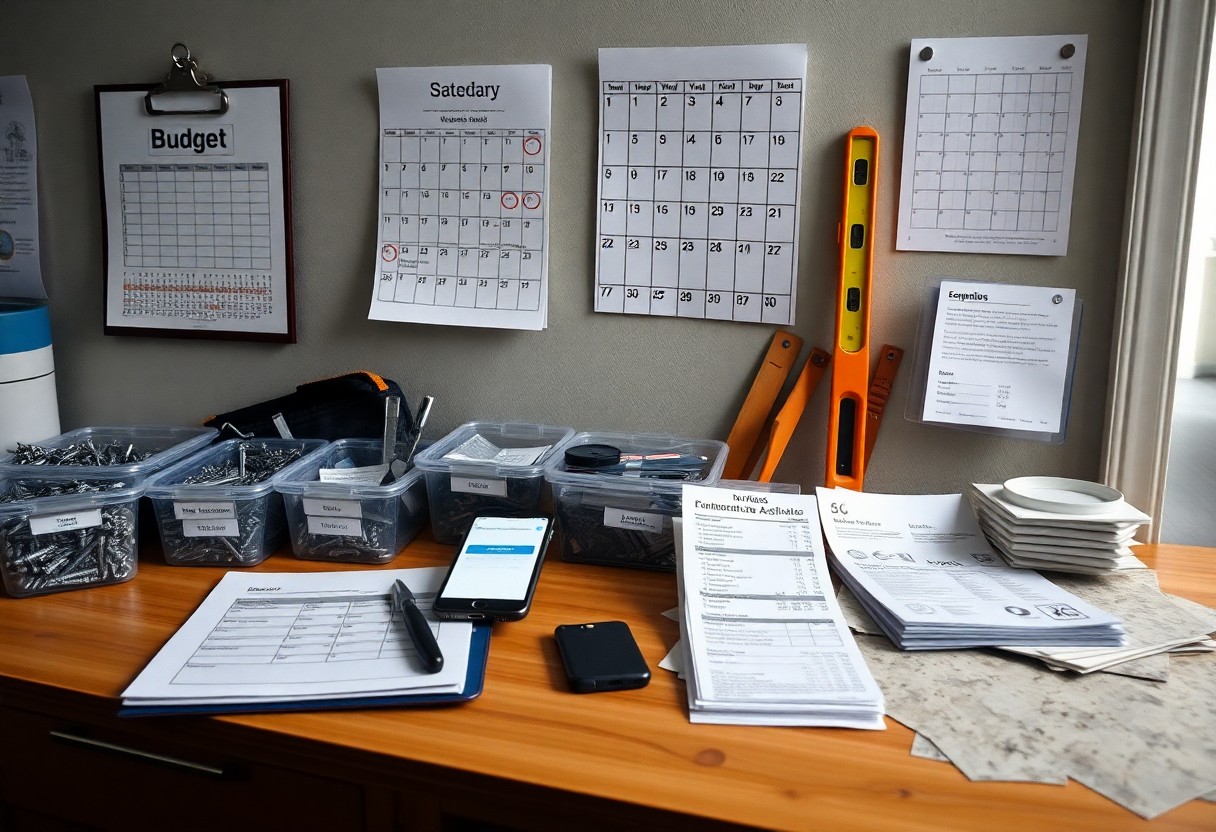
Keep a tight routine: set weekly check-ins, log receipts, and update a simple spreadsheet or app so you spot overruns early; allocate a 10-15% contingency and never attempt electrical or structural work yourself. Focus on high-impact rooms-kitchen or bathroom-where you can recoup around 60-70% of costs, and get at least two quotes for any major job.
- Weekly progress and cost reviews
- Reserve a contingency fund (10-15%)
- Stack trades to minimise downtime
- Get written timelines and quotes
Timelines and Project Management
Plan milestones every 2 weeks, use a Gantt or Kanban board, and expect typical UK schedules: kitchen refit 6-8 weeks, bathroom 2-3 weeks; factor in a 10-15% buffer for delays. For jobs above ~£8,000, hiring a project manager can reduce overruns and often saves 5-10% overall by coordinating trades and bulk ordering.
Keeping a Flexible Mindset
Anticipate surprises-about 30% of small refurbishments reveal hidden issues like damp or wiring-so choose modular fittings, order alternatives with similar lead times, and keep scope options to swap without delay; a flexible mindset lets you avoid costly standstills.
When you hit an unforeseen problem, log it, get two quotes within 48 hours, and prioritise safety fixes first; emergency call-outs can incur a premium, so negotiating phased work or flexible delivery dates often saves up to 20%. Any contingency should be treated as working capital, not spare money.

Cost-Saving Renovation Techniques
Plan work in phases, prioritise high-impact changes like insulation or double glazing that often cut heating bills by 10-20%. Get at least three quotes and know that labour can be up to 50% of project cost, so swapping full replacements for refurbs (cabinet refacing, reglazing) saves thousands. Use reclaimed materials, buy end-of-line appliances, and schedule work off-season for lower rates to stretch your budget while still delivering visible results.
Upcycling Existing Materials
Reface kitchen units, sand and oil original floorboards, or convert old doors into headboards; reclaimed timber, bricks and tiles from reclamation yards or sites like Gumtree often cost 20-60% less than new. You can source bathroom fixtures second-hand and replace seals for a fraction of new costs. However, check for rot, asbestos, or structural damage-avoid using materials that compromise safety.
Doing It Yourself (DIY)
Doing small trades yourself-painting, tiling, fitting shelves-can trim project costs substantially, with DIY labour savings of up to 50% versus hiring professionals. Enrol in weekend workshops, follow manufacturer guides, and factor tool hire; still, do not attempt gas or mains electrical work unless Gas Safe or Part P certified.
Start with surface finishes: a single-room paint job costs about £30-£120 in materials and can save £200-£400 versus decorators. Learn wet-room tiling basics before tackling bathrooms, always consult a structural engineer for wall removals, hire tools from local firms for £20-£60/day, wear protective kit, and track your hours so your time investment truly reduces overall cost.
Final Words
Hence you can transform your home on a budget by planning each phase, prioritising high‑impact areas, learning basic DIY skills, sourcing reclaimed or discounted materials, negotiating with tradespeople, and phasing work to spread costs; disciplined planning and practical decisions let you deliver attractive, lasting results without overspending.
To wrap up
To wrap up, you can renovate affordably by planning a clear budget, prioritising high-impact areas, embracing DIY where safe, and sourcing quality second‑hand or reclaimed materials; focus on fresh paint, updated fixtures and smart storage to transform rooms without overspending, and reserve professional help for structural or electrical work to protect your investment and keep costs predictable.
FAQ
Q: How do I plan a renovation on a tight budget?
A: Start by assessing what must be done versus what would be nice to have; focus on safety, structural repairs and systems (roof, electrics, plumbing) first. Create a phased plan so larger works can be spread over time, obtain at least three quotes for major jobs, and set a contingency of around 10-20% for unforeseen costs. Use sketches and a simple schedule to avoid scope creep and to help contractors give accurate estimates.
Q: How can I set a realistic budget and stick to it?
A: Break the project into categories (labour, materials, permits, fixtures, waste disposal) and assign estimates to each. Get detailed written quotes, track actual spending against the plan, and prioritise items so you can postpone low-priority work if costs rise. Use bargains such as end-of-line sales and reclaimed fittings, and keep a running log of receipts to monitor cash flow.
Q: Where can I save money on materials without compromising quality?
A: Source reclaimed or surplus materials from reclamation yards and online marketplaces, buy off-cuts for smaller jobs, and compare local merchants for trade discounts. Choose durable, low-maintenance finishes rather than high-end aesthetics that wear quickly, and consider engineered rather than solid timber where appropriate. Small changes, such as painting existing cabinets or re-sanding floors, can achieve a big visual impact at a fraction of replacement cost.
Q: Which jobs are worth doing myself and which should I hire a professional for?
A: Tackle non-structural tasks you can do well-painting, basic tiling, fitting skirting boards, replacing switches and sockets (if competent and legally allowed), and gardening. Hire qualified professionals for structural alterations, major electrics, gas work, mains plumbing and anything requiring building-control approval to avoid safety risks and costly rework. For larger hires, check references, verify insurance and ask for a written contract.
Q: How can I improve energy efficiency during a budget renovation?
A: Insulate lofts and accessible cavity walls, seal draughts around doors and windows, fit LED lighting and thermostatic radiator valves, and add a cylinder jacket to hot water tanks. Consider secondary glazing or draught-proofing existing windows as a cheaper alternative to full replacement. Look into local grants or low-interest schemes for energy upgrades and phase measures over time to spread the cost.