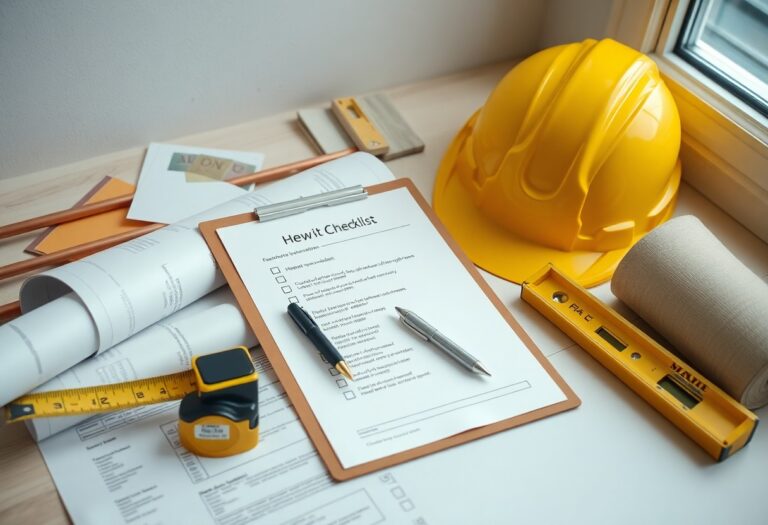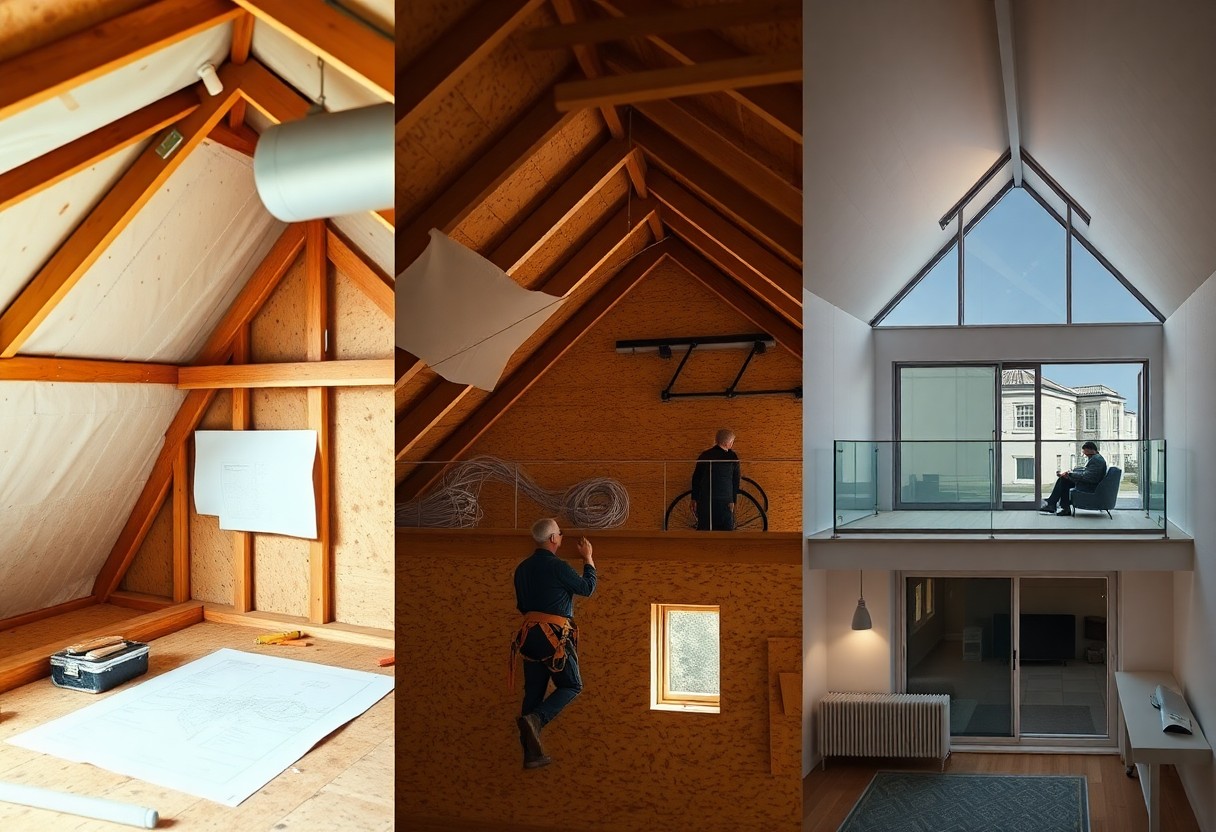
Many homeowners start a loft conversion to add space; as you plan, schedule surveys, detailed design, party wall agreements and building control to protect your project, but obtaining planning permission and suitable approvals is the most important step to prevent delays. Be alert to structural hazards such as weakened joists, hidden asbestos and fire risks… Loft Conversion Timeline – From Start to Finish
Many homeowners start a loft conversion to add space; as you plan, schedule surveys, detailed design, party wall agreements and building control to protect your project, but obtaining planning permission and suitable approvals is the most important step to prevent delays. Be alert to structural hazards such as weakened joists, hidden asbestos and fire risks that require qualified trades, and expect the positive outcome of significantly increased space and property value once works finish.
Understanding Loft Conversions
Types of Loft Conversions
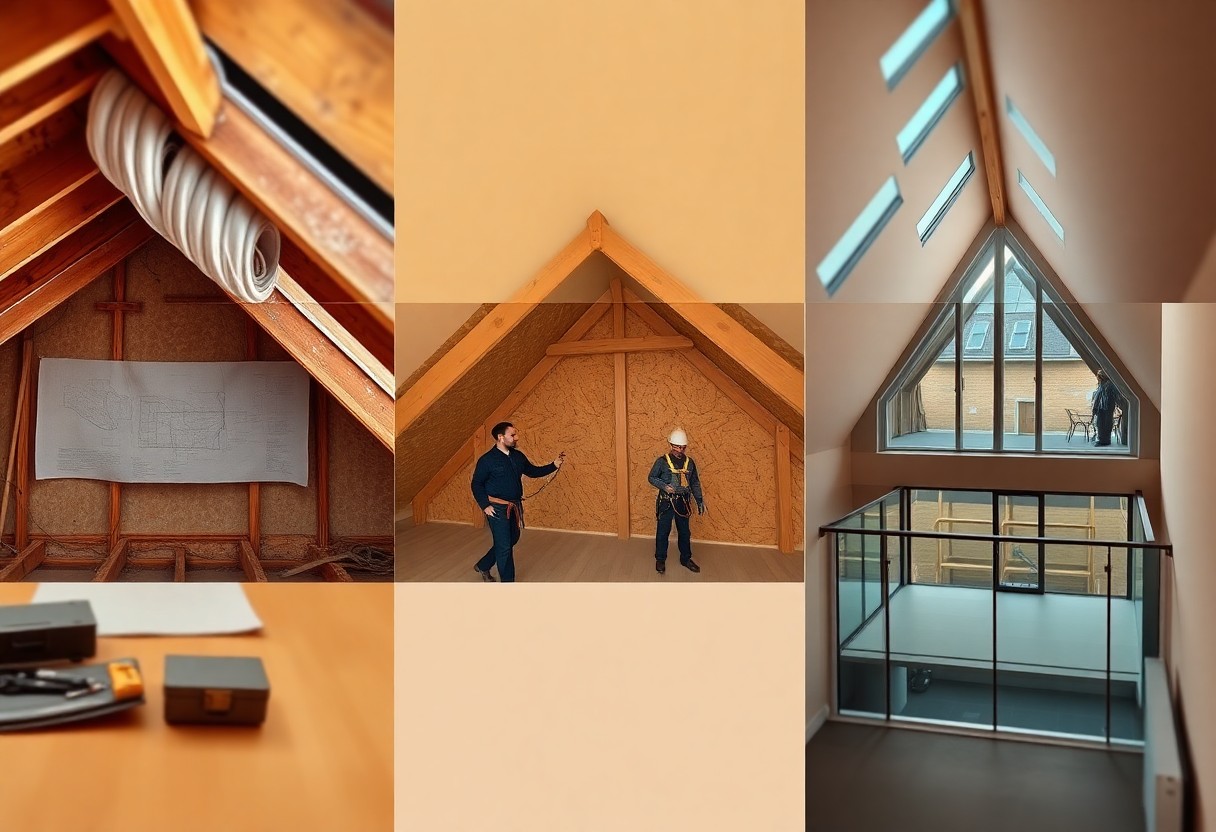
You can choose from several forms – rooflight/Velux, dormer, mansard, hip‑to‑gable and room‑in‑roof – each alters usable volume, cost and planning needs; a simple Velux typically takes 2-4 weeks and costs about £5k-£15k, a dormer often 4-8 weeks at £15k-£40k, while mansard builds are longer and pricier. Thou must confirm 2.2m headroom and whether planning permission or a party wall award is required.
- Velux (rooflight)
- Dormer
- Mansard
- Hip‑to‑gable
- Room‑in‑roof
| Velux (rooflight) | 2-4 weeks; £5k-£15k; minimal structure; best if headroom ≥ 2.2m |
| Dormer | 4-8 weeks; £15k-£40k; adds floor area; common on terraces/semi‑detached houses |
| Mansard | 6-12 weeks; £30k-£60k; maximises space; often requires planning permission |
| Hip‑to‑gable | 6-10 weeks; £25k-£45k; converts hip roof to gable; suits hipped roofs |
| Room‑in‑roof | 4-8 weeks; £15k-£30k; lighter build, limited headroom; cost‑effective option |
Benefits of Loft Conversions
You typically add 10-30% usable floor area, creating an extra bedroom, bathroom or home office; many homeowners see a 15-20% uplift in property value and lower running costs if insulation is upgraded. Contractors often finish straightforward projects within 4-8 weeks, reducing disruption while delivering a high return on investment.
For example, a dormer on a three‑bed semi can cost around £20k-£35k yet commonly adds one full bedroom and an en‑suite, with local estate agents reporting sale price increases of £30k-£50k in many areas; you should factor in VAT, scaffold and party‑wall works, secure written guarantees from your builder and compare quotes – overall, conversions often give the best value per square metre compared with ground‑floor extensions.
Planning Permissions and Regulations
Planning Permission Requirements
If your conversion fits within permitted development rights you can avoid full planning, but limits apply: up to 40m³ for terraced houses and 50m³ for detached or semi‑detached. You must also avoid enlarging the principal elevation roof slope and can be blocked by an Article 4 direction or being in a conservation area or listed building, which demands full consent. Typical planning applications are decided in about 8 weeks, so factor that into your timeline.
Building Regulations Compliance
You need Building Regulations approval for structure, fire safety, insulation and access; relevant Approved Documents include A (Structure), B (Fire), L (Thermal), M (Access), K (Protection from falling) and E (Sound). Structural calculations for any RSJ or floor works, plus smoke alarms, fire separation and adequate insulation, are non‑negotiable. You can use local authority building control or an approved inspector and will undergo staged inspections during the build.
Inspections typically occur at key stages: cutting into the roof and installing structural members, first‑fix services, insulation checks and a final sign‑off. Your structural engineer’s drawings must be available on site when steel is fitted, and passing the final inspection yields a completion certificate that evidences compliance for future sale or insurance. Plan for staged inspections and ensure each trade is scheduled around them.

Pre-Construction Phase
You should commission a measured survey, structural survey and planning check early; expect planning decisions to take around eight weeks if required, while party wall processes commonly add 4-8 weeks. Obtain at least three written quotes, and budget for scaffolding (£400-£1,500) and design fees (architect £1,000-£4,000). Submit Building Regulations applications too – approvals often take 2-6 weeks – because poor surveys or omitted party wall notices can delay or legally stop work.
Designing Your Loft Space
When laying out the space aim for a minimum head height of 2.2m in main usable areas and choose a conversion type that suits roof pitch and neighbours – dormer, mansard or hip‑to‑gable each alter usable floor area and planning sensitivity. For instance, a rear dormer typically adds 6-8m²; use scaled drawings and a furniture plan to avoid repositioning services or windows later.
Hiring Professionals
Prioritise an architect or experienced loft designer plus a structural engineer, and insist builders provide at least three references, proof of employer’s and public liability insurance, and a portfolio of similar projects. Seek fixed‑price quotes, clear programmes and Building‑Reg compliant details; faulty structural work is dangerous, so include engineer calculations and site inspections in the contract.
Specify a clear payment schedule – commonly a 10-30% deposit, staged payments at milestones (e.g. RSJ installation, roof completion) and a 5-10% final retention – to protect your funds. Check professionals hold current insurance, CSCS or trade federation membership, and ask for written warranties or an insurance‑backed guarantee; ensure the contract sets a completion date, milestones and remedies for missed deadlines.
Construction Phase
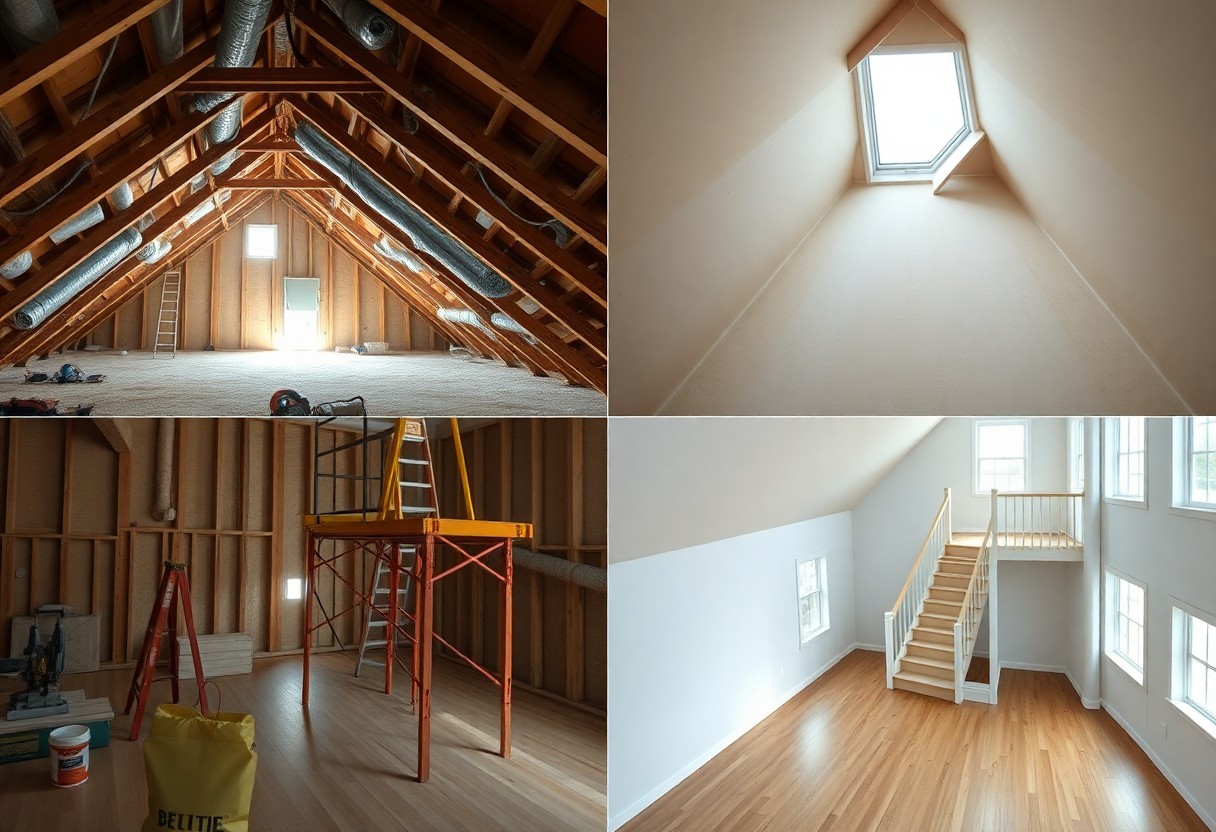
Scaffolding goes up and the roof is opened out so you can install structural supports, new joists and either a dormer frame or rooflights; you’ll typically see a structural steel beam and temporary propping in week one. For a straightforward conversion expect 6-12 weeks, while complex dormers or multiple-room layouts often extend to 12-16 weeks. Bear in mind that working at height is dangerous, so competent operatives and safety measures are necessary.
Timeline Overview
Early stages take 1-2 weeks for scaffolding and roof strip, followed by 1-2 weeks for beam insertion and floor joists, then 2-4 weeks for dormer construction or rooflight installation; electrics and plumbing commonly occupy the next 2-3 weeks, with insulation, plasterboarding and finishes in the final 2-4 weeks. A typical schedule is week 1-2: strip/scaffold, week 3-6: structure, week 7-12: services and finishes.
Managing the Construction Process
You should hold short daily site checks and a weekly review with the contractor to track progress, address defects and log deliveries; order long‑lead items such as steel beams and bespoke rooflights early to avoid delays, and ensure you get prompt building control sign‑offs at each stage to prevent reworks.
Allow a 10-20% time buffer and a 5-10% budget contingency for weather or unforeseen structural finds; appointing a project manager or using a measured contract reduces disputes. Verify trades hold CSCS cards and insurance, insist on edge protection and harnesses for roof work, and commission an asbestos survey for pre‑1990s properties before work starts.
Interior Finishing Touches
Once structural works are signed off, you move quickly to finishes: plasterboard, skim, flooring and bespoke storage. Use fire-rated plasterboard where stair enclosures meet the loft and aim for a finished head height of at least 2.2-2.4 m to meet comfort standards. Specify recessed downlights with appropriate fire hoods, lightweight engineered timber for floors to reduce load, and built-in eaves cupboards to maximise usable space and often add 10-20% value.
Insulation and Soundproofing
Insulate to a roof U-value of roughly 0.13-0.18 W/m²K, using 100-200 mm between rafters plus a continuous layer (PIR or breathable board) where possible; loft-floor insulation commonly totals 270 mm. For sound control, combine 100 mm acoustic mineral wool, resilient bars and a decoupled ceiling to cut transmission markedly. Watch for condensation and fire-risk with foil-backed products and ensure ventilation and vapour checks are correctly detailed.
Choosing Materials and Fixtures
Prioritise materials by weight, durability and energy use: engineered oak or laminate (10-12 kg/m²) over solid timber reduces load; choose LED downlights (4-7 W) and low-profile radiators or underfloor heating to free wall space. Design floors for a domestic live load of 1.5 kN/m² (~150 kg/m²), and specify fire-rated ceiling inserts where fittings penetrate the structure to maintain safety and compliance.
When dicking out finishes, compare weights and thermal performance: engineered oak typically weighs half that of solid oak, saving on required structural strengthening; PIR board offers high insulation at 25-30 mm thickness, while sheep’s wool provides better moisture buffering. Factor installation costs-LED retrofit kits cost £20-£60 per fitting, modular cupboards £150-£400 per linear metre-and always confirm that lighting and heating fixtures have the necessary fire and electrical ratings for loft use.
Final Inspections and Sign-Off
When your loft nears completion, expect the inspector to carry out a final walk-through checking structure, fire measures, insulation and stairs; typically projects see 2-4 inspections and a final visit within 7-21 days of booking. You should present structural calculations, electrical test certificates and as-built drawings. Inspectors will flag anything that compromises safety-such as inadequate fire separation or unstable balustrades-and will not sign off until those items are resolved.
Ensuring Compliance
You must ensure your loft meets Building Regulations by supplying paperwork and visible fixes: structural steelwork per engineer’s drawings, interlinked smoke/heat alarms, and correct ventilation and insulation installation. For example, an approved inspector commonly requests full electrical NICEIC/EICR evidence and signed structural calculations; failure to show these often results in a snag list and delayed sign-off, so keeping all certificates on-site speeds the process.
Obtaining Completion Certificate
After satisfactory final inspection the Local Authority or an Approved Inspector issues the Completion Certificate, confirming compliance with Building Regulations; many inspectors can issue this same day or within 7-28 days of final checks, depending on workload. You’ll need to ensure all outstanding snags are cleared and paperwork lodged before the certificate is released.
If the inspector raises a snag list-typically 1-10 items-you’ll usually be given a timeframe (commonly 7-14 days) to remedy them; once corrected, re-inspection is often quick. In cases of refusal, documented corrective works and a reapplication with updated certificates (electrical, structural) resolve the issue. Hold the Completion Certificate safely: lenders, insurers and future buyers routinely request it as proof the work meets Building Regulations.
Conclusion
To wrap up, your loft conversion timeline typically spans from initial design and planning (several weeks) through approvals and structural works (a few months) to internal fit-out and finishes, so you should plan for potential delays, allocate contingency time and budget, and coordinate trades and inspections to keep progress steady; with clear decisions and effective project management you can expect a smooth transition from start to finish and gain usable, well-built space.
FAQ
Q: What are the typical stages of a loft conversion and how long does each stage usually take?
A: A typical loft conversion proceeds through survey and design (1-4 weeks), planning and party wall agreements if required (8-12 weeks combined; sometimes shorter for permitted development), detailed structural calculations and building control submissions (1-3 weeks), procuring materials and arranging scaffolding (1-3 weeks), structural works including steel beam installation and floor reinforcement (1-2 weeks), roof alterations or dormer construction (2-6 weeks depending on size), installing staircase, windows/rooflights and first fix services (electrics, plumbing, heating) (1-3 weeks), insulation, plastering and boardings (1-2 weeks), second fix (joinery, decoration, flooring) (1-3 weeks), snagging and final inspections (1-2 weeks). Overall build time on site commonly ranges from 4 to 12 weeks for a straightforward conversion; complex projects or rear/front dormers may extend to 3-6 months including approvals and lead times.
Q: How long do planning permission and building control take, and when do I need them?
A: Many loft conversions fall under permitted development and do not need planning permission, but dormers that exceed limits or conversions in conservation areas will require full planning (decision normally within 8 weeks). A party wall award can add 8-12 weeks if neighbours dissent. Building control approval is required for all conversions; self-certification by a competent contractor or full plan and inspection route with your local authority typically involves several staged inspections across the build – initial plan approval can take 1-3 weeks and subsequent site inspections are scheduled throughout construction. Factor statutory timescales and potential requests for further information into your programme.
Q: What common issues cause delays and how can they be minimised?
A: Delays most often arise from unforeseen structural problems found after removing roof coverings, slow delivery of bespoke items (windows, steels, staircases), adverse weather affecting external works, slow neighbour agreements (party wall), and mid-project design changes. To minimise delays: commission a detailed survey before tendering, order long-lead items early, agree a clear contract with programme and penalties for late delivery, appoint a single point of contact or project manager to co-ordinate trades, allow a contingency period and budget, and keep communications with neighbours and the local authority active.
Q: What should I prepare and arrange before work starts on the loft conversion?
A: Arrange and confirm scope, budget and a written contract with the contractor including programme, payment schedule and warranties. Obtain necessary approvals (planning, party wall award, building control). Commission a structural survey and set out required insulation and fireproofing standards. Clear attic contents and prepare the property for scaffolding and trades access; plan for dust, noise and temporary loss of heating or hot water if relevant. Confirm storage for materials, site welfare arrangements, and access for deliveries. Ensure utilities are available and decide on finishes early to avoid late changes.
Q: What inspections, certification and handover steps are involved at the end of the project?
A: During the build, building control will carry out staged inspections for structural alterations, fire protection, insulation, drainage and final works. At completion, you should receive a completion certificate from building control or your self-certifying contractor, an electrical installation certificate from the electrician, and any relevant gas safety or heating certificates. The contractor should provide warranties for works and materials, a snagging list should be agreed and remedied, and you should obtain as-built drawings and any structural calculation documents. Only sign off final payment once all certificates are issued and outstanding defects are resolved.