
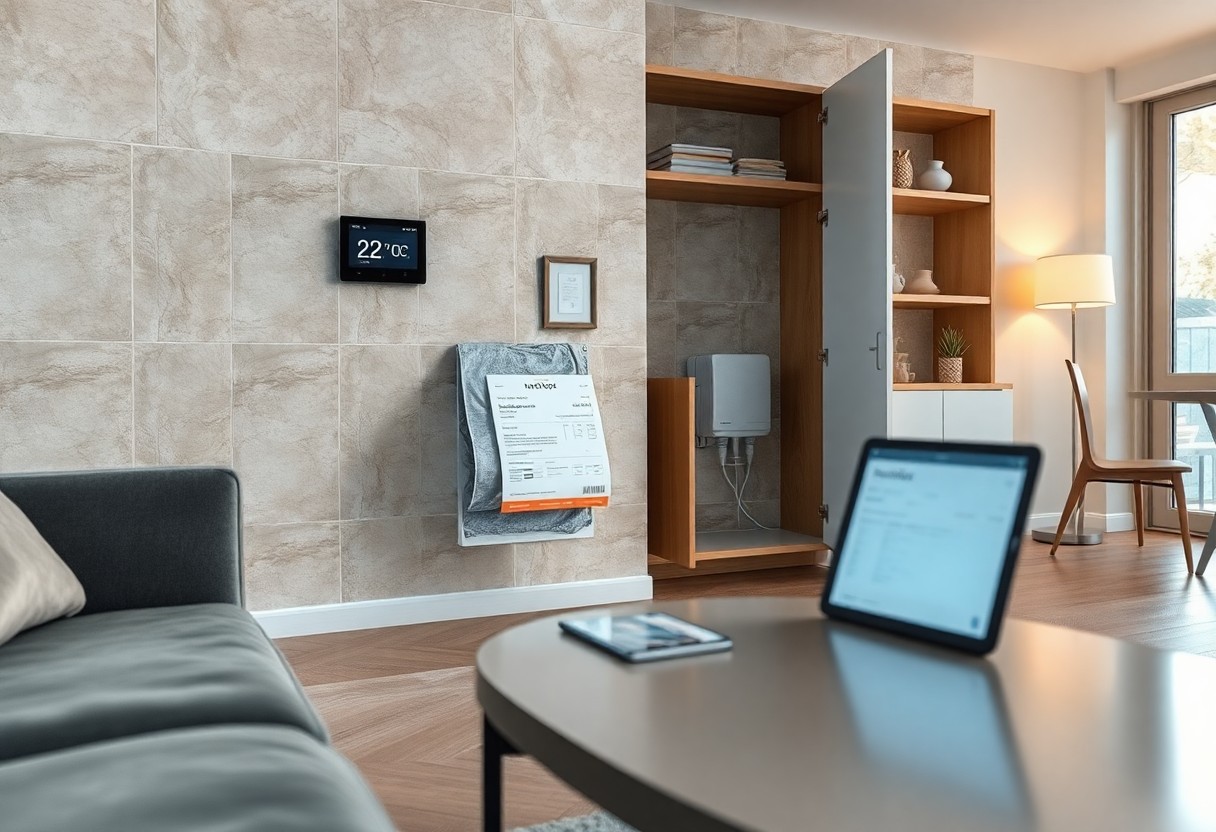
Just as you plan home improvements, underfloor heating can transform your comfort and energy use; it delivers even heat distribution and reduced running costs, but you must weigh high upfront installation costs and potential damage from incorrect fitting or incompatible flooring against long-term savings and increased property value. You should assess room type, insulation, and thermostat control to decide if the system matches your lifestyle and budget.
Many homeowners, like you, wonder whether underfloor heating justifies the cost; you should weigh higher upfront installation and potential disruption when retrofitting against long-term gains. Underfloor systems can deliver better heat distribution, lower running costs and improved comfort, but wet systems carry a risk of leaks and repair complexity, and electric options suit smaller areas. Assess your property, budget and lifestyle to decide if the energy savings and comfort will offset initial expense.
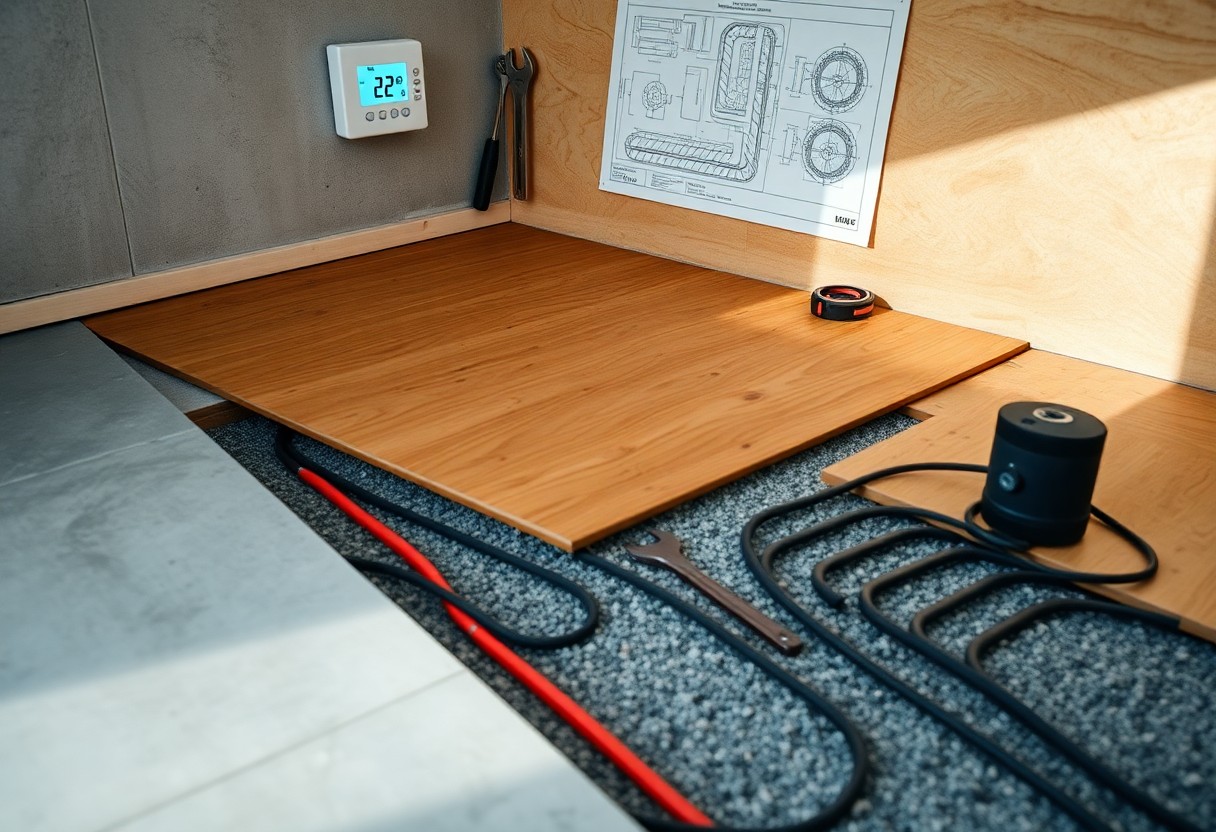
Understanding Underfloor Heating
You’ll see underfloor heating works as a low-temperature radiant system that heats room surfaces rather than air, reducing stratification and often allowing thermostat setbacks of 2-3°C; electric mats heat in 10-30 minutes while hydronic systems reach steady state in 1-3 hours but offer greater running efficiency with heat pumps or condensing boilers. You must allow for surface limits (around 29°C) and adequate insulation to prevent heat loss and potential overheating.
Types of Underfloor Heating Systems
There are two dominant approaches: electric cable/mat systems, ideal for retrofits and quick response, and hydronic (water) systems, better for whole-house use and lower operating costs over time. You can install wet screed, thin overlay or suspended systems depending on floor build-up; typical UK install costs run roughly £40-£70/m² for electric and £60-£120/m² for hydronic. Thou should weigh response time and floor compatibility when choosing.
- Electric
- Hydronic
- Low-temperature
- Screed
- Thermostat
| Feature | Detail |
|---|---|
| Electric | £40-£70/m²; 10-30 min response; best for small rooms/retrofit |
| Hydronic | £60-£120/m²; 1-3 h response; efficient for whole-house systems |
| Surface temperature | Generally limited to ~29°C in living areas |
| Operating temperature | Hydronic: 35-45°C vs radiators 60-75°C, enabling energy savings |
How Underfloor Heating Works
Heated elements or water pipes raise floor surface temperature so radiant heat warms objects and occupants, allowing you to run lower air temperatures and improve comfort; hydronic circuits typically operate at 35-45°C and must be sized to deliver 50-120 W/m² depending on insulation and floor finish, while electric systems use 230V mats for fast response-incorrect flow rates or poor control will cause uneven heating.
You should design pipe spacing (typically 100-300 mm) to match floor finish-tiles often use tighter spacing-and choose screed depth (50-80 mm over pipes) to add thermal mass that smooths cycling. Manifolds, zone thermostats and an appropriately sized pump are important, and poor insulation or damaged pipework can nullify savings; planned maintenance checks reduce the risk of leaks and ensure efficient, safe operation.
Understanding Underfloor Heating
You should note that underfloor heating delivers consistent radiant warmth across the floor surface, often allowing flow temperatures as low as 30-45°C for wet systems versus 50-65°C for conventional radiators, which can cut boiler cycling and improve efficiency. Installation depth, screed type and insulation determine performance; poor insulation can negate gains and incorrect installation risks pipe damage. Typical electric retrofit costs range from £40-£70/m², while wet systems usually sit around £60-£120/m².
Types of Underfloor Heating Systems
Two principal options exist: electric systems (mats or cables) are thin, quick to install and suit retrofits, while wet (water) systems integrate with boilers, heat pumps or solar thermal and are more economical over large areas. Knowing which type matches your property, budget and heating source directs the right specification and controls.
- Electric – fast response, low install depth
- Wet – lower running temperature, better for whole-house
- Hybrid – combines electric for zones and wet for main areas
| System type | Electric: mats/cables; Wet: pipes in screed |
| Installation depth | Electric: 6-20mm; Wet: 30-150mm |
| Typical flow temp | Wet: 30-45°C; Electric: element temps up to 60°C |
| Approx. install cost | Electric: £40-£70/m²; Wet: £60-£120/m² |
| Best application | Electric: bathrooms, retrofits; Wet: whole-house, new builds |
How Underfloor Heating Works
Heat is emitted from a network of pipes or electrical elements into the floor, then radiates evenly; you’ll typically see floor surface temperatures of 24-29°C for comfortable living spaces, controlled via thermostats and zoned manifolds to avoid overheating and reduce energy waste.
For example, a 75m² open-plan ground floor with a wet system and a condensing boiler running at a 35°C flow can reduce gas demand by around 10-15% compared with high-temperature radiators, because lower water temperature improves boiler efficiency; electric systems heat quicker (30-60 minutes) but often incur higher unit running costs, so you should size controls and insulation to optimise performance and safety.
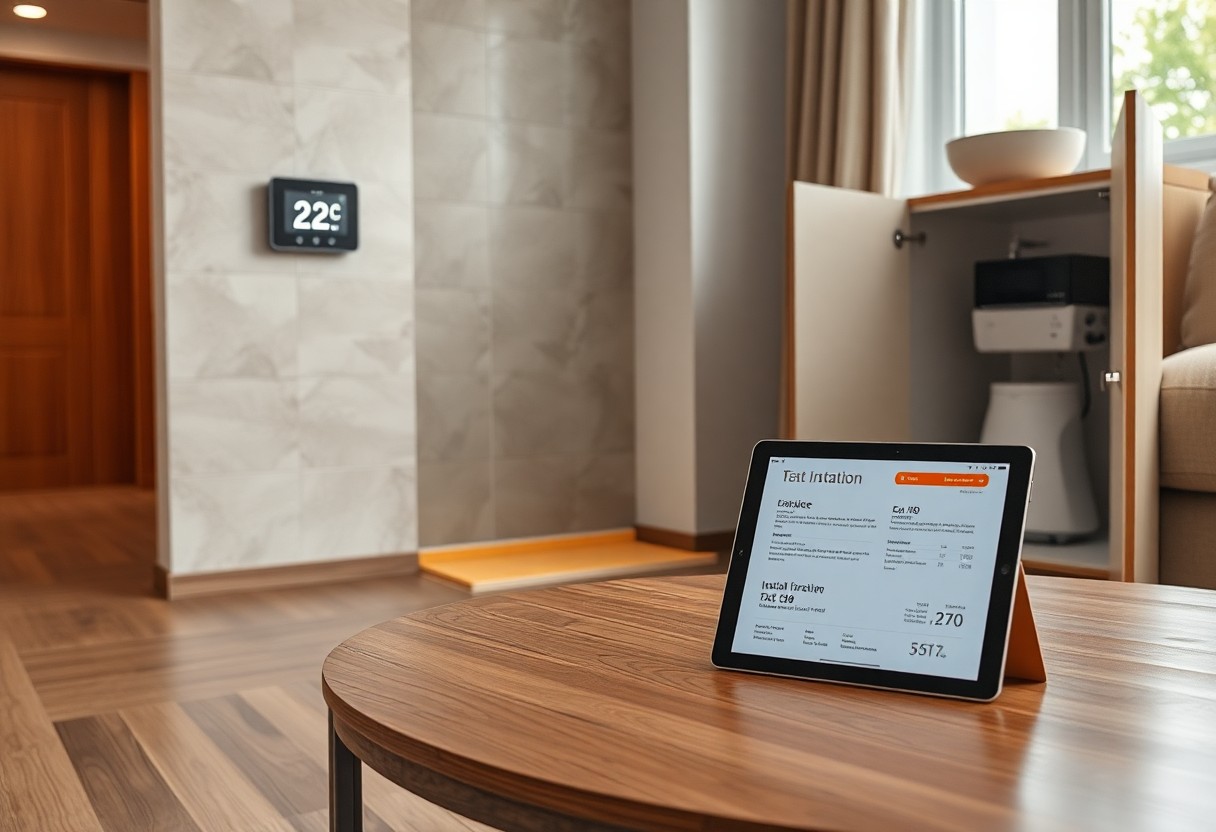
Advantages of Underfloor Heating
You gain even heat across the whole room, freed-up wall space and reduced dust circulation, which benefits allergy sufferers. Systems typically run at lower water temperatures-around 35-45°C-so they pair well with heat pumps and condensing boilers, often delivering 10-25% lower energy use than conventional radiators. Installation costs vary, but long-term savings and increased property appeal are tangible advantages if you plan to stay in the home for several years.
Comfort and Convenience
You’ll feel warmth from the floor upwards, eliminating cold spots and the need for high thermostat settings; tiles can be comfortably maintained at 24-26°C while carpets at slightly lower setpoints. Because heat is distributed evenly, you can reduce drafts and dust circulation, and reclaim wall space previously occupied by radiators for furniture or storage, improving room layout and aesthetics.
Energy Efficiency
You benefit from lower flow temperatures (typically 35-45°C) compared with radiator systems (65-75°C), which improves boiler or heat‑pump efficiency. When combined with a condensing boiler or air‑source heat pump and zoned controls, underfloor heating can deliver measurable running cost reductions-commonly cited as 10-25%-especially in well‑insulated properties.
If you pair underfloor heating with a heat pump, you’ll see the biggest efficiency gains because heat pumps perform best at low flow temperatures; manufacturers recommend matching system output to floor type and U‑value. Zoning and smart controls let you heat rooms only when occupied, and good subfloor insulation is important-without it you risk heat loss and longer payback. Also note that improper installation can cause pipe damage or poor performance, so use accredited installers and request pressure‑test evidence and warranties.
Benefits of Underfloor Heating
Underfloor systems give you consistently distributed warmth across the entire floor, eradicating cold spots common with single-point radiators and improving comfort in open-plan layouts. They free wall space for furniture, reduce airborne dust circulation-helpful if you or a family member has allergies-and demand little routine maintenance beyond annual manifold checks. Wet systems suit whole-house installations, while electric mats offer a neat retrofit option for single rooms, making underfloor heating versatile across refurbishments and new builds.
Comfort and Aesthetics
You feel heat from the floor rather than concentrated bursts from radiators, with typical floor-surface comfort between 24-29°C
Underfloor heating usually runs at lower water temperatures-typically 35-45°C-compared with radiator systems at 60-75°C, so when paired with a condensing boiler or air-source heat pump you can increase system efficiency. In practice, households report energy-use reductions commonly in the range of 10-30% depending on insulation, control strategy and floor construction, making underfloor heating financially attractive over the medium term. Thermal mass and zoning matter: screeded wet systems store heat and smooth demand, while electric systems respond faster but cost more to run per kWh. Smart thermostats and room-by-room control reduce wasted heat; for example, sequencing zones to run at lower overnight setpoints can cut heating bills noticeably. Also note that high-resistance carpets or heavyweight underlays can reduce output by up to 20%, so match floor finishes to system design for best efficiency. You should expect significantly higher upfront expenditure than with radiators: electric mats commonly cost about £40-£80 per m² to install, while wet systems are typically £60-£120 per m², with a 100 m² retrofit often totalling £6,000-£12,000. Installation can require raising the floor by 15-75 mm, adding insulation, and altering door thresholds, so disruption and detailed quotes matter when you budget. Although underfloor systems are generally reliable, faults can be invasive and costly to fix: wet pipes usually last 25-50 years, yet locating a leak often needs breaking the screed, with diagnostics running to several hundred pounds and repairs potentially into the thousands; electric mat faults may force partial reflooring to replace elements. For day-to-day upkeep you should monitor manifold pressure (typically around 1-1.5 bar) and inspect controls annually; a pressure drop greater than about 0.2 bar between checks can indicate a leak. Flushing or inhibitor top-ups every 10-15 years, use of isolation valves and zone manifolds, and commissioning by a registered installer all reduce long-term risk and simplify any repairs. You should budget for both upfront and ongoing expenses: typical installation ranges from about £40-£120 per m², so an 80 m² ground-floor wet system might cost roughly £3,200-£9,600 installed. Retrofit work often pushes costs higher due to screed removal and insulation. Within five to ten years you may face mid-life component replacements, while smart controls and integration with a heat pump can add £500-£2,000 but cut running costs significantly. You’ll pay more if floor levels must be raised or old screed removed; expect additional costs of £10-£25 per m² for underfloor insulation and up to £1,000-£3,000 for screed work in larger rooms. Electric mats for single rooms often cost £300-£800 installed, whereas wet systems for whole houses typically range £3,000-£10,000. Retrofit projects are the most expensive because of access, plumbing and finishing work. You’ll find maintenance low for electric systems but higher for wet systems: an annual service for pumps and boilers is usually £80-£200, a powerflush every 5-15 years can be £300-£600, and pump or manifold replacements typically run £150-£600. Leaks or untreated system corrosion can lead to significantly higher repair bills, so preventative servicing pays off. For greater detail, pipework commonly lasts 25-50 years but manifolds and controls may need attention after 10-20 years; installing a magnetic filter and inhibitor costs around £120-£300 and can extend life and reduce service frequency. If you pair underfloor heating with a heat pump, plan for an extra £500-£1,200 to optimise flow temperatures and controls, yielding lower running costs long term. When you compare underfloor heating with conventional radiators, underfloor delivers more uniform surface warmth and operates at lower supply temperatures (35-45°C vs 60-75°C), improving comfort and system efficiency, while radiators heat faster and cost less to install, so you must balance higher upfront investment and installation constraints against longer-term running savings. You’ll notice underfloor heating gives a consistent radiant warmth that lets you set the thermostat 1-2°C lower for the same perceived comfort, improving efficiency; however, it reacts slower to setbacks, so effective zoned controls and good insulation are crucial to capture the typical 10-25% heating‑energy advantage you may see versus radiators, depending on building fabric and heat source. Typical installed costs vary: wet systems commonly range around £50-£120/m², while electric options often sit near £60-£100/m²; for a 100 m² ground floor that can mean roughly £5,000-£12,000, and payback usually falls between about 5-15 years depending on energy prices, insulation and whether you pair with a heat pump. When you dig deeper, pairing underfloor heating with a heat pump materially shortens payback because the system runs at lower supply temperatures, improving heat pump COP by several percentage points; in contrast, retrofitting to solid floors often adds floor‑level preparation and finishes costs, and you should plan for a lifespan of 20-30 years with minimal maintenance. Assess your current boiler, room layouts and expected running hours-if you heat large, open areas or are installing in a new build, the return on investment becomes far more attractive. Comparing performance, you’ll find underfloor heating delivers more uniform warmth and pairs better with low-temperature sources, while radiators give quicker room-by-room control and lower initial disruption for retrofits; practical decisions hinge on your property type, whether you pair the system with a heat pump, and the installation cost per m² you can accept. Because underfloor systems run at much lower flow temperatures (35-45°C) than radiators, you’ll typically see 10-25% lower energy consumption when paired with a condensing boiler or heat pump; however, you should expect a slower response time-often several hours to reach setpoint-so zoning and smart controls become vital to capture the efficiency gains. Over time, wet underfloor heating combined with a heat pump usually yields the biggest savings: typical payback ranges from 5-15 years depending on energy prices, insulation and installation cost; electric underfloor is cheaper to fit but can cost more to run, so you need to compare lifetime running costs, maintenance and expected lifespan (pipes can last 30-50 years). For example, a medium-sized retrofit that replaces radiators with wet UFH and an air-source heat pump might increase upfront spend by £3,000-£8,000 but cut annual heating bills by £200-£500, giving a payback commonly in the 7-12 year window depending on your usage pattern and insulation upgrades. Your property’s size, floor finish and whether it’s a new build or retrofit heavily affect costs and suitability; installation cost rises for suspended timber floors and complex retrofits, while insulation quality determines achievable energy savings. You should assess compatibility with heat pumps, likely disruption during installation and expected uplift in property value, using case comparisons between whole-house wet systems and single-room electric mats. Any decision should balance upfront expense against projected running costs and resale benefits. Your home’s construction dictates choice: new builds suit wet systems with integrated insulation and minimal floor-height impact, whereas retrofits often favour electric mats or low-profile wet solutions; suspended timber floors may need joist-mounted systems. You should expect retrofit labour and finishing to increase costs and floor build-up by several centimetres, with whole-house wet installations typically costing several thousand pounds compared with single-room electric installs that commonly cost a few hundred to around £1,500. Colder regions mean longer run-times, so you gain more from even heat distribution and low-temperature wet systems, while milder areas often benefit from electric solutions for occasional use; you should factor in how outside temperatures influence system efficiency and heat-pump performance when forecasting savings. For instance, in northern areas you might run heating 6-8 hours daily through winter, making a low-temperature wet system paired with an air-source or ground-source heat pump far more efficient and improving payback, whereas in southern regions shorter heating seasons favour electric mats for bathrooms and kitchens; you should compare local heating patterns, energy tariffs and any available grants when modelling likely payback. You should assess installation cost (typically £2,000-£8,000 for a 90-120 m² property), required floor build-up (wet systems commonly add 15-50 mm, electric mats 12-18 mm), expected running cost savings (often 10-30% with a heat pump or condensing boiler) and the level of retrofit disruption to your home. Any decision should weigh upfront cost against long-term savings, improved comfort and potential uplift in your property’s value. Assess whether your property suits underfloor heating: new builds and ground-floor refurbishments are ideal, while older homes often need additional insulation and floor-raising works. You should note that wet systems typically require screed depth, adding 15-50 mm, and electric options add 12-18 mm, which affects door thresholds and skirting; for example, a well-insulated 120 m² bungalow with underfloor heating and an air-source heat pump can reduce running costs by 20-25%. Consider the local climate and heating load: in the UK’s temperate climate underfloor heating performs well because it delivers even, low-temperature heat with recommended flow temperatures of 35-45°C. You should be aware that in very cold locations you may need a larger emitter area or supplementary heating, and pairing the system with a heat pump typically improves efficiency and can cut carbon emissions by 30-50% versus direct electric systems. Delve into seasonal performance and sizing: you should calculate room heat loss-typical well-insulated UK living rooms need around 50-70 W/m², whereas poorly insulated or colder properties may require 90-120 W/m², which raises floor temperature demands and can reduce system efficiency; ensure pipe spacing, manifold sizing and thermostat zoning are correctly specified to balance comfort and low flow temperatures. You’ll commonly see energy savings between 15-35% depending on fabric and controls; typical installation cost ranges: wet systems £50-£120/m², electric £30-£80/m²; expect payback between 5-15 years, shorter when paired with a heat pump and high insulation, and longer if you retrofit without improving floor U‑values. Experts advise you to pair underfloor heating with low‑temperature heat sources-flow temps of 35-45°C-and smart zoning to gain the best efficiency; studies show correctly controlled systems can reduce delivered heating demand by 10-15% versus poor controls, and manufacturers warn that poor commissioning erodes savings. Further, consultants recommend you model whole‑house heat loss and aim for floor U‑values below ~0.18 W/m²·K to preserve savings; designers note that thermal mass, correct pipe spacing, and thorough commissioning determine whether you meet projected ROI and energy savings. You’ll find a wide spread of outcomes: retrofit projects often show energy savings of 15-20%, new builds linked to heat pumps hit 20-30%, and simple electric bathroom installs cost under £500 while improving comfort immediately, so your decision should weigh installation cost, expected payback period and disruption. When systems are planned to match fabric and heat source, you typically see the best returns: new-build hydronic UFH paired with a heat pump often delivers energy savings of 20-30% and payback periods of 6-8 years, while targeted electric installs give immediate comfort for low upfront cost. You will encounter a few recurring issues: higher up-front installation cost, floor build-up affecting thresholds, compatibility problems with old boilers, and slower temperature response compared with radiators, all of which can increase disruption and expense if not planned. To mitigate these challenges you should budget for additional works: expect screed depths of 50-70 mm for wet systems or 10-20 mm for electric mats, consider 25-50 mm insulation boards to limit heat loss, plan controls and zoning to compensate for slow response, and factor an extra 10-20% contingency into your installation cost. From above, underfloor heating can be a worthwhile investment if you seek consistent comfort, improved energy efficiency and potential property value uplift; you should weigh higher installation costs against long‑term savings, compatibility with your floor coverings and the need for good insulation and an efficient heat source such as a condensing boiler or heat pump. For new builds it is often cost‑effective, while in existing homes you should assess disruption and payback time to decide whether it fits your budget and lifestyle. With these considerations, you can judge whether underfloor heating suits your home: it delivers even, energy-efficient warmth, frees wall space and increases comfort and resale value, but involves higher upfront cost and potential floor alterations; if you intend to remain in the property long term and pair it with suitable controls and insulation, you will likely recoup costs and enjoy superior comfort. A: The two principal types are electric (thin mats or cables) and wet/hydronic systems (water circulated through pipes). Electric systems are generally simpler and quicker to retrofit, require less floor build-up and have lower installation disruption, but they tend to have higher running costs unless used with off‑peak tariffs. Wet systems need greater initial installation work and often a screed or suitable substrate, but they are more economical to run over larger areas when paired with a condensing boiler or heat pump because they operate at lower flow temperatures. A: It can be, particularly when using a wet system with a heat pump or modern condensing boiler because underfloor heating works at lower water temperatures (typically 30-45°C rather than 60-75°C for radiators), improving appliance efficiency. Electric underfloor heating may be more expensive per kWh unless you use off‑peak tariffs or for small rooms. Overall running costs depend on insulation, system controls and whether the installation covers large areas so heat loss is reduced. A: Costs vary with system type, floor construction and project scale. Typical UK installed cost ranges are roughly £40-£100 per m² for electric systems and £60-£150 per m² for wet systems, although new builds can be cheaper per m² than retrofits. Wet installations often require screed or floor build‑up and may need several weeks for drying before commissioning, causing more disruption; thin‑profile systems and electric mats are less invasive and quicker to install. A: Ceramic and stone tiles perform best because they transfer heat efficiently; engineered wood, laminate and some carpets are compatible but have restrictions on maximum surface temperature and carpet tog rating. Underfloor heating produces an even, radiant warmth from the floor upwards, reducing cold spots and often improving perceived comfort at lower thermostat settings. It also tends to create less convective air movement than radiators, which can reduce dust circulation. A: Underfloor heating is often seen as a desirable modern feature and can enhance marketability and Energy Performance Certificate ratings when paired with low‑carbon heat sources, potentially adding value. Maintenance is generally low: electric systems are largely maintenance‑free, while wet systems require periodic checks (pressure, manifold, pump and annual servicing of the heat source). Pipework, if correctly installed, commonly lasts several decades; controls and thermostats may need occasional replacement or updates.Energy Efficiency
Disadvantages and Considerations
Initial Installation Costs
Maintenance and Repair Issues
Costs Involved
Installation Expenses
Ongoing Maintenance Costs
Comparing Underfloor Heating to Traditional Heating
Aspect
Underfloor vs Radiators
Heat distribution
Even, radiant floor surface vs localised convective heat from radiators
Operating temperature
Low temps (35-45°C) boost boiler/heat pump efficiency; radiators need 60-75°C
Response time
Slower to change but steadier; radiators respond quickly
Installation
Higher initial cost and possible floor build-up in retrofits; radiators simpler
Running costs
Often lower with underfloor, especially with heat pumps
Performance Comparison
Metric
What you can expect
Perceived warmth
Radiant heat feels warmer at lower air temps
Energy savings
Typically 10-25% with good controls and insulation
Control needs
Zoned thermostats enhance performance; single zone reduces benefits
Best pairing
Low‑temperature sources (air/water heat pumps)
Cost Effectiveness Analysis
Comparing Underfloor Heating with Traditional Heating Systems
Underfloor Heating
Low operating temperatures (typically 35-45°C), even floor-level warmth, best matched to heat pumps; higher upfront cost for wet systems (£60-£120/m²) but often lower running costs; slower thermal response, excellent zoning and comfort.Traditional Radiators
Higher water temperatures (often 60-75°C), lower retrofit cost per room, faster heat-up times; simpler maintenance but less efficient with low-temperature heat sources and more pronounced temperature stratification.Efficiency and Performance
Long-term Savings

Factors Influencing the Investment Decision
Home Type and Infrastructure
Local Climate Conditions
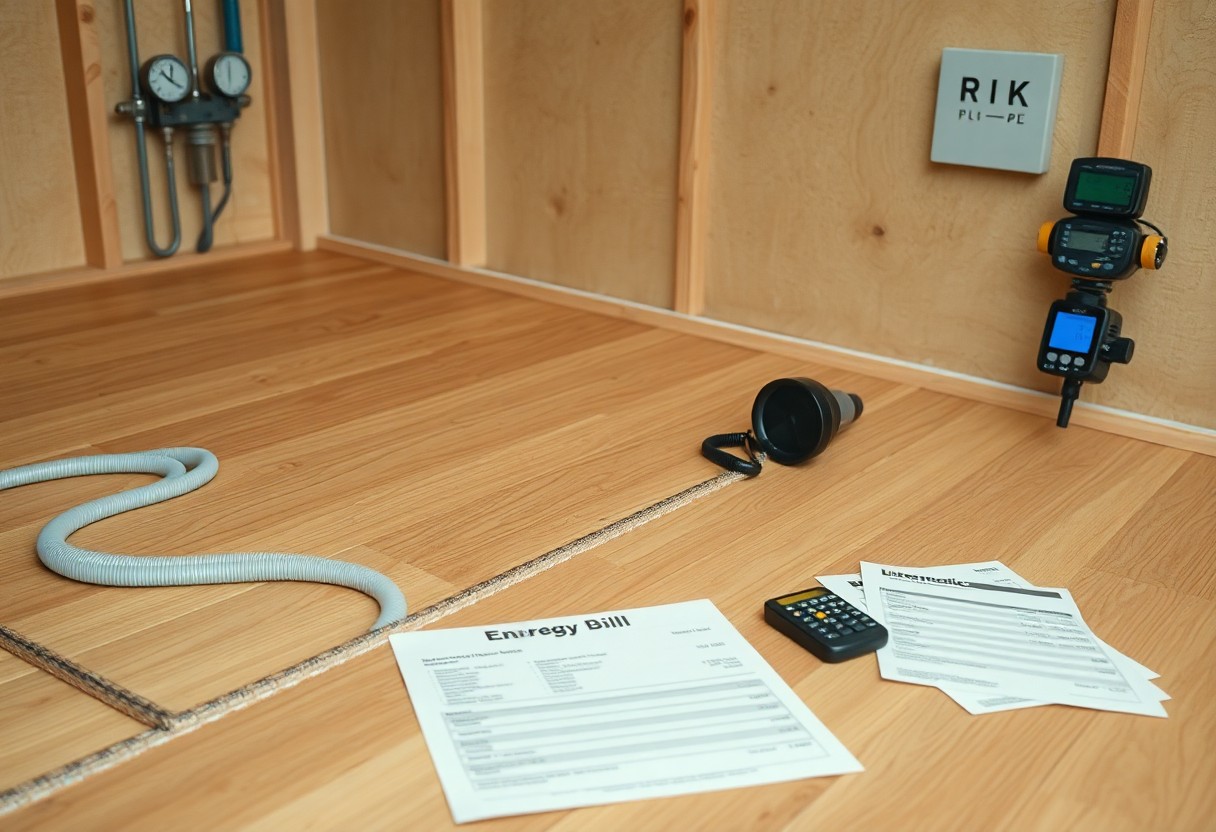
Factors to Consider Before Investing
Home Suitability
Climate Considerations
Expert Opinions and Case Studies
Real-World Experiences
Industry Expert Insights
Real-life Case Studies
Successful Implementations
Common Challenges Faced
Summing up
Final Words
FAQ
Q: What are the main types of underfloor heating and how do they differ?
Q: Is underfloor heating more economical to run than conventional radiators?
Q: What are the installation costs and how disruptive is the work?
Q: How does underfloor heating affect floor coverings and occupant comfort?
Q: Will underfloor heating add property value and what maintenance is required?