
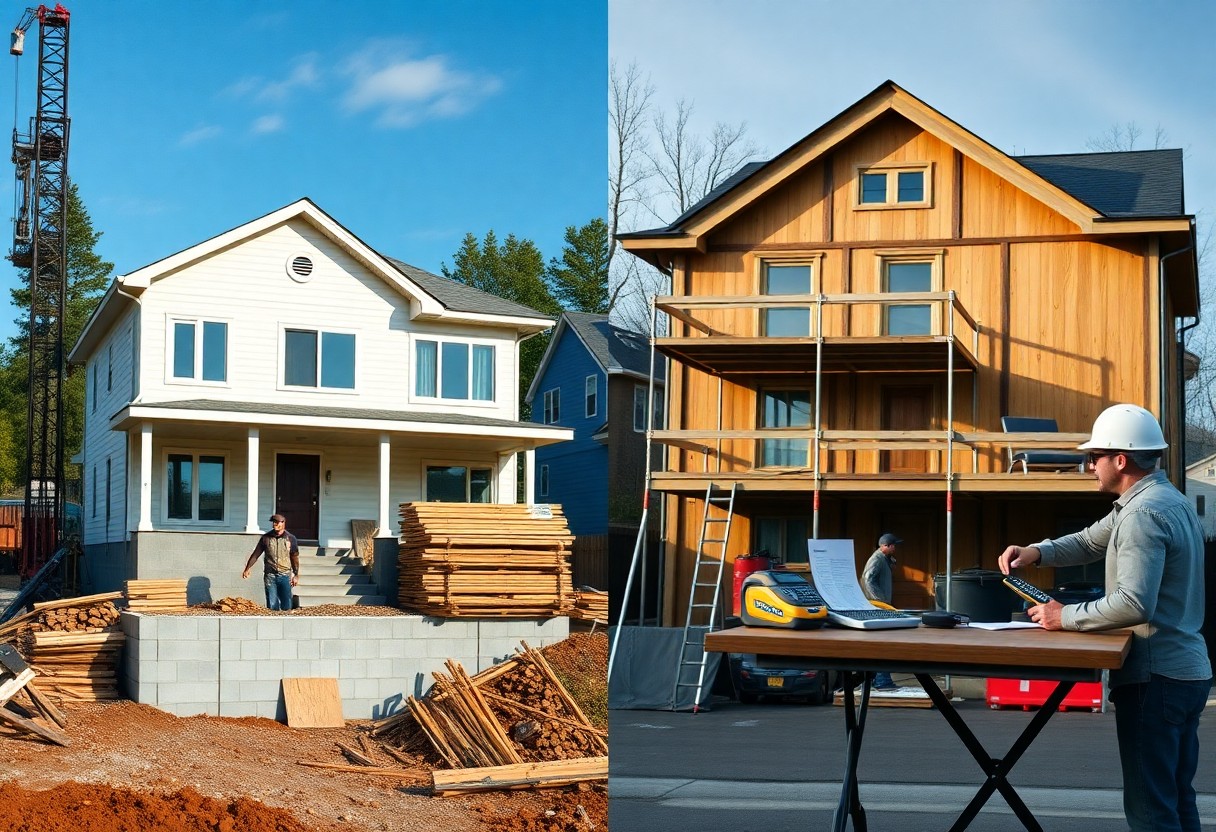
You must weigh upfront costs, hidden dangers like structural surprises and delays, and long-term value when deciding whether a new build or renovation is more cost-effective; your site, planning constraints and desired finish determine whether you save money now or over the lifetime of the property.
Understanding New Builds
When weighing new builds you should factor in the full process: land acquisition, planning, and construction, which typically takes 6-18 months for a single house and longer for larger developments; you also face higher upfront capital but benefit from modern compliance with Building Regulations and often NHBC 10-year warranties that mitigate post-completion risk.
Definition and Overview
A new build is a property constructed from scratch, either as a developer-led scheme or a bespoke self-build, requiring planning permission, site services and building-control sign-off; in practical terms you’re buying a property with new mechanical and electrical systems, full insulation, and warranties rather than inheriting unknown defects common in older stock.
Benefits of New Builds
You gain modern layouts, improved thermal performance and fewer initial maintenance needs, which can translate into lower running costs-often 20-40% less energy use than pre-1990 homes-and the peace of mind from manufacturer and NHBC cover that reduces your exposure to hidden repair bills.
For example, mechanical ventilation with heat recovery (MVHR), A-rated boilers and high-spec insulation can cut heating demand by 30-50% versus 1960s construction; however, new builds commonly trade at a 5-15% premium per m² over nearby older properties, so you must balance long-term energy and maintenance savings against the higher initial purchase or build cost.
Exploring Renovations
Types of Renovations
You can opt for small cosmetic works like decorating and flooring, medium projects such as kitchen refits or loft conversions, or full structural overhauls that reconfigure layouts; typical figures are £2k-£15k for kitchens, £10k-£40k for lofts and £50k+ for major reworks. Any projects involving moving services or altering load-bearing elements require a structural engineer and may need party-wall agreements and building control sign-off.
- Cosmetic
- Extension
- Conversion
- Refurbishment
- Structural
| Scope | From redecorating to full reconfiguration and extensions |
| Cost range | £1,000-£150,000 depending on scale and location |
| Timeline | 1 week-12 months; medium jobs average 6-12 weeks |
| Disruption | Low for decorating, high for extensions (often 3-6 months noisy work) |
| Typical ROI | 50-100% for kitchens/bathrooms; variable for extensions and conversions |
Benefits of Renovating
You’ll often increase resale value by 5-20% with targeted refurbishments; kitchen and bathroom refits commonly return 60-80% of spend, while energy upgrades (insulation, double glazing) can reduce bills by up to 30%, making energy efficiency and market appeal the primary benefits.
In a Midlands semi case, a £25,000 kitchen plus insulation improved the EPC from D to B and realised a £40,000 uplift at sale within nine months; you should budget for professional fees (architect £1,000-£5,000, structural engineer £500-£2,000) and a contingency of 10-15% for issues like damp or asbestos, while securing strong warranties and certificates mitigates long-term risk.
Cost Analysis
Upfront Costs Comparison
You’ll typically pay more per square metre for a new build but face fewer unexpected expenses; new builds in the UK average £1,800-£2,500/m², while renovations often start at £800-£1,600/m² but hidden costs such as structural repairs or asbestos can add 20-50% to your budget.
Upfront Costs at a Glance
| New build | Renovation |
|---|---|
| Typical £1,800-£2,500/m²; includes developer fees, VAT on certain items, and finishes; warranties reduce early repair risk. | Typical £800-£1,600/m²; lower base cost but frequent provisional sums of 10-30% for surprises like structural work or contamination. |
Long-term Financial Implications
Over 20 years, you’ll likely spend less on maintenance and energy with a new build: modern insulation and ventilation can deliver 20-30% lower heating bills, and NHBC-style warranties often cover major faults for the first decade; renovations can offer rapid value uplift from targeted works but carry ongoing repair exposure.
For example, a £60,000 two-storey extension on a £300,000 house that boosts value by 15% adds £45,000-leaving you with a £15,000 net investment, whereas buying a new-build at a higher price may save on immediate repairs but increases mortgage interest over 25 years; you should also factor in EPC improvements, which frequently raise saleability and can increase value by several percent, and the impact of borrowing costs on total ownership.
Factors Influencing Costs
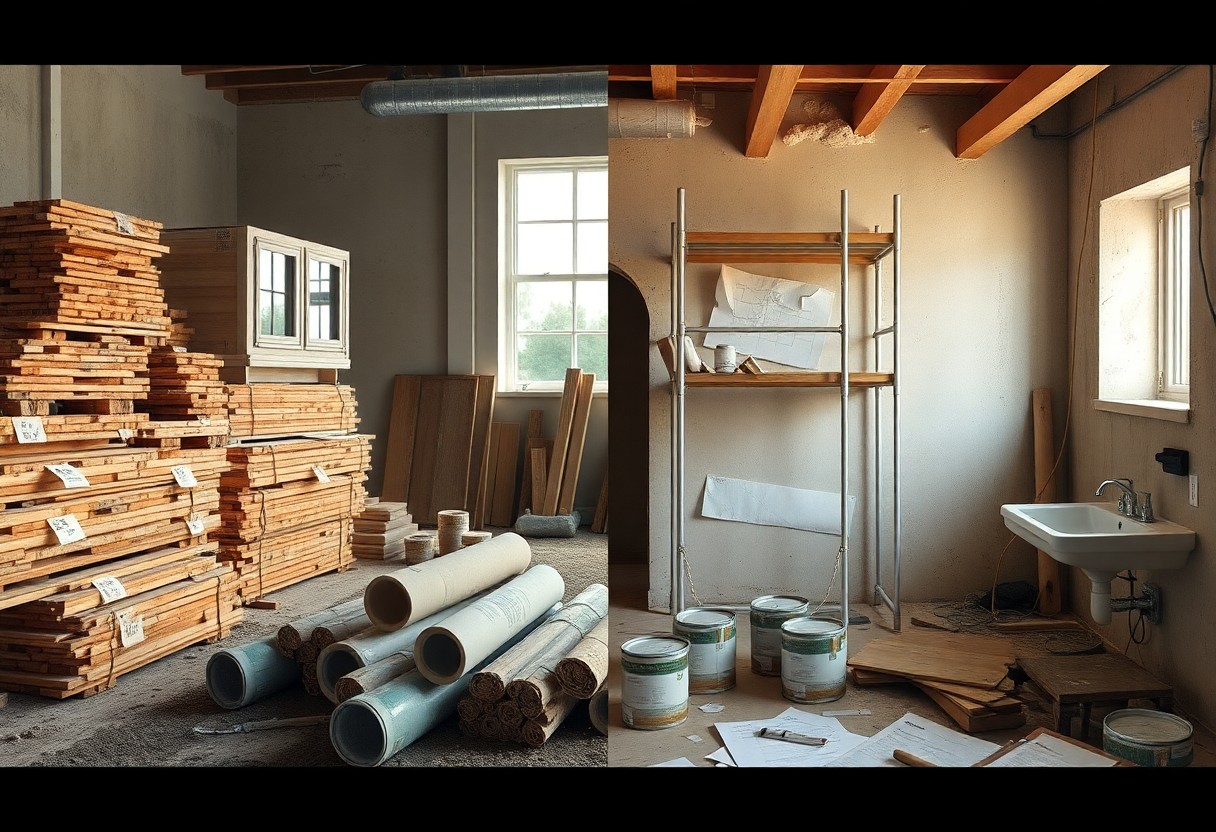
Costs hinge on project scale, planning, existing condition and the finishes you choose; for example a 50 m² extension commonly costs £40,000-£80,000, while a full new build often sits around £1,200-£2,100/m² depending on specification. You should allow contingencies of 10-30% for a renovation because of hidden defects and account for VAT and differing rates for materials and labour. After assessing these variables you can more accurately weigh cost-effective options between a new build and a renovation.
- Location and market dynamics
- Project size and scope
- Planning, permits and timescales
- Materials quality and labour skill level
- Hidden condition risks and contingency allowances
Location and Market Trends
Where you build has a direct impact: central London can add a 20-40% premium to costs versus regional areas, while many northern regions are typically 15-30% cheaper. You’ll face higher contractor rates and longer procurement lead times in hot markets, and planning delays of 6-12 months can inflate budgets through rising material and labour prices; using local builders with established supply chains can reduce those risks and holding costs.
Quality of Materials and Labor
Specifying higher-grade materials and experienced trades increases upfront spend but can cut lifecycle expenses: for instance, oak windows may add £2,000-£6,000, while premium boiler systems can cost £1,500-£4,000 but save energy and maintenance costs. You should expect skilled labour to command 10-40% higher hourly rates yet deliver fewer defects and quicker completion.
To make decisions, compare product lifespans and warranties: spending an extra 10-15% on durable roofing or insulation can extend service life by 15-30 years and reduce maintenance bills; factor in resale uplift from high-spec finishes and check contractor guarantees and certification to protect against post-completion liabilities.
Environmental Considerations
Buildings account for around 40% of global CO2 emissions, so your choice between new build and renovation significantly affects the planet. New construction often carries high embodied carbon from concrete and steel, while refurbishment preserves that existing carbon and cuts waste. You should weigh operational savings from modern systems against the upfront emissions of materials and transport when calculating whole‑life carbon.
Sustainability of New Builds
You can achieve very low operational emissions with new builds by adopting Passivhaus principles, high levels of insulation, triple glazing and heat pumps; for example, heat pumps can reduce heating emissions by up to 60% versus a gas boiler depending on grid intensity. Choosing timber frames and low‑carbon concrete can lower embodied carbon by around 30-50%, but material choice and transport still present major emissions.
Eco-Friendliness of Renovations
You retain the original embodied carbon when you refurbish, often cutting CO2 by an estimated 30-60% compared with demolition and rebuild; simple measures like loft insulation, cavity fill and draught‑proofing typically deliver rapid energy savings and payback. Be aware that older properties may contain hazardous materials such as asbestos, which adds cost and risk during works.
Deep retrofit case studies show substantial wins: whole‑house programmes using EnerPHit or fabric‑first approaches have delivered heating demand reductions of 60-90% in some projects, while avoiding demolition waste and new material emissions. You should factor in grant schemes and staged upgrades to spread cost, but accept that technical limits and ventilation needs can constrain how close a retrofit gets to a new‑build standard.
Personalization and Flexibility
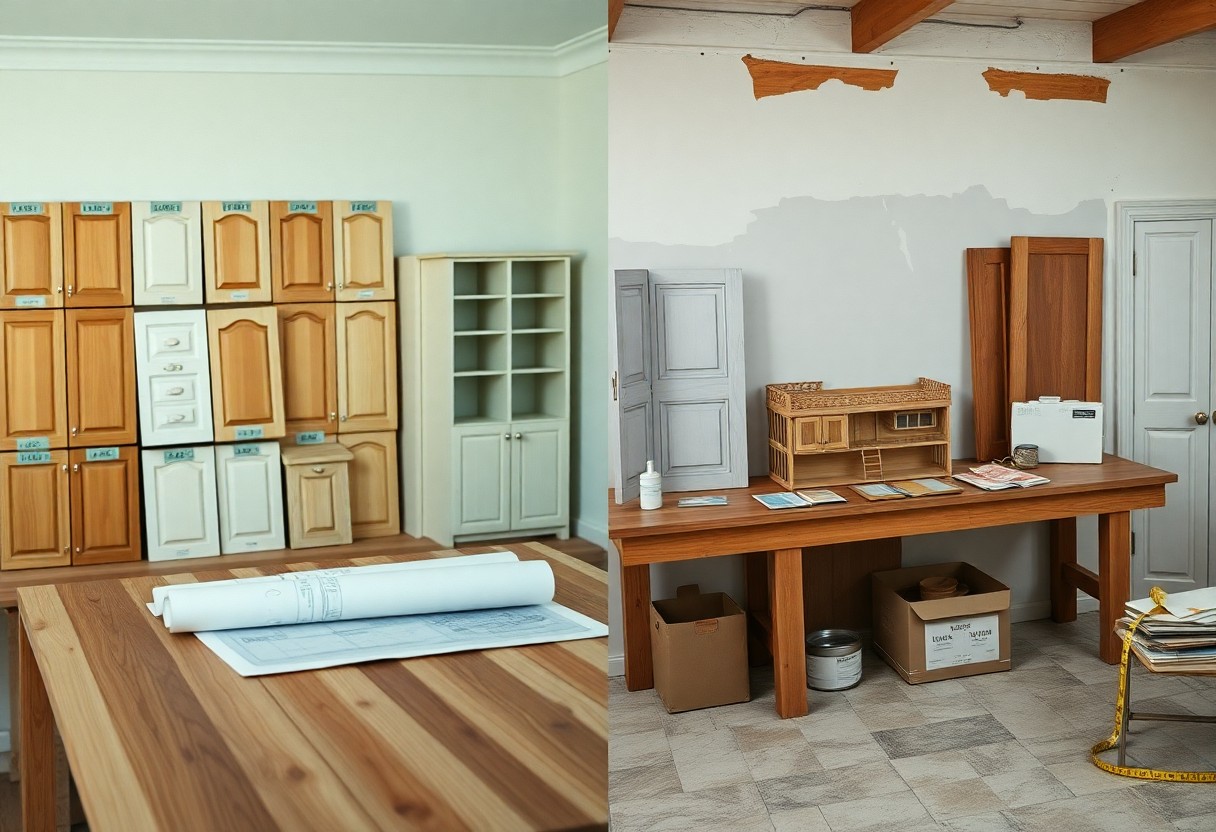
When weighing options, you’ll find new builds offer far greater scope to embed features like open-plan footprints, integrated MVHR or solar-ready roofs without costly retrofits, while renovations often force compromises due to existing layouts and unseen fabric. If you plan to future-proof for accessibility or EV charging, factoring these in at the design stage usually costs 5-15% more than a basic shell but avoids expensive later works that can exceed that premium.
Customization in New Builds
You can specify everything from room sizes to wiring routes, and achieve higher energy performance-many bespoke new homes reach EPC A with 20-30% lower running costs than older stock. Planning and build typically take 12-18 months, and choosing features early (underfloor heating, larger service voids) often saves thousands compared with retrofits; plus you gain the NHBC 10-year warranty and clearer snagging remedies.
Limitations of Renovation Projects
You frequently face constraints: party-wall rules, planning for extensions, and hidden elements like asbestos or damp that can force design changes. Surveys may miss problems; therefore industry advice is to hold a 10-20% contingency, because unexpected structural repairs or compliance upgrades can quickly inflate budgets and timelines.
For example, removing a chimney breast or altering load-bearing walls can require a RSJ/steel beam and temporary supports, costing from several hundred to several thousand pounds and adding weeks to the schedule. Listed or conservation properties demand specialist consent and materials, often increasing costs by 20-40%, and severe hidden decay can mean you must decant during works, adding living costs while contractors address the issue.
Final Words
Ultimately you should weigh initial cost, long-term running expenses, planning constraints and the likely need for remediation: a new build can offer greater energy efficiency and fewer surprises but higher upfront costs and longer lead times, while renovation can be more economical if your structure is sound and you manage unforeseen issues and permits effectively; assess your budget, timescale and resale goals to determine which option delivers the best value for your circumstances.
FAQ
Q: What are the main cost differences between a new build and a renovation?
A: New builds typically allow for predictable, itemised pricing and benefit from economies of scale in materials and labour, plus modern thermal standards that reduce running costs. Renovations often incur lower upfront land and demolition costs but can suffer from unpredictable hidden defects (structural issues, damp, asbestos) and the expense of bringing an older property up to current standards. Professional fees, building regulations compliance, and potential VAT treatment vary between options, so obtain detailed cost plans and allow a contingency of at least 10-20%.
Q: When is renovation more cost-effective than building new?
A: Renovation is often more economical when the existing structure is sound, the site is in a desirable location where land value is high, and only modest alterations are required. Retaining the existing footprint can avoid demolition and reduce planning hurdles, and preserving period features can add market appeal. Renovation becomes less cost-effective when major reconfiguration, extensive structural work or serious hidden defects are likely, as these can rapidly erode initial savings.
Q: When is a new build likely to be the better financial choice?
A: A new build is usually preferable when you need significant additional space, a complete redesign, or highest possible energy performance. It can offer lower maintenance costs, modern warranties, and efficiencies in construction and materials. If the site is clear or replacement is permitted by planning, and the local market supports new properties at a premium, the predictable build cost and long-term savings on utilities can make new construction the more cost-effective route.
Q: What hidden costs should I budget for either option?
A: Hidden costs include detailed surveys and site investigations, party wall awards, specialist remedial work (foundations, drainage, contamination), statutory fees (planning, building control), professional fees (architect, engineer, QS), temporary accommodation, utility connections or upgrades, landscaping, and VAT where applicable. Allow contingency for delays and scope changes, and factor in potential market fluctuations in materials and labour.
Q: How should I decide which option offers the best value for my situation?
A: Commission a full building survey and cost estimate for renovation and a comparative budget for a new build. Obtain multiple contractor quotes, a schedule of works and lifecycle running-cost projections (energy, maintenance). Check local market values to ensure the finished property will achieve the required resale or rental return. Consider time, disruption, planning risk and funding availability. Use these data to compare cost per square metre, total project risk, and long-term returns before deciding.