
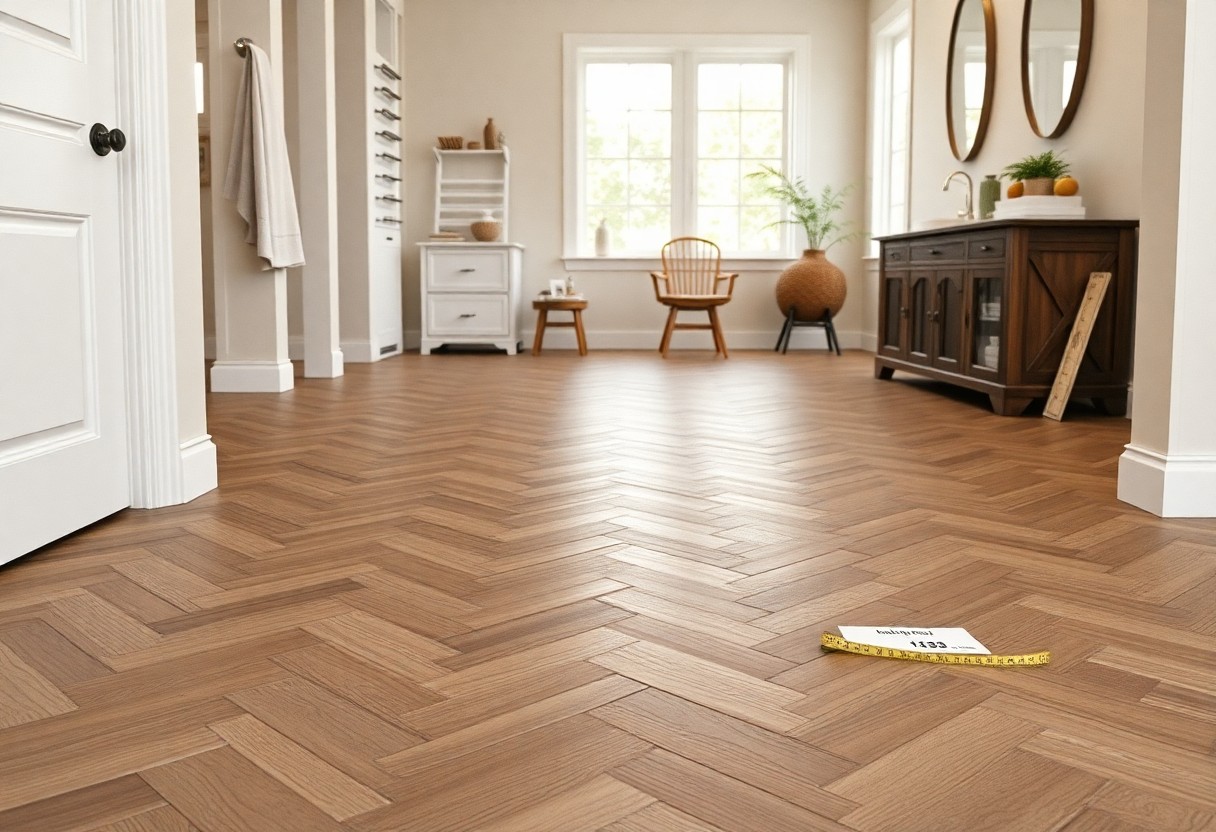
There’s a lot to weigh when selecting tiles for your home; you need to match style with function, so measure your space and budget, choose the right material for each room and check slip resistance where water is likely. Consider finish, maintenance and colour to ensure longevity – favour durable and low-maintenance options in high-traffic areas, and test samples in your lighting before committing.
Understanding Tile Types
Tiles differ by material, finish and performance: ceramic is kiln‑fired clay, usually glazed for colour variety; porcelain has very low water absorption (<0.5%) making it suitable for floors and outdoors; and natural stone offers unique veining but is porous and needs sealing. You should match tile choice to traffic, moisture and maintenance needs with facts like PEI 4-5 for busy floors and 6-10 mm typical tile thickness. Assume that you balance appearance, budget and technical specs such as slip rating when deciding.
- Ceramic
- Porcelain
- Natural Stone
- Mosaic
- Terracotta
| Ceramic | Glazed surface, best for walls and low‑traffic floors; affordable, PEI commonly 1-3; thickness ~6-8 mm. |
| Porcelain | Dense, often rectified, <0.5% water absorption, frost‑resistant and suited to heavy traffic; common sizes 300-600 mm. |
| Natural Stone | Marble, granite, slate – each with unique veining; porous so requires sealing every 1-2 years and careful maintenance. |
| Mosaic | Small tiles (glass/ceramic/stone) ideal for wet areas and decorative panels; slip resistance varies by finish and grout choice. |
| Terracotta / Cement | Rustic look, highly absorbent and needs sealing; durable when sealed but higher maintenance than porcelain. |
Ceramic Tiles
You’ll find ceramic tiles are economical and versatile, with glazed finishes that resist stains on walls and light‑use floors; typical PEI ratings are 1-3 for most ceramic wall tiles. If you need floor coverage in low‑traffic rooms, choose thicker glazed ceramics or higher PEI models, and expect cutting with standard tile cutters rather than specialised tools.
Porcelain Tiles
Porcelain gives you exceptional durability and low water uptake, so it’s common in kitchens, bathrooms and exteriors; many tiles meet frost‑resistant standards and handle underfloor heating. You should pick PEI 4-5 for hallways and open plan living, and consider rectified edges for tighter joints and a contemporary finish.
Beyond basics, you can opt for full‑bodied porcelain if you need chips to be less visible, or polished porcelain for a refined look-though polished surfaces may reduce slip resistance, so check R‑ratings; R9-R11 cover most interiors while wet outdoor areas often require R11+. Installation often uses 3-6 mm grout joints with a flexible adhesive suited to tile size and substrate.
Stone Tiles
Stone tiles such as marble, granite and slate provide distinctive patterns and durability, but you must expect regular sealing and occasional polishing. You should match stone type to use-granite for heavy traffic, marble for low‑traffic elegant spaces-and verify slip ratings for wet areas before specifying.
For more detail, note that granite typically has low porosity and high compressive strength making it ideal for kitchens and floors, while marble absorbs more and can etch from acids; seal stone at least annually or every 6-24 months depending on use, and test a small sample with cleaning agents. When installing, allow for natural variation in tone and pattern and use a qualified tiler familiar with cutting and laying irregular veining to avoid visual defects.
Factors to Consider When Choosing Tiles
You should weigh functional and visual priorities: check PEI ratings (PEI 3+ for kitchens, PEI 4-5 for high-traffic), water absorption for wet areas (<0.5% for porcelain), and slip resistance (R9-R13 or pendulum >36) when selecting tiles. Compare costs per m² – porcelain often £20-£60/m² versus natural stone £40-£150/m². Thou choose based on use, budget and style.
- Durability
- Maintenance
- Aesthetics
- Cost
- Slip resistance
- Size & format
Durability
You should prioritise durability: porcelain’s low water absorption (<0.5%) and PEI 4-5 ratings suit hallways and kitchens, while ceramic with PEI 3 is fine for bathrooms and living areas. Thicker tiles (8-10mm) and rectified edges reduce breakage; for a busy household (>20,000 annual footfalls) favour porcelain or natural stone with a hard finish.
Maintenance
You’ll find maintenance varies by material: porcelain and glazed ceramic clean with pH-neutral cleaners and seldom need sealing, but natural stone and unglazed tiles require sealing every 12-24 months and grout protection. Avoid acidic products on marble or limestone; use soft brushes on joints and consider epoxy grout where staining risk is high.
Apply a penetrating sealer to natural stone following manufacturer guidance-test on a 0.5m² area first; expect absorption reduction of up to 90%. For grout, use a silane or siloxane sealer and reapply sooner in wet rooms. In rentals, a yearly check prevents permanent staining and reduces long-term restoration costs.
Aesthetics
You should weigh size, finish and pattern: large format tiles (600×1200mm) open space visually, while 100-150mm mosaics add character to showers. Choose grout colour to blend for a seamless floor or contrast for a grid effect; pick matte or gloss finishes to control reflectivity and slip perception.
Consider practical pairings: pair wood-look porcelain planks (150×900mm) with warm tones and use rectified edges with 2mm joints for a contemporary look. Order at least 1m² of samples and view across daylight and artificial light; colours can shift by 5-10% under different lighting, affecting your final choice.

Tips for Selecting the Right Size and Shape
You should favour larger formats to simplify maintenance and create a sense of space: think 1200×600mm for open-plan living and 600×600mm for smaller kitchens, while mosaics like 20×20mm suit curves and shower trays. Diagonal or staggered layouts change perception of length and width; keep grout lines to 1.5-3mm for a seamless look. Assume that you match tile shape to furniture lines and doorways to avoid odd cuts.
- tiles: choose format by room size and traffic
- size: common options 1200×600mm, 600×600mm, 300×300mm
- shape: rectangular for flow, square for symmetry
- grout: 1.5-3mm for a modern, continuous surface
Room Dimensions
For rooms under 10m² you should favour large-format tiles like 600×600mm to reduce visual breaks; in spaces larger than 15m² you can go to 1200×600mm for continuity. If a room is narrow, lay long rectangular tiles parallel to the length to elongate, or on the diagonal to widen perception; keep grout lines tight (1.5-3mm) to avoid a busy look.
Design Theme
Match tile pattern and texture to your theme: rustic spaces suit honed stone-effect tiles, contemporary homes favour large matte porcelain, and period properties work well with encaustic-style mosaics; you should select scale so motifs aren’t overwhelmed-smaller repeats for compact rooms, larger motifs for open-plan areas.
When you define a theme, test samples in situ-place a 300×300mm sample against paint and furniture at different times of day to check colour and sheen; many homeowners choose matte porcelain for kitchens because it is hard-wearing and less porous, and pick an R10 or higher finish for wet zones to reduce slip risk. Carrying one tile into adjacent rooms or adding a 50-100mm contrasting border helps maintain flow.
Color and Pattern Considerations
Balance matters: aim for a 60/30/10 split-60% neutral base, 30% secondary tones, 10% bold feature. Choose tile formats to control pattern impact (600×600mm or 600×1200mm for a calm, expansive look; 100×100mm mosaics or 100×300mm subway for texture). If your room is under 10m², avoid overly busy patterns which make the space feel cramped; conversely, a single patterned wall or 10-25% accent area adds interest without overwhelming.
Color Psychology
Blue and soft greens lower stress and suit bathrooms; warm terracotta or ochre energise kitchens and dining areas. Use bold hues like red or deep orange as 10-20% accent-backsplashes or feature tiles-to stimulate appetite without dominating. Neutral greys and beiges create a versatile backdrop that increases appeal to visitors and buyers, while darker tones can make expansive rooms feel cozier when paired with adequate lighting.
Trends vs. Timeless Choices
Adopt trends-terrazzo, large-format matte tiles, or geometric encaustic prints-in small, replaceable areas such as splashbacks or feature walls; keep the rest classic with subway tile or stone-look porcelain (300×600mm or 600×600mm) for longevity. Timeless choices help maintain resale appeal, whereas overcommitting to a fad risks dating your space quickly.
For deeper planning, mix a trending tile as a framed panel or a 1.2m-high splashback so you can update it later without retiling the whole room. Consider maintenance: patterned grout needs more upkeep, while large-format porcelain reduces cleaning by minimising joints. When matching fixtures, matte black complements bold patterns, and warm brass lifts neutral stone-look tiles-use these pairings to control perceived value and longevity of your scheme.
Where to Use Different Tiles
Kitchen and Bathroom
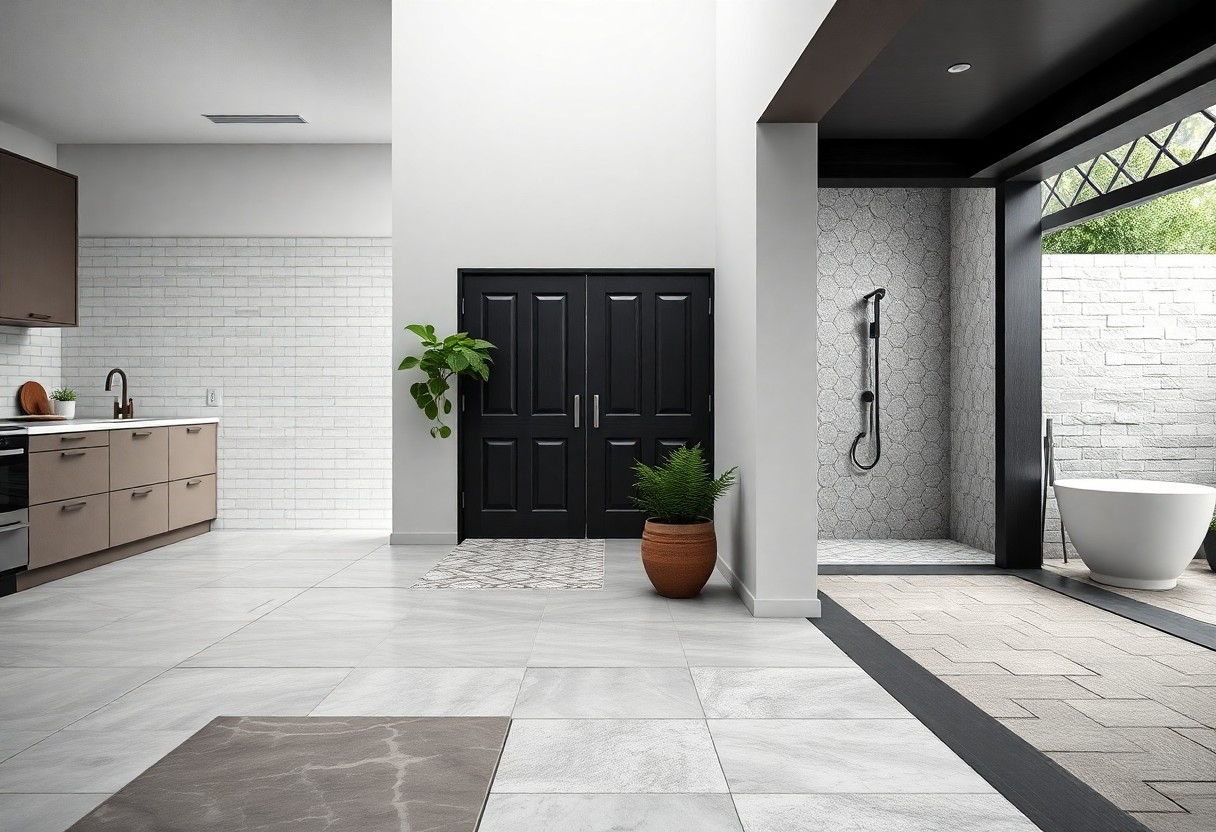
In kitchens and bathrooms you should prefer glazed porcelain or fully vitrified ceramic with water absorption below 0.5% to avoid staining and frost damage. For floors select PEI 4-5 for heavy use and an anti-slip rating of R10 or higher in shower zones; mosaics (25×25 mm) work well for falls, while 300×600 or 600×600 mm tiles suit open kitchen floors. Also seal grout and confirm compatibility with underfloor heating for longevity.
Living Spaces and Outdoor Areas
For living spaces choose durable porcelain or high-quality ceramic with PEI 3+ for moderate traffic, such as 150×900 wood-look planks or 600×600 large formats for open-plan rooms. Outdoors, opt for 20 mm frost‑resistant porcelain pavers or purpose-made external tiles with water absorption under 0.5% and an anti-slip rating of R11 or above to reduce slip risk on wet surfaces.
When specifying outdoor installations you must ensure a stable, drained substrate and a gentle fall of around 1-2° for water run‑off; consider pedestal systems for balconies and a bonded mortar or pedestal installation for patios. Internally use 8-10 mm thick tiles, leave appropriate movement joints at changes of plane, and choose adhesives and grouts rated for external use to maintain performance through freeze-thaw cycles and heavy use.
Installation Considerations
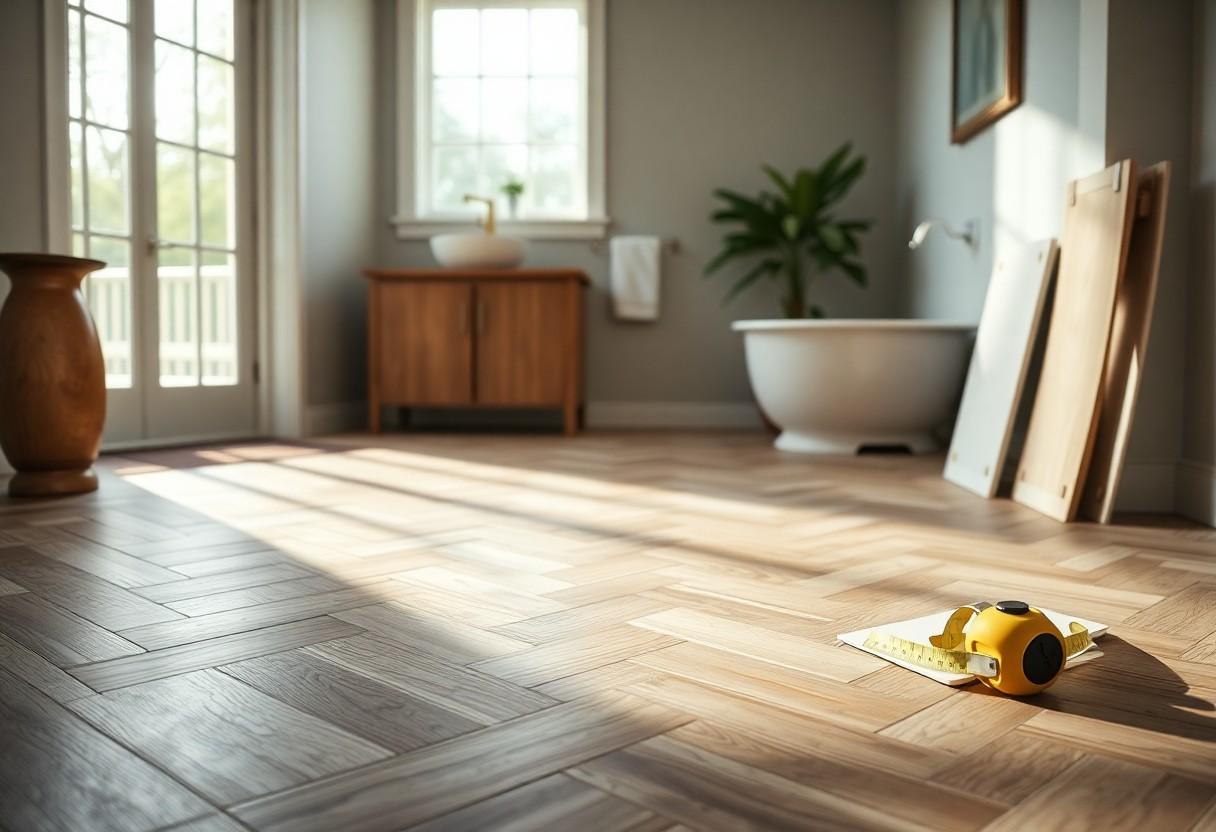
Substrate quality dictates outcome: if your screed or plywood isn’t flat to within a few millimetres, large format tiles (eg 60×60 cm) will show lippage and may require self-levelling compound or a battens system; natural stone needs specific primers and silicone joints, while wet areas demand waterproofing membranes and correct falls to drains. You should factor in movement joints, tile orientation to room lines, and slip ratings for floors to avoid expensive rework and safety issues.
DIY vs. Professional Installation
You can save roughly 30-50% on labour by tiling yourself, but gain speed and guarantees by hiring a pro: a 10 m2 bathroom can take an amateur several weekends yet a skilled tiler finishes in 1-2 days. Tools like tile saws, levelling systems and proper trowels matter, and mistakes with waterproofing or screed can cost far more than the labour you saved; common failings are uneven joints and poor grouting, so weigh time, skill and warranty.
Cost Implications
Costs break down into tiles, adhesives, grout, labour and preparatory works; tiles range widely (eg £15-£60/m2 for common porcelain), adhesives/grout about £5-£10/m2, and labour typically £25-£60/m2 depending on complexity. Always add a waste allowance of 5-10% and budget for substrate repairs or waterproofing membranes, which can be the most expensive items after labour.
For example, a 10 m2 mid-range porcelain job at £30/m2 gives tile cost £300; adhesives/grout ~£80; labour at £40/m2 ~£400; waterproofing ~£150, totalling ~£930 excluding trims and delivery. You can reduce spend by sourcing surplus tiles at trade prices, coordinating trades to avoid double-ups and obtaining three competitive quotes-and always factor in a small contingency for unforeseen subfloor repairs.
Summing up
Ultimately you should weigh durability, maintenance, style and budget to choose tiles that suit your lifestyle and the room’s use; consider slip resistance for wet zones, sample tiles in natural light, match grout and layout to scale, and select a finish and size that enhance your home’s aesthetic while offering long-term performance.
FAQ
Q: How do I choose the right tile material for each room?
A: Match tile material to the room’s conditions and use. Porcelain is dense, low-absorption and hard-wearing, making it ideal for floors, wet rooms and outdoors where frost resistance is required; ceramic glazed tiles suit most walls and low-traffic floors; natural stone (marble, slate, limestone) offers unique character but usually needs sealing and more maintenance, so reserve it for areas where its look is worth the upkeep; glass and mosaic tiles are best for decorative splashbacks and small showers. Check water absorption values (porcelain typically < 0.5%) and installer advice for compatibility with underfloor heating.
Q: What tile size, shape and format should I pick for a room?
A: Consider room size, layout and the visual effect you want. Large-format tiles (greater than 60cm) reduce grout lines and make small rooms appear larger, but require very flat subfloors and precise installation; narrow plank tiles replicate wood and suit long corridors or living areas; mosaics work for curved surfaces and wet zones. Think about tile edge types – rectified edges give a clean, contemporary finish with minimal grout joints, while non-rectified tiles produce a more traditional look. Order samples and lay them out to test scale and pattern before committing.
Q: How important is slip resistance and what ratings should I look for?
A: Slip resistance matters for wet or external areas. Tiles come with manufacturer-provided ratings such as Pendulum Test Value (PTV) and R-ratings; textured matt finishes or anti-slip surfaces are preferable for bathrooms, kitchens and outdoor terraces. For areas regularly exposed to moisture choose tiles specified for use in wet environments and consult technical datasheets or your fitter to confirm suitability rather than relying on appearance alone.
Q: What should I consider about maintenance, sealing and long-term durability?
A: Think about how much cleaning and maintenance you will accept. Glazed porcelain and ceramic are low-maintenance and resist staining; natural stone generally needs sealing on installation and periodic resealing thereafter to protect against stains and etching. Grout type and colour affect how tidy a floor looks over time – darker or grout with stain-inhibitor additives reduces visible discolouration. Use manufacturer-recommended cleaning products and avoid harsh acids on sensitive stones. Check PEI or wear-resistance ratings for suitability in high-traffic areas.
Q: How do I match tile colour, pattern and grout with my home’s style and budget?
A: Start with samples in the room to observe tiles under natural and artificial light; colours and sheen change with lighting. Coordinate grout colour to either blend with the tile for a seamless look or contrast for a defined grid – grout width also affects the final appearance. Balance aesthetic choices against budget: large-format or rectified tiles and premium stones increase material and labour costs, while standard porcelain offers a wide range of looks at lower cost. Factor in wastage (typically 8-15%), delivery from a single batch to avoid shade variation, and professional installation for best results.