
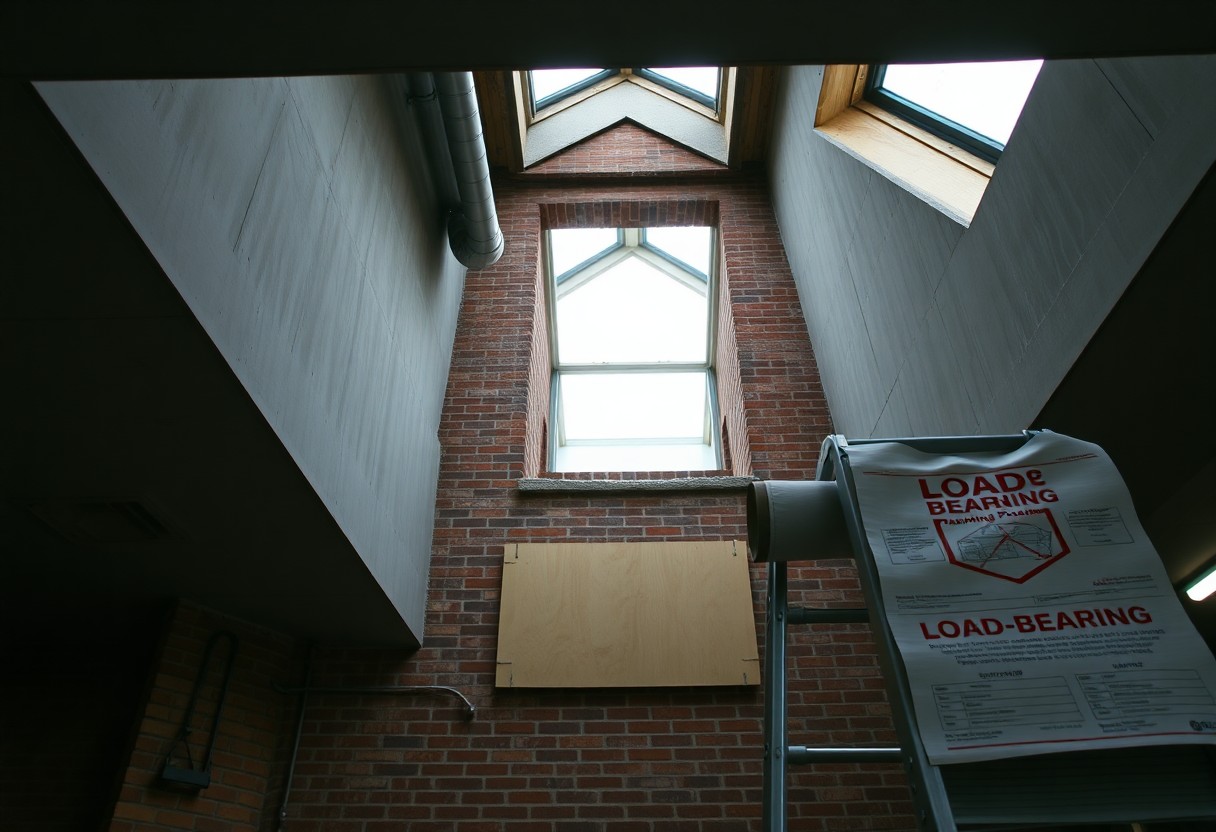
Just because you want extra space doesn’t mean your loft can be converted: insufficient head height, weak rafters or joists, and complex roof geometry often make conversion unsafe, while planning restrictions or party-wall constraints can legally bar work; you should get a structural survey and check local planning policy, consider alternatives such as a dormer, hip-to-gable, side extension or garden room, and consult an experienced architect to map the safest, most compliant route for your project.
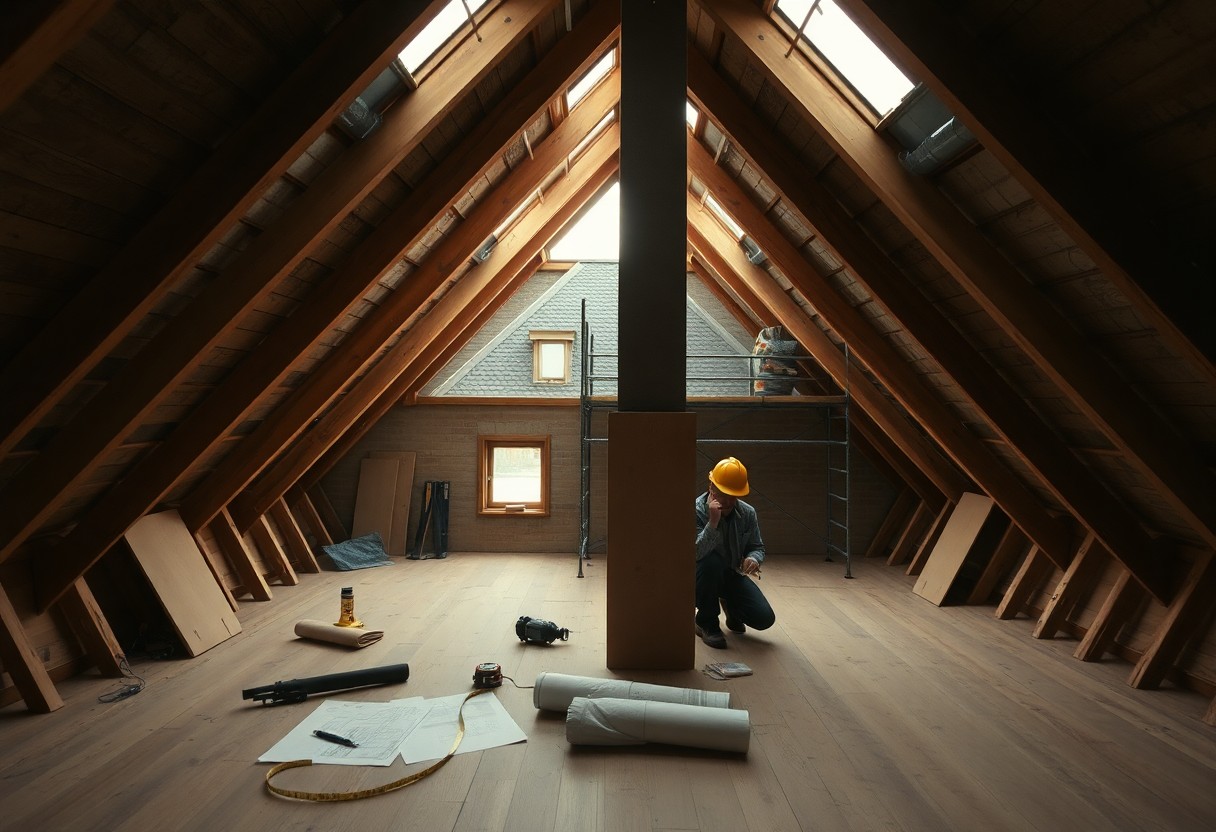
Understanding Loft Conversions
You must balance planning rules, roof geometry and structural capacity when assessing a conversion: for instance, Permitted Development normally allows 40 m³ for terraced houses and 50 m³ for detached/semi-detached, yet an Article 4 direction or conservation area can remove those rights; also consider stair location, insulation, and Party Wall obligations early on.
Legal Limitations
You will often hit legal barriers before construction: listed buildings and conservation areas usually require full planning consent, and the Party Wall Act 1996 means you must serve notices if works affect a neighbour’s wall or excavations near boundaries; councils can refuse or impose conditions that make a conversion unviable.
Structural Concerns
You frequently find the existing roof and joists cannot carry the extra load or provide adequate headroom-many Victorian terraces have internal roof heights under 2.2 metres and light timber joists-so converting without major intervention may be impossible or unsafe, requiring engineer input and significant strengthening.
For more detail, a structural engineer will assess spans, bearing walls and foundations and may specify an RSJ (steel beam), new floor joists or underpinning; simple beam works can be straightforward, but underpinning or rebuilding gables can add £10,000-£30,000 or more to costs. When done correctly a loft conversion can add 10-20% to your property value, but the upfront structural requirements determine whether it’s feasible.
Zoning Regulations
Local Building Codes
When you push ahead with a loft conversion, Building Regulations will govern structure, fire safety and insulation; expect checks against Approved Documents A, B, K and L. You’ll need structural calculations for joists and roof alterations, compliant stairs and smoke alarms, plus U‑value improvements for the roof and party walls. Non‑compliance can trigger enforcement or forced remedial work, so submit a full plans application or building notice and get a qualified structural engineer involved.
Changes in Zoning Laws
Permitted Development limits often determine whether you need planning permission: typically 40 cubic metres for terraced houses and 50 cubic metres for semi‑detached/detached. Your local authority can remove those rights via an Article 4 direction, and conversions in conservation areas or on listed buildings usually require formal consent. Check your site’s status early, since lost PD rights are a common reason plans are refused.
To confirm current rules you must consult your local planning authority or the Planning Portal; many councils offer pre‑application advice. A householder planning application usually costs around £200-£250 and decisions commonly take about 8 weeks, though Article 4 changes or appeals add time. If you’re unsure, obtain written confirmation from the council before committing to structural work.
Historical Preservation Issues
Landmark Designations
If your loft sits within a listed building, conservation area or UNESCO buffer zone-England has around 500,000 listed buildings-you must secure listed building consent before altering historic fabric; local authorities and bodies like Historic England often refuse works that remove original timbers, rooflines or sash windows. Failure to obtain consent is a criminal offence that can lead to unlimited fines and prosecution, so you need early dialogue with the conservation officer and specialist heritage advice.
Historical Building Codes
Historic buildings are judged against standard Building Regulations, but you can pursue alternative, performance‑based solutions where rigid compliance is impractical; fire safety (Approved Document B), access (Part M) and energy (Part L) are the usual sticking points. You should expect requirements for protected escape routes, structural surveys and detailed fire strategies, and in many cases sprinklers, fire detection or upgraded stairs will determine whether your loft conversion is viable.
Practical examples show how to proceed: a Georgian terrace proposal was approved only after a structural engineer retained original roof timbers and an architect specified reversible interventions-secondary glazing, internal insulation and a discreet fire suppression system. Commission a conservation‑accredited architect and structural survey, use pre‑application advice from the council, and prepare to justify deviations with measured performance data and heritage impact statements to get your scheme through.
Common Structural Challenges
Load-Bearing Walls
You often find that a central or party wall supports the roof and upper floors, so if you remove or alter it you must install a supporting beam such as an RSJ or engineered timber lintel; incorrect removal can cause structural collapse. A structural engineer will specify the span (commonly 2-4 m for typical terraces) and temporary propping, and you’ll need Building Regulations approval and possibly party wall agreement before work begins.
Ceiling Heights and Floor Plans
Many lofts only offer limited headroom: to create a habitable room you generally need about 2.2-2.3 m of clear height, so low-pitched roofs or shallow trusses can make conversion impractical without roof works. Staircase position and landing clearances also eat into floor area, so your layout choices are tightly constrained by existing geometry.
Solutions that increase usable height include full-width dormers, hip-to-gable extensions or raising the ridge; a typical full-width dormer can add roughly 1.2-1.5 m of vertical space, while a mansard yields the most floor area but often triggers planning scrutiny and higher costs. You should weigh structural strengthening and planning risk against the extra habitable square metres you’ll gain.
Alternative Solutions for Unconvertible Lofts
If your loft is blocked by a low head height (under about 2.2m), a shallow roof pitch or conservation-area controls, you can still improve your home: consider a rear or side extension, convert an outbuilding, or create usable attic storage. For technical limits and planning examples see What Lofts Cannot Be Converted? A Practical Look at Loft ….
Renovation and Restoration
You can strengthen and refurbish the loft to deliver value without full conversion: structural repairs to joists and rafters, replacing roof felt, and installing insulation depths up to 270mm can improve energy efficiency and EPC rating. Typical minor refurbishments cost from a few hundred to several thousand pounds depending on defects; always get a structural survey and Building Regulations sign-off if you alter load-bearing elements.
Repurposing Spaces
Repurposing often yields the best return when conversion isn’t viable-turn the area into organised storage, a plant room, a hobby loft or a mezzanine reading nook accessed by a folding staircase. Use boarding, insulation and lighting to create a practical space while avoiding full structural changes that trigger planning or party-wall works.
For practical implementation equip the space with 18mm moisture-resistant boarding, ensure floor loadings meet at least 150kg/m², and provide ventilation and smoke detection. You should commission a quick structural assessment to confirm joist capacity and consider removable furniture or modular pods so your solution remains reversible and compliant with fire-escape and insurance requirements.
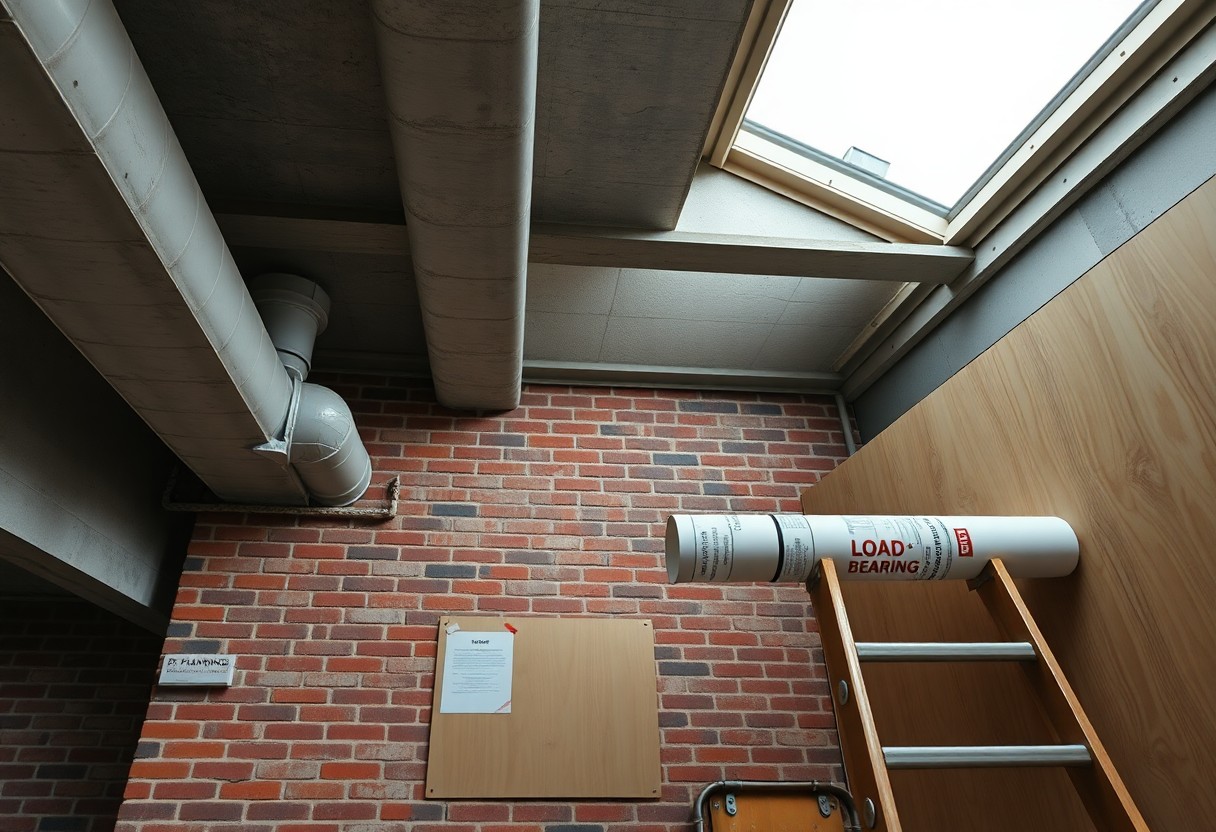
Preparing for Conversion Challenges
When assessing feasibility you must check headroom (aim for at least 2.2 m in the usable area), roof pitch, and permitted development limits (typically 40 m³ for terraced/semi and 50 m³ for detached). You may face party wall issues, insulation upgrades, stair-space constraints and structural steel requirements that render conversion impractical. For real-life queries about classification see Why is the loft room not classed as a 4th bedroom?, and budget for surveys and neighbour disputes.
Consultation with Professionals
You should instruct a structural engineer and an architect or loft specialist for a feasibility report and detailed drawings; expect surveys and plans within 2-4 weeks. Typical engineer fees run £400-£1,200 and architects often charge 5-15% of build costs. Engage building control early and prepare for a party wall award if you share walls, as legal delays and unexpected structural recommendations are common cost drivers.
Financial Planning for Conversions
Estimate realistic build costs-many UK lofts sit between £20k-£60k-and include a minimum 10-15% contingency. Check how funding affects your mortgage valuation and lender criteria, and factor in survey, legal and VAT-like charges so you don’t run short at practical completion.
Consider remortgaging, a second-charge loan or a personal loan and compare APRs and approval times; each option alters monthly payments and total interest. For example, a £35,000 conversion plus 15% contingency (£5,250) totals £40,250-spreading that over 20 years reduces monthly cost but increases interest. Obtain three quotes, confirm lender valuation impacts and reserve extra for structural steel or insulation items that frequently push final bills higher.
Summing up
With this in mind you should accept that some lofts cannot be converted because of insufficient headroom, weak roof structure, planning or conservation restrictions, party‑wall complications or prohibitive cost. Commission a structural survey and consult an architect or planning adviser to assess feasibility and explore alternatives – dormer or rooflights, hip‑to‑gable, lateral extension or garden conversion – and check permitted development, listed‑building consent and party‑wall agreements so you can choose the safest, most economical route for your home.
FAQ
Q: Why might my loft be ineligible for conversion under permitted development?
A: Many lofts fall outside permitted development because they exceed volume allowances, raise the ridge line, extend beyond the existing roof plane on the principal elevation, or lie within a conservation area or subject to an Article 4 direction; in such cases submit a full planning application, reduce the proposed footprint or height, use rooflights instead of dormers, or pursue pre-application advice from the local planning authority to identify acceptable design adjustments.
Q: What structural problems commonly prevent loft conversions and how can they be handled?
A: Issues include trussed rafters that restrict headroom, insufficient existing ceiling joists to carry additional loads, and roof forms that do not allow a usable floor area; commission a structural engineer survey to assess whether replacing trusses, installing steel beams or strengthening joists is feasible, or consider alternative approaches such as a room-in-roof conversion with limited interventions or adapting other parts of the house (cellar or ground-floor extension).
Q: How do conservation area or listed building controls affect loft conversion plans?
A: Listed status and conservation area controls often limit external alterations, roofline changes and visible additions; obtain listed-building consent where necessary, work with conservation officers to specify sympathetic materials and discreet rooflights, or focus on internal reconfiguration that preserves character if external changes are likely to be refused.
Q: What compliance issues related to means of escape, insulation and services can stop a loft being converted, and what are the remedies?
A: Building regulations require adequate means of escape, appropriate fire separation, thermal performance and safe stair access; if the existing layout cannot accommodate a compliant stair or protected routes, redesign the staircase, reduce the number of new sleeping rooms, introduce fire-resistant linings or provide additional escape windows, and appoint a building control body early to clarify necessary measures.
Q: Can neighbour objections or party wall matters prevent a loft conversion and what steps should I take?
A: Neighbour objections can delay planning decisions and party wall disputes can halt works; serve party wall notices and, if required, obtain a party wall award by agreement or via surveyors, engage neighbours early with drawings to reduce opposition, consider a pre-application consultation to address concerns, and seek legal or surveyor advice to resolve disputes before construction begins.