
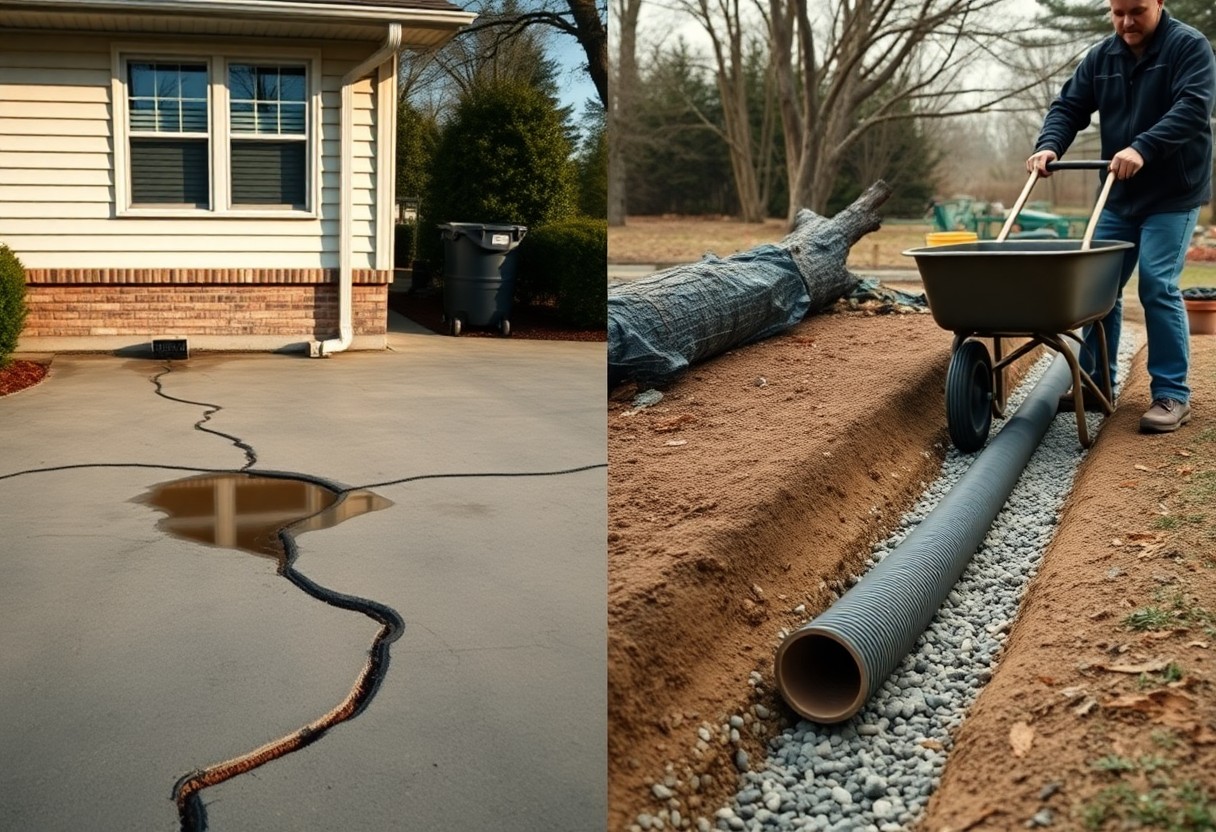
Plumbing problems often begin with subtle signs you can spot early: slow drains, gurgling or persistent foul odour, minor surface dampness or mould and occasional sink overflow; you should inspect traps, use a plunger, a drain snake or enzyme cleaners and adopt regular maintenance to prevent recurrence. If you notice water backing up or structural wetting, call a professional plumber immediately to avoid serious damage.
Understanding Drainage Issues
You’ll often face problems when surface run‑off, compacted soil and hidden blockages combine; common causes are blocked drains, root intrusion and grease congealing in pipes. In urban properties small obstructions can escalate within weeks, raising the risk of sewage back‑up and structural damage to foundations. If you monitor gullies and flows quarterly and record reduced discharge rates, you spot issues earlier. Assume that acting promptly reduces repair costs and health risks.
Common Early Signs of Drainage Problems
If you notice slow sinks or baths, gurgling from soil pipes, or a persistent foul odour, those are often the first indicators; for example, a sink that takes longer than 30 seconds to empty usually signals a partial blockage. Gardens showing standing water or regular soggy patches after light rain point to poor sub‑surface drainage, and increased pest activity can follow. Assume that small signs within 48 hours may indicate larger blockages.
- Slow drainage
- Gurgling
- Foul odour
- Standing water
- Frequent backups
Factors Contributing to Drainage Issues
You should consider soil type-clay soil holds water, sand drains quickly-alongside ageing materials, poor installation and trees whose roots seek moisture; clay pipes and joints commonly fail after 40 years. Heavy, more frequent storms increase surface run‑off, while poor gradient and compacted backfill reduce flow velocity and encourage blockages, especially where vehicle loading compresses ground over shallow drains. Assume that addressing gradients, vegetation and pipe material will lower recurrence.
You can target inspections where risk is highest: properties with mature poplars or willows, sites with recent heavy vehicle access, and houses built before the 1980s with clay or cast‑iron drains. CCTV surveys reveal root ingress and bellied pipes; a 90-120 minute inspection typically locates defects and informs whether sectional repair or full replacement is needed. Assume that prioritising these high‑risk points prevents repeat failures.
- Tree roots
- Clay soil
- Ageing pipes
- Poor gradient
- Blocked gutters
How to Identify Drainage Issues
When you notice persistent water pooling after 12-24 hours, repeated slow sinks in lawns or patios, or a foul odour near drains, these often indicate drainage issues. You may hear gurgling from pipes, see moss thriving on paths, or find humidity in basements above 60% suggesting a failing sump pump or blocked drains. Photographing defects and measuring ponding depth (over 2 cm) helps track progression and assess urgency for repairs.
Tips for Homeowners
Inspect gutters monthly and clean them at least twice a year, keep downpipes clear and extend outlets at least 1-2 metres from foundations, and check yard falls so soil slopes away by roughly 50 mm over the first metre. Test drainage after heavy rain and log recurring problem spots for professionals. Assume that quick action on a blocked drain or regrading near the foundation prevents costly repairs later.
- Clear leaves from gutters and downpipes twice yearly
- Use a probe or CCTV to locate blocked drains every 2-3 years
- Maintain a minimum fall of 50 mm per metre away from your foundation
Signs to Look for Around Your Property
Check for soggy patches within 1-4 metres of your home, settled paving dropping 10-20 mm, or new vertical cracks in walls wider than 3 mm, all of which point to poor surface or sub-surface drainage. You might also see garden beds washing away, tree roots lifting drains, or overflowing gullies during a 20-30 mm downpour-each sign revealing different causes and urgencies for repair.
Further inspection should include probing soil near problem areas to see if it remains saturated 24 hours after rain, testing for sewage smells that indicate a blocked foul line, and noting if basement dampness increases by more than 10% relative humidity after storms; a professional CCTV survey typically costs around £150-£300 and can confirm blocked drains or collapsed pipes requiring urgent work.
How to Fix Drainage Problems
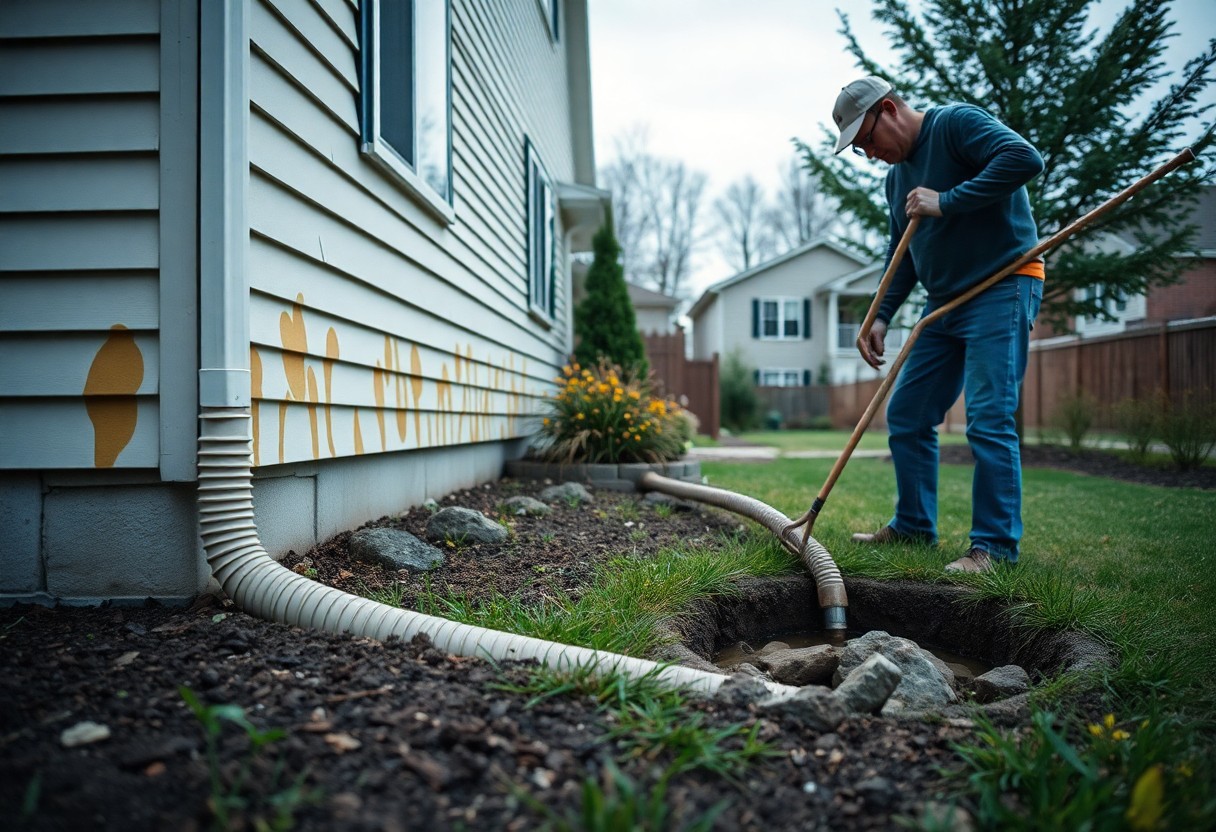
Use targeted measures: clear gutters and gullies, improve falls to a minimum of 1:80 (≈1.25%), install or repair French drains and soakaways, and upgrade external runs to 100-110 mm piping where needed. Add permeable paving or a rain garden to reduce runoff. Many localized pooling problems resolve within 24-48 hours after correcting gradient or clearing blockages; treat standing water near foundations and persistent damp as high-risk issues to avoid structural damage and mould.
DIY Solutions
You can tackle minor blockages with a 5-10 m drain rod or handheld auger, a wet/dry vacuum and enzyme-based cleaners for organic build-up. Remove leaf litter from gutters, fit mesh guards and ensure downpipes discharge clear of foundations. Work with gloves and eye protection, and test after heavy rain. Simple fixes often take under 30 minutes and can save you £50-£200 compared with a professional call-out.
When to Call a Professional
Engage a specialist when blockages recur, there’s a persistent sewage smell, walls stay damp after drying, or you spot subsidence or sinkage. Professionals offer CCTV surveys (typically £120-£300) to pinpoint defects; tree-root ingress, collapsed sections or full-flow loss usually need mechanical jetting, chemical root treatment, relining or excavation. Treat sewage leaks and structural failure as urgent to limit health risks and escalating costs.
Expect a professional diagnosis to include a CCTV report showing pipe diameter and defect length, followed by a recommended remedy: high-pressure jetting (£150-£350), trenchless relining (cure-in-place) from around £500-£2,500, or full excavation often over £1,000 depending on depth and access. Ask for a written quotation, timescale and warranty; prioritise immediate response when reports indicate severe structural risk or ongoing sewage contamination.
Maintenance Tips for Preventing Drainage Issues
Regular maintenance reduces the chance of blockages and expensive repairs; you should schedule simple tasks and know warning signs. Carry out quarterly gutter clears and monthly indoor trap checks, and book a professional jetting or camera survey every 1-2 years for older properties. Any neglected inlet can lead to surface flooding or structural damage, so act at the first sign.
- Gutter cleaning – at least twice yearly, more if trees are close
- Trap checks – monthly for sinks and showers; clear hair and sediment
- Professional surveys – jetting and camera inspection every 1-2 years for susceptible systems
Regular Checks and Cleanings
Start by inspecting external gullies and gutter outlets after storms; you should clear leaves and silt, run a hose through downpipes to confirm flow and remove visible debris monthly. Install strainers on outdoor drains, check internal bottle traps for hair and grease weekly, and arrange professional descaling or jetting every 12-24 months if you notice persistent slow drainage or recurring odours.
Seasonal Preparations
In autumn clear leaves from gutters and fit guards to prevent repeat blockages; before winter insulate exposed pipes and check soakaway performance, removing any accumulated debris. Ahead of the wet season test sump pumps and backflow valves, and if you face regular freeze-thaw cycles consider pipe heating or lagging to reduce burst risk.
For practical steps, schedule gutter and gully cleaning every three months from September to March, fit 10 mm mesh guards and secure downpipe joints; ensure external falls drop at least 1:100 away from foundations and replace cracked inspection chamber lids. If you experience heavy rain events (>25 mm/hr) upgrade capacity with larger-diameter pipes or additional surface channels, and log each intervention so debris type and frequency guide future maintenance.
Impact of Poor Drainage on Your Property
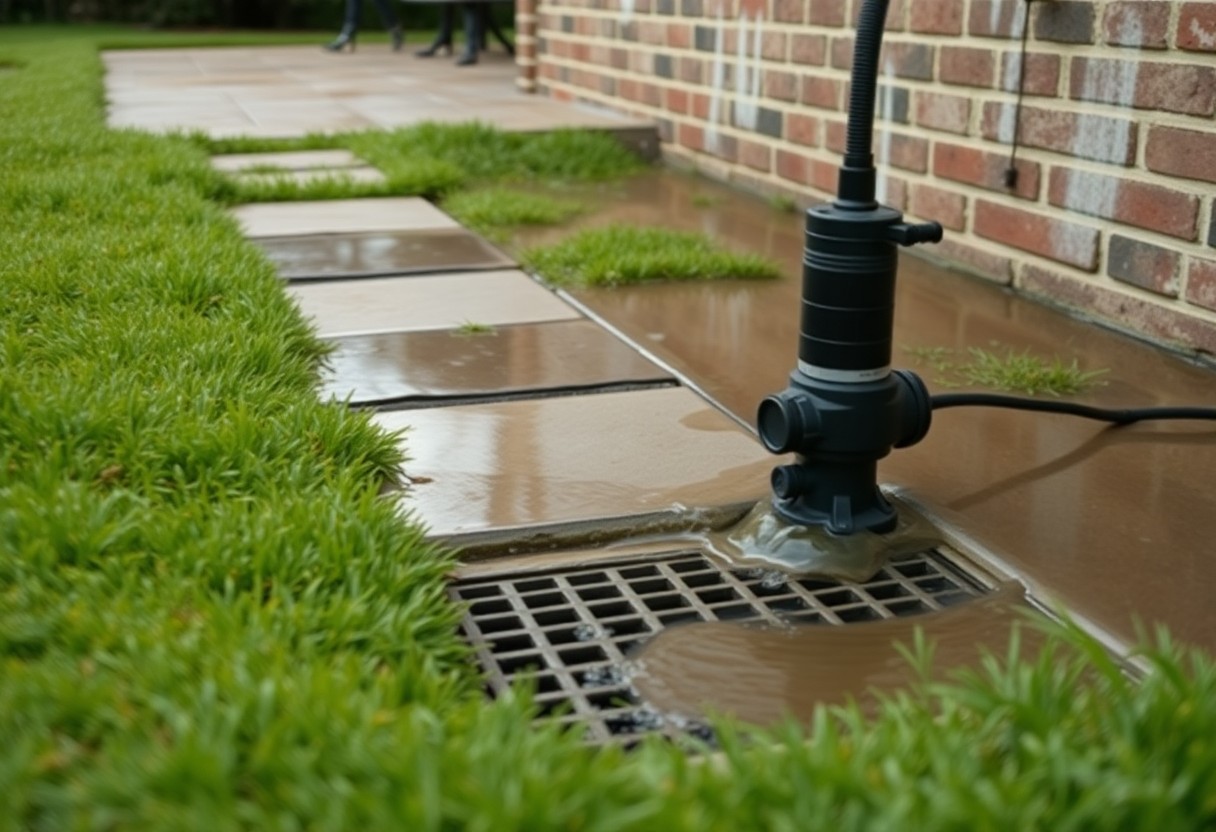
Persistent drainage failures leave you facing saturated soils, garden erosion and standing water that undermines foundations and reduces usable outdoor space. Insurance quotes can rise and resale value can fall when surveys note chronic damp; repair bills often run from a few hundred for guttering to several thousand pounds for foundation or damp-proofing works. For example, replacing a failed DPC or installing French drains typically costs £1,500-£8,000 depending on scope.
Structural Damage Risks
Repeated water ingress will cause mortar erosion, hairline to wider wall cracks and timber rot; within months, ground-bearing floors can heave or sink, producing misaligned doors and windows. You may see DPC failure, rising damp lines and external soil piled above the damp-proof course. Structural repairs such as underpinning or piling can exceed £10,000, while propping and joist replacement often costs several thousand pounds.
Health Concerns
Damp and stagnant sewage raise indoor humidity and encourage mould growth, increasing respiratory symptoms; studies link living in damp homes with a roughly 30-50% higher risk of wheeze and cough in children. You should treat visible mould promptly and avoid DIY cleaning when sewage is present, since contaminated water carries bacteria (E. coli) and leptospirosis risk.
Within 48 hours of water intrusion you should dry materials; mould spores proliferate when relative humidity stays above 60%, so ventilation, dehumidifiers and extractor fans are effective. Vulnerable occupants-young children, the elderly, those with asthma or immunosuppression-face a higher risk of severe symptoms; for sewage or persistent damp you should instruct a professional remediation firm to test air quality and remove contaminated insulation or plaster.
Long-term Solutions for Drainage Management
Shift focus to permanent measures such as regrading, surface replacement and engineered systems; you should regrade to a minimum fall of 1:100 (1 cm per metre), specify permeable paving with infiltration rates up to 400 litres/m²/hr, and pair a 100 mm perforated French drain with a soakaway or modular crate system to cut repeated repairs and protect your foundations.
Landscaping Adjustments
Rework levels and plant selection to divert and absorb water; you can create swales 150-300 mm deep and 0.5-1.0 m wide to channel runoff, install a rain garden of 3-10 m² to detain water for infiltration, and choose deep‑rooting species such as willow, iris and sedge. Permeable paving can reduce surface runoff by up to 80 per cent, lowering load on your drains.
Installation of Drainage Systems
You should match systems to soil and site: install a 100 mm perforated pipe bedded in 20-40 mm clean gravel and wrapped in geotextile for a French drain; use linear channels (100-150 mm) for paved areas with inspection points every 10-20 m; and specify modular soakaway crates with void ratios often >90 per cent where infiltration tests permit.
After installation you must schedule maintenance: clear gully pots and catchpits at least once a year, desilt linear channels and French drains every 3-7 years depending on sediment load, and arrange a CCTV survey for persistent blockages. In clay soils you may need to increase soakaway volume by 50 per cent or install an attenuation tank; failure to maintain systems can lead to structural damage to paths and foundations.
Summing up
Following this, you can spot early drainage signs-slow-running water, gurgling, unpleasant odours, damp patches or pooling-then act promptly: clear traps, plunge sinks, remove debris with rods, and flush with hot water; if blockages persist or structural issues appear, call a qualified plumber to inspect gutters, pipes and soakaways. You should also fit strainers and schedule regular maintenance to avoid escalation.
FAQ
Q: What are the earliest signs that a sink, bath or plughole is starting to block?
A: Slow drainage, water pooling around the plughole, and minor gurgling or burping noises when other appliances are used are typical early signs. Check and remove visible hair and debris from the plughole and clean the trap (U-bend) – wear gloves and have a bucket to catch water. Use a plunger or a drain rod to dislodge hair clumps; enzyme-based drain cleaners help break down organic matter without damaging pipes. Avoid repeated use of strong caustic cleaners on PVC pipework; if the problem persists after basic clearing, arrange a professional inspection to rule out deeper blockages or pipe collapse.
Q: Why do drains emit foul odours and how can I eliminate them?
A: Foul odours commonly originate from dry traps (U-bends), trapped food or grease, blocked vents or broken seals allowing sewer gas to escape. Refill dry traps by running water and flush with a mild disinfectant; remove debris from traps and plugholes and clean overflow outlets. Check seals around toilets and appliance connections and replace any damaged washers or gaskets. If odours persist, have a plumber inspect vent stacks and hidden drains and consider a CCTV survey to locate concealed faults.
Q: What are the early signs of external drainage problems in the garden and how should I address them?
A: Signs include persistent puddles, soggy patches, a dip in the lawn, slow-emptying gullies, and surface water tracking towards the house. Clear leaves and silt from gutters, gully gratings and soakaways; use a drain rod or jetter to remove sediment from external runs. Improve surface grading away from foundations, install or repair downpipe connections, and consider a French drain or larger soakaway for chronic pooling. Call a drainage specialist if water reappears quickly, as there may be a collapsed pipe or serious block at depth.
Q: How can I tell if the main sewer is blocked and what should I do immediately?
A: Multiple fixtures backing up, gurgling across several drains, rising wastewater in toilets or outside manholes and strong sewage odour indicate a main sewer issue. Stop using all water immediately to limit backflow, seal off appliances if possible, and contact your local water authority or an emergency drainage contractor. Avoid flushing toilets or running dishwashers; document the situation and any flooding for insurance. Professional jetting, root cutting or excavation may be required to clear or repair the sewer.
Q: What preventative maintenance stops drainage problems recurring?
A: Regular maintenance includes clearing gutters and gully gratings, using hair and grease traps, fitting strainers in plugholes, and avoiding grease or large food items down sinks. Schedule annual or biennial drain jetting and consider a CCTV inspection every few years, especially for older properties or where tree roots are nearby. Repair damaged seals and replace brittle clay or corroded pipes proactively, and use enzyme cleaners monthly to help keep organic build-up at bay. Keep downpipe connections and soakaways free of silt and inspect after heavy storms for early signs of failure.