
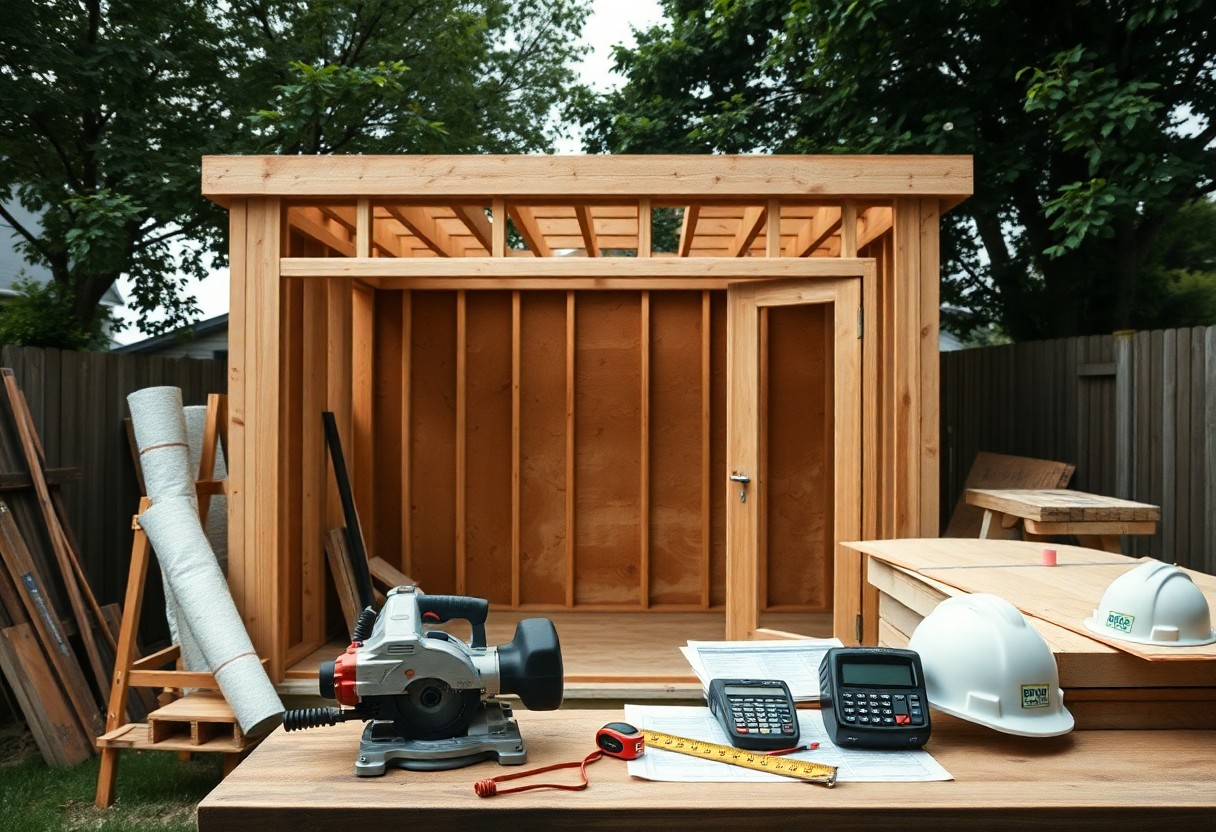
Many factors determine the cost of your garden room; depending on size, specification and finishes you might expect a typical budget of £5,000-£30,000. You should factor in planning permission or building regulations, robust foundations and insulation to avoid structural issues, and the expense of professional installation. Consider running costs and potential energy savings to assess value and long‑term return on investment.
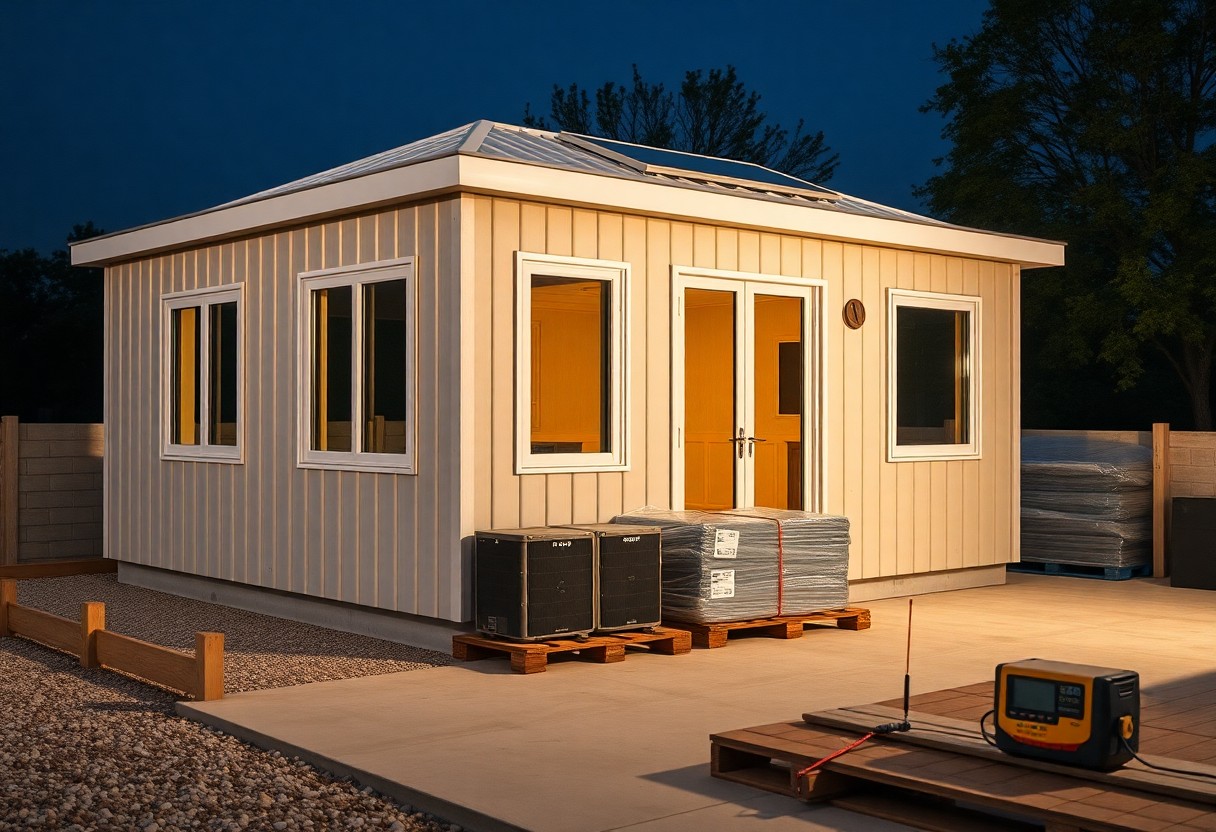
Factors Affecting Garden Room Costs
Your budget is shaped by several specific items: size, materials, foundations, insulation, glazing and services (electrics, heating, plumbing). Typical builds range from about £5,000 for a simple 6m² timber pod to £40,000+ for a 20m² turnkey studio; bespoke glazing or planning delays can add thousands and extend timelines beyond 12 weeks. Knowing how each element scales lets you target savings without compromising performance.
- Size
- Materials
- Foundations
- Insulation
- Glazing
- Services
Initial Design and Planning Costs
You should budget for design and statutory fees: a basic measured survey and sketch plans often start at £300-£800, while architect or designer fees for bespoke layouts commonly run £800-£2,000. Planning applications vary by council but typically cost £200-£500; building-regulations submissions and an energy-performance check can add another £300-£900, especially if you need a structural engineer’s input.
Size and Purpose of the Garden Room
Choosing a 6m² home office versus a 20m² annex with en-suite alters costs dramatically: expect roughly £400-£1,200 per m² depending on finish level, with rooms needing plumbing or full heating adding £2,000-£8,000 to the total. Your intended use determines acoustic treatments, wiring density and ventilation needs, all of which affect the final quote.
A small 3×2m office (6m²) might cost around £5,000-£8,000 if you prioritise speed and basic insulation, whereas a 4×5m studio (20m²) fitted as a liveable space with kitchen and bathroom can reach £25,000-£40,000; commercial use or client access often requires higher-spec fire safety and disabled access provisions, further increasing costs.
Material Selection and Quality
Your material choices-timber frame, SIPs, steel frame or masonry-drive both upfront cost and running expenses: timber-framed kits are frequently the most economical, SIPs offer rapid build and better airtightness, and masonry demands stronger foundations and can be significantly more expensive. Cladding, roofing and window spec alone can swing a job by £2,000-£10,000.
For example, choosing triple-glazed units (U-value ~0.8 W/m²K) over standard double glazing (~1.4-1.6 W/m²K) increases initial glazing costs by several hundred to a few thousand pounds but reduces heating bills and boosts comfort; similarly, high-grade composite cladding can cost £50-£150 per m² more than basic timber yet needs less maintenance and lasts longer.
Construction Costs
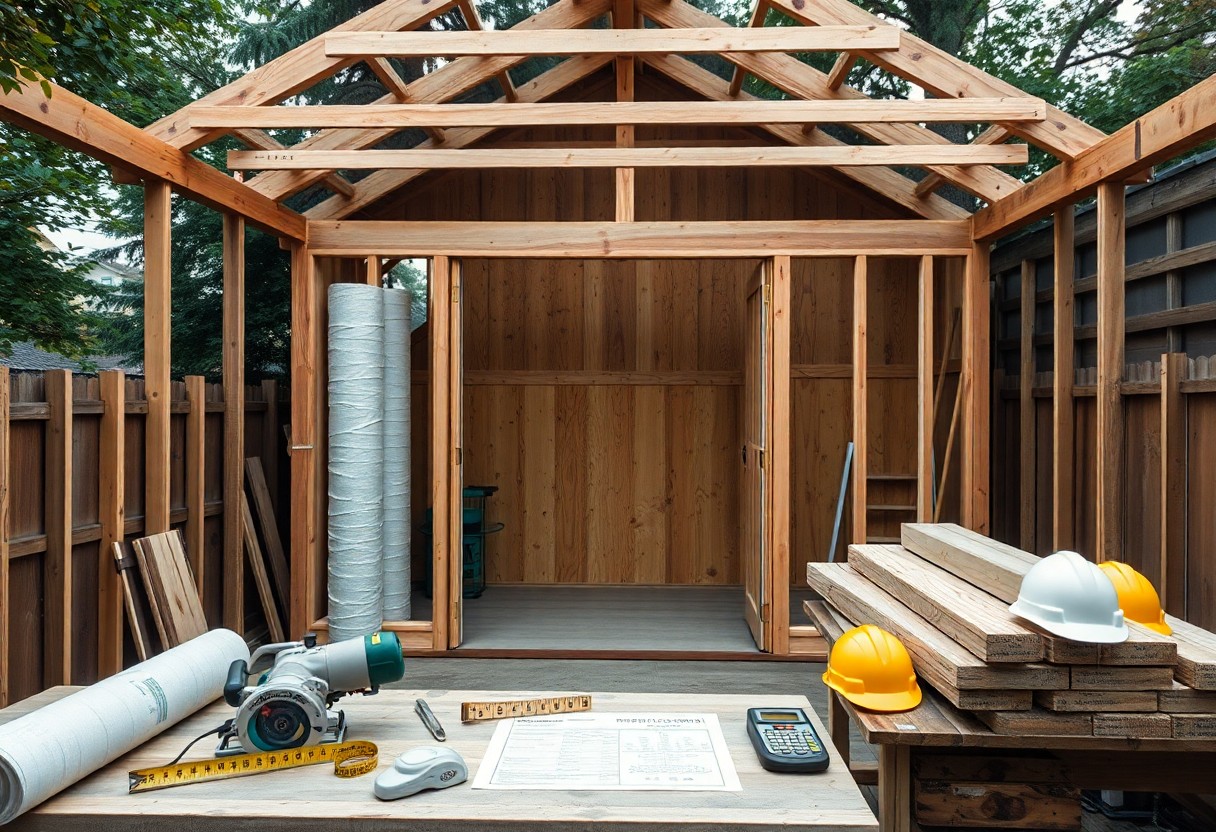
Typical garden room builds span from around £6,000 for a basic insulated pod to £40,000+ for a larger, fully finished studio; you should expect materials, labour, foundations and utilities to be the main cost drivers, with labour often accounting for 30-50% of the total and foundations or services adding several hundred to several thousand pounds depending on site conditions.
Labor Expenses
You’ll pay for a mix of trades: builders, joiners, electricians and sometimes plumbers or HVAC engineers; labour commonly runs at day rates of roughly £150-£300 per tradesperson or as a percentage of the job, so on a £15,000 build you might expect £4,500-£7,500 in labour, with specialist electricians and structural work at the higher end.
Foundation and Groundwork
Foundations vary by ground type: a basic concrete slab for a small unit can be £800-£2,500, screw piles or pad foundations typically cost £1,000-£5,000 for poor ground, and drainage or soakaway works add another £300-£1,200; you should factor ground investigation if the site is sloping or previously disturbed.
When you have clay, high water table or buried services, expect additional piling, deeper excavation or imported hardcore; trenching for a 3×3m slab plus perimeter beam and damp-proof membrane often pushes costs toward the upper range, and deep excavations are potentially dangerous, so professional groundworks and utility tracing are non-negotiable to avoid extra remedial bills.
Utilities and Installations
Electric supply, heating and plumbing typically add £600-£4,000 depending on complexity: a simple consumer unit and sockets might be £600-£1,500, an electric underfloor system £500-£2,000, while full wet heating and plumbing can reach £1,500-£4,000; you’ll also pay for any supply extensions or DNO charges to connect to the mains.
For electrics you must use a qualified electrician to meet Part P and inspection requirements, with long cable runs or a new consumer unit adding £300-£1,200; water connections need frost-proofing and waste runs to existing drains can cost £200-£1,000, so plan for safe, compliant installations that protect your build and provide long-term value.
Additional Features and Customisations
Extra features typically add between 10-30% to the base cost: built-in storage, bespoke cladding, electrical upgrades, AV wiring or a deck can range from £500 for simple landscaping to £15,000+ for high-end bespoke work. If you prioritise year-round use, factor in thermal upgrades and mains connections early; otherwise you may face retrofitting bills that are substantially higher.
Windows and Doors
You can choose uPVC (£150-£600 per window), timber (£400-£1,200) or aluminium systems; a set of aluminium bifold doors typically costs between £2,000-£8,000
Common insulation choices are PIR board, mineral wool or sheep’s wool; aim for wall and roof specifications that lower U‑values to around 0.18-0.25 W/m²K. Heating options include electric radiators, thermostatic underfloor heating (£40-£80/m² installed), infrared panels (£200-£600 each) or an air‑source heat pump (£6,000-£10,000 installed). Poor insulation dramatically raises running costs and mould risk, while efficient glazing and insulation cut energy use. For example, insulating a typical 9 m² garden room with 50 mm PIR in the walls and 150 mm loft insulation in the roof can cost roughly £800-£2,000 depending on labour and material choice; adding electric underfloor heating for the same room at £50/m² adds about £450 plus thermostat. An air‑source heat pump installation gives lower running costs long‑term but has higher upfront expense and needs outdoor space for the unit. Your finish choices strongly affect cost: plasterboard and paint is the cheapest route, laminate flooring from £10-£30/m², engineered oak £40-£80/m², and tiles £30-£60/m². Built‑in desks, shelving or bespoke joinery typically add £500-£3,000. Specify moisture‑resistant plaster for higher humidity use and include cabling for lighting and sockets at the build stage to avoid later disruption; this keeps final fit‑out tidy and energy efficient. A mid‑range fit‑out for a 9 m² space – plasterboard walls, skim, two coats of good emulsion and laminate flooring – commonly costs £1,000-£2,000 installed. If you opt for acoustic insulation, LED downlights, oak flooring and custom cabinetry you should budget £4,000-£8,000; those premium finishes improve comfort and resale value but can double or triple simple fit‑out costs. Permitted development often covers garden rooms but limits apply: outbuildings usually must not occupy more than 50% of your garden, be over 4m (dual‑pitched) or 3m (other roofs), and stay below 2.5m if within 2m of a boundary; conservation areas, AONBs or listed settings will tighten controls and can require formal consent from your local planning authority. If your garden room exceeds the permitted development thresholds, changes the use to a separate dwelling, or sits forward of the principal elevation, planning permission will be required. You should seek pre‑application advice from your council-decisions typically take around 8 weeks for full applications-and factor in neighbour consultations and potential design revisions for conservation or listed locations. Building Regulations apply when structural work, fixed heating, drainage, sleeping accommodation or new mains services are involved; key parts include Part A (structure), Part B (fire), Part F (ventilation), Part L (energy) and Part P (electrical). You’ll need Building Control sign‑off and should budget for inspection fees typically in the region of £200-£600. There are two usual approval routes: a Full Plans application for detailed checks or a Building Notice for faster starts, and many installers offer self‑certification (e.g. NICEIC or Gas Safe) for electrics and gas work. Non‑compliance can lead to enforcement, retrospective works and may affect insurance and resale, so involve Building Control early and retain certificates for future buyers. Budgeting for a garden room hinges on size, finish and services. For example, a compact 6-8 m² pod often costs £6,000-£12,000, a fitted 10-15 m² home office typically sits around £12,000-£25,000, and a fully serviced annex with plumbing can reach £30,000-£60,000+. You should also allow for groundworks, electrics, glazing and VAT, and expect professional fees of roughly 5-10%. You can expect clear bands: basic shell (no services) £6,000-£12,000; insulated office with heating and sockets £12,000-£20,000; bespoke studio with high-spec glazing and insulation £20,000-£40,000; and luxury annexes or units with full plumbing often exceed £40,000, depending on size and finishes. If your quote is £20,000, set aside 10-15%-about £2,000-£3,000-to cover unforeseen groundworks, drainage issues or planning-condition demands. You should treat hidden services or structural surprises as the most expensive risks and prioritise access costs; insurers rarely cover site-specific excavation. Ask for provisional sums in quotes so your contingency is visible. Allocate contingency by purpose: 40% to site works, 30% to design changes and 30% to statutory fees. On a 12% contingency for a £30,000 job (i.e. £3,600) that equates to roughly £1,440/£1,080/£1,080. If you secure a sealed fixed-price contract you can reduce contingency to around 5%; when contractors quote provisional sums you should keep the higher end, around 15%. Ask for itemised allowances so you control spend. When funding, you can choose an unsecured personal loan-typically 6-15% APR-or extend your mortgage/remortgage at lower rates around 3-6% APR. Personal loans suit £5-£50k projects and clear in 3-7 years; for example, a £20,000 loan at 8% over 5 years costs roughly £404/month. Remortgaging to add £20,000 at 4% over 25 years raises payments by about £105/month but lengthens your mortgage and may incur fees. Avoid financing with high-interest credit cards or overdrafts. Typical garden-room builds span £10,000-£60,000+, with basic summerhouses at the low end and high-spec insulated studios at the top; many agents estimate you’ll recoup roughly 50-70% of the build cost on sale, though location, finish and permitted-use affect returns. If you’re aiming to boost resale value, specifying double glazing, insulation and heating pays off; conversely, overly bespoke interiors for a niche hobby can reduce buyer appeal. Energy efficiency and planning status strongly influence valuation; an insulated, electrified studio with broadband and permitted development rights can make the space functionally equivalent to an extra room, often improving marketability. For example, a commuter-town homeowner spent £35,000 on a high-spec garden office and saw estate-agent feedback suggest a sales uplift of around £18-22k, demonstrating how specification and demand drive your return. From above, you can expect the cost to build a garden room to range from a few thousand pounds for basic prefabricated options to tens of thousands for bespoke, insulated spaces with plumbing, electrics and high-end finishes; your final price hinges on size, materials, planning consent and site work, so obtain multiple quotes and set a clear brief to control spend. A: Costs vary widely by size, specification and location. Small, insulated flatpack kits or basic factory-built units typically start around £6,000-£12,000 installed; mid-range bespoke or higher-spec modular rooms usually fall between £15,000 and £40,000. Large or luxury garden rooms, or annex-style builds with full plumbing, high-end glazing and bespoke joinery, can range from £40,000 up to £100,000+. These estimates commonly exclude foundations (concrete slab £500-£3,000; screw piles or piled foundations £1,000-£6,000), utilities and specialist works. A: Key drivers are footprint and height, choice of materials and cladding, glazing quality and door systems, level of thermal and acoustic insulation, type of foundation and groundworks, heating and ventilation systems, provision of electrics and plumbing, internal finishes and bespoke joinery, site access and waste removal, and regional labour rates; planning permissions or building-control requirements and warranty levels also affect cost. A: Supply-only kits are the cheapest option (supply from about £3,000-£12,000) but require you to arrange a base, services and installation. Turn-key factory-built modules including installation commonly cost £8,000-£25,000 for standard sizes. Bespoke builds by a contractor or specialist typically start around £15,000 and often range £20,000-£80,000 depending on complexity; bespoke gives greater design flexibility and long-term resale value but carries higher labour and design fees. A: Common additional costs include foundations and ground remediation, delivery and crane hire, planning-application fees (England householder applications often around £206), building-control charges, trenching for power/drainage and connection fees, wiring and heating installation, landscaping and reinstatement of the garden, VAT (generally 20% on most installations), party-wall agreements if required, and a contingency for unexpected ground conditions-allow an extra 10-20% on top of contractor estimates. A: Obtain at least three itemised, like-for-like quotes after a site visit; insist on written schedules of works and check insurance and references. Reduce cost by choosing standard sizes and simpler roof forms, opting for factory-standard cladding and glazing, taking a supply-only kit and completing some internal finishes yourself, preparing an accessible, level base in advance, and scheduling work outside peak seasons. Ask suppliers to separate costs for foundations, delivery, electrics and VAT to enable direct comparison.Insulation and Heating Options
Interior Finishing
Permits and Regulations
Planning Permission Requirements
Building Regulations Compliance
Cost Estimates and Budgeting
Average Price Ranges
Contingency Funds
Financing Options for Your Garden Room
Personal Loans and Mortgages
Cost vs. Value Considerations
Final Words
FAQ
Q: How much does it cost to build a garden room?
Q: What are the main factors that influence the final price?
Q: How does a prefab kit compare to a bespoke build in cost and value?
Q: What hidden costs should I budget for beyond the headline price?
Q: How can I get accurate quotes and reduce the overall cost?