
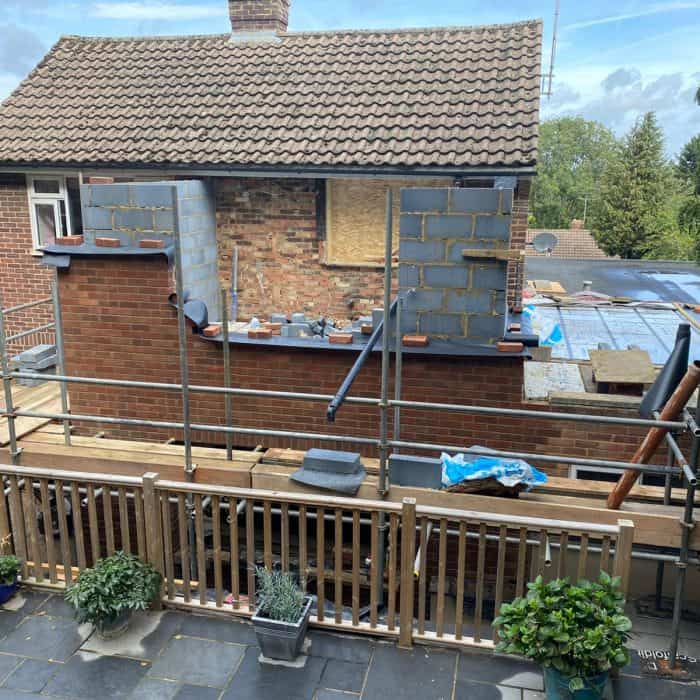
Many homeowners underestimate renovation complexity and end up paying for structural mistakes, hidden damp and mould or faulty electrical and gas work because they skip planning, permits and expert advice; if you under-budget, DIY beyond your skills or hire unvetted trades, you increase the risk of major repairs and legal fines, whereas investing in qualified professionals, a realistic budget and proper permits saves you money and protects your home’s value.
Common Planning Mistakes
Underestimating Costs
You often accept a contractor’s initial estimate without allowing for upgrades, delays or unforeseen work; build a contingency of at least 10-15%. Projects commonly see overruns of 20-30%-for example, a mid‑range kitchen quoted at £15,000 can rise to £19,500-£22,500 after appliance upgrades, waste removal and change orders. Factor in VAT, permits and a small buffer for finishes so your budget doesn’t collapse when the inevitable extras appear.
Ignoring Structural Issues
Skipping a pre‑works structural survey risks turning a cosmetic job into a major safety and budget problem: rotten joists, subsidence or hidden damp can add £1,000-£30,000 to costs and create hazards. If you don’t identify load‑bearing alterations early, you may face emergency propping, retrospective engineering remedies and higher insurance premiums, so treat structural checks as non‑negotiable.
Commission a qualified inspection: hire a chartered structural engineer and obtain a written report before altering walls or floors; their fees typically run £300-£1,200. Look for telltale signs-cracks wider than 5mm, sloping floors, persistent damp-and budget accordingly: replacing beams can cost £1,000-£5,000, while underpinning for subsidence often starts around £5,000. Address structural faults first; cosmetic fixes afterwards only waste money.
Poor Contractor Choices
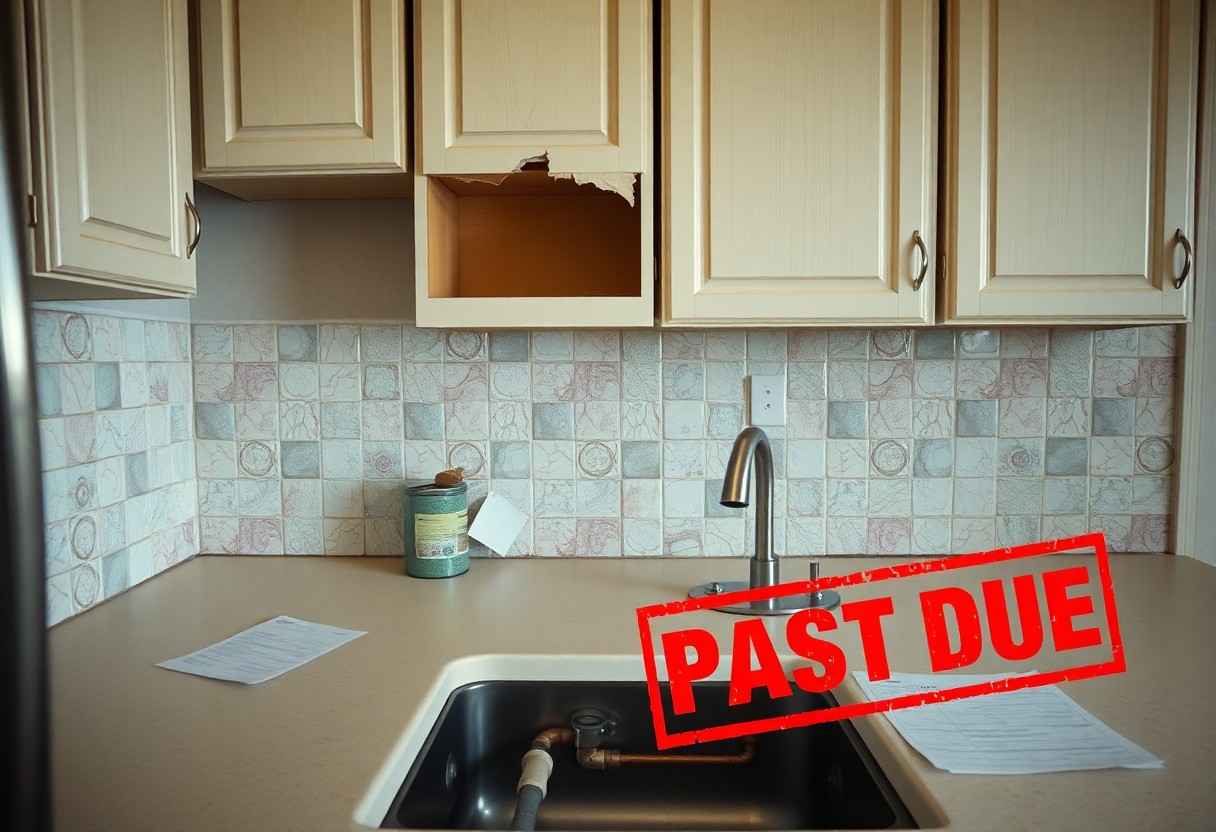
When you choose the wrong team you face delays, inferior work and unexpected bills; homeowners frequently see quotes vary by thousands, so always demand evidence of trades, a contract and insurance. Get at least three written quotes, never pay large upfront sums and cap deposits-industry guidance suggests no more than 10% upfront. Failing to do so often turns a £20,000 project into a £25,000 repair job.
Skipping Background Checks
You must verify identity, track record and insurance before any work starts: ask for a Companies House number, check recent photos of completed jobs and call a minimum of three references. Confirm a contractor holds Public Liability insurance of at least £1 million and valid qualifications for specialist work (electrics, gas). Traders with patchy online reviews or no paperwork are a high-risk choice.
Failing to Get Written Estimates
You risk scope creep and price hikes when quotes are verbal; insist on an itemised written estimate showing labour, materials, VAT and timescales. Obtain three written quotes, include a clear start/finish date and a clause for variations. Avoid ambiguous allowances and ensure the contract states payment milestones and a deposit limit of 10%.
Compare estimates line‑by‑line: flag vague entries such as “allowances” or “as agreed” and request a change‑order procedure that fixes hourly rates and costs for extras. Protect yourself by agreeing a completion date with liquidated damages or by planning to hold back 5-10% of the final payment until snagging is complete; this prevents small verbal promises becoming large unexpected bills.
Inadequate Budgeting
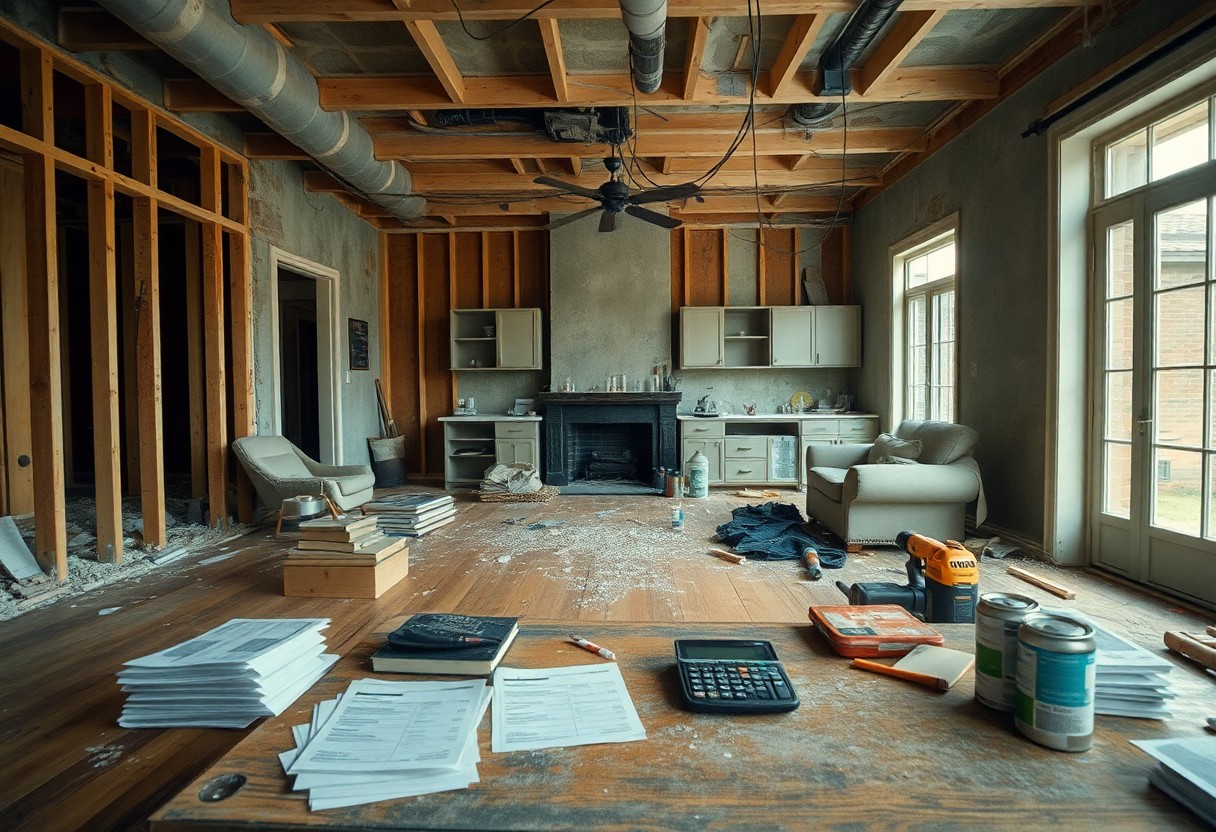
Underestimating costs causes delays and rushed decisions; renovation projects commonly run 10-30% over budget. For example, a kitchen quoted at £12,000 frequently rises to £15,000 once structural work, tipping-up electrics and upmarket finishes are added. You should review multiple quotes, confirm VAT and permit fees, and log supplier lead times to avoid unexpected storage or labour penalties that can add several hundred pounds a day.
Overlooking Hidden Expenses
Scaffolding, skip hire and party wall awards often get omitted from initial quotes; scaffolding alone can be £300-£1,200. Asbestos remediation may cost £500-£3,000, while re-routing services or new meter installs add hundreds. You must ask contractors for itemised estimates, check planning and building control fees, and factor in temporary accommodation or storage if works overrun.
Not Setting a Contingency Fund
Failing to reserve contingency forces you into compromises or expensive borrowing; industry practice is to set aside 10-15% of the total budget. On a £20,000 project that means £2,000-£3,000 for surprises such as rot, hidden pipework or specialist fixings. Keep this separate from your main account so you can access it without disrupting cashflow.
A practical approach is to split the contingency: allocate ~70% for known-unknowns (e.g. unforeseen joinery or replastering) and ~30% for true unknowns. You should hold the fund in an accessible account, agree a drawdown process with your contractor and avoid using high-interest credit-borrowing £2,000 at typical short-term rates can cost several hundred pounds in interest, eroding project value.
Design and Layout Errors
Poor spatial decisions routinely force homeowners into expensive reworks: moving wet rooms or plumbing runs can add £2,000-£6,000, and removing load-bearing walls often pushes costs into the thousands for beams and party-wall approvals. When you accept cramped or awkward layouts, you pay later in labour, lost light and reduced resale appeal; small changes like window relocation or rerouting services are often more expensive than anticipated, so plan allowances and mock-ups before committing.
Neglecting Functional Flow
When you ignore circulation, everyday tasks become inefficient: aim for a kitchen work-triangle total of 4-9 metres and aisle widths of about 1.2 m for one cook or 1.5 m for two. Islands placed without clearance block routes and emergency egress, while narrow hallways frustrate furniture moves; test flows with full-size templates to avoid redesigns that can easily add thousands in contractor time.
Miscalculating Space Utilisation
Overestimating usable floor area or underestimating storage makes rooms feel smaller than on paper; standard fittings-like kitchen units at 600 mm depth and wardrobe depths of 600 mm-must be factored into plans. If you don’t measure doorways (typical internal width ~760 mm) and circulation gaps of 60-90 cm, you risk buying furniture that won’t fit or losing functional storage, forcing costly retrofits.
In practice, homeowners regularly have to replace or modify items: a 2.2 m sofa, for example, can be impossible to manoeuvre through a 760 mm doorway or tight stairwell, leading to disposal and repurchase costs of £500-£1,500. You should template large items, verify appliance service clearances and allow space for future needs-storage, mobility or family growth-so your layout works long term rather than requiring expensive changes.
Material Misjudgments
You might be tempted to cut costs on finishes, but picking the wrong materials can add £5,000-£20,000 to lifetime expenses for a typical three‑bed renovation through replacements, repairs and lost resale value. Cheap floor coverings often fail in 5-10 years while better options last 20-30; moisture‑prone areas demand waterproof membranes or you risk structural decay and mould. Prioritise long‑term performance over short‑term savings.
Choosing Poor Quality Materials
You may save £200-£1,000 on materials initially but low‑grade plasterboard, adhesives or paints can fail fast, void warranties and cause hidden costs like damp or off‑gassing. For example, standard laminate can delaminate in high‑humidity rooms within a year, whereas moisture‑rated boards and certified paints cut repair bills. Inspect product datasheets, ask for BS/EN or CE markings and insist on industry‑standard warranties.
Overpaying for Aesthetics
You can easily pay 2-4× more for designer finishes that add little durability; a boutique tap priced at £500 often performs similarly to a £120 alternative, while bookmatched marble may demand annual sealing costs of £200-£600. Balance visual impact with lifecycle costs and choose value‑engineered alternatives that replicate appearance without inflating maintenance or replacement bills.
A recent appraisal found a homeowner who spent an extra £15,000 on bespoke marble benchtops recouped only about 40% of that premium at sale; by contrast, high‑quality porcelain slabs costing roughly 60% less delivered the same aesthetic with near‑zero sealing and a longer warranty. When you evaluate upgrades, calculate total cost of ownership-initial price plus projected annual maintenance (eg £150-£600) and expected lifespan-to see whether the perceived luxury actually increases net equity.
DIY Pitfalls
Taking on Too Much Work
When you bite off more than planned, small jobs balloon into months of work; a weekend kitchen refresh can become a six-week ordeal. Tackling structural changes, roofing or wet-room installs often creates defects that cost far more to fix-professional tradespeople typically charge £150-£300 a day-and may leave you uninsured if work isn’t signed off. Be realistic about scope, set firm timelines, and hand over complex tasks to specialists to avoid escalating costs and safety hazards.
Lack of Proper Tools and Skills
When you use improvised tools and guess techniques, finishes suffer and hidden damage appears; for example, wrong tile adhesive or poor waterproofing can cause leaks and £1,000s in repair bills. Attempting mains electrical or gas work without the right qualifications increases fire and safety risks and will likely invalidate your insurance. If you don’t own a spirit level, SDS drill or multimeter, hire equipment or a qualified tradesperson instead to protect your home.
You can reduce risk by renting or buying the correct kit-rotary hammer or tile cutter and a good spirit level-and following manufacturer instructions for membranes and adhesives. Leave gas and mains electrical jobs to Gas Safe or NAPIT-registered professionals; electricians commonly charge around £40-£70 per hour, but engaging them early often saves you £500-£2,000 compared with rectifying DIY mistakes.
Summing up
From above you can see that poor planning, skimping on quality, overlooking structural surveys and underestimating labour and materials commonly leave you facing hefty unexpected costs; you should obtain detailed quotes, hire qualified tradespeople, secure necessary permits and allow a realistic contingency to protect your property’s value.
FAQ
Q: What happens when homeowners underestimate the renovation budget?
A: Underestimating the budget often leads to stalled projects, inferior materials, or additional loans that increase overall cost. Many homeowners omit a contingency fund; unexpected issues such as rotten joists, outdated wiring or asbestos removal can add 10-30% to the initial estimate. To avoid this, obtain multiple detailed quotes, include a contingency of at least 15-20%, and prioritise important works so overruns do not derail safety or structural elements.
Q: Why is attempting DIY on electrical, plumbing or structural work risky?
A: DIY work beyond one’s expertise can cause serious safety hazards and expensive rework. Incorrect electrical installations risk fire and may fail to pass building control checks; improper structural alterations can compromise load-bearing elements and require professional rectification. Always hire certified trades for regulated disciplines, obtain necessary inspections, and secure compliance certificates to protect resale value and insurance cover.
Q: How costly is it to proceed without planning permission or building regulations approval?
A: Failing to obtain required approvals can result in enforcement notices, compulsory removal of work, fines and reduced property value; retrospective approval is often more expensive and uncertain. Structural changes, extensions and certain conversions commonly need consent. Engage with the local planning authority early, commission drawings from a qualified designer, and keep all paperwork to avoid forced reinstatement and legal fees.
Q: What are the consequences of hiring the cheapest contractor or not using a written contract?
A: Selecting the lowest bidder or relying on verbal agreements increases the risk of poor workmanship, missed deadlines and unexpected extras. A lack of a clear written contract leaves scope, payment schedule and defect liability ambiguous, making disputes costly. Use written contracts that specify scope, milestones, materials, warranties and dispute resolution; check references, verify insurance and, where possible, stage payments against completion points.
Q: How do scope changes and poor material choices inflate renovation costs?
A: Changing plans mid-project causes delays, labour rework and waste of already-installed materials, often attracting premium prices for last-minute purchases. Choosing low-cost materials can mean early failure, higher maintenance and replacement costs. Set a detailed specification before work begins, agree a change-order process with the contractor that includes cost and time impacts, and balance initial cost with lifecycle performance when selecting finishes and fittings.