
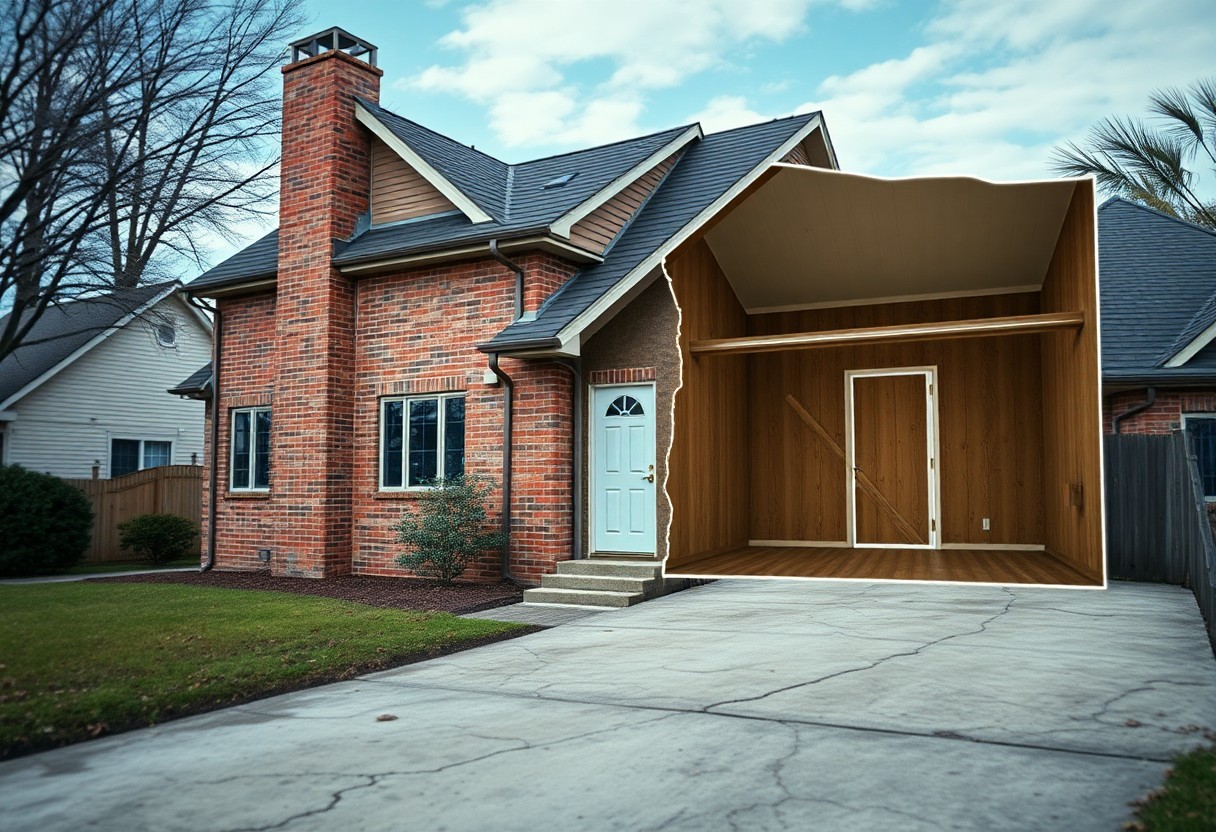
Issues like wide wall cracks, sagging floors or a sloping foundation indicate your property may have serious structural failings; if you notice doors sticking, uneven floors or new external gaps you should seek a professional structural inspection to assess safety and potential repair costs, protecting your investment and occupants.
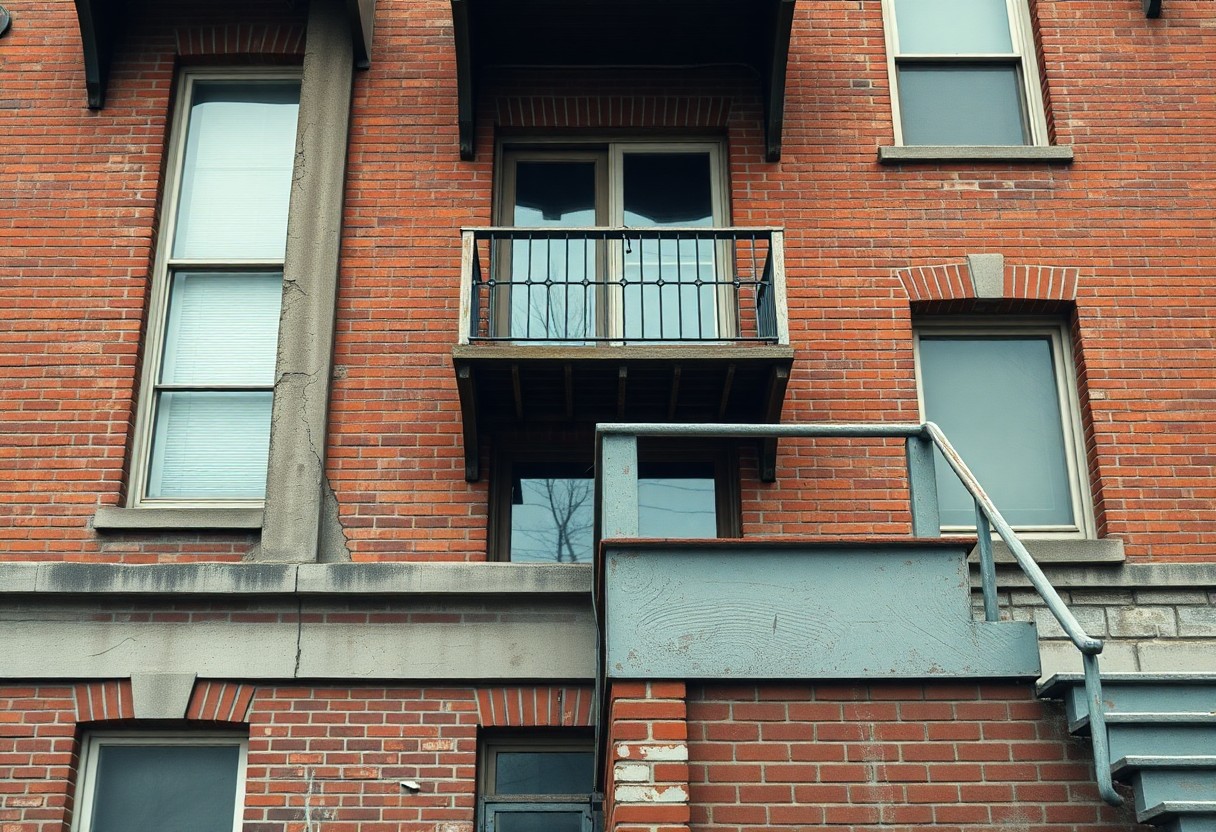
Common Signs of Structural Damage
You should watch for patterns such as diagonal or stair‑step cracks in brickwork, walls that bow or bulge, chimneys leaning, persistent water ingress and doors or windows that suddenly stick; for example, cracks wider than 3 mm or floors sloping more than 10 mm over 2 metres often indicate movement. Practical checks – measuring offsets, tracking crack growth over weeks, photographing changes – give you hard evidence to show an engineer.
Cracked Walls and Ceilings
When cracks run diagonally from corners, follow mortar lines or form stair‑steps in brickwork, they often point to differential settlement or foundation issues; horizontal cracks in masonry may signal lateral pressure or failing retaining walls. If a vertical crack exceeds 3-5 mm or widens over months, you should log measurements and get a structural survey, since such patterns frequently need repair rather than cosmetic filler.
Uneven Floors
Uneven or sagging floors, a bouncy feel, gaps under skirting and doors that no longer close flush are classic signs of joist failure, foundation settlement or ground movement; for instance, a local surveyor often flags drops of 10-30 mm over a few metres as significant. You can check with a spirit level, straightedge or laser measure to quantify the slope before contacting a specialist.
Causes commonly include decayed joist ends, poor-to‑nonexistent lateral restraint, overloaded spans, or subsidence where soil has compacted or washed away; termites and wet rot frequently appear in timber frames. In one typical case, a Victorian terrace showed a 25 mm sag at mid‑span due to rotten joist ends and inadequate ventilation – repairs required joist replacement and improved damp protection to restore structural integrity.
Signs of Foundation Problems
You may notice floors that slope, stair-step cracks in brickwork or external walls pulling away at junctions; these often point to foundation movement. Often hairline cracks under 1mm are benign, but when cracks exceed 5mm, or you see a horizontal gap, sinking or a visible offset of more than 10mm between courses, you should treat the issue as significant and arrange a structural survey.
Wall Separations
Gaps where walls meet chimneys, extensions or adjoining properties commonly reveal settlement-look for vertical or diagonal separations and stair-step cracks along mortar joints. If you measure gaps wider than 6mm or a lateral separation that opens over seasons, that indicates ongoing movement; photograph and monitor the gap weekly to track progression before you consult an engineer.
Doors and Windows Misalignment
Frames that stick, fail to latch, or show uneven gaps around sash and casement windows typically signal foundation shift; a sash with a gap greater than 5mm at the top or bottom, or a door that swings shut by itself, are common signs. Note whether multiple openings on the same wall are affected-consistent patterns point to structural rather than local shrinkage issues.
Test frames with a 1m spirit level and measure any out-of-plumb; if a window reveals more than 5mm deviation across 1m or you record movement exceeding 3mm within several months, that demonstrates progressive settlement. In many terrace conversions owners report hinge distortion and frame gaps of 8-15mm after rapid subsidence; when you spot similar magnitudes, retain a chartered surveyor to quantify underpinning or repair options.
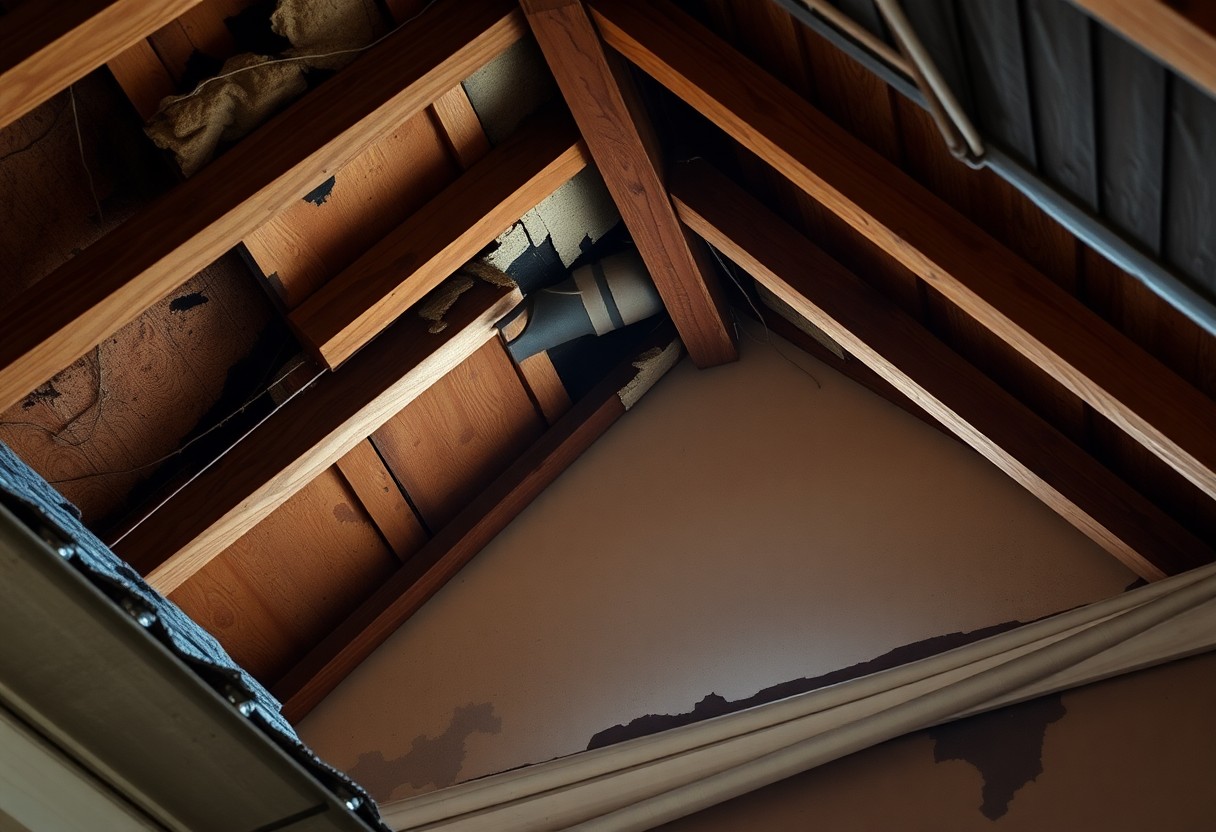
Roof and Attic Indicators
When you climb into the loft you should scan for sagging ridge lines, wet insulation, split rafters and active timber decay, since these often precede wider structural failure; visible rot around collar ties or joist ends is especially telling. For firsthand accounts and photos from homeowners dealing with similar problems consult Concerned about structural damage : r/HomeImprovement.
Sagging Rooflines
If your roofline droops or you notice a ridge that is no longer straight, measure over a 2 m span – a deflection greater than 25 mm often indicates compromised rafters, undersized ridge beams or overloaded loft loads. You should inspect rafter connections for splits and check for long-term creep; in several case studies a sagging ridge required replacement of the ridge beam and purlins to restore alignment and load capacity.
Water Stains and Leaks
Dark stains on plasterboard, concentrated patches on loft insulation or wet insulation after rain point to persistent leaks; persistent or spreading stains frequently mean ongoing ingress that will rot timbers and promote mould. You should trace the leak to flashing, valley gutters or failed tiles and prioritise drying the area to prevent structural loss.
In documented repairs, untreated roof leaks allowed fungal decay to reduce timber section by 20-40% within 6-12 months, turning a modest patch job into a full joist or rafter replacement. Early intervention (patching flashing, replacing 1-2 tiles and drying insulation) often costs under £1,000, whereas delayed structural repairs and re-roofing can exceed £5,000-£20,000; get a survey and moisture readings to decide your next step.
Exterior Damage Signs
Outside, you’ll spot issues such as cracked mortar, separated cladding, sagging eaves and foundation offsets; foundation settlement over 10mm or persistent water pooling at the base indicates progressive damage. Pay attention when porches or bay windows shift or when masonry shows stair-step cracks. For photos and detailed checklists consult Structural Foundation Damage: Guide to Spotting Signs for … to compare with your property.
Gaps around Windows and Doors
When you notice light, drafts or visible gaps around frames, it often means the opening is moving; gaps of 3-5mm or more can allow water ingress and indicate differential settlement or failing lintels. Doors that stick, bind or won’t latch and windows that no longer square up point to structural movement rather than just failed seals. Measure offsets with a tape and check multiple openings to see if the pattern suggests foundation shift.
Bowed or Leaning Walls
A wall that bows inward or leans outward by several centimetres is a clear warning; visible bulging over 25mm typically signals lateral soil pressure, poor footings or drainage failure. You may also see vertical cracks opening or masonry stepping out of plane, with internal plaster cracks mirroring the external deformation. Monitor the area for change and log measurements.
Bowing commonly stems from long-term hydrostatic pressure from saturated soils, blocked drains or tree roots undermining footings; movement exceeding 10mm in a month warrants urgent assessment. Structural engineers often fit wall anchors or tie rods spaced about 1-1.2 metres to stabilise the face, and may recommend underpinning or rebuilding where foundations are failing. You should photograph and measure cracks monthly and engage a structural engineer if movement continues or interior elements start to sag.
Internal Signs to Watch For
Inside, watch for persistent plaster cracks wider than a few millimetres, doors that jam or no longer latch, uneven floors, and recurring damp or mould behind skirting; these often signal underlying movement or water ingress. If you spot a crack that grows over weeks or a ceiling sag of more than 10-15mm, treat it as a potential structural problem and arrange a professional survey, since what begins as cosmetic can rapidly become a major repair.
Squeaking or Shifting Floors
Squeaks and movement usually mean joists, fixings or subflooring are compromised rather than mere loose boards; if you can press a board down and it deflects by more than a few millimetres or you notice a permanent sag of 10mm or more, that indicates significant load-bearing stress. In older properties, rotten joists from damp are common-surveys often find replacement or reinforcement of joists costing from a few hundred pounds per joist upwards.
Pest Infestations
Small round exit holes of 1-2mm, fine wood dust (frass), or mud tubes against foundations often point to timber pests such as woodworm or termites; an active infestation can weaken beams, floor joists and structural timbers. You should treat any fresh frass or live insects as an urgent sign to call a pest control specialist and a structural inspector, because untreated infestations may require both chemical treatment and timber replacement.
In practice, detection relies on careful inspection: probe suspect timbers, photograph exit holes and note timber-softening or deflection. Typical remedial steps include localized chemical treatment and consolidation for minor woodworm, whereas extensive termite or dry rot damage may require removal and replacement of affected timbers, damp-proofing and long-term monitoring. Costs vary widely-from a few hundred pounds for spot treatments to several thousand for structural repairs-so obtain a written scope and comparative quotes from accredited firms before you commit.
When to Seek Professional Help
If you spot cracks that widen beyond 5 mm, sudden bulging walls, or a floor that slopes more than 10 mm over 2 metres, get assistance immediately. Also act if cracks grow within weeks, windows begin to stick, or water pools near foundations; these indicate active movement or damp that can undermine the structure. In urgent situations where you suspect collapse risk, evacuate affected rooms and contact an expert without delay.
Understanding Structural Engineers
Chartered structural engineers, typically members of the Institution of Structural Engineers or ICE, produce calculations, drawings and remedial designs such as underpinning, steel-beam insertion or tie-rod installation. Initial inspections often cost around £200-£500, with detailed reports from £500-£2,000 depending on complexity. You should expect a clear risk assessment, load calculations and a preferred repair strategy with estimated costs and timescales.
Choosing the Right Inspector
You should select an inspector with RICS chartered status or equivalent, verifiable references and adequate professional indemnity insurance; request sample reports and recent case studies. Prefer those offering non-destructive testing like thermal imaging and moisture measurement, plus a costed repair estimate. Typical on-site inspections take 1-3 hours, with reports returned in 5-10 working days.
Ask whether the inspector will liaise with a structural engineer if needed and if their PII covers at least £500,000; some firms carry only £250,000 which may be insufficient for complex works. For example, an inspector flagged 15 mm stepping cracks on a 1930s semi, recommended monitoring then underpinning estimated at £18,000-£30,000, allowing the buyer to budget and avoid later surprise costs. Check testing methods, turnaround and whether you receive a timed, costed remedial schedule.
To wrap up
As a reminder, you should watch for widening cracks, doors and windows that stick, uneven floors, sloping or bowing walls, gaps at skirting or chimneys, and persistent damp or bulging plaster; these signs often indicate movement or foundation problems and you should arrange an inspection by a structural engineer promptly to assess risk and plan repairs to protect your investment.
FAQ
Q: What kinds of cracks indicate structural problems?
A: Small hairline cracks in plaster are common and often cosmetic, but wider or progressive cracks can signal structural movement. Diagonal cracks above doors and windows, stair‑step cracks through brickwork, horizontal cracks in retaining walls or near lintels, and cracks that increase in width over weeks or months warrant concern. Mark the ends and dates of cracks, measure any widening, and ask a chartered structural engineer to assess if cracks are more than a few millimetres or accompanied by other movement.
Q: My doors and windows have started sticking or wont shut square – is that a sign of structural issues?
A: Yes. Doors or windows that suddenly stick, jam, or develop uneven gaps often indicate that frames are out of square due to settlement, subsidence, or timber movement. If multiple openings are affected or gaps develop above or below frames, monitor the changes and note whether hinge gaps alter over time. Temporary adjustments may help, but ongoing movement should be inspected by a surveyor or structural engineer to identify the cause.
Q: How can I tell if my floors are structurally unsound?
A: Signs include noticeable sagging or springing, persistent creaking, pronounced slopes or hollows in walking areas, and gaps between floorboards and skirting that grow. Sudden localised soft spots, or exposed joists with rot or insect damage, are also indicators. Use a spirit level or a long straightedge to check for deflection, inspect underfloor voids if accessible, and arrange a professional inspection if deflection or damage is evident.
Q: Are bulging or bowing walls always a structural problem?
A: Bulging, bowing or leaning walls frequently point to structural issues, particularly when brick or masonry bows outward or mortar joints open. Causes include lateral soil pressure, failing wall ties, foundation movement or water damage. Small bulges that develop rapidly or increase over time require prompt attention; stabilisation and repair should be designed by a structural engineer to prevent collapse or further spread.
Q: Can drainage, damp or nearby trees cause structural damage to my property?
A: Yes. Poor drainage and persistent ponding near foundations can wash away supporting material or cause soil swelling, while leaking drains allow water into subsoil and foundations. Large trees close to the property may extract moisture from clay soils, causing shrinkage and subsidence, or their roots can undermine foundations. Signs include new or worsening cracks, doors and windows sticking, and localised subsidence. Investigate drainage, fix leaks, and obtain both a structural engineer and, if trees are implicated, an arboricultural report to plan remedial work.