
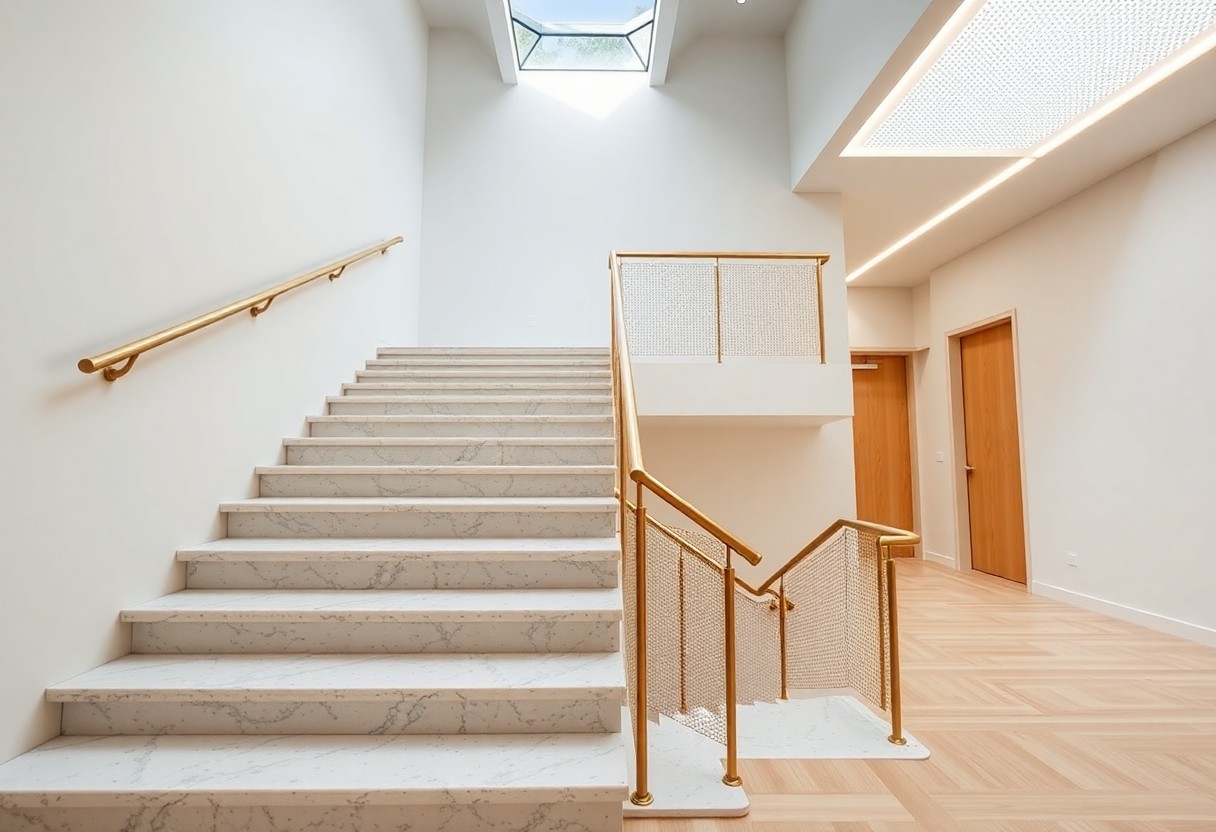
Most of your staircase’s impact on style and function is decided by layout, materials and lighting; when you plan a renovation, prioritise safety to reduce fall risk, choose finishes that ensure durability and select designs that complement your home’s aesthetic. You should consider handrail height, tread depth, anti-slip surfaces and integrated lighting, and consult professionals for structural changes so your upgrade delivers lasting value and minimal risk.
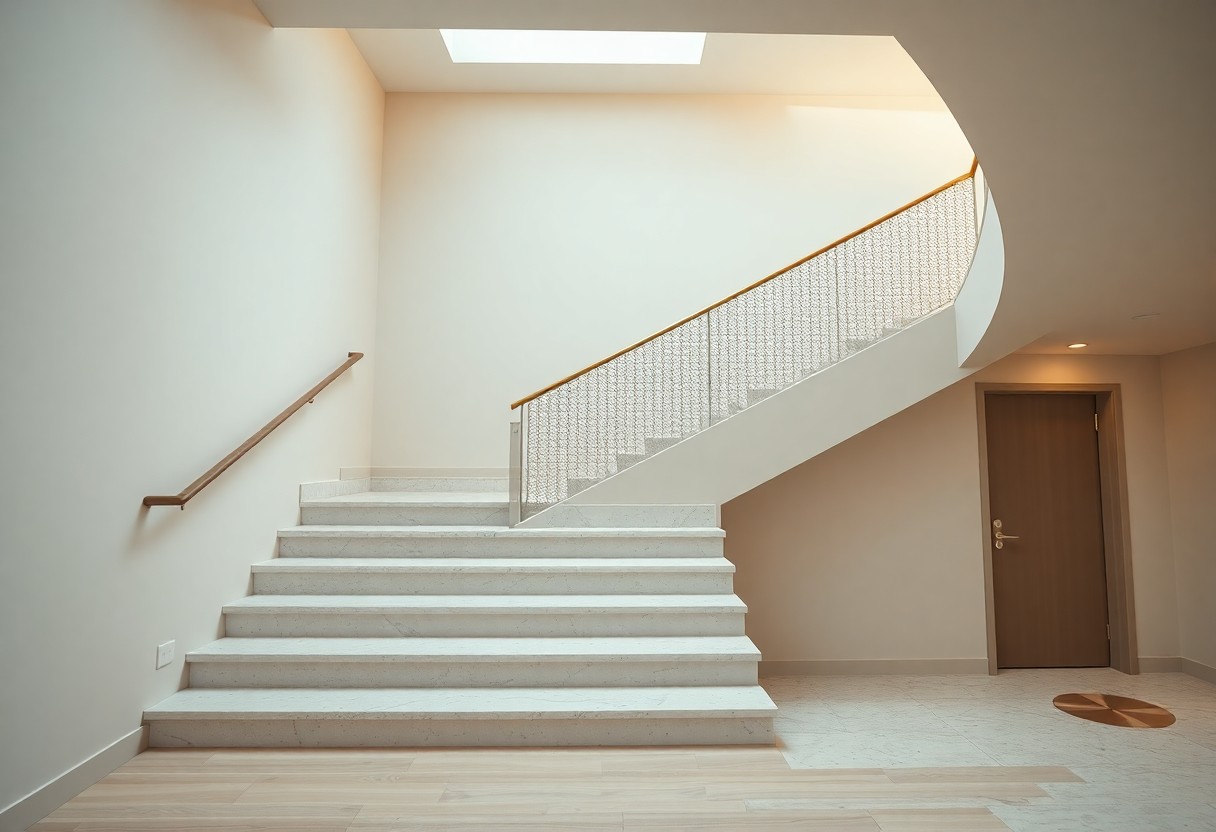
Assessing Your Current Staircase
When you assess your existing staircase, focus on measurements, material condition and wear. Measure riser height and going across several flights; if risers vary by more than 6 mm you’ll get uncomfortable steps. Check for rotting stringers, loose treads or a wobbly handrail, and note lighting and headroom (minimum recommended 2 m). Photograph defects and itemise components to keep or replace so you can compare costs and technical constraints later.
Evaluating Structural Integrity
Start by testing movement: if a tread deflects more than 5 mm under finger pressure or the handrail has over 10 mm lateral play, you likely have worn fixings or failing joinery. Inspect stringers for water damage, check landing joists where loads concentrate, and probe timber for dry rot. When beams or supports are altered, engage a structural engineer; sagging beyond 25 mm or split stringers usually demand reinforcement rather than cosmetic repair.
Identifying Design Opportunities
Think about functionality and light: swapping closed risers for open treads or a frameless glass balustrade often makes a narrow hall feel bigger, while built-in drawers under the lower flights add storage without extending footprint. You can modernise by replacing chunky newels with slim metal spindles, or improve safety with LED strips under treads that draw 1-3 W per metre and provide clear night-time wayfinding.
Dive into constraints before choosing finishes: aim for handrail height of 900-1,000 mm above the pitch line and ensure balustrade gaps do not exceed 100 mm. Use the rule of thumb 2×riser + going ≈ 600-650 mm and keep pitch between 30°-42° for comfortable use. For example, a 1930s terraced stair often needs an extra 20-30 mm of tread depth to meet modern ergonomics and reduce trip incidents.
Choosing the Right Materials
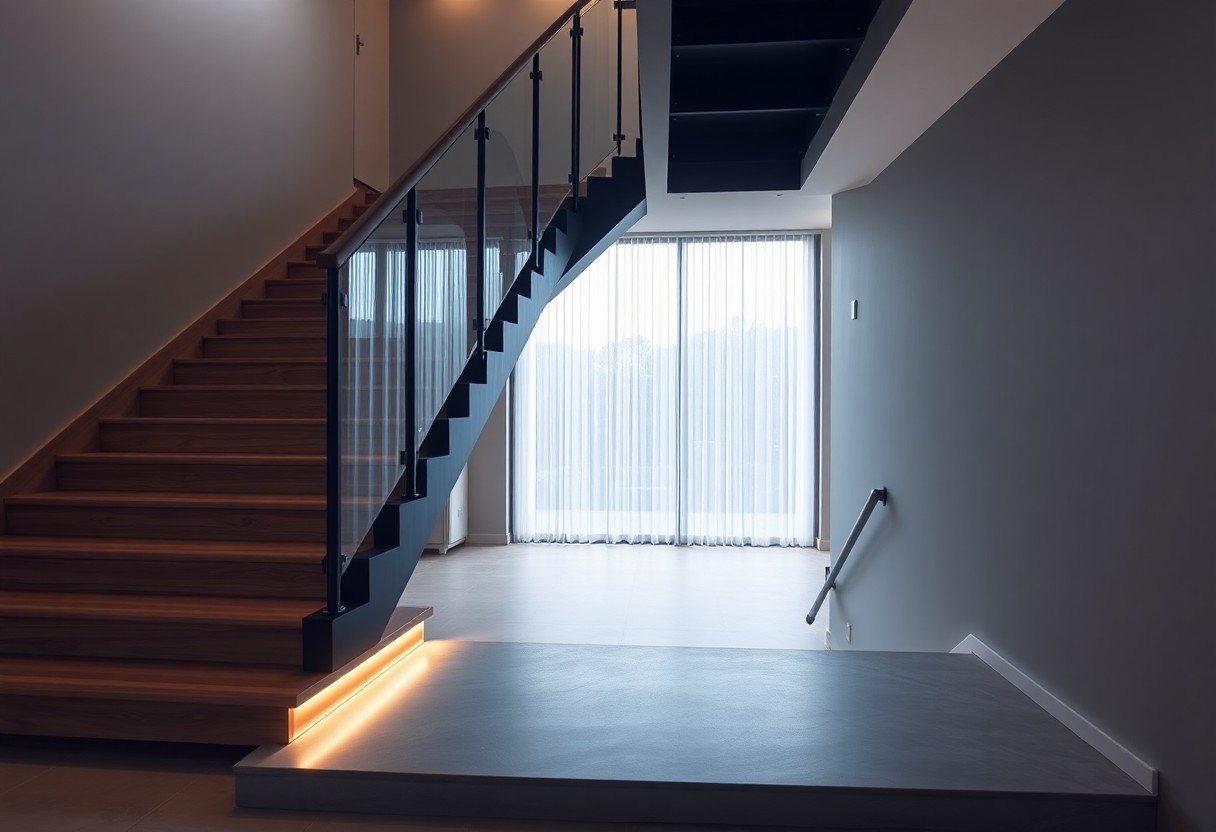
You’ll balance appearance, lifespan and budget when selecting materials: oak and walnut offer warmth and a Janka hardness of ~1,200-1,400 lbf, while engineered timber reduces warping. Steel and aluminium provide slender profiles and high load capacity; toughened laminated glass (typically 10-12 mm) delivers light without compromising safety. Consider maintenance cycles and slip resistance, and browse examples at 290 Staircase Design and DIY ideas.
Wood versus Metal
You’ll choose wood for warmth and acoustic damping-solid oak treads are commonly 30-40 mm and need periodic oiling every 1-3 years-while metal like steel or aluminium gives you cantilevered, minimalist forms with high tensile strength and thinner profiles; stainless steel resists corrosion, whereas raw steel demands protective coatings. For mixed schemes, pair timber treads on a slim steel stringer to combine beauty with structural economy.
Innovative Finish Options
You can specify finishes to change performance and feel: powder coating on metal offers durable colour, hardwax oil on timber preserves natural grain with low VOC formulations, and glass can get anti‑reflective or fritted patterns for privacy. Also consider anti‑slip treatments and marine‑grade coatings for exterior stairs, as these choices directly affect maintenance and longevity.
For example, a Scandinavian scheme using matt hardwax oil on 30 mm oak typically needs light re‑oiling every 1-3 years and a full sand-and-seal after 8-12 years; commercially applied powder coats often last 10+ years indoors, while clear epoxy or polyester topcoats on steel delay corrosion but require inspection every 2-5 years in humid conditions. You should match finish to traffic levels and local climate for best results.
Modern Design Trends
You should favour mixed materials – glass, steel and timber – to achieve a contemporary look; for example, 10-12mm toughened glass balustrades paired with 40mm oak treads and integrated 3000K LED strips create depth and warmth. Contemporary standards often set balustrade height at 900mm, and many designers share practical ideas online, such as this thread: How do we make this staircase feel more modern?
Open Staircases
You can open up a compact plan by using open risers and slim stringers; specify riser heights up to 220mm and a going of at least 220mm to comply with common standards, and keep riser gaps below 100mm to reduce child entrapment risk. Many projects use 40mm oak treads with hidden steel brackets, which yields a floating effect while maintaining a safe, stable structure.
Minimalist Railings
You might choose cable or slim-profile steel rails for an airy aesthetic; 4mm 1×19 stainless cables tensioned between posts spaced 900-1200mm give transparency without sag, while frameless glass keeps sightlines uninterrupted. Be aware that tensioned cables can pose entrapment hazards for small children unless installed to the recommended spacing and tension specifications.
Further detail: you should specify materials to suit location – grade 316 stainless steel for coastal homes, powder-coated steel for colour options, and toughened laminated glass where impact resistance is needed; also ensure fittings meet load requirements and that the final balustrade height is at least 900mm to align with UK guidance.
Enhancing Functionality
You can transform staircases into multi-use features by combining storage, seating and lighting; for instance, a typical under-stair void yields 1-3 m³ of usable space you can fit with drawers, a mini home office or bookcases. Using frameless glazing and slim balustrades also boosts daylight by opening sightlines, while choosing hardwood treads and anti-slip nosing preserves longevity and safety on high-traffic routes.
Under-Stair Storage Solutions
Start by measuring the void depth-many designs sit between 0.6-1.2 m-then specify pull-out drawers with soft-close runners rated to 100 kg, hinged cupboards, or bespoke wine racking. You can fit utilities like a washer-dryer stack or a pet nook, and modular systems (e.g. Platsa-style units) speed installation while keeping costs down compared with full joinery.
Incorporating Lighting
Consider LED step lights and under-nose strips delivering around 100-150 lux on treads, a 2700-3000K colour temperature for warmth, and a CRI>90 for accurate colour rendering. Motion sensors and dimming reduce consumption by up to 70%, and good illumination mitigates the increased fall risk associated with poor stair visibility.
Place recessed riser lights at the back of treads, or integrate LEDs into the handrail for even glare-free illumination; ensure drivers are remote-mounted and concealed. You should engage a qualified electrician for wiring, specify an emergency battery backup for power cuts, and choose IP-rated fittings for external use-incorrect installation can create a fire or shock risk, whereas properly specified lighting greatly improves safety and ambience.
Colour Schemes and Finishes
Mix bold and neutral palettes to define circulation without overwhelming adjacent rooms. Limit bold colour to 10-30% of staircase surfaces (for example, risers, a single balustrade or the newel) so your scheme reads intentional. Use satin on walls and gloss on handrails for durability, while matte on treads reduces visible wear. For safety, fit anti-slip nosings where finishes are smooth. You can trial a 30×30cm sample before committing.
Bold Colour Choices
Choose a single accent hue-navy, emerald or charcoal-to anchor the stair and create focal depth. Apply to one or two elements only, such as risers or the underside of treads, to avoid overpowering a narrow stairwell. Contractors advise viewing samples across a full day of light; you should check morning and evening tones. Be aware that dark colours can make small stairwells feel tighter, so balance with lighter walls or reflective surfaces.
Neutral and Natural Finishes
Embrace light timbers and muted paints for a timeless backdrop; specify engineered oak treads around 20mm thick with water‑based lacquer or hard oil depending on your maintenance preference. You might re‑oil every 2-5 years depending on wear, and staining allows matching to adjacent joinery. If you prefer cool tones, choose ash or maple; for warmth, select European oak or walnut to harmonise with your flooring.
When choosing finish, compare hardness and upkeep: water‑based polyurethane cures quickly with lower VOCs, while oil enhances grain but requires more frequent attention. For high traffic, fit a 3mm abrasive insert or aluminium nosing to improve grip without spoiling the look. For a contemporary result, pair pale oak treads with slim stainless balustrades or 18mm glass panels to maximise light in the stairwell.
DIY vs. Professional Help
When to DIY
If the job is cosmetic-sanding, staining, painting or swapping non-structural spindles-you can save 30-60% by doing it yourself, especially for projects under £500-£1,000 that you can finish over a weekend. You should avoid work that alters rise and run, removes stringers or affects load-bearing elements; those are high-risk structural changes that require qualified tradespeople and compliance with Building Regulations.
Hiring the Right Contractor
When you hire, obtain at least three written quotes, check membership of bodies like the Federation of Master Builders or TrustMark, and ask for a copy of public liability insurance (typically £5 million). Make sure the contractor confirms Building Regulations compliance, provides a clear timescale and fixed price, and offers a minimum of a five-year workmanship warranty in writing.
Before work starts, ask the contractor to conduct a site survey and supply technical drawings; get references from two recent clients and inspect photos of completed staircases. You should negotiate a payment schedule-commonly 30% deposit, 40% at a mid-point, 30% on completion-and include clauses for delays and variations. Insist on a written contract and full insurance evidence to protect your home and deposit.
Final Words
Taking this into account you should prioritise clean lines, mixed materials such as timber and glass, open risers to enhance light, minimalist balustrades, integrated storage and statement lighting; consider safety, building regulations and durable finishes to ensure longevity while achieving a contemporary aesthetic that complements your home’s layout and lifestyle.
FAQ
Q: How do I choose a staircase design that complements a modern home?
A: Start by assessing the home’s architectural style, scale and sightlines. For contemporary interiors favour clean lines, minimal profiles and open designs such as floating treads, open risers or slim steel stringers that maintain visual flow. Match or thoughtfully contrast materials – for example, warm oak treads with a glass balustrade for a soft-modern look, or black powder-coated steel for an industrial edge. Consider proportion and circulation: a staircase should sit comfortably in its space without overwhelming the room, and align with adjacent finishes so it feels integrated, not pasted on.
Q: What materials and finishes work best for a modern staircase?
A: Popular modern choices include engineered hardwoods (oak, walnut) for durable, stable treads; satin or matte-finished steel for structural elements; frameless or low-profile glass for balustrades to maximise light; and aluminium or powder-coated metals for lightweight, precise detailing. For finishes, opt for matte or brushed surfaces to reduce glare and hide wear, and select anti-slip or textured tread treatments that blend with the aesthetic. Eco-conscious options include FSC-certified timber and recycled-metal components.
Q: How can lighting be used to enhance a staircase?
A: Integrate layered lighting to improve safety and create drama. Concealed LED strips under treads or within the handrail provide even illumination and emphasise the staircase form; recessed step lights or riser illumination assist safe movement and produce a floating effect; pendant lights or a statement chandelier can turn the stairwell into a focal feature. Use warm-to-neutral colour temperatures (2700-3500K) to keep the space inviting, and add dimming and motion sensors for energy efficiency and practical use.
Q: What are effective space-saving staircase solutions for compact modern homes?
A: Consider space-efficient designs such as compact spiral stairs for very tight footprints, alternating-tread units for steep or secondary access, or a straight run with integrated under-stair storage and bespoke joinery to exploit dead space. Open-stringer or cantilevered stairs maintain openness and perceived volume. Always check headroom and circulation requirements; custom pre-fabricated modules often provide a good balance between compactness and comfort.
Q: What safety, regulatory and maintenance aspects should I consider when renovating a staircase?
A: Comply with local building regulations covering rise and going, handrail height and continuity, maximum gaps in balustrades and landing dimensions to ensure safe use and resale value. Fit appropriate anti-slip nosings, secure handrails on both sides where required, and ensure fire-escape routes are not compromised. For maintenance, choose finishes that tolerate cleaning and wear-sealed or oiled hardwood requires periodic re-oiling or re-sealing, glass balustrades need regular cleaning and checks for fixings, and painted metal should be inspected for corrosion. Engage a structural or certified stair specialist for design validation and installation to meet safety standards.