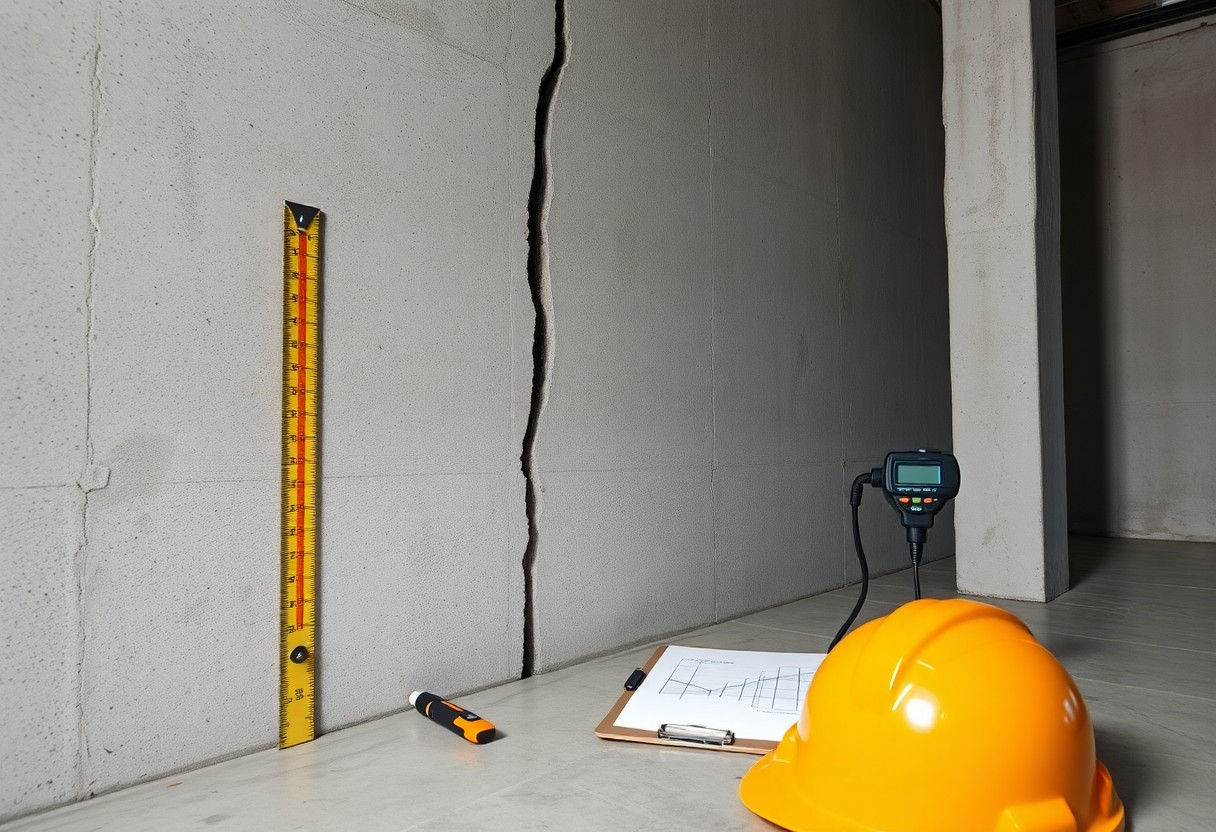
Many small plaster cracks are cosmetic and you can usually repair your walls yourself with filler, sandpaper and paint; simple DIY repairs save time and money. If cracks widen, run diagonally, affect your door frames or measure more than 3 mm, you should seek professional structural advice as this signals movement. For hairline splits, clean,… How to Fix Cracks in Walls (and When to Worry)
Many small plaster cracks are cosmetic and you can usually repair your walls yourself with filler, sandpaper and paint; simple DIY repairs save time and money. If cracks widen, run diagonally, affect your door frames or measure more than 3 mm, you should seek professional structural advice as this signals movement. For hairline splits, clean, fill and repaint; for deeper or progressive damage, call a structural engineer.

Understanding Wall Cracks
Types of Cracks
You can identify common hairline, vertical, diagonal, horizontal and stair‑step cracks by pattern and width: hairlines under 2 mm usually reflect plaster shrinkage, verticals often follow minor settlement, diagonal or stair‑step cracks over 3-5 mm suggest differential movement, and horizontal cracks in masonry are the most dangerous. Any crack wider than 5 mm or showing clear displacement typically warrants a professional structural assessment.
- Hairline
- Vertical
- Diagonal
- Horizontal
- Stair‑step
| Hairline | Usually <2 mm; plaster shrinkage or paint crazing |
| Vertical | Often settlement; monitor for widening |
| Diagonal | 3-5 mm+ may indicate foundation movement |
| Horizontal | Serious lateral pressure or structural failure |
| Stair‑step | Masonry joints; common with uneven foundation movement |
Factors Contributing to Cracks
You should check for soil settlement, moisture change, thermal movement, overloading and poor workmanship as common drivers: for instance, clay soils can shift 10-30 mm after heavy rainfall and temperature swings cause repeated expansion/contraction. This means you should log crack width and condition over weeks to spot progressive movement.
- Soil settlement
- Moisture change
- Thermal movement
- Overloading
- Poor workmanship
In practice, you’ll find leaking drains, blocked gutters and removed support walls are frequent culprits; a 19th‑century terrace study showed a leaking sewer caused 6 mm diagonal cracks in 18 months and required underpinning. You must measure changes: widening >2 mm over three months or new horizontal cracks beneath lintels are red flags. This often mandates a structural engineer’s survey and targeted remedial work.
- Leaking drains
- Blocked gutters
- Removed load‑bearing walls
- Rapid settlement
- Progressive widening

How to Identify Serious Cracks
When assessing cracks you should note width, direction and whether they’re active; hairline surface fissures are common, but a deep diagonal or stair-step crack over 3 mm or one that reappears after repair signals potential structural movement. You can read more at When You Shouldn’t Ignore the Cracks in the Wall for case studies and guidance.
Signs of Structural Issues
If you spot cracks that are >3 mm wide, widen over months, run diagonally from windows, form stair-step patterns in brickwork, or are accompanied by doors that stick, you should treat them as structural warning signs. Also note foundation settlement: a 10 mm shift across a wall or visible gap at skirting often means movement; photograph and measure to track change.
When to Call a Professional
Call a professional immediately if cracks are >5 mm, appear suddenly after an event, are accompanied by sagging ceilings, or water ingress. Contact a chartered structural engineer or competent building surveyor to assess underpinning, load-bearing failures or subsidence; a simple crack recorder or monthly measurements can confirm movement before they advise repairs.
An engineer will carry out a visual and structural inspection, may install tell-tale gauges and provide a written report with recommendations; expect fees of roughly £300-£900 for a report, monitoring from £100-£400, and remedial work from a few thousand pounds for local repairs to £10,000+ for underpinning. If your property is listed or a party wall is involved, specialist contractors and legal procedures can add time and cost, so keep photos and measurements to support any claim.
DIY Repair Techniques
When tackling repairs you should prioritise assessment: hairline fissures under 1 mm often need only flexible filler and paint, while gaps between 3-6 mm require setting compound; any crack over 6 mm or one that reappears after repair is a sign you must get a professional structural check. You can save time by using a setting-type filler for deep voids and sanding with 120-240 grit for a smooth finish before priming.
Materials Needed
You will need acrylic or setting filler (250 g tube for small jobs, 1 kg for larger), a 75 mm putty knife, utility knife, 120 and 240 grit sandpaper, mesh tape for long joins, PVA primer, emulsion or egg-shell paint, a dust brush and a small vacuum; wear gloves and eye protection. For plasterboard repairs keep a 12.5 mm joint compound and a backing strip handy.
Materials List
| Material | Details / Quantity |
|---|---|
| Acrylic filler | 250 g tube – for hairline to 3 mm |
| Setting plaster / filler | 1 kg – for gaps >3 mm, sets 20-60 mins |
| Mesh tape | 1 roll – for 1 m+ cracks |
| Putty knife | 75 mm and 150 mm |
| Sandpaper | 120 & 240 grit |
| PVA primer & paint | Primer 500 ml; finish paint as required |
Step-by-Step Repair Process
You should start by widening the crack slightly with a utility knife to remove loose material, then vacuum the dust and apply mesh tape for long runs; use setting filler for deep voids and feather thin layers, allowing 24-48 hours between heavy coats, sand with 120 then 240 grit, prime with PVA and finish with two coats of paint. If you find movement after the first coat, stop and seek structural advice.
Step-by-Step
| Step | Action |
|---|---|
| 1 | Cut out loose plaster, widen crack to key filler |
| 2 | Clean with brush and vacuum |
| 3 | Apply mesh tape if >300 mm or on joins |
| 4 | Fill with setting or acrylic filler in thin layers |
| 5 | Sand between coats, prime, then paint |
You should use mesh tape over long or repetitive cracks and stagger fills to avoid shrinkage; for example, a 2 m hairline in skimmed plaster required two thin setting-filler passes, 24 hours drying each, then light sanding and one coat of PVA before finish paint to stop reappearance. Always test a small area with your chosen filler to check adhesion on older substrates.
Tips & Timings
| Tip | Timing / Note |
|---|---|
| Setting filler | Fast set 20-60 mins; use for deep fills |
| Acrylic filler | Paintable after ~30 mins; flexible for hairlines |
| Drying between coats | Allow 24-48 hours for gypsum-based products |
| Sanding | Start 120 grit, finish 240 grit for smoothness |
Tips for Preventing Future Cracks
To limit new wall cracks you should keep soil moisture steady, maintain roof and gutters, and control nearby trees that alter subsoil moisture. Inspect external walls at least twice a year and after storms, noting crack width and length. Use flexible fillers for hairline cracks and consult a pro for wider or stepped cracks near openings. For more on when to escalate, see Wall Cracks in Homes | When to Worry & Call Foundation Pros.
- Maintain consistent drainage and extend downpipes 1.5-3 metre from the foundation
- Keep gutters clear and inspect roofs twice yearly
- Monitor indoor humidity at 40-60% to protect plaster and paint
- Trim or remove trees within 10-15 metre that desiccate clay soils
- Use flexible sealants for hairline cracks under 3 mm
- Log crack measurements monthly; note any widening over 3 mm
Maintenance Practices
You should inspect foundations and walls at least every six months, reseal joints every 3-5 years, and patch hairlines under 3 mm with elastic caulking. Measure cracks with a simple gauge or graph paper and photograph monthly; a consistent increase of >1 mm in a month warrants professional assessment. Replace damaged downpipe sections and ensure surface water slopes away at a minimum gradient of 1:60 to protect the foundation.
Environmental Considerations
You must account for soil type and vegetation: expansive clay can shrink considerably in drought and swell after heavy rain, and trees within 10-15 metre can change moisture regimes. Heavy rainfall events above ~50 mm in 24 hours or prolonged dry spells both increase movement risk, so monitor seasonal patterns and adjust watering or drainage to minimise repeated settlement cycles.
More detailed mitigation includes installing French drains or soakaways to intercept runoff, improving subsoil with well-graded fill where settlement is apparent, and using root barriers for large trees; downpipe extensions of 1.5-3 metre and a 1:60 fall discourage saturation. For signs of structural movement such as stepped cracks in brickwork, doors jamming, or >5 mm offsets, engage a structural engineer for targeted underpinning or soil stabilisation. Thou prioritise action when cracks widen or exhibit displacement to avoid escalating damage.
Using Professional Help
If you see widening cracks, stair‑step patterns, gaps at skirting or doors, or water ingress, get a professional opinion; hairline cracks under 2 mm are often cosmetic, while cracks >5 mm or those that progress over 3-6 months can indicate foundation movement or subsidence. You should arrange a structural survey or competent builder inspection and, where recommended, a chartered structural engineer to diagnose causes and prescribe remedial works.
When to Hire a Contractor
Hire a contractor when repairs involve load‑bearing walls, underpinning, or when the survey specifies structural remedial work; seek a builder experienced in foundation repairs, ask for local case studies, and obtain at least three quotes. Ensure they provide a written contract, public liability insurance, and clear timescales-if gas or electrics are affected, insist on Gas Safe or NICEIC registered trades.
Cost Considerations
Costs vary widely: simple plaster repairs might be £50-£500, replastering a room £300-£1,200, while structural fixes range from £1,000 to £30,000; underpinning typically falls between £5,000-£30,000 depending on depth and length. Factor in scaffolding (£300-£1,200), damp treatment, and redecorating; check whether your buildings insurance covers subsidence linked to insured perils.
Ask for an itemised quote showing labour, materials, VAT and scaffolding, plus a clear payment schedule and defect liability period; you should verify references, inspect previous jobs, and request an insurance‑backed or manufacturer guarantee-staged payments tied to milestones protect you and often reflect professional practice.
Final Words
The simplest hairline cracks you can repair yourself: widen slightly, remove dust, apply flexible filler or sealant, sand and redecorate; monitor for new or widening cracks, damp staining, doors or windows sticking, or horizontal or stair-step cracks in brickwork – these suggest structural movement and you should consult a structural engineer. Photograph and measure cracks to track change, address leaking plumbing or roof issues promptly, and hire experienced contractors for underpinning or major repairs. Timely action limits damage and cost while ensuring your home remains safe.
FAQ
Q: What different types of cracks appear in walls and what do they usually mean?
A: Hairline surface cracks are often caused by drying shrinkage of plaster or paint and are usually cosmetic. Vertical or diagonal cracks around openings can indicate differential settlement but may also be due to normal movement; stair-step cracks in brickwork suggest movement between courses or foundation settlement. Horizontal cracks in masonry, bulging walls or long continuous cracks can point to structural problems such as lateral pressure or failing lintels. Wide, jagged or rapidly growing cracks, and cracks accompanied by sagging floors or sticking doors and windows, are more likely to be serious.
Q: When should I be worried and call a professional?
A: Seek professional advice if cracks are wider than about 3-5 mm, are getting bigger over weeks or months, appear suddenly after a weather event or work nearby, or are accompanied by other symptoms such as uneven floors, displaced brick courses, or doors and windows jamming. Horizontal cracks in load-bearing walls, bulging external walls, or cracks that allow water ingress merit prompt assessment by a structural engineer or qualified surveyor. If you suspect plumbing leaks, pillar or lintel failure, or foundation movement, arrange an inspection without delay.
Q: How can I fix small, non-structural cracks myself?
A: Remove loose material and widen the crack into a shallow V with a scraper to give a good key, then brush or vacuum away dust. For fine surface cracks use a flexible acrylic filler or decorators’ caulk, for plaster use a setting-type filler or plaster repair compound, and for plasterboard use joint compound with fibreglass or paper tape across the crack. Allow repairs to cure, sand smooth, seal with a suitable primer (PVA for plaster where recommended) and repaint with like-for-like paint; keep temperature and humidity steady while drying to avoid re-opened joints.
Q: What are the correct approaches for larger or structural cracks?
A: A structural engineer should assess significant cracks and design remedial work; common methods include crack stitching with stainless steel bars (Helifix-style) for masonry, epoxy or resin injection for bonding fractured concrete, replacing or propping failed lintels, and underpinning for foundation settlement. Works may involve temporary propping, breaking out and stitching the crack, installing reinforcement, and reinstating with appropriate mortar or resin systems; drainage, tree root removal or soil stabilisation may be required if ground movement is involved. Do not attempt major structural repairs without professional design and suitable materials and certification.
Q: How can I prevent cracks from recurring?
A: Control moisture around the building by maintaining gutters and downpipes, directing surface water away from foundations and fixing leaks promptly to avoid soil movement and damp-related decay. Minimise thermal and humidity swings internally with gentle, consistent heating and adequate ventilation to reduce expansion and contraction, and include expansion joints on long runs of new finishes. When planning landscaping, keep large trees a safe distance from foundations and ensure competent groundworks and compaction when building or extending to reduce future settlement.