You should start by securing all necessary paperwork and site safety: obtain planning permission and building-regulations approval, and arrange a structural survey. Protect interiors by clearing rooms, shielding finishes and creating a safe storage area for valuables; isolate services and notify gas and electricity suppliers to avoid hazards. Agree a clear schedule with your contractor,… How to Prepare Your Home for an Extension Build
You should start by securing all necessary paperwork and site safety: obtain planning permission and building-regulations approval, and arrange a structural survey. Protect interiors by clearing rooms, shielding finishes and creating a safe storage area for valuables; isolate services and notify gas and electricity suppliers to avoid hazards. Agree a clear schedule with your contractor, set temporary living arrangements and plan for the positive outcome-expanded living space and increased property value.
Understanding the Factors for a Successful Extension Build
You must balance site constraints, budget and timelines while ensuring compliance with building regulations, party wall obligations and access logistics; structural surveys that reveal clay soils or shallow foundations can increase costs by 10-30% and delay start dates. Obtain early contractor estimates and a soil report to avoid surprises. Perceiving how these elements interact lets you prioritise design choices and manage risk effectively.
- planning permission
- building regulations
- party wall
- structural survey
- budget
- site access
Assessing Your Current Space
You should measure your existing footprint and usable garden in square metres, map services and note load-bearing walls; a 20-30 m² single-storey extension typically requires a foundations check and possible drainage reroute. Commission a measured survey and a soil investigation if you suspect made ground or clay within 1-2 m of foundations. Structural risks and concealed services are often the most expensive surprises, so build contingency into your budget and programme.
Evaluating Local Zoning Regulations
Contact your local planning authority to confirm whether your project qualifies as permitted development or needs full planning consent; standard householder applications are usually decided within 8 weeks, but conservation areas, Article 4 directions or listed status will require permission and stricter materials and design controls. Notify neighbours early and check for Party Wall implications, as those agreements commonly add 6-12 weeks to the timeline.
Use the council’s pre-application service – responses typically arrive in 2-6 weeks and reduce the risk of refusal; supply scaled site plans, elevations and a concise design brief. If your property sits in a conservation area or is listed, expect tighter controls on fenestration, rooflines and finishes that can increase specialist costs by around 10-20%. Prepare for possible neighbour objections and factor extra time for amended drawings or conditions.
Creating a Realistic Budget
When creating a realistic budget, break costs into build, design, statutory fees and a contingency of 10-20%. For example, a 20 m² single-storey extension at £1,800 per m² totals £36,000; adding 15% contingency brings it to £41,400. Allocate separate sums for temporary works, landscaping and VAT, and plan cashflow so you can pay deposits and staged invoices without delay. Keep the contingency visible in your spreadsheet.
Estimating Construction Costs
Start with an approximate build rate: most UK domestic extensions range from £1,200-£3,000 per m² depending on finish and complexity. Structural work such as underpinning or roof alterations can add £3,000-£10,000, while specialist finishes or bespoke joinery push costs higher. If site access is restricted, expect labour and plant hire premiums of 10-25%. Use two contractor quotes and a quantity surveyor estimate to validate your numbers.
Accounting for Permits and Fees
Factor in statutory charges early: a householder planning application in England is about £206, building control fees typically £200-£1,500 and party wall awards commonly £500-£2,000. Also budget for site surveys-structural, drainage and ecology-which often cost £300-£2,000. Allow for fees to be paid before work starts and for possible disbursements if the council requests revisions.
Timings matter: planning decisions can take eight weeks, with pre-application advice sometimes costing £50-£200, while building control inspections occur at staged intervals and may add administrative charges. Specialist permits-conservation, listed-building consent or environmental licences-can add several weeks and thousands of pounds; factor a buffer of 5-10% of your total budget for statutory delays and extra survey costs.
Planning Your Extension Design
Choosing the Right Style and Layout
Decide whether you want an open-plan kitchen-diner or distinct rooms; a common single-storey rear extension depth is 3-6 m, which typically adds 9-25 m² usable space (e.g. a 4×5 m gives 20 m²). Factor in clear circulation of at least 800-900 mm, built-in storage, and the location of services. Prioritise natural light with rooflights or glazed doors, and check if any structural changes will require a structural engineer or planning permission.
Aligning with Existing Home Aesthetics
Prioritise roof pitch, eaves height and window proportions so the extension reads as part of your house: match brick bond, mortar colour and fenestration rhythm on period properties, or use complementary render and modern slim frames on contemporary homes. Be aware that work in a conservation area or on a listed building demands stricter design choices and often formal approval, so you should confirm constraints early.
If your home is period-built, source reclaimed bricks and match mortar colour and pointing technique-lime mortar for older walls avoids damage-while aligning window heads and sill lines to maintain the street rhythm; for modern estates, selecting similar roof tiles and setting the extension back by around 1 m from the main façade often prevents an overbearing appearance. Mismatched materials or unbalanced glazing can reduce resale appeal and may prompt objections during planning.
Tips for a Smooth Construction Process
- planning permission
- party wall agreement
- site access
- waste management
- contingency budget
- temporary utilities
Coordinate deliveries, secure a clear site access plan and agree neighbour arrangements early; foundations typically take 2-4 weeks and the main build 4-12 weeks depending on scale, so allow a 10-20% contingency on costs and a buffer for weather delays. Insist on a written schedule and inspection points to avoid disputes. This keeps you in control and reduces costly downtime.
Hiring the Right Contractors
You should obtain at least three written quotes, check memberships like the Federation of Master Builders (FMB), verify public liability insurance and ask for recent site references; a reliable contractor will supply an itemised programme, confirm lead times (often 2-8 weeks) and agree milestone payments. Use a written contract-JCT or RIBA clauses are common-to manage variations and protect your budget and timeline.
Setting a Timeline and Milestones
Break the build into clear stages with realistic durations: site set-up (1 week), foundations (2-4 weeks), structure and roofing (4-8 weeks), first fix (2-3 weeks) and finishes (3-6 weeks); build in a 15% schedule contingency, book inspections in advance and align delivery windows to trades to prevent idle labour and overlap.
Prioritise ordering long‑lead items like windows, kitchens and bespoke doors 8-12 weeks before installation and log a weekly site diary with photos to track progress; hold a 30‑minute weekly meeting to review completed milestones and approve variations in writing, because an unplanned 3‑week delay on a component can add significant labour costs and slip subsequent trades-use a simple Gantt chart or project app so you and your contractor can see task dependencies at a glance.
Preparing Your Home and Family for Disruption
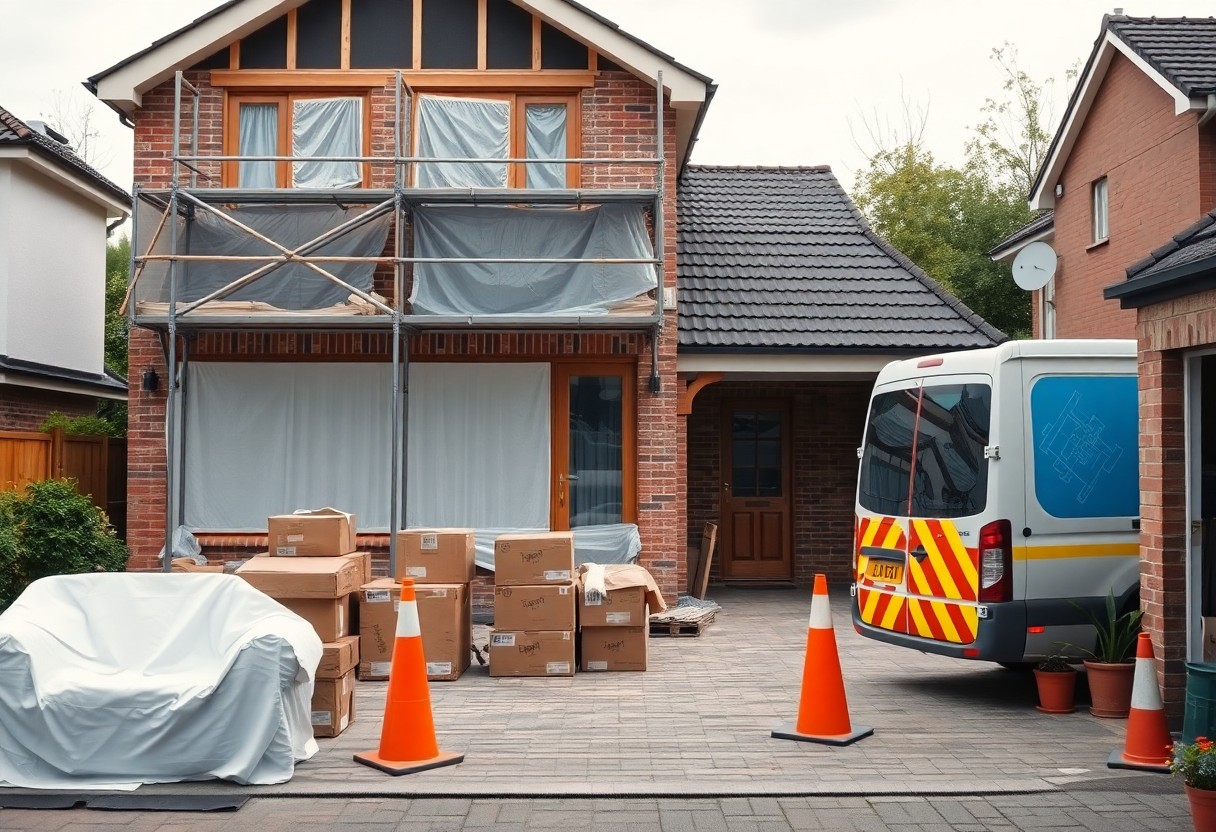
Plan for practical disruption: expect 6-12 weeks for many single-storey extensions and daily works often concentrated between 8:00-17:00. You should pack non-importants-about 30% of belongings-into storage and label boxes by room, and arrange alternative cooking and showering solutions. Inform neighbours at least two weeks ahead and consult a contractor checklist such as 6 Important Things to Consider Before Building a House Extension for site-access and safety points.
Communicating with Household Members
Agree on a clear daily routine: set quiet hours, allocate noise-tolerant rooms and establish a simple communication plan-group chat plus a printed weekly schedule. You should hold a 15-minute weekly meeting to review contractor timelines, adjust childcare or work-from-home plans, and assign tasks like boxing fragile items; families who do this cut missed appointments and stress by an estimated 40% in small-project case studies.
Organising Temporary Living Arrangements
Decide whether to stay on-site in a partitioned area, rent nearby for short breaks, or move out fully; short-term lets average £50-£120 per night in many UK towns. You should prioritise maintaining one functioning kitchen and one quiet bedroom, confirm power and Wi‑Fi needs, and budget for storage (£20-£60/week) plus temporary accommodation to avoid last-minute disruption.
When you opt for off-site stays, compare options: a local serviced flat gives full facilities but costs more, while staying with relatives saves money yet needs clear ground rules on privacy and pets. Factor in travel time-moving 5-10 miles adds commuting costs-and check that your contents insurance covers temporary addresses. Also measure and photograph furniture before storage; a typical family of four will need a 25-35m³ unit for 8 weeks, costing approximately £150-£400, depending on location and access requirements.
Post-Construction Considerations
Once the build is complete, act quickly to finalise paperwork and snagging: aim to complete a detailed snag list within 7-14 days, secure the Building Control completion certificate and keep all gas and electrical certificates and warranties (often a 10-year structural policy) in a safe place. Then schedule landscaping and drainage checks to avoid water ingress, monitor settlement for 6-12 months, and consult practical guides such as Creating a Successful House Extension | Blog | ALCO Properties.
Final Inspections and Touch-Ups
After practical completion, compile a photographic snagging list covering paint blemishes, tile alignment, door thresholds and plumbing finishes, and submit it to your contractor within the defects period. Arrange a Building Control or independent inspection before sign-off, and don’t accept handover without gas safety and electrical certificates. Also log repair deadlines in writing, chase outstanding items promptly, and keep correspondence to support any warranty claims.
Settling Into Your Extended Space
During the first 6-12 months you should monitor for minor movement and hairline cracks (typically under 3mm), allow new screeds and finishes to cure-avoid heavy loads for about 28 days-and check door/window operation after seasonal changes to confirm seals remain effective.
For practical management, stagger furnishing heavy items, ramp underfloor heating slowly (increase by about 1°C per day), inspect external ground levels and drainage after winter to prevent pooling, and update your buildings insurance and council records with the new footprint; these steps reduce long-term defects and protect the value of your extension.
Final Words
On the whole you should secure accurate plans, obtain necessary permissions, brief contractors clearly, protect interiors and landscaping, set a budget with contingency, plan temporary facilities and access, and communicate timelines to neighbours. By preparing documentation, clearing work areas, and coordinating deliveries you minimise delays, control costs and preserve your home’s condition throughout the build.
FAQ
Q: What planning and legal checks should I complete before starting an extension?
A: Check whether the project requires planning permission or falls under permitted development rights, and consult your local planning authority early. Confirm compliance with Building Regulations and engage Building Control for inspections. Investigate conservation area or listed building restrictions, tree preservation orders and any utilities or drainage easements affecting the site. If walls or structures adjoin a neighbour, consider the Party Wall etc. Act 1996 and obtain any necessary party wall awards. Obtain a topographical and, if needed, a structural or ground investigation survey to inform design and foundations.
Q: How do I choose the right contractor and set up a reliable contract?
A: Obtain multiple detailed written quotations and check references, previous projects and online reviews. Verify the contractor’s insurance (public liability and employer’s liability) and any relevant trade accreditations. Agree a written contract that specifies scope of works, materials, build programme, payment schedule with staged payments and retention, variations procedure and dispute resolution. Set out warranties, completion criteria and snagging arrangements. Consider appointing an independent clerk of works or project manager for larger builds.
Q: How should I prepare the interior and protect my possessions during construction?
A: Declutter and remove valuables, fragile items and intimate belongings from rooms near the works; use secure off-site storage if needed. Establish protected zones with dust sheets, temporary door seals and protective floor coverings; move or cover fitted furniture and carpets. Plan for temporary utility changes such as short-term water or heating interruptions and arrange temporary kitchen facilities if necessary. Notify family members of noisy periods and ensure safe circulation routes for children and pets away from the site.
Q: What steps should I take to manage site access, neighbours and on-site safety?
A: Inform immediate neighbours and provide contact details for the site manager and programme of works. Arrange licences for scaffolding or hoarding on the public highway and agree delivery and parking arrangements to minimise disruption. Establish a secure site compound with appropriate signage, welfare facilities and waste management. Ensure the contractor implements a site-specific risk assessment, method statements and adequate fencing to prevent unauthorised access; review emergency procedures and keep clear records of daily site attendance.
Q: How should I manage budget, timeline and contingency during the extension build?
A: Set a realistic budget that includes a contingency sum (typically 10-20%) for unforeseen issues such as structural surprises or material price changes. Agree a clear programme of works with milestones and allow time buffers for weather or planning delays. Use staged payments linked to completed milestones and keep a written record of any variations and their cost impact. Hold regular progress meetings with the contractor, maintain records of decisions and issues, and carry out a formal snagging inspection on completion before releasing final payments; update your home insurance to cover the extended work and new build value.