
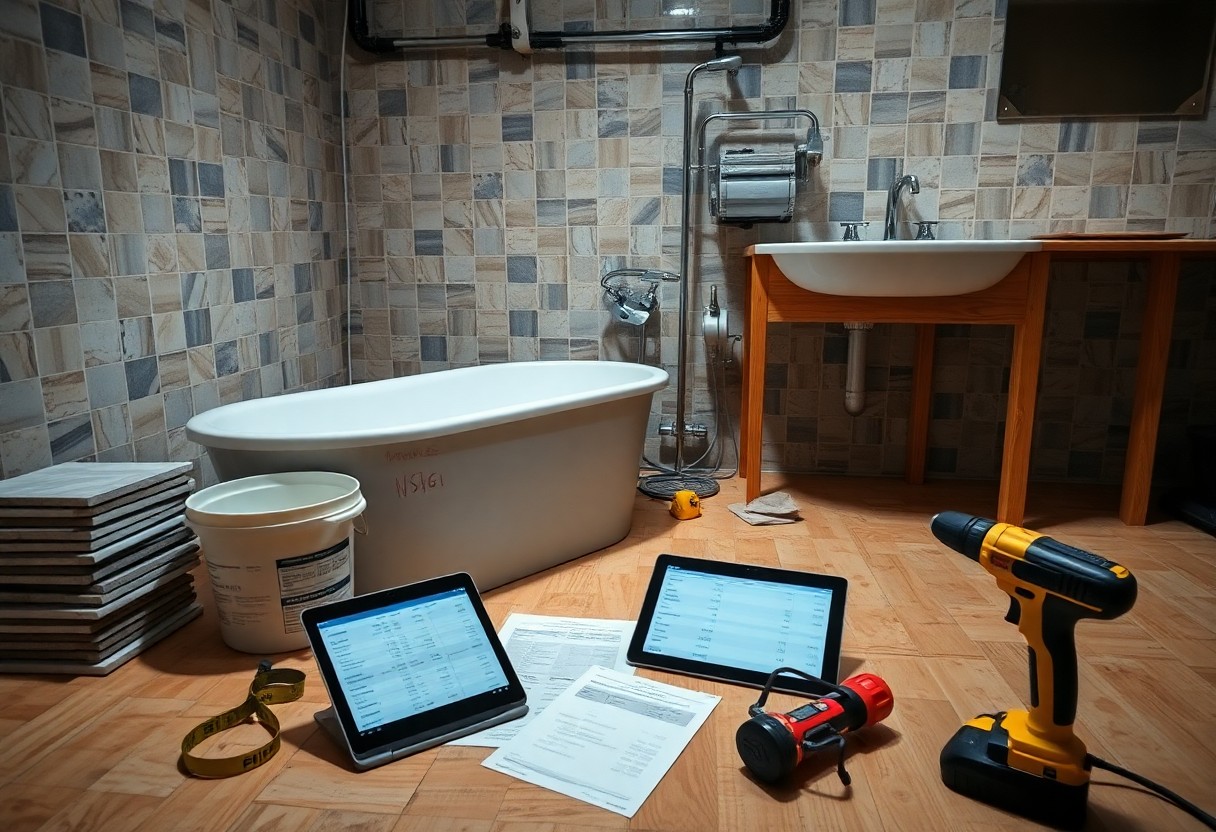
It’s crucial you understand how much a bathroom can cost and where money disappears so you can plan effectively; typical UK projects range from £3,000-£12,000 depending on size and specification, while hidden structural, plumbing or electrical problems can dramatically raise bills and pose safety risks, so you should budget for contingencies and hire qualified trades; on the positive side, energy-efficient fittings and smart design often boost comfort and resale value.
Factors Influencing Bathroom Renovation Costs
You’ll find that several variables swing the final bill: layout changes, plumbing relocation, and whether you strip back to joists; relocating a WC or sink can add £200-£800 per fixture, while a full rewire may be £1,000-£3,000. Structural repairs or damp remedial work often push budgets up; replacing rotten joists can cost £600-£1,500. Assume that you should budget a contingency of 10-20%.
- size
- materials
- labour
- plumbing
- fixtures
- layout
Size of the Bathroom
Square metreage dictates much of the cost: a small cloakroom (1-2 m²) can cost £1,500-£4,000, a standard family bathroom (4-6 m²) often sits at £4,000-£10,000, and a large en-suite or wet room frequently exceeds £10,000. If you convert to a wet room, plan for extra waterproofing-tanking and falls typically add £500-£2,000, and you should assess floor structure before committing.
Quality of Materials
Your choice of finishes drives material spend: basic ceramic tiles might be £15-£50/m², porcelain £30-£120/m², and natural stone from £50-£150+/m²; sanitaryware ranges from £40 for a budget basin to £600+ for designer pieces. You should balance durability and maintenance expectations when selecting materials.
For example, on a 4 m² mid-range refit you might choose porcelain at ~£40/m² plus a mid-range suite at £400, producing material costs near £1,000-£2,000; upgrading to natural stone or bespoke fittings can easily double that. Also weigh slip resistance, compatibility with underfloor heating and long-term warranties when you choose high-end finishes.
Labour Costs
Labour commonly accounts for 30-50% of the total job; expect trades rates roughly: plumber £150-£300/day, tiler £130-£250/day, electrician £170-£300/day, with overall labour often landing between £1,000-£6,000 depending on scope and complexity. You should factor in access issues and working hours when getting quotes.
Timelines matter: a straightforward strip-out and refit typically takes 1-2 weeks, whereas structural changes or multiple trades can extend a project to 3-6 weeks, which raises labour totals. Contractors add project management overheads and you should request detailed, itemised quotes and check whether VAT at 20% is included in labour and material prices.
Breakdown of Costs by Bathroom Type
Across bathroom types you’ll see wide variance: a full renovation typically ranges from about £5,000-£15,000, an en-suite from £3,000-£8,000 and a cloakroom or half bath from roughly £800-£3,500. Size, relocating soil pipes, moving joists or adding new drainage are the main drivers, while finishes (tiles, brassware) and trades labour often determine whether a job sits at the lower or upper end of these bands.
Full Bathroom Renovation
A full bathroom, usually 4-8 m², often involves replacing the suite, retiling and reworking plumbing; expect a typical project to land around £6,000-£12,000. Adding underfloor heating costs about £300-£1,200, tiling runs £20-£70 per m² and trades can account for 40-60% of the total. If you move the bath or alter drainage, allow an extra £500-£2,000 for pipe rerouting and structural work.
Half Bathroom Renovation
A half bathroom or cloakroom is the most cost-effective upgrade: installing a new WC and basin plus basic tiling typically costs between £800 and £3,000. You’ll save because floor area is small, but ventilation and correct waste routing remain vital-poor ventilation or an incorrectly routed soil pipe can lead to damp and odour issues, adding expense to fix.
You can further economise on a half bath: a basic basin from £60-£300 and a close‑coupled WC from £80-£400, while installation and materials commonly bring the job to £400-£1,200. Tradespeople often charge around £150-£300 per day, an extractor fan is £50-£200, and relocating a soil stack can add £500-£1,500. Because the area is small, a well‑executed cloakroom is a high‑value, low‑cost upgrade for resale.
Common Bathroom Renovation Features and Their Costs
You’ll find that specific features drive most budgets: fixtures, flooring, plumbing, electrics and waterproofing. Expect labour to be 40-60% of the total; a small ensuite typically costs £3k-£7k, a mid-range family bathroom £6k-£12k and high-end projects £15k+. Prioritise waterproofing and electrical safety since failures create the most expensive problems.
Fixtures and Fittings
You can budget taps from £50-£500, toilets £100-£800, vanities £150-£2,000 and shower enclosures £300-£3,000; premium brassware pushes prices higher. Labour and pipework commonly add £500-£2,000. Choose water-efficient fixtures to cut bills and check warranties, because improperly fitted valves and seals often cause the most damaging leaks.
Flooring and Wall Treatments
Flooring ranges from vinyl at £15-£50/m2 to ceramic or porcelain tiles £20-£60/m2 plus tiler labour £30-£60/m2; natural stone costs £50-£150/m2. Wall tiling typically matches floor rates per m2 and glass splashbacks sit at £100-£400. Fit a waterproof membrane under wet areas and consider underfloor heating (£200-£800) for comfort and value; failed waterproofing leads to structural rot and mould.
For example, a 10m2 tiled floor with half-height wall tiling might cost £400-£1,200 for materials and £900-£1,800 for labour; a tiled shower tray installation can add £300-£800. You should factor grout sealing and maintenance-sealed natural stone raises costs but can boost resale appeal-while poor substrate preparation remains the common cause of tile failure.

Budgeting for Unexpected Expenses
Plan a sensible buffer so you can cope with surprises like hidden rot, rewiring or asbestos removal without halting work. For example, if your quote is £8,000, a 15% contingency (£1,200) is a practical starting point; smaller jobs can use 10% (£500-£1,000), larger renovations often need 20% (£2,000+). You should check quotes for itemised allowances and ensure funds cover both repairs and short-term accommodation or temporary facilities if needed.
Contingency Funds
Aim to set aside 10-20% of the total project cost as contingency, adjusting for scope: small cloakroom £500-£1,000, standard bathroom £1,000-£3,000, luxury refit £3,000+. Split that pot into immediate repairs (50%), upgrades you decide on-site (30%) and administrative/permit costs (20%). You should keep contingency accessible, not tied up in supplier payments, so you can act quickly when an issue arises.
Hidden Costs
Expect items that rarely feature in initial quotes: asbestos removal (£500-£3,000), electrical rewiring (£600-£2,500), structural joist repairs (£800-£4,000) and extensive water-damage replacement (£1,000+). Also factor in skip hire (£150-£300), Building Regulations approval (£100-£500) and unexpected tile substrate repairs. If you encounter contamination or live wires, those are dangerous and will push timelines and costs up markedly.
Obtain a pre-start survey where possible: a decent site inspection or CCTV drain check costs around £120-£400 but often saves far more by revealing pipe, drainage or timber issues early. For example, a typical mid-range job of £6,500 can incur an extra £3,200 for undetected rot; having an allowance and clear, itemised quotes from trades reduces such shocks and gives you negotiating leverage.
DIY vs. Hiring Professionals
You can save 20-50% on labour by tackling tiling, painting or replacing fittings yourself, but minor mistakes often cost £500-£3,000 to rectify; professionals typically charge £150-£300 a day for trades like tilers and plumbers, and a full professional refit for a small bathroom commonly runs £4,000-£12,000, so weigh savings against the potential for hidden costs and safety risks when deciding your approach.
Cost Comparisons
If you handle groundwork and fittings you’ll lower upfront spend, yet labour-free estimates can be misleading once you factor waste, specialist tools and rework; for example, a DIY small-bathroom refit might total £1,500-£4,000, whereas hiring a contractor usually brings a £4,000-£12,000 bill but includes warranties and regulated trades where needed.
Cost comparison: typical expenses
| DIY | Hiring a Professional |
|---|---|
| Materials: £800-£2,500 | Materials: £1,200-£4,000 (trade discounts) |
| Labour: £0 (your time) but expect tool hire £50-£300 | Labour: £2,000-£6,000 (combined trades) |
| Typical total (small bathroom): £1,500-£4,000 | Typical total (small bathroom): £4,000-£12,000 |
| Risk of mistakes: repair bills £200-£3,000+ | Risk of mistakes: lower; many include guarantees |
| Time: 2-8 weeks depending on skill | Time: 1-3 weeks with coordinated trades |
Time and Skill Considerations
You should expect professionals to complete a standard bathroom in 1-3 weeks-electricians and plumbers working to Building Regulations-whereas DIY projects commonly stretch to 3-8 weeks; any electrical work, fixed wiring or structural changes must be done by a qualified tradesperson, and underestimating skill needs often leads to delays and extra expense.
For example, a homeowner who moved a soil pipe themselves later paid £1,200 to fix leaks and replumb; conversely, hiring a certified bathroom installer who coordinates tiler, plumber and electrician can eliminate scheduling gaps and reduce total labour days. Trades typically charge: tilers £150-£250/day, plumbers £150-£300/day, and electricians £200-£350/day-so your choice between learning new skills and buying time will materially affect both cost and outcome.

Financing Your Bathroom Renovation
Combine savings, loans and grants to cover a typical small bathroom budget of £5,000-£15,000. If you need extra funds, short‑term 0% purchase cards can help for purchases under about £3,000, while unsecured personal loans usually sit around 6-12% APR. For larger projects, remortgaging or a second‑charge mortgage often offers lower rates of roughly 3-6%. Always set a 10-20% contingency for hidden works such as joist repairs or drainage issues.
Loan Options
You can use unsecured personal loans for mid‑range jobs; expect APRs of around 6-12% with fixed monthly repayments. Choosing to remortgage or take a second‑charge loan lowers rates but increases your mortgage balance. Avoid funding renovations on credit cards-rates often exceed 20% and are dangerous for large sums. If you are older, equity release provides cash up front but reduces inheritance and incurs fees, so seek regulated financial advice before proceeding.
Grants and Subsidies
Disabled Facilities Grants (DFGs) can cover adaptations such as wet rooms and accessible toilets, with a statutory maximum of £30,000 in England; local authorities also run discretionary schemes. You must apply via your council and typically need an occupational therapist assessment. Smaller local or charitable grants-organisations like Age UK or community trusts-can top up costs for low‑income households, so check your council’s housing and social services pages early in planning.
For eligibility, you’ll generally need to demonstrate a disability or mobility requirement; an occupational therapist’s report usually supports the DFG application and councils often take 6-12 weeks to assess complex cases. Typical awards vary widely-from a few hundred pounds up to the £30,000 limit-with many adaptations falling between £1,000-£15,000. You should obtain written estimates and liaise with housing officers early, since retrospective grant claims are rarely accepted.
Final Words
Taking this into account, you can plan your bathroom renovation with confidence by prioritising needs, setting a realistic budget, and accounting for labour, materials and unexpected contingencies; by comparing quotes, choosing durable finishes and scheduling work sensibly you will control costs and achieve a better-value result that meets your expectations.
FAQ
Q: What factors most influence the overall cost of a bathroom renovation?
A: The main cost drivers are room size, the extent of structural changes (moving walls or reconfiguring the layout), plumbing and electrical work, quality of fixtures and finishes, and labour rates in your area. Site access, waste removal, building control or planning fees and the condition of the existing substrate (rotting joists, moisture damage or poor wiring) also affect cost. Moving drains or altering pipe runs typically adds significantly to the budget because of excavation and reinstatement.
Q: How much does a typical bathroom renovation cost in the UK?
A: Typical ranges are: cosmetic refresh (new tiles, paint, fittings) £2,000-£5,000; standard full refit (new suite, tiling, moderate layout work) £5,000-£12,000; high-end or bespoke renovations £12,000-£25,000+. Small cloakrooms or ensuite conversions can fall between £3,000 and £8,000 depending on fittings and access. Labour and materials vary by region; London and the south-east commonly sit at the upper end of these ranges.
Q: How is the cost usually broken down between labour and materials?
A: A typical split is labour 30-50% of the total, fixtures and fittings 20-35% (bath, basin, WC, shower, taps), tiling and waterproofing 10-20%, and additional items such as joinery, heating, electrics and decoration making up the rest. Ancillary costs – waste disposal, building control, design fees and VAT (generally 20%) – should also be included. Exact proportions depend on whether you choose premium sanitaryware or simple off‑the‑shelf items.
Q: Which upgrades add the most to the price and which give best value?
A: High-cost upgrades include moving drainage or reconfiguring the room, bespoke joinery, underfloor heating (wet systems from about £800-£2,000; electric from £300-£1,200), walk‑in wet room conversions and custom stone surfaces. Best value often comes from replacing sanitaryware and taps, retiling focal areas, improving lighting and ventilation, and choosing durable mid‑range tiles that look premium but cost less than natural stone. Energy‑efficient showers and good ventilation reduce long‑term running costs.
Q: What unexpected costs should I plan for and how should I budget?
A: Common unexpected issues are hidden water damage, structural repairs, outdated or unsafe wiring, and discovering non‑compliant pipework. Include a contingency of 10-20% of the total estimate for unforeseen work. Obtain at least three detailed written quotes, check references and insurance, agree a staged payment schedule, and ask for fixed‑price items where possible. Typical timescales are a few days for a small refresh, 2-6 weeks for a full refit, and longer if there are structural changes or planning requirements.