
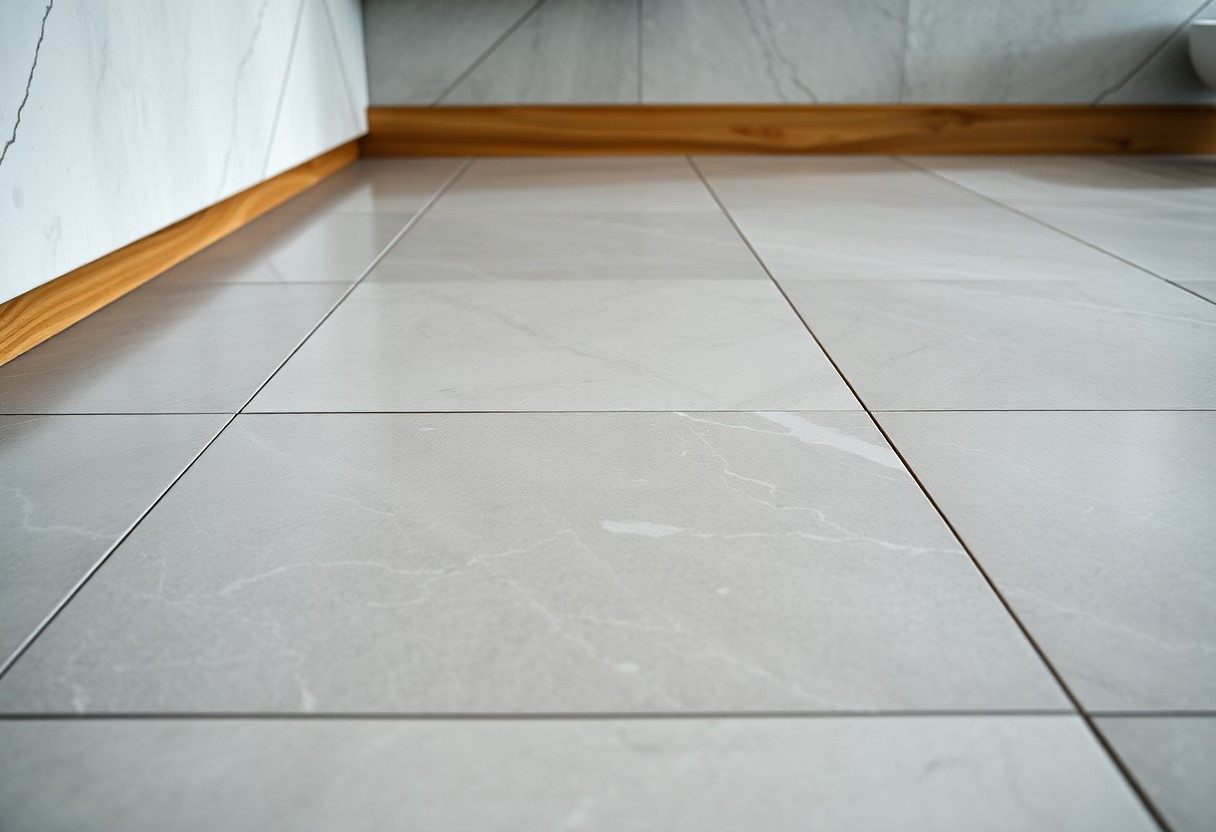
You should select flooring that balances style, function and budget: consider durable options like engineered wood for warmth, luxury vinyl for water resistance and tiles for high-traffic areas, matching your layout and lifestyle; avoid installing hardwood in moisture-prone rooms because you risk warping, and prioritise low-maintenance, cost-effective solutions when renovating to ensure long-term value and performance.
Overview of Modern Flooring Trends
You’re seeing a shift toward durable, low-maintenance surfaces: luxury vinyl tile (LVT) for wet rooms, engineered timber for underfloor heating, and wider planks for continuity between spaces. Manufacturers now offer >20-year warranties on premium LVT and engineered oak in 150-300mm widths to create seamless sightlines. Designers favour matte, low-VOC finishes and concealed thresholds to achieve a streamlined, high-performance result for contemporary renovations.
Sustainable Materials
You can choose rapidly renewable bamboo (harvestable in 3-5 years), cork harvested from bark regrowth, or reclaimed timber that reduces embodied carbon versus new oak. Several suppliers publish EPDs and offer FSC‑certified or Cradle to Cradle products; some vinyl ranges contain 40-60% recycled content. Prioritise low‑VOC adhesives and finishes to protect indoor air quality in sealed, modern homes.
Minimalist Aesthetics
You’ll find minimalist schemes rely on wide-plank neutral timbers, concrete-effect LVT and hidden trims to maintain visual calm. Typical plank widths of 180-240mm create continuity in open-plan living, while matte finishes reduce glare and mask small abrasions. Pair pale oaks or grey tones with slim skirtings and consistent grout lines to achieve that pared-back, contemporary look.
You should opt for engineered timber when pairing with underfloor heating because solid hardwood is sensitive to moisture and temperature changes, which can cause movement. In compact rooms choose narrower planks (120-150mm) to avoid overwhelming patterning; in expansive areas use 200mm+ to emphasise flow. Consider sample runs under your lighting and traffic patterns-this practical test often reveals colour shifts and wear behaviour before you commit.
Hard Surface Flooring Options
Within hard surfaces you’ll weigh durability, maintenance and water resistance across hardwood, tile, stone and LVP; for example, ceramic tile can last 50+ years with minimal upkeep, while LVP offers waterproof performance with wear layers of 8-20 mil. You should consider installation type (floating, glue-down, nailed), subfloor prep and traffic levels to decide the best fit. Water performance and wear rating will often determine long-term cost.
Hardwood
Solid and engineered hardwood differ substantially: solid planks (typically 19 mm) can be sanded 4-6 times and last 50-100 years, while engineered boards (9-15 mm) offer dimensional stability over concrete and basements. You’ll choose oak, maple or walnut for species-specific hardness (Janka: oak ~1,200 lbf) and between oil or polyurethane finishes. Hardwood is not fully waterproof, so you must control humidity to avoid cupping and gaps.
Luxury Vinyl Plank
You’ll find LVP comes in SPC and WPC rigid cores, typically featuring wear layers of 8-20 mil and retailing around £15-£40/m²; many manufacturers offer 10-25 year warranties for domestic use. Installation is usually click-lock floating or glue-down and it’s fully waterproof, making it ideal for kitchens, bathrooms and high-traffic apartments. You should verify slip ratings for wet areas and opt for a commercial-grade wear layer where heavy use is expected.
Prepare the subfloor to within 3 mm over 2 m to prevent telegraphing; LVP works with underfloor heating provided the surface temperature stays below 27°C. Sound-reducing underlay can cut impact noise by 15-22 dB, and commercial projects typically specify a 20 mil wear layer for longevity. You should maintain LVP with dry sweeping and a damp mop, avoid steam cleaners, and check for low-VOC certification (FloorScore/E1) if indoor air quality matters.
Soft Surface Flooring Options
Soft surfaces deliver thermal comfort, acoustic dampening and quick aesthetic updates; you’ll gain up to 20-30 dB reduction in impact noise with a quality carpet plus underlay. Choose wool for natural resilience and low static, or synthetics like polypropylene for stain resistance and budget installs. Pay attention to BS 5852 fire ratings and plan cleaning cycles-vacuum twice weekly and deep-clean every 12-18 months-to avoid mould or allergen build-up in high-humidity zones.
Carpet
You’ll pick carpets by pile, fibre and Martindale rating: residential options typically test at 10,000-20,000 rubs, heavy domestic 20,000-40,000. Wool blends offer natural flame resistance and longevity, while nylon gives superior stain performance for family homes. Fit a 6-10 mm underlay for comfort and impact reduction, follow BS 5852 where required, and plan professional cleaning every 12-18 months to maintain appearance and indoor air quality.
Area Rugs
You can use area rugs to zone open-plan spaces or add colour without replacing floors; common sizes include 150×240 cm (5×8 ft) and 240×300 cm (8×10 ft). Select wool for durability and natural stain resistance, or low-cost polypropylene for high-traffic kitchens. Always pair with a non-slip underlay to prevent trips and to extend rug life; spot-clean spills immediately and get a professional clean every 12-24 months.
For placement, position front legs of sofas on the rug in lounge schemes and allow at least 60 cm clearance beyond dining tables so chairs remain on the rug when pulled out. Choose pile heights of 3-12 mm for dining and high-traffic routes to avoid wobble under chairs, and consider layered rugs for texture-use a 3-5 mm pad beneath to prevent movement and reduce wear.
Tile and Stone Flooring
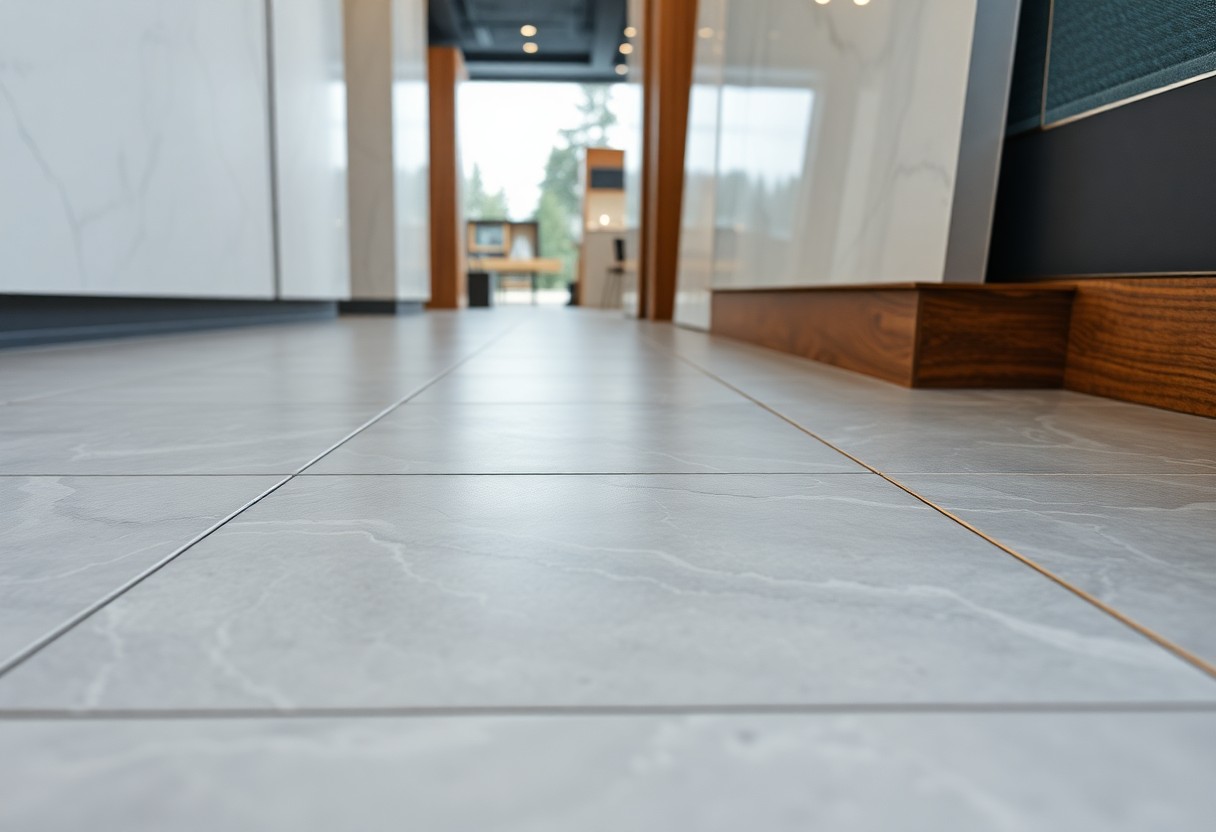
Tiles and stone give you long-lasting, low-maintenance options that suit kitchens, bathrooms and high-traffic open-plan areas; manufacturers now offer large-format porcelain up to 1600×3200mm for near-seamless looks and you can pair most products with underfloor heating. While tiles often deliver excellent water resistance, natural stone may demand more upkeep and periodic sealing, so you should weigh lifecycle costs and installation complexity when specifying for a modern renovation.
Ceramic and Porcelain Tiles
You can choose porcelain for commercial-grade durability – many tiles carry a PEI 5 wear rating and porcelain meets ISO standards with water absorption ≤0.5%, making it ideal for wet rooms. Sizes typically range from 200×200mm to 600×600mm and large-format 1200mm+ slabs, so you can minimise grout lines; manufacturers like RAK and Marazzi produce rectified edges for tighter joints, and porcelain performs well over underfloor heating systems.
Natural Stone
You’ll find marble, granite, slate and limestone each offer distinct aesthetics and performance: granite scores about 6-7 on the Mohs scale and resists scratching, while marble at ~3-4 is prone to acid etching from citrus or cleaners. Stone tiles are heavier and often require sealants; plan for professional installation and frequent inspection of grout and seals in wet zones to protect appearance and longevity.
For deeper detail, you should expect natural stone tiles to be thicker and denser than ceramics-commonly 10-20mm-so substrates need to be level and load-bearing; installers often reinforce joists in suspended floors. Finishes matter: honed limestone gives slip resistance for bathrooms, polished marble offers a luxe look but demands more care, and granite suits kitchens where abrasion resistance matters. Sealant is normally applied on installation and then every 1-3 years depending on use.
Factors to Consider When Choosing Flooring
Balance traffic, moisture, budget and long‑term value when selecting materials; kitchens and hallways demand higher wear resistance while bathrooms require water resistance. Assess lifecycle costs-installation, repairs and disposal-alongside aesthetic goals and resale impact. After prioritising factors such as durability, maintenance and style you can shortlist options like hardwood, LVT or porcelain based on quantified needs.
- Durability – hardwood 25-100 years; porcelain highly scratch‑resistant
- Maintenance – LVT/waterproof vinyl needs only damp mopping and occasional sealing for joins
- Style – grain, colour and finish determine modern vs traditional appeal
- Cost – factor installation and underlay, typically £20-£80/m² depending on material
Durability and Maintenance
You should match material life to room use: solid hardwood often lasts 50-100 years with refinishing, engineered wood 20-30 years and LVT 10-25 years; laminates use AC ratings (AC3-AC5) to indicate wear tolerance. Expect daily sweeping in high-traffic areas, weekly damp mopping for resilient floors and resealing stone every 1-5 years; select warranties of 10-30 years when possible.
Style and Comfort
You’ll want flooring that complements furniture and provides underfoot comfort; cork and wool carpet add warmth and noise reduction, while porcelain tiles deliver a sleek, modern look-ensure chosen textures and tones suit open-plan layouts and check compatibility with underfloor heating.
For example, you’ll find cork offers natural thermal insulation and can reduce impact noise by up to 10-20 dB, making it ideal for bedrooms; luxury vinyl replicates oak at roughly £20-40/m² and resists kitchen spills, whereas engineered oak pairs well with refinishable living areas-you should consider pile height for carpets (10-15 mm) and slip ratings for wet zones.
Cost Analysis of Flooring Options
Budget-Friendly Choices
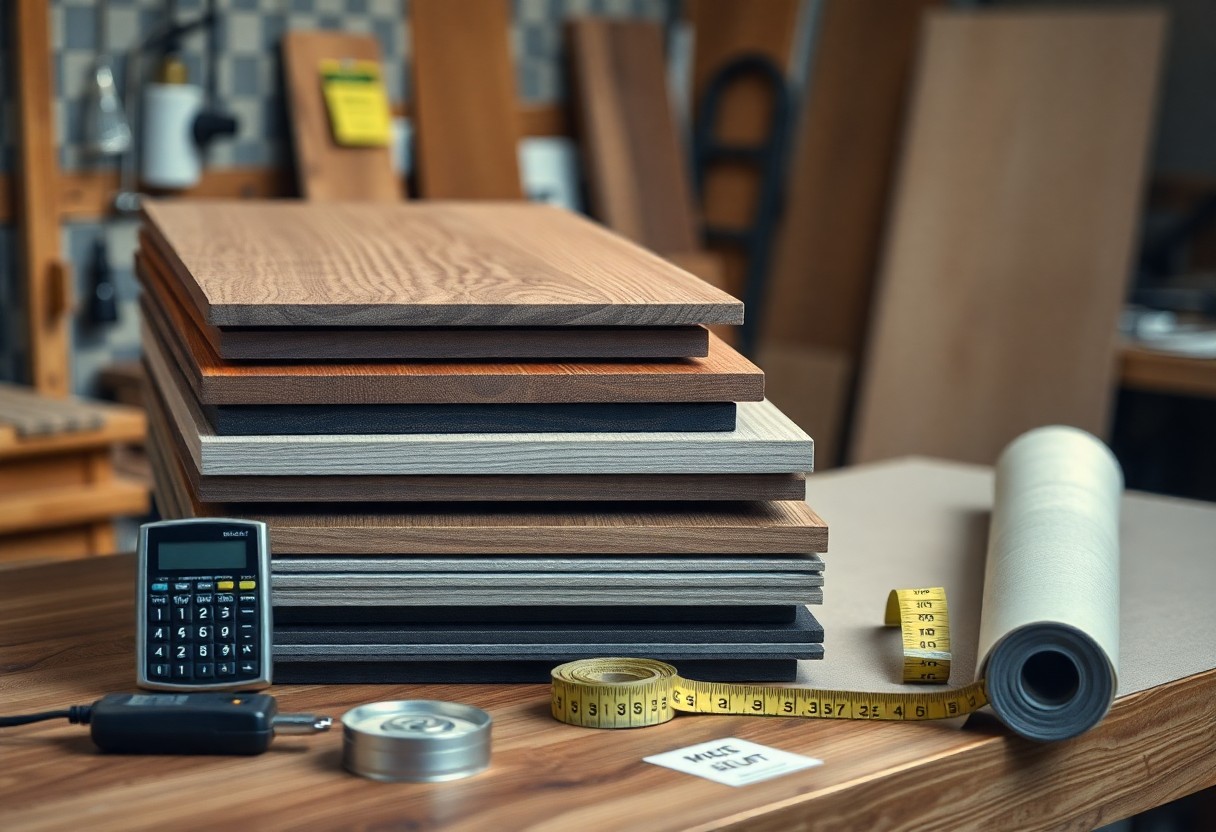
You can keep initial spend low with laminate or vinyl: typical retail ranges are £8-£25 per m² for materials, plus installation of about £10-£25 per m². Vinyl planks often last 10-20 years and laminate around 8-15 years under normal use. For a 20 m² room expect total costs of roughly £360-£1,000, making these options ideal if you prioritise low upfront cost over longevity.
Long-Term Investment
If you focus on lifecycle value, engineered oak (£30-£60 per m²) or solid hardwood (£50-£120 per m²) deliver the best returns; they typically last 20-40 years and 40+ years respectively with maintenance, and can boost resale appeal by an estimated 2-5%. For example, installing engineered oak in a 30 m² living room usually totals about £1,200-£2,700 including labour, offering durability that offsets higher upfront cost.
Pay attention to wear-layer thickness and maintenance: choose engineered boards with a wear layer of at least 2-3 mm if you want the option to sand once or twice; anything below 2 mm often cannot be re-sanded. Refinishing solid wood typically costs around £15-£30 per m² and can extend life by decades, so calculate lifecycle expenses (purchase + maintenance) when you assess long-term value.
Conclusion
From above, you can choose flooring that balances durability, style and budget by prioritising engineered or solid wood for warmth, luxury vinyl for water resistance and ease, and large-format porcelain for contemporary minimalism; combine practical underlay, professional installation and maintenance plans to protect your investment and ensure your renovated space remains functional and elegant for years.
FAQ
Q: What are the best flooring types to consider for a modern renovation?
A: The most popular choices for contemporary schemes are engineered wood for warmth and authenticity, luxury vinyl tile (LVT) for durability and design variety, porcelain tile for wet areas and high traffic, polished concrete for an industrial minimal look, and high-quality laminate for cost-effective, realistic finishes. Select based on room use, moisture exposure, desired aesthetic and budget.
Q: Which flooring options work best with underfloor heating and open-plan living?
A: Porcelain tile and polished concrete conduct heat very efficiently and suit underfloor systems, offering stable performance in open-plan areas. Engineered wood is compatible when fitted over a suitable heated subfloor and with matching adhesives; choose stable constructions and follow manufacturer limits for surface temperature. LVT also performs well with underfloor heating and provides acoustic benefits for open-plan layouts.
Q: How do I decide between engineered wood, laminate and LVT for a contemporary interior?
A: Engineered wood offers authentic timber appearance and can be sanded once or twice depending on top-layer thickness, ideal for longevity and resale appeal. Laminate is cost-effective, scratch-resistant and quick to install but less moisture tolerant. LVT combines water resistance, authentic visual options and soft underfoot comfort; pick LVT if moisture or heavy wear is expected, engineered wood for premium character, laminate for tight budgets.
Q: What maintenance and durability differences should I expect among these floorings?
A: Porcelain tile and polished concrete are low maintenance-regular mopping and occasional resealing of concrete are sufficient. LVT needs simple sweeping and damp mopping and resists stains well. Engineered wood requires gentle cleaning products and periodic re-oiling or light refinishing depending on the finish. Laminate resists scratches but fares poorly with standing water; avoid excess moisture and use felt pads to prevent abrasion.
Q: How should sustainability, lifespan and resale value influence my flooring choice?
A: Sustainable choices include FSC-certified engineered wood, long-life porcelain and LVT products with recycling schemes or low-VOC formulations. Engineered wood and high-quality porcelain typically add the most resale value due to perceived quality and longevity. Factor lifecycle impact, maintenance needs and local market preferences: select durable materials with repairable finishes to balance sustainability and long-term cost-effectiveness.