
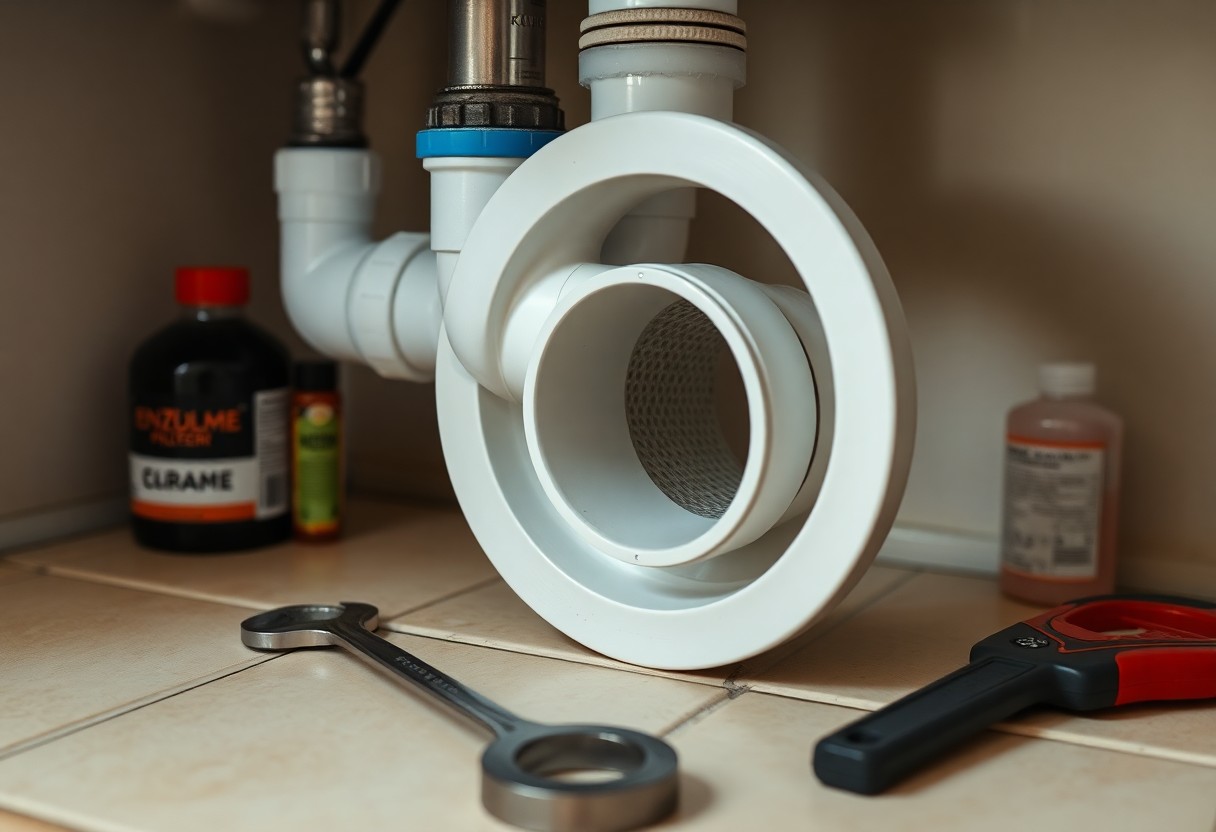
It’s important you know common causes-hair, grease, wet wipes and tree roots-and how to prevent them; blocked drains can cause foul odours, flooding and structural damage, so act swiftly. You reduce risk by disposing of waste correctly, using strainers, avoiding pouring fats down sinks and arranging regular inspections; for persistent problems, hire a professional for safe, effective repairs that protect your home and save money.
Causes of Blocked Drains
You encounter blockages from mechanical failures and accumulations: tree root intrusion forcing joints apart, collapsed or misaligned pipes after ground movement, progressive build-up of fat, oil and grease or limescale on pipe walls, and foreign objects entering the system; combined sewer overload during heavy rain also leads to backflow. Perceiving the difference between a slow sink and a sewage backflow helps you decide whether to attempt a DIY clear or call a professional.
Common Blockage Materials
You regularly find hair, wet wipes, sanitary products, cooled cooking fat, compacted food waste and soap scum forming domestic obstructions; industrial sites add grease, silt and packaging. You should note that many “flushable” wipes behave like non-biodegradable rags and that congealed fat can form several centimetres of lining within weeks. Perceiving these materials guides your daily prevention choices.
- Hair
- Wet wipes
- Sanitary products
- Cooking fat
- Food waste
Contributing Factors
Factors that accelerate blockages include poor pipe gradients allowing sediment to settle, undersized drains for commercial loads, corrosion in older metal pipes, and root-seeking joints in ageing claywork; seasonal heavy rainfall forces debris into systems and increases frequency of incidents. You should log repeated slow drains as they often precede major failures. Perceiving the role each factor plays helps you target remedial work before collapse.
You can measure risk by inspecting gradients (ideal fall is roughly 1:40 for 100mm drains), checking pipe material for corrosion, and noting tree proximity-roots can enter joints from 2-3 metres away; routine cleaning and targeted repairs typically halve emergency call-outs. Prioritise fixes where you see standing water or repeated blockages. Perceiving these indicators lets you plan scheduled maintenance and professional intervention.
- Poor gradient
- Undersized drains
- Pipe corrosion
- Tree proximity
- Heavy rainfall
Prevention Strategies
Routine Maintenance
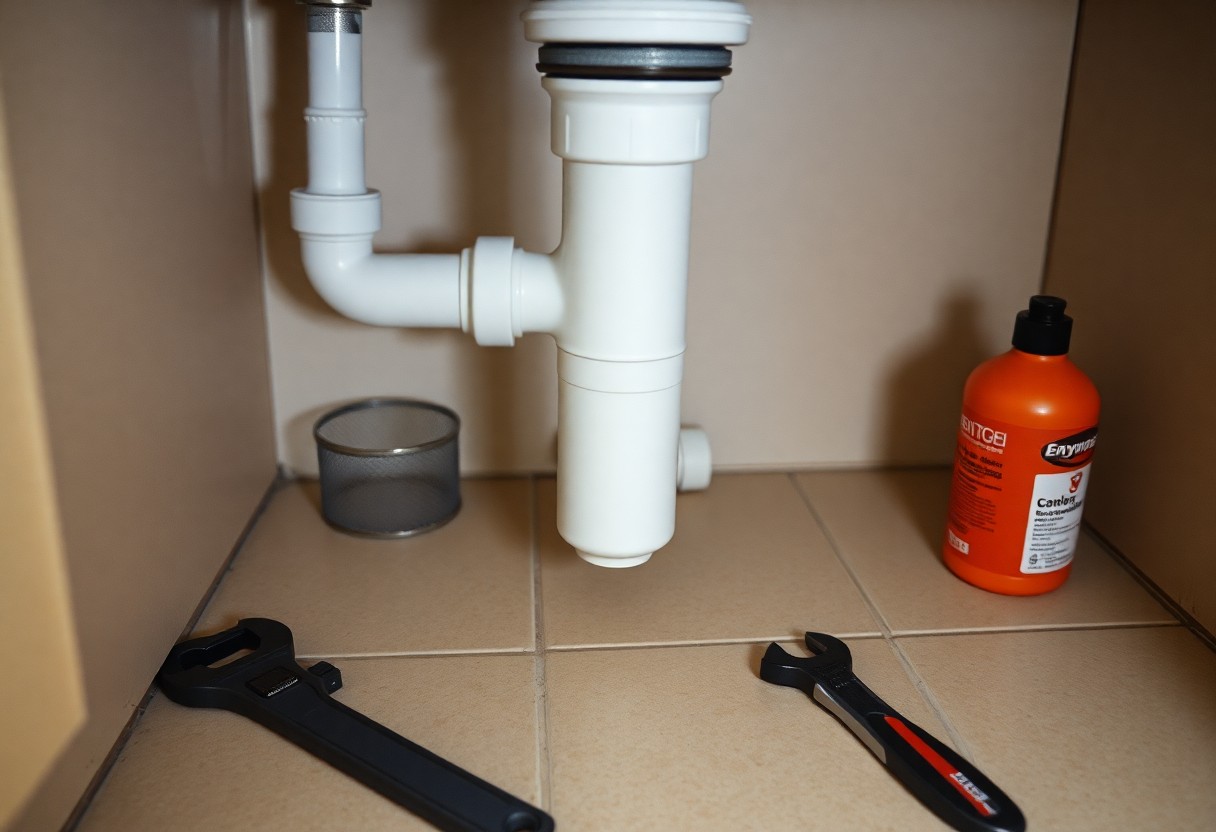
You should carry out simple, scheduled tasks to stop build-up: run hot water for 30-60 seconds after washing up and flush the sink weekly with about 1 litre of boiling water; fit strainers and clear them after each use. Use an enzyme drain treatment once a month to break organic films, plunge small clogs promptly and consider a professional descaling or CCTV inspection every 12-24 months for older systems.
Proper Disposal Practices
You should never pour fats, oils or grease (FOG) down the sink; let them cool and collect in a sealed container to put in the bin. Flushable wipes are not truly flushable – they, sanitary items and cotton buds join with grease to form fatbergs that cause severe blockages. Compost vegetable peelings and use a food caddy to keep solids out of the drains.
Put cooled cooking oil into a jar and empty it with your general waste every fortnight; even small amounts solidify and trap coffee grounds, forming blockages within weeks. Fit sink strainers (mesh sizes ~1-3 mm) and empty them after each dishwash. For building or trade work you should use commercial interceptors and comply with water company guidance – illegal disposal can lead to fines and costly repairs.
Signs of Blocked Drains
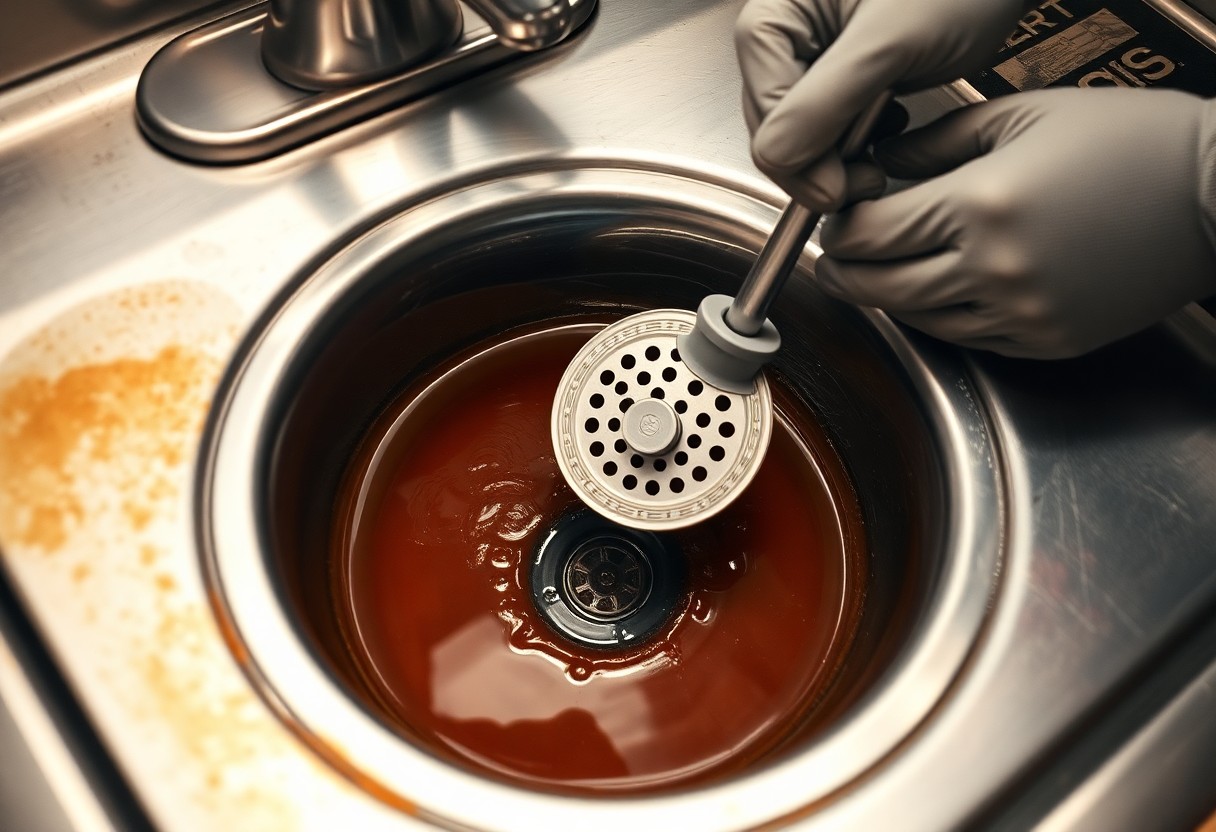
You may notice sinks and baths emptying slowly, gurgling noises, or water pooling around fittings; these often precede full blockages and are easier to fix early. Persistent problems-such as backups occurring more than twice a month or foul odours-can signal tree-root intrusion, collapsed joints or fat build-up. You can cut risk by following practical tips in 13 Ways You Can Prevent Clogged Drains, and by acting promptly when signs appear.
Warning Indicators
Gurgling sounds, toilets that rise when you run other appliances, and sinks taking longer than 30-60 seconds to drain are classic indicators. Persistent damp patches, mould or slow-draining showers suggest a partial obstruction or leak. If multiple fixtures are affected or you detect a sewage smell, treat it as a likely main-line issue rather than a local trap blockage-those cases often require professional inspection.
When to Seek Help
If sewage is backing into fittings, you have persistent blockages across two or more fixtures, or external pooling near drains, contact a professional immediately; these are emergency-level problems. Also seek help if DIY clearing fails repeatedly or slow drains persist beyond 48 hours, since waiting increases the risk of structural damage and higher repair bills.
When you call a drainage engineer they’ll usually start with a CCTV survey to pinpoint the fault-surveys typically cost £150-£300-then use mechanical rodding or high-pressure jetting (£120-£600) to clear obstructions. If tree roots or collapsed pipework are found, repairs can range from a few hundred pounds to £1,500+; for example, replacing about 6 metres of damaged clay pipe after repeated root incursions commonly costs around £900. For genuine emergencies expect an attendance window of 24 hours; give the engineer clear details about which fixtures are affected, how often the problem recurs and any odours so they bring the correct equipment and avoid extra call-outs.
DIY Fixes for Blocked Drains
You can often clear minor blockages without a call-out by combining mechanical action and household treatments: pour about 2 litres of boiling water to dissolve grease, follow with a mix of roughly 100 g bicarbonate of soda and 250 ml white vinegar for organic build-up, then flush after 30 minutes. Take care when water backs up or smells sulphurous; those signs indicate a deeper fault and you should stop attempts to avoid overflow or contamination.
Simple Solutions
For routine sink and shower clogs, use a plunger with a seal and perform 10-15 vigorous pumps, then check the waste trap: removing and cleaning the U-bend takes 10-20 minutes with gloves and a bucket and often restores flow. You can also fish hair with a bent wire coat hanger or a plastic zip-tool; these low-cost fixes resolve around 60% of domestic blockages caused by hair and grease.
Tools and Techniques
Equip yourself with a basic toolkit: a cup plunger, a 3-5 metre hand auger (plumber’s snake), a bucket and gloves, plus an enzyme-based drain cleaner for overnight treatment. Run the auger gently, rotate to catch debris, then withdraw; avoid forcing the cable to prevent damage. Note that caustic chemical cleaners can corrode pipes and burn skin, so favour mechanical methods first.
When using a snake, feed it slowly into the drain until you hit resistance, then rotate clockwise and pull back to extract the obstruction; repeat twice if necessary and clean the cable after use. For stubborn grease, preheat 2 litres of boiling water and pour in stages to melt deposits, then treat with an enzyme product and leave 8-12 hours before flushing. Never mix bleach and acids-doing so produces toxic gases and is dangerous.
Professional Drain Cleaning Services
When DIY measures fail, you should hire a trained team that offers CCTV surveys, mechanical rodding and hydro-jetting at up to 4,000 psi for heavy grease and scale. Technicians often trace blockages to within 0.5-2 metres using camera reels and will advise on permanent fixes such as relining or root cutting. For common causes and prevention tips see Top 10 Common Causes of Clogged Drains.
When to Call a Professional
If multiple fixtures slow at once, toilets gurgle, or you detect foul odours or sewage backing up, call a pro. Persistent blockages lasting more than 24-48 hours, flooding after heavy rain, or visible sink overflow are signs you need specialist inspection; attempting aggressive chemicals can worsen pipe damage and introduce sewer gases and bacteria into your home.
What to Expect
An initial visit usually includes a CCTV inspection to locate and classify the blockage; typical CCTV surveys cost around £80-£200. Afterwards you’ll receive a diagnosis and a quotation-common treatments are rodding (£60-£150) or hydro-jetting (£120-£350). You should be told of any required repairs such as lining or excavation before work proceeds.
Technicians will measure blockage distance from the access point, show you live footage, then select the least invasive method: high-pressure jets for grease and scale, cutters for roots, or mechanical augers for hair and soap. After clearance they often provide before-and-after CCTV footage, a written report, and maintenance advice to help prevent recurrence.
Long-term Solutions
For lasting results you should prioritise structural fixes: replace ageing cast-iron or clay with uPVC or HDPE, increase main drain diameter to standard 110 mm where flow is restricted, and install grease interceptors for kitchens. Many properties see a marked fall in blockages after upgrades, and modern plastic systems often carry a service life of 50+ years. Combine these with root barriers and proper gradients to reduce future call-outs.
Upgrading Plumbing Systems
You can reduce recurring blockages by re-pitching wrongly graded runs to around 1:40 (≈25 mm/m), replacing narrow or corroded traps, and fitting backflow prevention where flooding risk exists. For commercial sites, size grease interceptors to the flow rate and fit access chambers at every change of direction; domestic upgrades typically involve increasing pipework to 110 mm mains and 40-50 mm waste outlets to improve self-cleansing velocity.
Regular Inspection and Maintenance
Adopt a schedule: visual checks every 12-24 months, professional CCTV surveys every 3-5 years for lateral drains, and jetting or rodding annually where trouble recurs. You should prioritise properties with nearby trees, previous collapses, or heavy kitchen use, since these factors raise blockage risk and emergency repairs.
In practice, you can log slow-drain reports, ensure gully gratings are clear after storms, and arrange grease-trap emptying-often monthly for busy kitchens. Use enzyme-based cleaners for ongoing care and avoid caustic drain chemicals; for diagnostics, hire a certified operator with CCTV and high-pressure jetting to map defects and plan targeted repairs, which typically cut emergency call-outs by up to 70% in documented schemes.
To wrap up
The most common causes of blocked drains are hair, grease, foreign objects and tree roots, but you can reduce risk by using strainers, disposing of fats correctly and scheduling regular inspections; simple DIY fixes include plungers and enzyme treatments, while persistent problems require professional jetting or CCTV diagnosis to protect your property and save time and expense.
FAQ
Q: What are the most common causes of blocked drains?
A: Blockages are typically caused by a build-up of hair, soap scum and grease in bathroom and kitchen pipes; wet wipes and sanitary products that do not break down; food waste and cooking fat poured down sinks; foreign objects accidentally flushed or dropped into drains; tree roots intruding into joints or cracks in buried pipes; mineral scale in hard-water areas; and collapsed or misaligned pipework due to ground movement or age.
Q: How can I prevent blocked drains at home?
A: Use strainers in sinks, baths and showers to catch hair and food; dispose of cooking fats and oils into a sealed container for the bin rather than down the plughole; never flush wet wipes or sanitary products; run hot water and a mild detergent after washing greasy dishes; use enzyme-based drain maintenance products periodically to break down organic matter; inspect external gullies and clear leaves; avoid pouring caustic chemical drain cleaners down the system; and have older properties’ drains inspected if you have large trees near the drainage line.
Q: What are safe DIY fixes for minor blockages?
A: Start with a plunger on sinks and toilets, ensuring a tight seal, and try running hot (not boiling) water to dissolve fat deposits; remove and clean the trap under sinks to clear trapped debris; use a hand auger or drain snake to break up and extract obstructions in small runs; enzyme-based cleaners can help with organic build-up if used according to instructions; always wear gloves, eye protection and avoid mixing chemical cleaners, and stop and call a professional if the obstruction is stubborn or affects multiple outlets.
Q: When should I call a professional drainage engineer?
A: Contact a professional if blockages recur soon after clearing, multiple drains are affected, you experience sewage backup or foul odours, water is slow to drain throughout the property, there are signs of subsidence or sinkholes outside, or you suspect root intrusion or collapsed pipework. Engineers can perform CCTV surveys, high-pressure water jetting, mechanical rodding, pipe repairs or trenchless relining and will assess structural issues that DIY methods cannot safely address.
Q: What are typical costs and what influences the price of fixing a blocked drain?
A: Costs vary by severity, access, location and time of call-out. Typical ranges: a simple domestic unblock £60-£150; emergency call-outs or evenings/weekends add a surcharge; high-pressure jetting £150-£400; CCTV survey £100-£300; root cutting and patch repairs £200-£1,500 depending on complexity; relining or major repairs £500-£3,000+; full excavation and replacement is higher. Prices depend on labour, equipment required, whether excavation is necessary, and any reinstatement work; reputable firms should provide an estimate and warranty for the work carried out.