
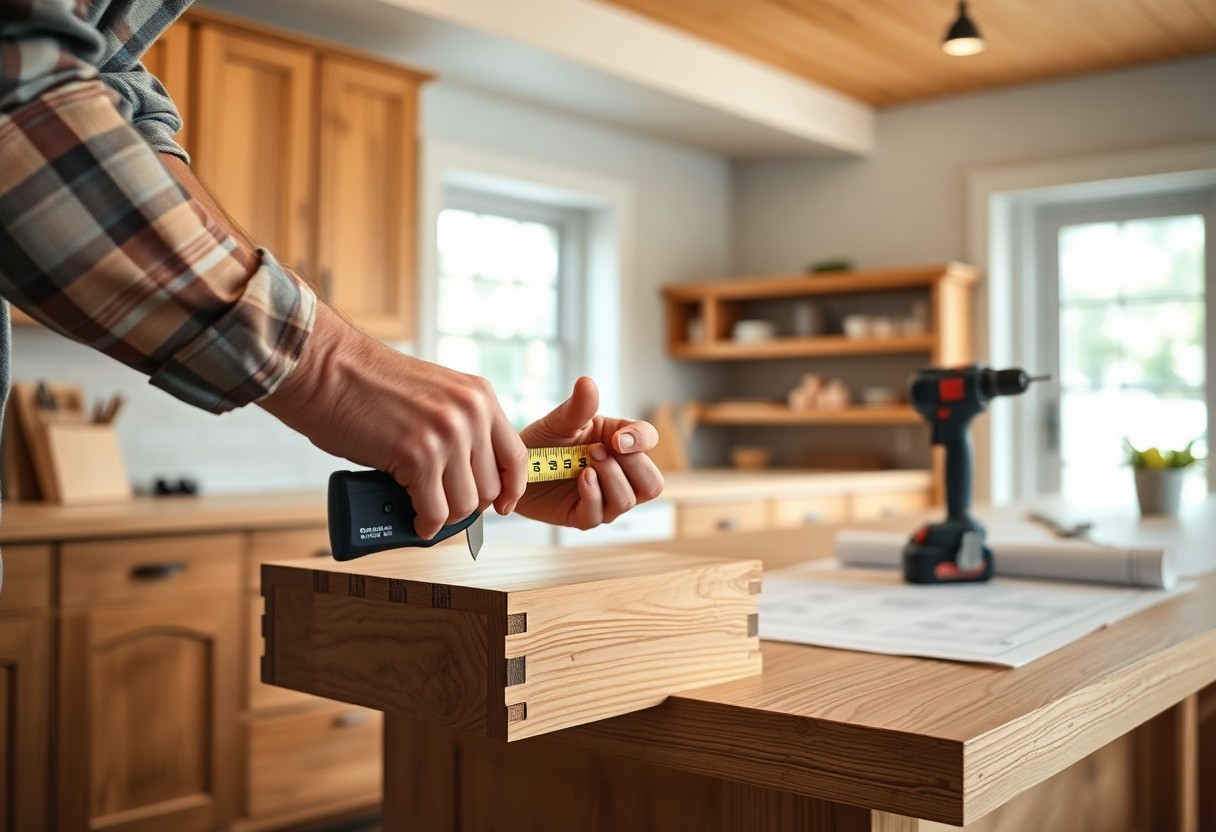
With expertly crafted joinery, you transform ordinary rooms into bespoke spaces that increase your property’s resale value and resist wear, while tailored storage and finishes enhance functionality and aesthetic appeal; custom work also reduces the risk of structural faults and safety hazards compared with poor-quality fittings, giving you confidence in longevity and appeal to buyers, and the unique craftsmanship often commands a premium at sale.
Understanding Custom Carpentry
Custom carpentry combines precise site surveys, detailed CAD drawings and finished joinery so you get elements that truly fit your space. You’ll receive traditional joinery-dovetail drawers, mortise‑and‑tenon frames-and timber carcasses often using 18-25mm stock, with typical lead times of 6-12 weeks. For example, a bespoke kitchen run or built‑in wardrobe is tailored to irregular walls, conceals services and increases usable storage far beyond off‑the‑shelf options.
Definition and Scope
Custom carpentry covers on‑site measuring, bespoke design, manufacture and installation of fitted kitchens, wardrobes, shelving, shutters and staircases. You’ll choose hardwoods, engineered ply or veneers, bespoke hardware and finishes; common specs include full‑extension runners rated at 35-45kg and 18mm carcasses. Projects range from a single feature wall to full domestic refits, with shop drawings and finishes specified to meet your performance and aesthetic needs.
Differentiating from Prefab Solutions
Prefabricated units arrive flat‑packed for fast assembly and often cost about 20-40% less, but you trade adaptiveness and longevity: prefab tends to use thinner board and standard fittings, while custom work adapts to irregularities, hides services and uses traditional joinery and bespoke mouldings. On‑site adjustments reduce gaps and thermal bridging; poorly chosen prefab can leave misaligned doors or draughty reveals that harm your property’s finish and perceived value.
For example, a mid‑Victorian London flat reclaimed 0.8 m² of floor space and accommodated over 120 books when the owner opted for bespoke shelving built in 18mm birch ply with Blum undermount runners rated at 40kg per drawer; the installer compensated for a 12mm out‑of‑plumb wall on site. That adaptability prevents common risks you face, such as damp or electrical hazards from poorly sealed prefab installations and ensures longevity and user satisfaction.
Enhancing Aesthetic Appeal
Bespoke millwork lets you match proportions to your room – think 2.4m-high cabinetry that aligns with cornice lines or skirting profiles copied from a Victorian terrace – producing harmony other fittings cannot. Skilled joinery such as dovetail drawers and mitred mouldings creates visible quality, while integrated lighting and concealed channels keep sightlines clean. These visible details often translate into stronger market impressions and higher offers, because buyers notice craftsmanship more quickly than mass-produced fixtures.
Unique Design Possibilities
Curved staircases with a 1.2m radius, floating shelves tailored to awkward alcoves, or a 300mm-deep pull-out pantry behind a full-height door show how custom work solves real spatial problems. Architects frequently specify bespoke panelling to match period mouldings or create contemporary focal walls with inlaid timber patterns; one refurbishment used walnut inlays to lift a living room and shortened time-on-market by weeks. Unique features become distinctive selling points that set your property apart.
Tailored Finishes and Materials
Selecting quarter-sawn oak, walnut veneers or engineered maple changes not only appearance but wear characteristics: oak tolerates heavy use, walnut reads as premium, and engineered boards reduce movement in variable humidity. You can choose water-based lacquers, hardwax oils or UV-cured coatings depending on sheen and maintenance needs, and specify brass or stainless hardware to match the era. Material choice directly influences longevity, maintenance and resale appeal.
Finish methods carry measurable outcomes: hardwax oil typically requires reapplication every 6-12 months in high-use areas, while a quality UV-cured lacquer can protect surfaces for 5-10 years with minimal upkeep. Marine-grade plywood and epoxy-sealed joins are better for wet zones, and proper venting reduces swelling; avoid installing untreated solid wood in bathrooms without sealing to prevent long-term damage. You’ll extend lifespan and protect value by matching finish system to use and environment.
Improving Functionality and Space Utilisation
Bespoke carpentry reconfigures your footprint: fitted kitchen islands with integrated drawers, floor‑to‑ceiling joinery and sliding panels can increase usable space by around 30% in typical 50-70 m² city flats. You benefit from targeted solutions such as 600 mm‑deep pull‑out pantries that boost shelving capacity by up to 40%, or stacked storage above doorways reclaiming vertical space. Contractors often 3D‑model layouts so every millimetre serves a function, reducing clutter and improving daily flow.
Customized Storage Solutions
You can specify built‑in wardrobes with the European 32 mm system for repeatable shelf increments, increasing organised capacity by 25-35%. Internal organisers-shoe racks, pull‑out hampers, spice trays-and soft‑close runners prevent wear and deliver a premium user experience. In kitchens, 600 mm pull‑outs, blind‑corner carousels and bespoke drawer inserts reclaim dead zones, typically cutting countertop clutter and food search time by measurable amounts.
Efficient Use of Unused Areas
Under‑stairs cavities (commonly 0.8-1.2 m wide and 0.9-1.4 m high) convert neatly into pull‑out drawers, bike racks or compact home‑office nooks, turning wasted volume into practical storage. Eaves in lofts usually allow 0.5-1.0 m deep fitted cupboards for seasonal items, while recessed alcoves can house AV systems to maintain sightlines. These interventions often add a perceptible functional gain without increasing footprint.
When converting voids you must safeguard service access, ventilation and structural integrity; enclosing under‑stair space near a gas meter or boiler can breach safety guidance, so preserve access to meters/boilers and include ventilation where required. Structural changes often need a structural engineer and, in England and Wales, loft conversions or significant alterations typically require building‑regulation approval. Use moisture‑resistant plywood in basements and rated runners and fixings to ensure long‑term performance and safety.
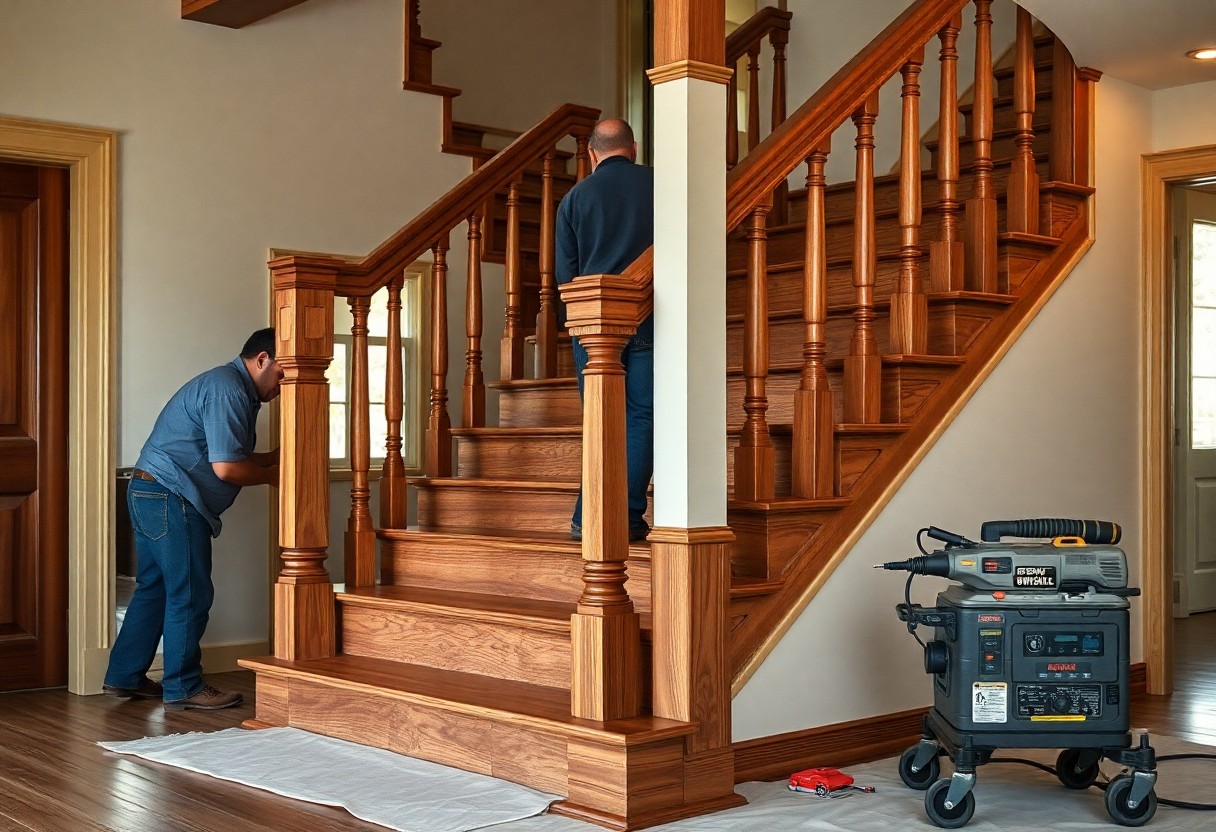
Increasing Property Value
You’ll often see custom carpentry translate directly into higher offers; well-planned fitted kitchens, wardrobes and built-ins can lift perceived value by 3-10%. For example, tailored kitchen cabinetry and integrated storage frequently command the largest premiums. However, poor workmanship or mismatched styles can detract from value, so prioritise skilled joinery and coherent finishes when you invest.
ROI on Custom Carpentry
When you weigh costs, bespoke carpentry commonly returns strong figures: mid-range kitchen cabinetry can recoup about 60-80% of expense, while well-designed built-ins often deliver 50-75% back at sale. A typical illustration is a £10,000 kitchen upgrade potentially increasing sale price by roughly £6,000-£8,000 if executed to market tastes and standards.
Market Trends and Buyer Preferences
Recent market surveys show about two thirds of buyers favour properties with smart storage and integrated features; open-plan kitchens with bespoke island cabinetry remain especially sought after. Younger purchasers increasingly prioritise sustainable materials and multifunctional joinery, so you should consider low‑VOC finishes and adaptable designs to broaden appeal.
Estate agents often report that homes with bespoke joinery sell 10-20% faster and attract stronger offers; in compact city flats, clever built-ins can increase functional floor area by an estimated 5-12% through improved layouts. If you match designs to local buyer tastes and choose durable materials, the resale advantages become measurable rather than hypothetical.
Building Quality and Durability
You benefit from bespoke joinery that combines kiln-dried timber at 8-12% moisture, stainless-steel fixings and proven joints such as mortise-and-tenon, which minimise movement and squeak. For example, an oak staircase with 18-22mm treads and correct fixings can endure heavy daily use for 50+ years. Many reputable workshops back structural work with 10-year warranties, giving you tangible assurance of long-term performance.
Materials and Craftsmanship
Material choice sets the standard: opt for FSC-certified solid oak, walnut or high-grade beech for lasting wear, or engineered substrates to control movement in humid rooms. You should insist on low-VOC adhesives, dovetail drawers and precision machining; dovetail or mortise-and-tenon joints resist shear and often outlive mass-produced fittings by decades. Ask to see mill certificates and moisture readings before installation.
Longevity and Maintenance Benefits
Proper care extends service life dramatically: simple tasks like oiling or resealing every 3-5 years and addressing chips promptly keep bespoke cabinetry functional for decades. You can expect hardwood floors to take light recoating every 3-10 years and full sanding and refinishing every 15-30 years, which avoids premature replacement and preserves resale appeal. Strong finishes and quality hardware reduce long-term wear and expense.
Practical routines matter: inspect hinges and seals annually, tighten fixings, lubricate runners and wipe spills within 24 hours to prevent stains. You should sand and oil butcher-block worktops every 6-12 months if used heavily. Avoid prolonged surface water exposure-persistent moisture causes rot and delamination. In refurbishment projects, owners who maintained bespoke timber typically deferred full replacements by a decade or more, saving substantial sums compared with replacing mass-produced units.

Choosing the Right Craftsman
When choosing the right craftsman, get three written quotes, check trade qualifications such as NVQ Level 3 or City & Guilds and ask for a portfolio of at least 10 finished projects you can inspect. Verify public liability insurance of at least £5m, request references and confirm typical turnaround times (small fitted joinery 1-3 weeks; bespoke staircases 4-8 weeks). Prefer craftsmen who offer a written warranty-5 years for structural elements and a clear materials list you can review.
Evaluating Skills and Experience
Assess skills by viewing recent work in person and asking for specific examples-fitted kitchens, built-in wardrobes or spiral staircases-to judge the finish quality you expect. Check membership of organisations like the Federation of Master Builders or the Guild of Master Craftsmen, insist on at least 5 years’ experience and evidence of CNC or 3D CAD capability if precision is needed. Always request a site visit so you spot access, tolerances and potential hidden costs before agreeing a price.
Importance of Collaboration and Communication
Agree a communication protocol up front: weekly progress photos, milestone dates and a signed change-order process so you both have clarity. Use simple tools-WhatsApp for day-to-day images, emailed schedules for formal sign-off-and set a payment plan such as 30/40/30 (deposit, mid-project, completion). Clear lines of contact prevent ambiguity; poor communication often causes rework and can increase final costs by around 10-20%.
Include explicit contract items you can check: scope of works, material brands and grades, lead times, waste disposal, health & safety measures, and dispute resolution. Require sight of insurers’ certificates and any licences, plus a defects rectification period. For your protection insist on a written contract and consider retaining 5% until snagging and satisfactory completion are signed off.
Conclusion
So investing in custom carpentry enhances your property’s worth through tailored functionality, superior materials and craftsmanship, and thoughtful design that appeals to discerning buyers; it optimises space, improves durability and aesthetic cohesion, and often yields a strong return on investment when you sell or rent.
FAQ
Q: How does custom carpentry increase a property’s resale value?
A: Custom carpentry provides tailored solutions that fit a property’s layout and style, creating finished spaces that appeal to buyers. High-quality joinery, fitted wardrobes, bespoke kitchens and customised storage demonstrate attention to detail and durable workmanship, which independent valuers and estate agents factor into market appraisals. Well-executed bespoke work often commands higher offers and can shorten time on the market by distinguishing the property from generic listings.
Q: In what ways does bespoke joinery improve kerb appeal and first impressions?
A: Bespoke exterior features such as timber porches, crafted doors, shutters and integrated fascias enhance the façade and lend character that off-the-shelf elements cannot match. Internally, consistent, well-designed carpentry creates a cohesive look that photographs better for listings and creates a strong emotional response during viewings. These positive first impressions raise perceived value and encourage prospective buyers to view the property as cared for and thoughtfully finished.
Q: How does custom carpentry enhance functionality and space utilisation?
A: Bespoke carpentry is designed to make the most of each area, converting awkward recesses into practical storage, creating multi-functional furniture and optimising circulation in compact rooms. Custom shelving, built-in seating with storage, and purpose-built wardrobes increase usable space without costly extensions. Improved functionality is a tangible benefit that buyers appreciate, as it reduces the need for immediate alterations and demonstrates sensible use of square footage.
Q: Does custom carpentry offer better durability and long-term savings?
A: Professional bespoke carpentry typically uses higher-grade timber, fittings and joinery techniques that last longer than mass-produced alternatives. Properly executed work requires less frequent replacement and repairs, lowering lifetime maintenance costs. Additionally, well-sealed joinery and correctly fitted doors and windows can improve thermal performance, which contributes to energy savings and a lower running cost for future occupants.
Q: What return on investment can owners expect from investing in custom carpentry?
A: While ROI varies by market and the scale of works, targeted bespoke improvements often offer strong returns when focused on high-impact areas such as kitchens, storage solutions and entrance spaces. Quality bespoke installations are perceived as premium features and can justify higher asking prices; owners should prioritise durable materials and neutral designs to appeal to a broad buyer base. Consulting a local surveyor or estate agent can help estimate potential uplift for specific projects.