
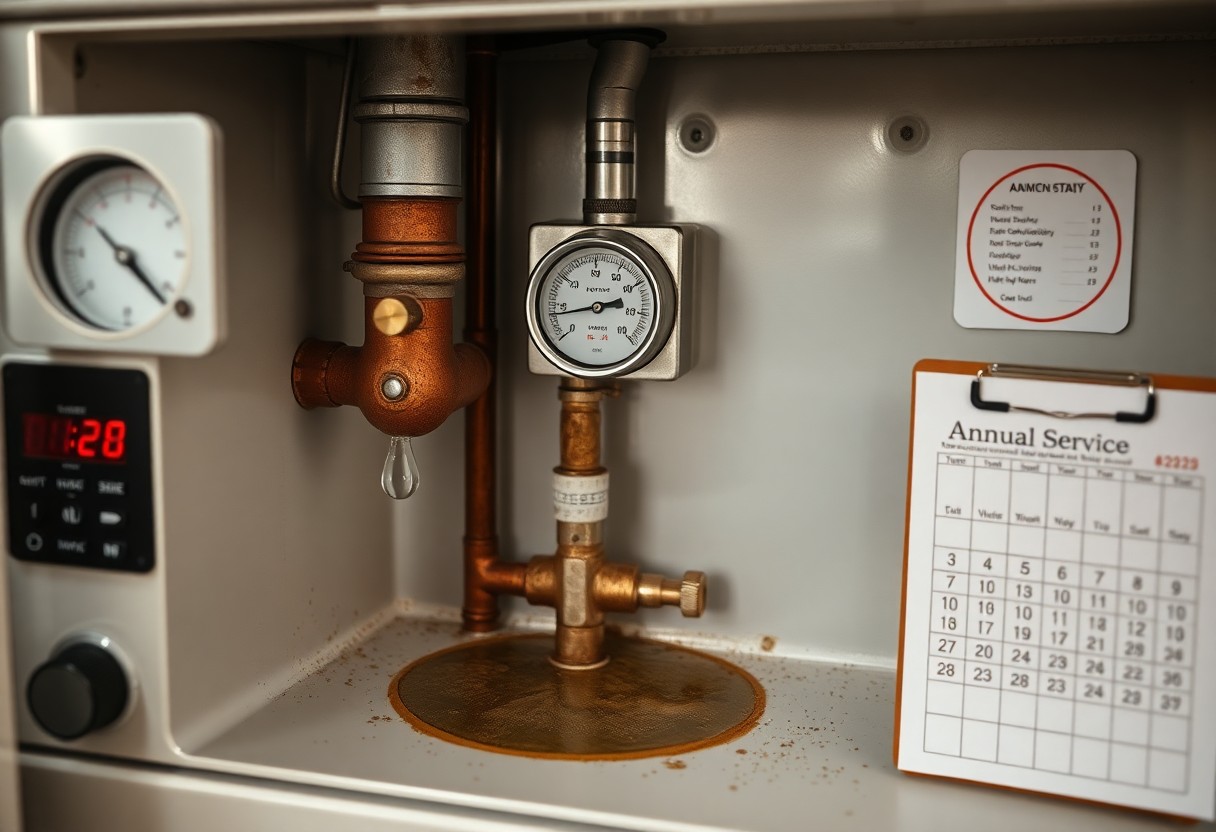
Just book a qualified engineer to service your boiler at least once a year so you can reduce the risk of carbon monoxide leaks and sudden failures; regular servicing will also prolong your boiler’s life and maintain efficiency, help preserve warranties, spot leaks or pressure faults early and keep your home safe and warm.
Importance of Regular Boiler Maintenance
Regular maintenance picks up issues like a blocked flue, corroded heat exchanger or a failing pump before they escalate; Gas Safe recommends an annual service by a registered engineer. If you have a condensing boiler, maintaining the condensate trap and seals keeps it operating at peak design efficiency. In practical terms, routine checks reduce unexpected breakdowns, preserve warranty conditions and help keep your home safe by addressing faults that can otherwise develop silently.
Safety Concerns
A poorly maintained boiler raises the risk of a carbon monoxide leak because of incomplete combustion or a blocked flue, and CO is odourless and potentially fatal. You should get the flue, burner and combustion chamber inspected during each service and fit a audible CO alarm on the same level as sleeping rooms. Using a Gas Safe registered engineer ensures safety-critical checks, such as pressure and seal integrity, are carried out to recognised standards.
Efficiency and Cost Savings
Serviced boilers, especially modern condensing types, typically retain higher seasonal efficiency-often in excess of 90%-so you use less fuel for the same heat output and see lower bills. You should expect better heat distribution, fewer short-cycling events and reduced energy waste after a good service, which directly reduces running costs and emissions.
More detail: an annual service usually costs between about £80-£150 but can prevent small faults turning into major repairs; for example, replacing a seized pump at service might cost £100-£200, whereas a neglected fault that damages the heat exchanger can push costs into the thousands. You benefit from a longer boiler life-many units hit 12-15 years with proper upkeep-and from maintained manufacturer warranties that often require evidence of yearly servicing.
Recommended Service Frequency
Annual Checks
You should have your boiler serviced every 12 months; many manufacturers and insurers require annual inspections to keep warranties and cover valid. A typical service, costing about £70-£150, includes checking the flue and seals, performing a combustion analysis, inspecting the burner and heat exchanger, testing pressure and safety devices, and a carbon monoxide safety check. If your boiler is over 10 years old or you live in hard-water areas, consider more frequent attention.
Signs Your Boiler Needs Immediate Service
Signs your boiler needs immediate service include persistent leaks, sudden loss of heating or hot water, repeated pressure drops below about 1 bar, a yellow or unstable pilot light, loud banging or kettling noises, and a noticeable gas smell; any of these require prompt action. Treat a persistent gas smell or symptoms of carbon monoxide exposure-headaches, dizziness, nausea-as emergencies and shut off the appliance and contact a Gas Safe engineer.
Yellow flames typically indicate incomplete combustion-often caused by a blocked flue or incorrect gas pressure-and can produce carbon monoxide; kettling noises usually point to limescale or sludge reducing heat transfer, which raises operating temperatures and stress on components. If pressure repeatedly falls below 1 bar or you see corrosion and wet patches, those are signs of leaks or failing valves. Never attempt to repair gas components yourself; call a registered engineer and, if you smell gas, leave the property immediately.
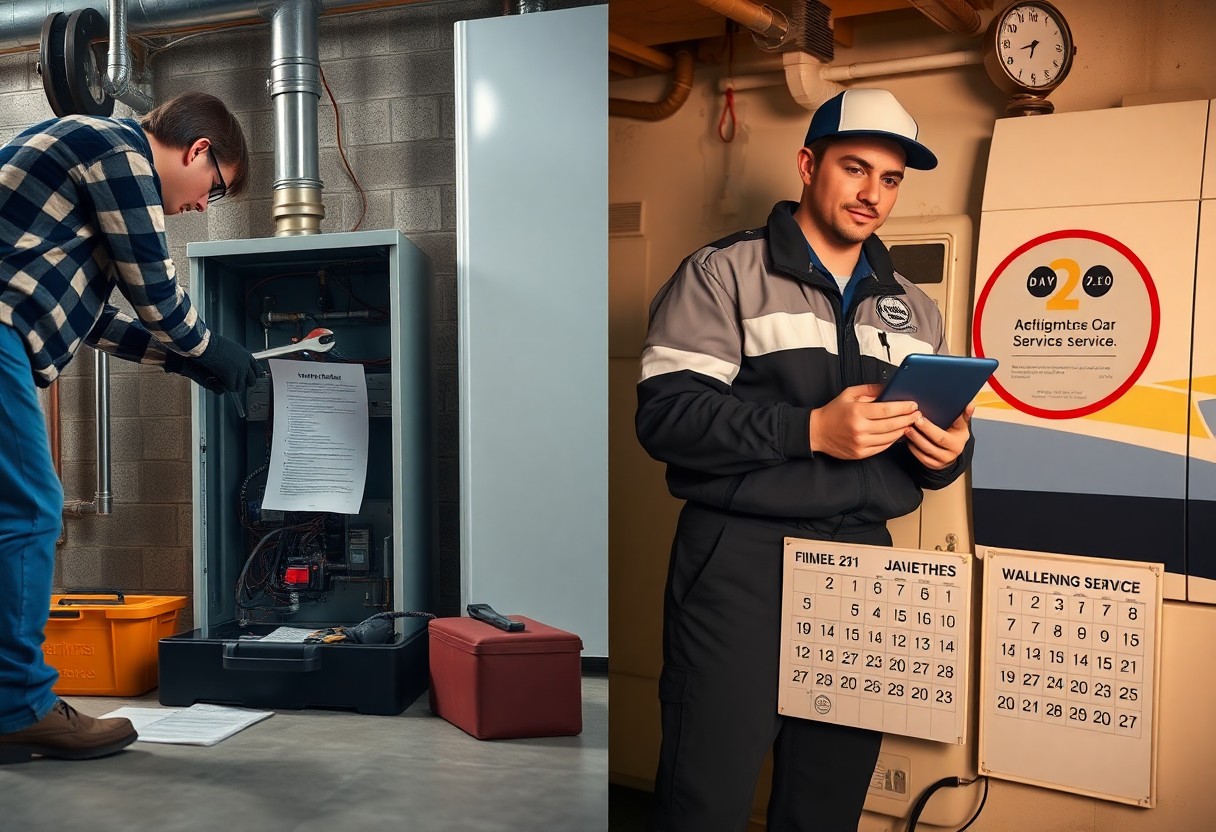
DIY vs. Professional Service
When to Consider DIY Maintenance
You can tackle simple tasks such as bleeding radiators, topping up pressure to around 1-1.5 bar, and wiping external filters every few months; these measures often prevent common cold spots. If you spot drips, a yellow pilot light or a gas smell, stop and contact a pro-internal gas and combustion work is dangerous and not suitable for DIY.
Benefits of Hiring a Professional
A Gas Safe registered engineer will typically complete a full service in 45-90 minutes, use a flue gas analyser, inspect the heat exchanger and seals, and provide a service record; UK costs usually range from £60-£120. Professionals detect issues such as worn seals or a 20-30% efficiency drop, protecting your warranty and safety.
In one case a routine service revealed a hairline crack in the heat exchanger, preventing an emergency replacement that could have cost over £1,500; engineers also recalibrate controls to restore efficiency, often cutting fuel use by 5-15%, and supply the written proof insurers and manufacturers often require, giving you safety and financial protection.
Seasonal Preparation for Your Boiler
As seasons change, you should schedule an annual service before the cold sets in, check system pressure at about 1-1.5 bar, inspect the flue and external condensate pipe for blockages, and verify your carbon monoxide alarm is within its service life. Book a Gas Safe engineer if you spot soot, yellow pilot flames, or unexplained pressure drops, since these signs often indicate dangerous faults requiring professional attention.
Pre-Heating Season Checklist
Carry out a short run-through: have an annual service done, bleed radiators to remove trapped air, set thermostats and timers to your usual schedule, confirm the expansion vessel shows correct pressure, and clear vents and flues. Also check the condensate pipe for ice risk and test the boiler for 10-15 minutes to spot leaks or error codes; if you see an orange or yellow flame or soot, get immediate help from a Gas Safe engineer.
Post-Heating Season Care
When the heating winds down, you should switch the boiler to standby, leave the timer set to run the system for 10-15 minutes monthly to prevent stagnant water, inspect for leaks and corrosion, and top up corrosion inhibitor as advised-typically every 3-5 years depending on product guidance. If you detect a gas odour or symptoms of carbon monoxide, turn off the gas, ventilate the property and call 0800 111 999 or emergency services if anyone is unwell.
For more detail: drain or lag external condensate pipes in colder months to avoid frost blockages, check radiator thermostatic valves for stiffness, and examine the system for sludge-black or brown deposits signal a need for a powerflush. Keep service records and any part-replacement receipts, top up inhibitor per manufacturer recommendations, and arrange a post-season inspection if pressure repeatedly falls below 1 bar or you notice unusual noises; these steps prolong boiler life and reduce the risk of costly breakdowns.
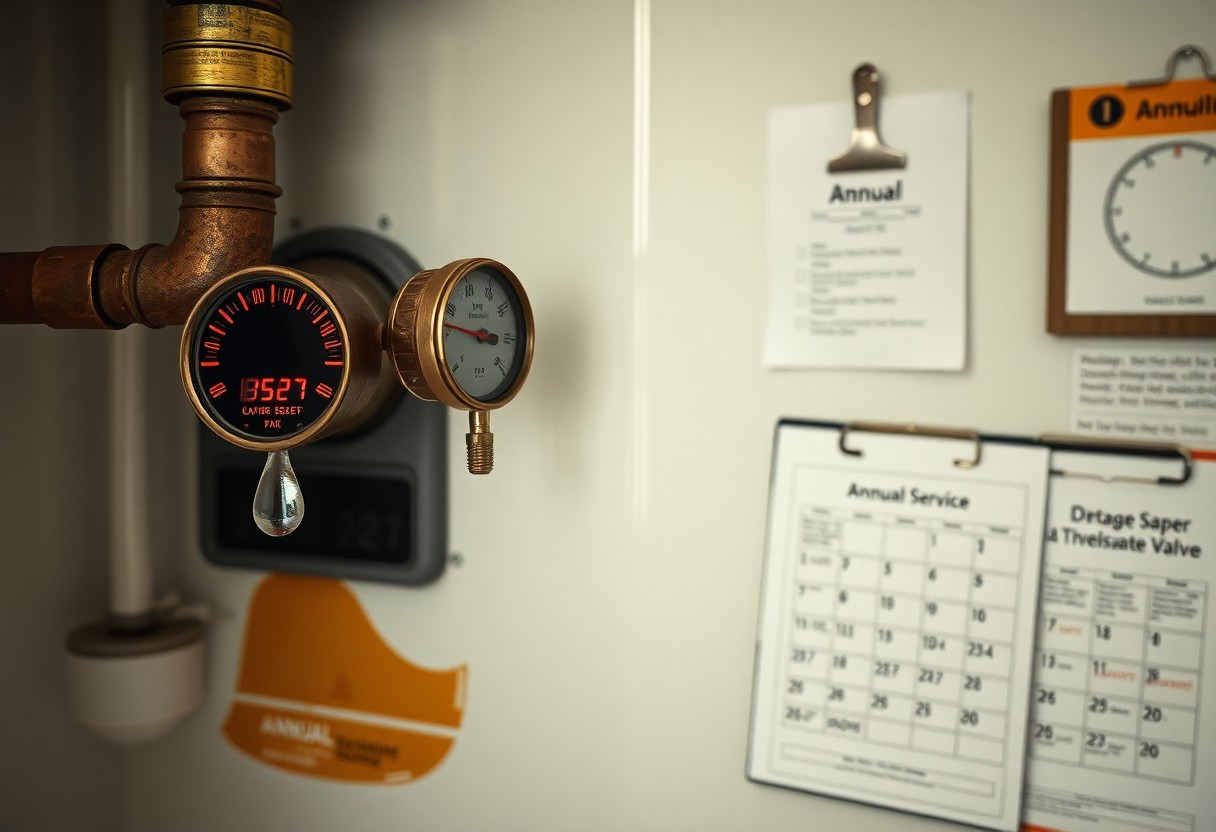
Common Boiler Issues and Solutions
You’ll encounter low pressure (typically below 1 bar), persistent leaks, noisy kettling from limescale, frozen condensate pipes in sub-zero spells, and thermostat or pump failures; boilers older than 10 years show faults more often. Low pressure usually needs re-pressurisation to ~1-1.5 bar, kettling can require descaling or component replacement, and any visible leak or suspected gas fault must be assessed by a Gas Safe engineer without delay.
Identifying Troublesome Signs
If radiators are cold at the top, the pressure gauge falls under 1 bar after bleeding, or you hear banging and clanking, those are strong indicators of trouble. You should also watch for a persistent gas smell, a yellow or lazy flame, or frequent safety lockouts and error codes (for example F1/F2 on common models). Experiencing headaches, nausea, or soot staining alongside a CO alarm means you must turn the boiler off and call an engineer immediately.
Quick Fixes vs. Professional Intervention
You can often bleed radiators, re-pressurise the system to ~1-1.5 bar, reset simple error codes, or thaw a frozen condensate pipe with warm water if the boiler is switched off. Never attempt work on gas components yourself; do not try to repair gas leaks or the flue. Persistent pressure loss, pump failure, severe kettling due to scale, or any carbon monoxide alert all require a visit from a Gas Safe registered engineer.
If you opt for a DIY remedy, isolate power first, then re-pressurise via the filling loop until the gauge reads about 1.2 bar, closing the valves and re-checking after bleeding radiators until steady water appears. Reset actions are often a 3-5 second button press, but stop if faults return. To clear a frozen condensate pipe, pour warm (not boiling) water over the external run. Should faults recur, a gas smell occur, or a CO alarm sound, leave the property and call a Gas Safe engineer.

Final Words
Considering all points, you should have your boiler serviced at least once a year by a Gas Safe-registered engineer; if your system is older, used heavily, or showing faults, arrange checks more frequently to protect efficiency, safety and warranty compliance.
FAQ
Q: How often should a typical domestic boiler be serviced?
A: Most manufacturers and heating engineers recommend an annual service for domestic boilers. An annual check helps maintain efficiency, spot developing faults early and keeps safety components, such as the flue and pressure controls, functioning correctly. Scheduling the service in late summer or early autumn is common so the system is checked before sustained winter use.
Q: Does the boiler type or age affect how frequently it should be serviced?
A: Yes. Older boilers and high-use systems, such as in large households or properties with multiple bathrooms, may benefit from inspections every six months, while newer, modern condensing boilers with a full service history can often be maintained annually. Oil-fired boilers should be serviced at least annually and their flues and tanks checked; for biomass or LPG systems seek guidance from a qualified engineer or the fuel supplier for recommended intervals.
Q: Are there legal, warranty or landlord requirements that dictate service frequency?
A: Landlords in the UK must arrange an annual gas safety check (Gas Safety Record, CP12) for gas appliances in rented properties; this is separate from, but often combined with, a service. Warranty terms for new boilers frequently require evidence of an annual service to remain valid, so check the manufacturer’s conditions. For gas appliances use a Gas Safe registered engineer; for oil use an OFTEC-registered engineer.
Q: What signs mean I should have the boiler checked sooner than planned?
A: Arrange an immediate inspection if you notice unusual noises, persistent loss of pressure, frequent pilot light or ignition problems, visible leaks, odours of gas, or sudden drops in heating performance or hot water supply. Any carbon monoxide alarm activation or suspicion of CO should prompt evacuation and an urgent engineer visit. Delaying can increase repair costs and pose safety risks.
Q: What does a full boiler service include and can I perform checks between professional visits?
A: A full service by a qualified engineer typically includes visual inspection, flue and combustion checks, safety control tests, cleaning key components, checking seals and connections, measuring system pressure and issuing a written report. Between services run basic checks yourself: ensure the pressure gauge is within the recommended range, clear vents and radiators of obstructions, listen for new noises and look for leaks. Do not attempt internal repairs or adjustments to gas components; always use a suitably qualified engineer for those tasks.