
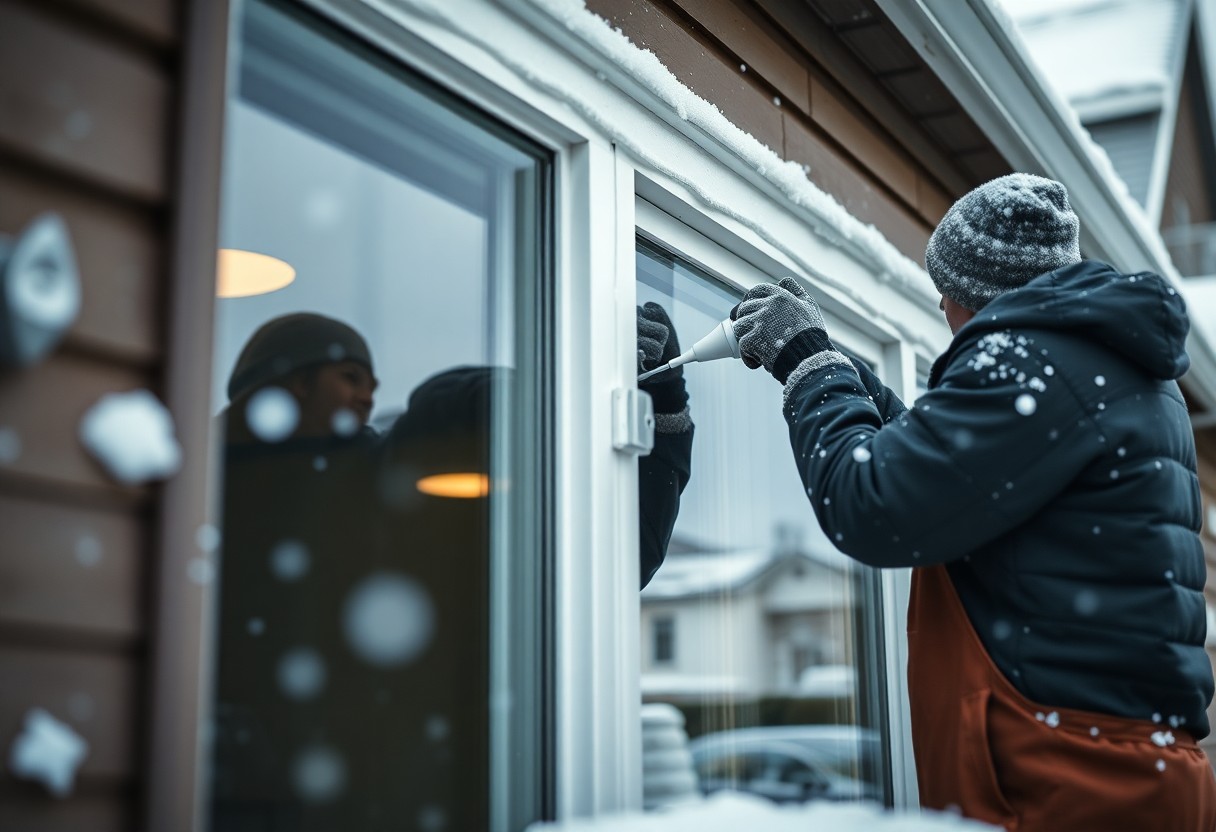
Many homeowners underestimate winter risks, so you should assess and seal weaknesses to keep your property warm and safe. In this concise guide you will learn to protect against frozen pipes, prevent heat loss with insulation and draught-proofing, service heating systems for safety, and adopt simple maintenance to achieve lower energy bills and steady comfort throughout the cold months.
Understanding Winter-Proofing
You’ll need to assess the building fabric, services and heating performance; a typical uninsulated loft can cause up to 25% of heat loss, pushing bills higher. Prioritise insulation, draught-proofing and sealing gaps around windows and doors. The most effective interventions combine low-cost DIY with targeted professional upgrades.
Importance of Winter-Proofing Your Home
You’ll see immediate savings: installing 270 mm loft insulation can reduce heat loss by up to 25-30% and lower annual heating costs. Preventing frozen pipes avoids repairs that often exceed £1,500; damp control protects timber and plaster. The result is a warmer, safer home with lower running costs.
Key Factors to Consider
You should check thermal envelope, heating controls, plumbing insulation and ventilation; in a typical semi-detached home roof and walls account for most losses. Include an energy audit – many councils offer grants covering up to 50% of insulation costs. The focus is on cost-effective measures that deliver high returns.
- Insulation
- Draught-proofing
- Heating controls
- Plumbing insulation
- Ventilation
You’ll want to prioritise based on payback: cavity wall insulation typically pays back in 3-7 years, while double glazing can take 10-20 years depending on fuel prices. For heritage homes, reversible measures like secondary glazing and loft insulation preserve character; for modern builds, a smart thermostat can cut consumption by about 10%. The priority order is driven by your property type, budget and comfort goals.
- Cavity wall insulation
- Loft insulation
- Secondary glazing
- Smart thermostat
- Pipe lagging
Insulating Your Home
Tips for Improving Insulation in Walls and Attics
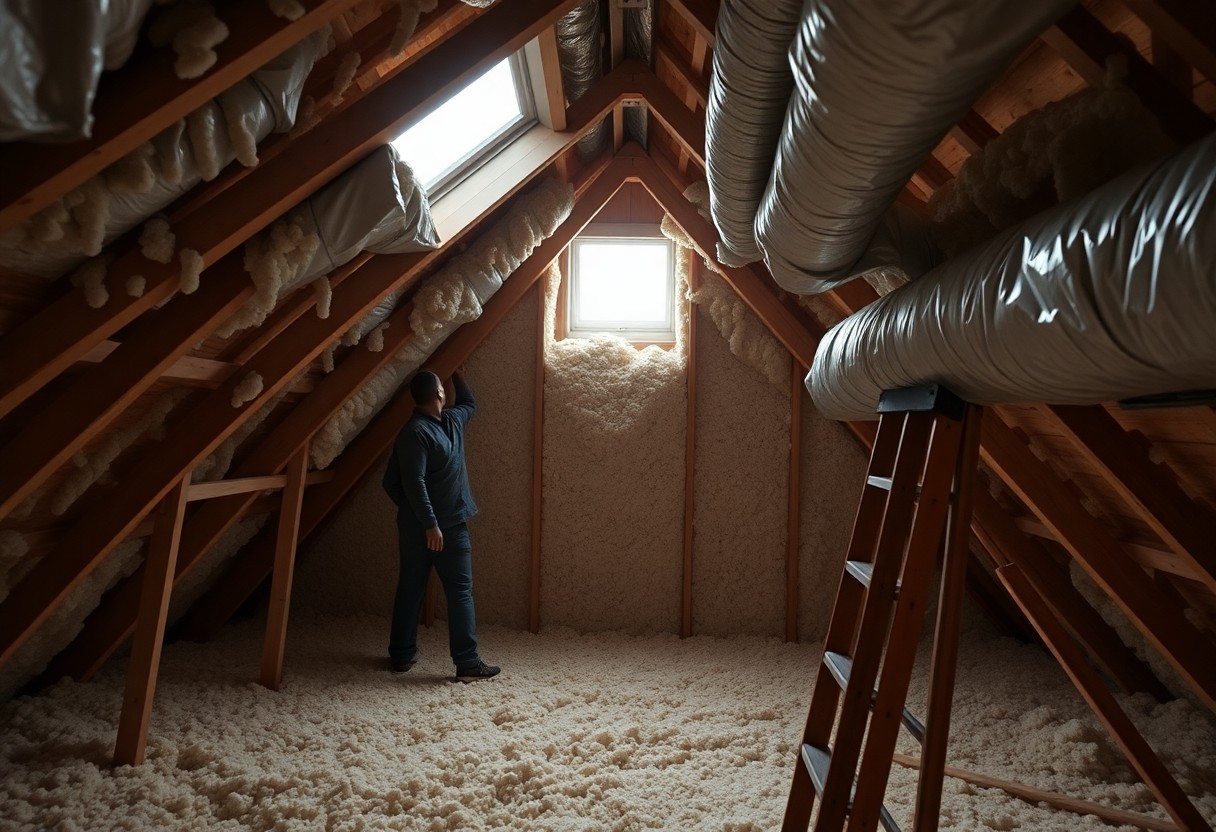
If your loft has less than 75mm of insulation, top up to the recommended 270mm of mineral wool; walls commonly account for about 35% of heat loss and roofs about 25%, so addressing both matters.
- Loft insulation
- Cavity wall insulation
- Solid wall insulation
- Draught‑proofing
Thou, ensure you seal gaps around pipes, loft hatches and eaves to stop cold air infiltration.
Choosing the Right Windows and Doors
When choosing windows and doors, compare U‑values – typical double glazing is ~1.2 W/m²K, triple glazing ~0.8 W/m²K – and favour frames with thermal breaks such as uPVC or treated timber; aluminium must have a thermal break. Also check airtight seals and consider low‑E coatings and argon fills to reduce heat loss and condensation.
Installation quality often determines real performance: a well‑fitted unit with correct sealing and a certified installer can deliver the expected U‑value, whereas poor installation negates gains. For example, an argon‑filled, low‑E triple glazed unit can lower U‑value by ~0.3-0.4 W/m²K versus single glazing; secondary glazing is a cost‑effective option for listed buildings, typically costing about £120-£450 per window, and you should always check guarantees and workmanship.
Protecting Your Plumbing
You should insulate exposed runs, drain garden taps and fit frost‑proof fittings before temperatures plunge; frozen pipes can burst and cause significant water damage. Use thermostatic heat tape where pipes run through unheated spaces and keep your thermostat steady while away (aim for at least 12°C). For practical, low‑cost tips see 15 Affordable Ways to Winterise Your Home: Save Money … and prioritise routing vulnerable pipes away from external walls where possible.
How to Insulate Pipes Effectively
You should fit closed‑cell foam sleeves (around 13-25 mm thickness) over straight runs and use pre‑formed covers for elbows and valves, sealing joins with insulation tape to maintain continuity. Insulate pipes in lofts, under floors and any external‑wall cavities, and add 25-50 mm lagging around cylinders and tanks; this measurably reduces heat loss and lowers freeze risk, often preventing costly repairs after a cold snap.
Avoiding Frozen Pipes: Best Practices
You should leave a slow trickle from taps on the highest and lowest floors during severe overnight frosts to relieve pressure and open internal cupboard doors so warm air reaches pipework. If you travel, set heating no lower than 12°C and shut off plus drain outside supplies. If you spot ice or bulging pipes, shut off the supply and call a plumber immediately to limit damage.
You should use self‑regulating heat cable secured along vulnerable runs and cover with insulation, keep central heating at a consistent 12-15°C, and fit foam around pipes passing through cavity walls. If freezing occurs, turn off the mains, thaw from the tap end with a hairdryer or warm towels and avoid naked flame; never use an open flame to thaw pipework, as that risks fire and further damage.
Heating System Maintenance
Preparing Your Heating System for Winter
You should book an annual service for your boiler with a Gas Safe engineer, replace or clean filters, bleed radiators to remove cold spots, check boiler pressure (aim for 1-1.5 bar on many combi boilers), lag exposed pipes to prevent freezing, and test or replace your carbon monoxide alarm. The annual service reduces breakdowns and exposure to carbon monoxide.
- boiler
- Gas Safe
- radiator
- carbon monoxide alarm
- pipe lagging
Tips for Energy Efficiency
Lowering your thermostat by 1°C can cut heating bills by around 8%, so programme a smart or programmable thermostat to drop temperatures to 18-20°C at night or when you’re out, fit thermostatic radiator valves (TRVs) to control room temperatures, draught‑proof doors and windows, and ensure your condensing boiler runs above 90% efficiency after servicing. The small changes often produce measurable savings and improve energy efficiency.
- thermostat
- thermostatic radiator valves
- draught-proofing
- condensing boiler
- insulation
For example, loft insulation can cut heat loss through the roof by up to 25% and cavity wall insulation can reduce wall losses substantially; sealing gaps around skirting boards and letterboxes prevents cold air ingress, and using zoning or smart controls targets heat where you need it most, often trimming fuel use by double digits in well‑managed homes. The combined measures can reduce your winter fuel consumption significantly.
- loft insulation
- cavity wall insulation
- zoning
- smart controls
- draught sealing
Sealing Drafts
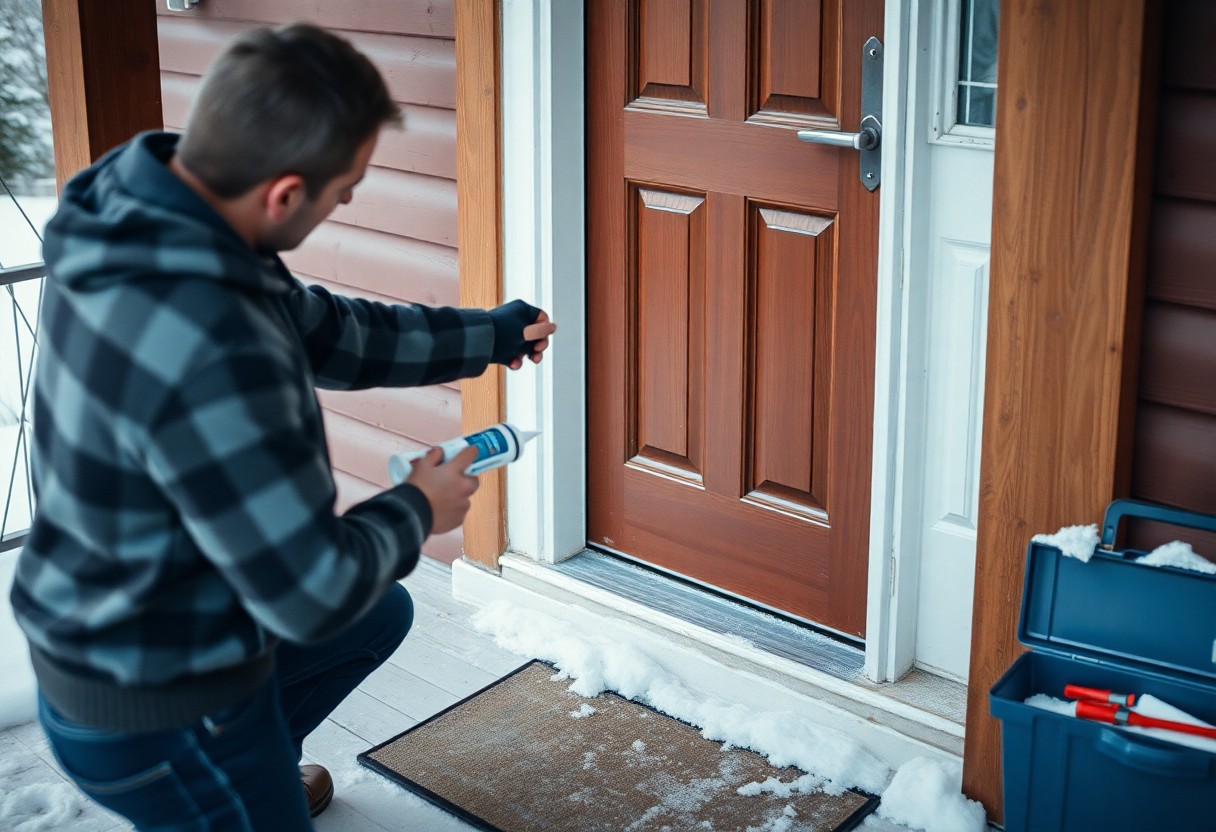
Tackle the biggest heat losses first: draughts can account for up to 25% of domestic heat loss, so you should prioritise gaps larger than 3-5 mm. Use silicone or acrylic caulk for narrow joints, low‑expansion polyurethane foam for cavities, and brush or V‑strip weatherstripping on moving parts. DIY kits cost about £5-£30, and simple measures often pay back within 1-3 years through lower heating use; focus your effort where cold air ingress is most persistent.
Identifying Common Draft Sources
Start by checking sash and casement windows, external doors, letterboxes, keyholes, skirting-board joins, floorboards, loft hatches and around pipe or cable penetrations; recessed downlights and chimneys also leak. You can detect leaks with a candle or smoke pencil on a cold, windy day, or more precisely with an infrared camera – gaps over 3 mm usually merit sealing. Ensure you don’t fully block combustion vents or flues; those require specialist handling.
Effective Techniques for Sealing Drafts
Use a mix of materials: self‑adhesive foam tape or brush strips for moving jambs, silicone/acrylic caulk for fine gaps, and low‑expansion spray foam for larger voids. Fit door sweeps and threshold seals to exterior doors, install a letterbox brush or flap, and use foam gaskets behind socket plates on external walls. For service penetrations, apply fire‑rated or intumescent sealant where necessary to maintain fire performance.
Measure gap sizes before you buy: <2 mm – adhesive foam tape; 2-8 mm – silicone/acrylic caulk; 8-50 mm – low‑expansion PU foam (apply in short bursts); >50 mm – insert backer rod then seal. Typical material costs: caulk £4-£8/tube, foam £6-£12/can, brush strips £10-£30. Use a caulking gun, utility knife and gloves, and note silicone can last 10-20 years while foam remains effective for a decade or more.
Outdoor Preparations
Tackle exterior tasks by clearing gutters and downpipes, sealing gaps around doors and windows, and storing vulnerable furniture; consult 14 Ways to Winterize Your Home for a concise checklist. Aim to inspect and service before the first freeze, schedule gutter clearing at least twice a year, and prioritise areas where leaves collect to prevent water ingress and damp that often follow blocked drains.
Safeguarding Your Roof and Gutters
You should inspect for loose or missing tiles and cracked flashing, replacing damaged items promptly and arranging a professional check every 3-5 years; fit gutter guards and clear debris after storms. Consider roof heating cables in problem areas, since ice dams and obstructed gutters frequently cause leaks, timber rot and costly internal repairs.
Protecting Landscaping and Outdoor Fixtures
You can wrap young trees and shrubs with horticultural fleece and apply 5-10 cm of mulch around roots, move pots to sheltered spots and insulate them with bubble wrap; secure garden furniture, trampolines and sheds with straps or store them indoors because flying furniture poses a serious hazard during winter gales.
Also, stake newly planted trees with two soft-tie supports left for one season to prevent wind-rocking, drain and frost-proof outdoor taps and irrigation lines to avoid burst pipes, and install a pond de-icer to maintain an oxygen hole for fish; treating decking with a preservative before cold weather lowers the risk of rot and slippery surfaces.
Summing up
The best way to winter-proof your home is to take a systematic approach: seal drafts around windows and doors, insulate loft and pipes, service your heating, clean gutters and trim overhanging branches, and stock emergency supplies so you can manage power cuts and frozen pipes. Prioritise safety checks on detectors and maintain clear access routes.
FAQ
Q: How can I insulate my home effectively for winter?
A: Start with the loft – fit at least 270 mm of mineral wool or equivalent loft insulation and ensure there are no gaps around pipes and skylights. Investigate cavity‑wall insulation if your property has cavities; for solid walls consider internal or external insulation but obtain professional advice on moisture management. Insulate floors where possible and add thermal linings or heavy curtains to reduce heat loss through windows. Use rugs on bare floors and draught‑proofing (see below) to improve overall thermal performance. Check whether you qualify for government schemes or local grants to help with insulation costs.
Q: How do I draught‑proof doors and windows without spoiling ventilation?
A: Identify draught sources by feeling around frames or using a candle to spot air movement. Fit brush or rubber seals to door bottoms and frames, use tapered foam or V‑seal strips for window sashes, and seal gaps with decorator’s caulk or silicone where appropriate. Apply letterbox and keyhole draught excluders, and consider secondary glazing for single‑glazed windows. Maintain trickle vents and use mechanical ventilation where needed to avoid condensation; draught‑proofing should be balanced with controlled ventilation to preserve indoor air quality.
Q: What should I do to prepare my boiler and central heating for winter?
A: Book an annual service by a Gas Safe registered engineer to check boiler efficiency and safety. Bleed radiators to remove trapped air and balance the system so each radiator heats evenly. Top up the system pressure if required and check the thermostat, timer and programmer are working correctly – consider smart controls to reduce fuel use. If the system is old or sludge‑ridden, arrange a power flush or inhibitor treatment to improve circulation. Fit a carbon monoxide alarm in rooms with gas appliances and locate it according to manufacturer guidance.
Q: How can I protect pipes and plumbing from freezing and burst pipes?
A: Lag exposed pipes in lofts, under floors and in unheated cupboards with proper pipe insulation. Insulate and thermostatically control external taps or drain them and store hoses away. Keep internal temperatures above freezing in areas with pipes and open under‑sink and airing‑cupboard doors to allow warm air to circulate. During severe cold, leave a slow trickle on distant taps to keep water moving and know how to isolate the mains stopcock and drain the system if necessary. Have contact details for an emergency plumber accessible.
Q: What outdoor maintenance should I carry out to avoid winter damage?
A: Clean gutters and downpipes to prevent blockages and ice dams, and inspect roof tiles, flashings and chimney stacks for loose or damaged sections to repair before bad weather. Trim overhanging branches that could break under snow or wind, secure garden furniture and store delicate plants or wrap them in horticultural fleece. Check drains and external ground levels so water is directed away from the foundation and keep a supply of grit or de‑icer for paths and steps. Service garden heaters and ensure fuel stores are safely sited and topped up if needed.