
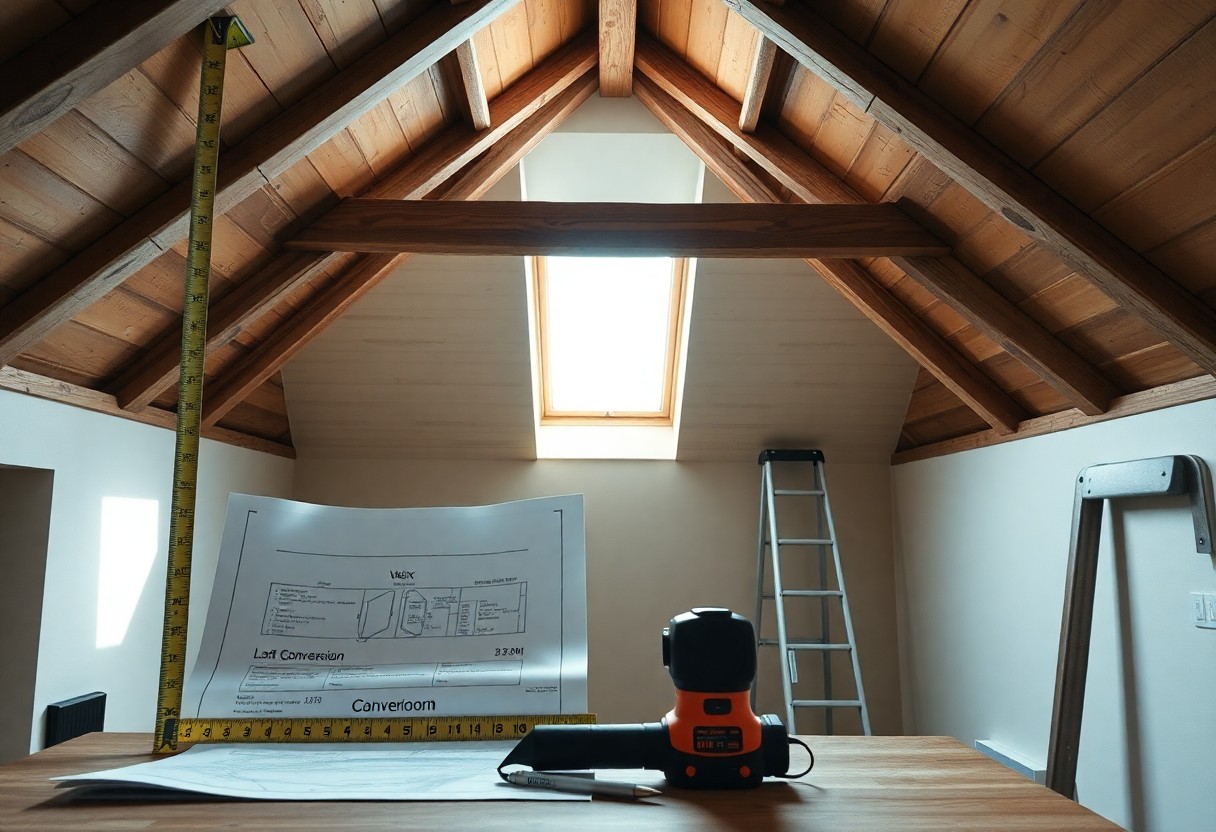
Most loft conversions demand adequate headroom to meet building regulations and deliver usable space, so you should plan for approximately 2.2 metres of clear headroom over the main area; lower heights may be acceptable in parts but can reduce comfort and resale value. You must also consider stair pitch and access, as insufficient headroom or steep stairs poses a significant safety risk, while meeting guidelines will maximise light, space and value.
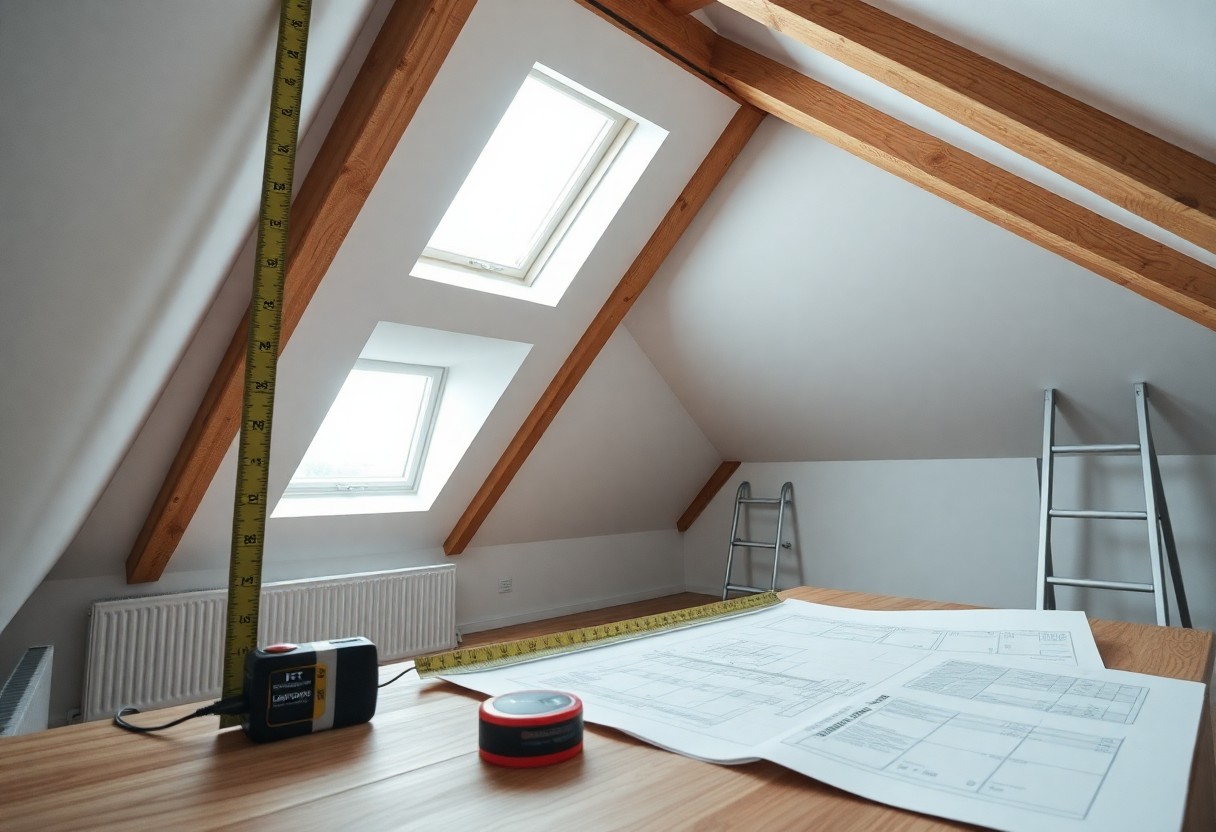
Understanding Loft Conversions
Definition and Purpose
You convert a non-habitable roof void into usable living space to increase floor area, add bedrooms or a workspace, and raise property value; the process typically alters rafters, joists and insulation and demands compliance with building regulations, stair access and often a minimum headroom of around 2.2 m, while party-wall works and structural reinforcement can add complexity and cost.
- Loft conversion creates habitable space within the roof structure.
- Headroom of approximately 2.2 m is commonly sought to achieve comfortable rooms.
- Structural works such as strengthening joists, adding stairs and insulation affect final costs and timescales.
- Recognizing building regulations compliance is mandatory and influences design decisions.
| Definition | Converting roof space into habitable rooms by altering rafters, joists and floor structure. |
| Purpose | To provide extra bedrooms, bathrooms or workspace without extending the footprint. |
| Typical headroom | Industry guidance commonly targets about 2.2 m clear height for comfort. |
| Permissions | Some projects fall under permitted development; others require planning permission. |
| Costs | Basic conversions often start near £20,000; larger projects or structural work can exceed £50,000. |
Common Types of Loft Conversions
You’ll commonly encounter dormer, mansard, hip-to-gable, rooflight (Velux-style) and L-shaped conversions; a dormer typically adds vertical wall and floor area, a mansard remodels the roof slope for maximum volume, and rooflights preserve the exterior while adding light-costs range roughly from £20k for simple rooflight work to £60k+ for large mansard jobs.
- Dormer – increases usable floor area by creating vertical walls and a flat ceiling.
- Mansard – offers the greatest additional volume but usually requires planning permission.
- Hip-to-gable – suits semi-detached or detached homes to square off the roof and gain space.
- Recognizing rooflight conversions are the least invasive and often the most cost-effective option.
| Dormer | Creates flat-fronted vertical space; common on terraced houses and typically adds 40-60% usable floor area. |
| Mansard | Maximises volume by altering the rear roof slope to near-vertical; often requires full planning approval. |
| Hip-to-gable | Converts a sloping hip roof to a gable end to gain width; suits semi-detached properties. |
| Rooflight | Uses flush windows in the slope to improve light with minimal structural change and lower cost. |
| L-shaped | Combines dormer and other styles to create larger, irregular footprints for extended layouts. |
You should match the conversion type to your roof geometry and budget: a typical dormer conversion may keep project time to 4-8 weeks with costs around £25k-£40k, whereas a mansard can take several months and push over £60k when party-wall and planning costs are included; where fire escape and stair headroom rules apply, factor in stairwell reconfiguration and building regulations compliance early on.
- Timeframe – dormers: 4-8 weeks; mansard: several months.
- Budget – typical ranges £20k-£60k depending on scope and structure.
- Regulations – stair and fire egress rules often dictate layout and costs.
- Recognizing party-wall considerations can add legal and contractor fees to your schedule.
| Type | Best for |
| Dormer | Terraced/period houses needing extra headroom and usable space. |
| Mansard | Maximising volume where planning approval is feasible and budget allows. |
| Hip-to-gable | Semi-detached properties with a hipped roof seeking width gain. |
| Rooflight | Minimal disruption projects prioritising light over added floor area. |
Minimum Height Requirements
When planning your loft conversion you must assess usable headroom across the proposed floor rather than a single peak; many projects need alterations such as lowering ceilings, inserting dormers or raising the ridge to achieve comfortable space. In practice, designers aim for a central clear height of around 2.2 metres to create genuinely habitable rooms, while accounting for losses from joists, insulation and services of typically 150-300mm.
Legal Regulations
Building Regulations do not prescribe a single statutory ceiling height for lofts, but they do enforce safety minima: 2.0 metres headroom is commonly required over stair runs and landing approaches, and means of escape, smoke detection and window sizes must meet Part B/M criteria. If you alter structure or access you must submit calculations and drawings to your local building control and follow their specific approval conditions.
Recommended Height Standards
Practitioners generally advise achieving a central headroom of at least 2.2 metres (about 7 ft 3 in) for bedrooms or living areas to ensure comfort, natural light and market appeal; many builders will accept 2.1 metres with clever design but anything below 2.0 metres will feel cramped and restrict resale prospects. Dormers or mansard roofs are common solutions to gain the extra height without raising the entire roof.
For more detail you should model the fall of the roof: for example, a typical 45° pitched roof on a mid-terrace may require a dormer projection of 1.2-1.8 metres to deliver 2.2 metres of usable central headroom, whereas a mansard often delivers more floor area but can be costlier and may need planning consent in conservation areas.
Factors Affecting Height Requirements
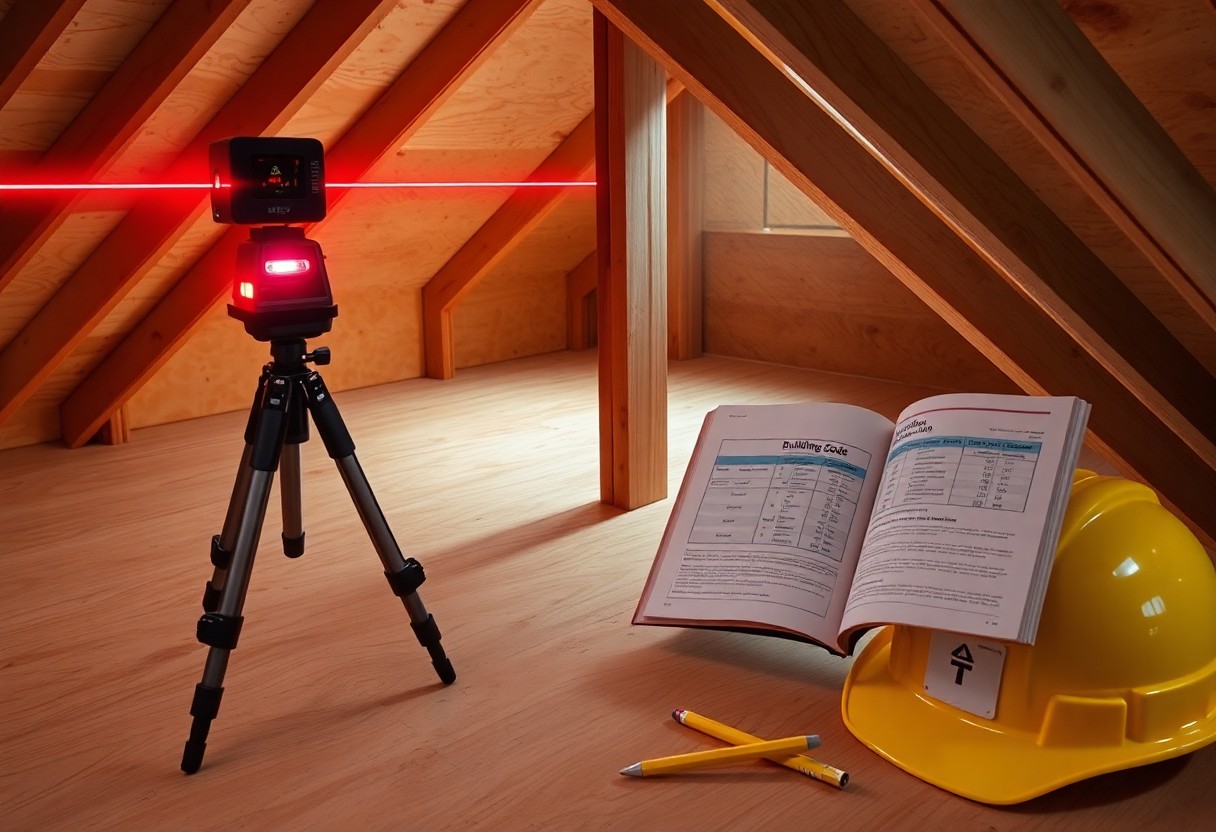
Your assessment of a loft conversion hinges on the existing roof structure, span and pitch, location of chimneys and party walls, and how much insulation you must add; a working target for minimum height is typically around 2.2 metres clear headroom. The building regulations and local planning constraints will determine whether you can raise the ridge, install a dormer or reconfigure trusses.
- Roof structure: trussed vs cut roofs
- Pitch: pitches under 30° often need alteration
- Ridge height: determines central headroom
- Insulation and floor buildup reducing height by 100-200mm
- Means of escape and stair headroom requirements
Roof Structure
In a trussed roof you’ll often find the bottom chords sit at ceiling level leaving only around 0.9-1.2 metres of void, so you may need to replace the trusses or build a dormer; by contrast, a cut roof with rafters and a 35°-45° pitch can often provide over 2.2 metres at the ridge without major rebuilding. You should measure clear headroom across the span and factor in added insulation and new floor joists.
Building Regulations
Approved Documents focus on structural safety, fire escape, insulation and access-so most designers target a clear internal headroom of about 2.2 metres for habitable rooms in a loft conversion; stair headroom and guarding also need compliance, and your proposals must demonstrate adequate means of escape and load‑bearing capacity to building control. You will submit plans and calculations for sign‑off before work proceeds.
Practically, Part B means you may need a protected stair or alternative escape via a suitably sized window, and interlinked mains‑powered smoke detection is typically required; Part L will demand improved insulation, often adding 100-200mm to floor or roof buildup which reduces headroom unless you alter roof geometry, and structural engineers will specify joist sizes, connections and any required fire resistance for walls and floors.
Impact of Insulation and Flooring
When you add insulation and a new floor finish in a loft conversion you will often lose 120-300mm of headroom, depending on insulation type and joist arrangement. For example, 150mm of mineral wool between rafters plus a 22mm chipboard floor and supporting battens can shave nearly 200mm. You should factor that loss into your design when assessing whether your loft meets the minimum height for habitation.
Insulation Thickness
You will commonly use 150mm mineral wool between rafters or 75-100mm PIR boards to meet thermal targets; combining layers (eg 150mm between rafters plus 50mm under) improves U‑values but eats into headroom. Avoid compressing insulation, as that materially reduces its R‑value. If you need to retain headroom, consider thin high‑performance boards or insulating from below with vapour control and plasterboard.
Floor Joist Height
Typical timber joist depths for loft floors range from 150-225mm depending on span; a 3-4 metre span often requires joists around 200mm deep. You can preserve headroom by using engineered I‑joists or steel carriers, which are shallower for the same span. Ensure your chosen joist depth satisfies structural span tables and Building Regulations for deflection and load.
In practice you may install new joists on top of existing ceiling joists to carry the new floor, but that can further reduce your headroom by 50-150mm. Design options include strengthening existing joists with LVL beams or introducing a steel beam to carry longer spans, which lets you use shallower joists. Bear in mind the standard imposed domestic floor load is 1.5 kN/m² and undersized joists cause excessive deflection and noise, so specify structural sizing with an engineer.
Practical Considerations
Factor in building regulations: you generally need 2.2m clear headroom across a usable area and a minimum of 2m headroom over staircases. Structural works – strengthening joists or inserting steel beams – frequently add costs of £20,000-£60,000 on typical projects. Also check party‑wall issues, loft insulation depth (often 150-200mm) and the effect of raising the floor, which can lower ceilings in rooms below and risk non‑compliance if not handled correctly.
Design Options
Consider a rear dormer, hip‑to‑gable conversion or a mansard to maximise volume: dormers typically provide 1.8-2.2m of headroom across part of the floor, while a mansard can deliver near full‑floor 2.2m clear height. Velux rooflights suit shallower pitches but leave sloping ceilings. For example, a mid‑terrace in Leeds achieved compliant headroom by combining a rear dormer with slimline insulation, avoiding costly party‑wall extensions.
Potential Compromises
You may accept sloping ceilings where headroom falls to around 1.6-1.8m at the eaves, repurposing low areas for wardrobes or storage. Lowering the new floor to preserve upstairs headroom can affect downstairs rooms, and inadequate headroom risks building‑control refusal – a danger if you intend to sell. Many homeowners trade full floor area for usable height by choosing a smaller dormer and integrated storage.
To mitigate compromises you can specify a shallow steel beam (typically 150-200mm) to reduce joist depth, and adopt warm‑roof PIR boards of 120-140mm to save 50-100mm of build‑up. In a Brighton Victorian conversion the ridge was raised 150mm and a shallow beam used, achieving 2.2m headroom while only lowering the bedroom below by about 100mm – a useful trade‑off between cost and usable space.
Benefits of Meeting Height Requirements
Meeting the minimum headroom means you secure full useable space, comply with Building Regulations and avoid costly retrofits; most conversions aim for 2.2m headroom to provide standing height, improve natural light and allow standard stair and insulation runs. You also reduce risk of failed valuations or insurance issues, while making the loft suitable for habitation, which drives stronger market interest and lets you legally create bedrooms, studies or lettable units.
Enhanced Usability
You gain practical benefits immediately: with around 2.2m headroom you can fit standard wardrobes (typically 600mm deep), en-suites and full-height doors without awkward kneel walls, and provide comfortable circulation around a double bed and furniture. This lets you convert awkward voids into genuinely functional rooms – for example a study or nursery – rather than cramped storage, increasing daily comfort and usability.
Increased Property Value
A compliant loft conversion typically adds significant value, often in the region of 10-20% to a property’s market price, depending on location and finish; lenders and valuers favour conversions with adequate headroom because they classify the space as habitable rather than ancillary. Ensuring compliance therefore protects the premium you can expect when selling or remortgaging.
For context, on a £300,000 three‑bed terrace, a 12% uplift from a well-executed, compliant loft conversion would be roughly £36,000, illustrating how paying attention to headroom and regs turns construction costs into measurable capital gain. Non‑compliant conversions risk discounts at sale or refusal of mortgage offers, whereas compliant conversions convert investment into tangible value and marketability.
To wrap up
Upon reflecting on minimum height requirements for a loft conversion, you should ensure that your finished room provides adequate headroom and circulation for comfort and compliance; typical guidance suggests aiming for around 2.2 m of clear floor-to-ceiling height across the primary usable area and at least 2.0 m above stair routes, but exact minima depend on Building Regulations and local planning, so you must confirm dimensions with building control or a structural designer before work proceeds.
FAQ
Q: What is the minimum height required to convert a loft into a habitable room?
A: There is no single statutory UK figure that mandates a fixed ceiling height for all loft conversions, but industry guidance and practical experience indicate you should aim for approximately 2.2-2.3 metres (about 7 ft 3 in-7 ft 6 in) of uninterrupted headroom in the principal usable area after new floor and ceiling works are installed. This level allows for a comfortable, fully usable room once new joists, floorboards, insulation and plasterboard are added.
Q: How should headroom be measured for a loft conversion?
A: Measure from the top of the existing ceiling joists (or the proposed finished floor level if that will change) vertically to the underside of the ridge or lowest point of the rafters at the highest part of the roof. Allow for the thickness of the new floor build-up and the ceiling/insulation layers when calculating final clear headroom; for example, a 250-300 mm floor structure plus ceiling/insulation can reduce raw height by a similar amount.
Q: What minimum headroom is required over stairs and landings to the new loft?
A: Building-control practice commonly requires a minimum headroom of around 2.0 metres (about 6 ft 6 in) measured vertically over the stair pitch line and at doorways and landings. Stairs must also meet the relevant Building Regulations for rise, going and handrail provision, so check details with building control or a specialist stair designer to ensure compliance.
Q: My loft does not meet the suggested height – what practical options are available?
A: Options include lowering the new first-floor ceiling where structurally possible, installing a dormer or mansard to create extra internal height, carrying out a hip-to-gable conversion or raising the ridge/roofline (subject to planning/building-control approval), or accepting a non-habitable use such as storage. Structural strengthening, re-levelling joists or installing joists on their edge can recover some height but always consult a structural engineer and building control before proceeding.
Q: Do Building Regulations or planning rules mandate specific loft heights and what approvals are needed?
A: Building Regulations set standards for means of escape, fire protection, insulation, ventilation and stair/headroom dimensions rather than prescribing a single loft ceiling height; planning rules focus on external changes (roof height, volume, dormers) and local authorities may have design or conservation constraints. You must obtain building-control approval for most conversions and check whether planning permission or permitted development rights apply for any roof alterations. Obtain a professional survey and submit the necessary applications before starting work.