Resale renovations help you maximise value when you plan strategically: you should prioritise high-return projects like kitchen and bathroom updates, refresh finishes and kerb appeal, and ensure permits are in place; avoid structural and electrical faults that can derail a sale. You must budget sensibly, stage finishes neutrally and consult professionals to protect your investment… How to Renovate a Home for Maximum Resale Value
Resale renovations help you maximise value when you plan strategically: you should prioritise high-return projects like kitchen and bathroom updates, refresh finishes and kerb appeal, and ensure permits are in place; avoid structural and electrical faults that can derail a sale. You must budget sensibly, stage finishes neutrally and consult professionals to protect your investment and speed up resale.
Understanding Market Trends
You should monitor local supply and demand signals such as average price per square metre, median days on market and the ratio of asking-to-sale prices; for example, many commuter towns saw asking-to-sale ratios tighten to 98-102% in 2023. Pay attention to new-build pipelines and planning consents that can depress values, and note seasonal patterns – spring usually brings faster sales. Use these metrics to time works and set a realistic budget so you avoid over-improving for the neighbourhood.
Researching Local Real Estate
Use Land Registry, Rightmove and Zoopla to pull sold prices for the last 12 months and speak with two or three local agents about demand; aim to review at least 10 comparables within 1 km and filter by similar floor area and age. Check local planning applications and school catchments, since a favourable school zone can lift values significantly. Collate data into a simple spreadsheet to spot pricing bands and target upgrades that match buyer expectations.
Identifying Desirable Features
Prioritise features that consistently show high returns: a modern kitchen (often recouping 60-80% of cost), upgraded bathroom suites (50-70% return), improved EPC rating (can add 5-10% value) and usable outdoor space. Add sensible storage, off-street parking where possible, and flexible layouts such as open-plan living. Balance improvements with local comparable sales to avoid the pitfall of spending more than the market will support.
Match upgrades to your likely buyer: families value a secure garden, good schools and extra bedrooms, while professionals prioritise transport links, a dedicated home office and parking. In coastal or riverside areas factor in flood risk mitigation, which buyers scrutinise. Use agent feedback or a quick survey of recent buyers to confirm priorities, then allocate roughly 60% of your renovation budget to the top two features that comparable sales show deliver the highest uplift.
Key Renovation Areas
Prioritise kitchens and bathrooms since they deliver the strongest uplift: a mid-range kitchen refit commonly recoups around 60-80% of costs on sale and a bathroom revamp 60-70%. Focus too on curb appeal, flooring, insulation and an improved EPC, as energy-efficiency upgrades shorten time on market. Small structural changes or reconfigurations costing £3,000-£20,000, plus a new roof or double glazing, can noticeably broaden your buyer pool.
Kitchen Upgrades
Refacing or replacing cabinets, fitting a quartz or engineered stone worktop and switching to integrated A-rated appliances are high-impact moves; a full refit typically costs £8,000-£25,000 yet often recovers 60-80% on resale. You should prioritise layout and storage – an island or a knocked-through wall increases perceived space – and add LED task lighting and underfloor heating in premium homes to attract buyers prepared to pay more.
Bathroom Improvements
Modernising a bathroom with a walk-in shower, new sanitaryware and tiled wet areas usually costs £3,000-£12,000 and returns about 60-70% on resale. You must address leaks, mould and outdated electrics, as water damage deters buyers and can be dangerous. Choose neutral tiles, a chrome mixer and effective ventilation to maximise appeal.
For safety and compliance, fit an extractor fan providing at least 15 l/s airflow and ensure electrical work meets Part P of UK Building Regulations by using a registered electrician; incorrect installations will harm saleability. Consider thermostatic mixer valves, low-flow dual-flush WCs and underfloor heating for comfort, while small interventions like regrouting, new seals and modern lighting often deliver high impact for under £500.
Curb Appeal Enhancements
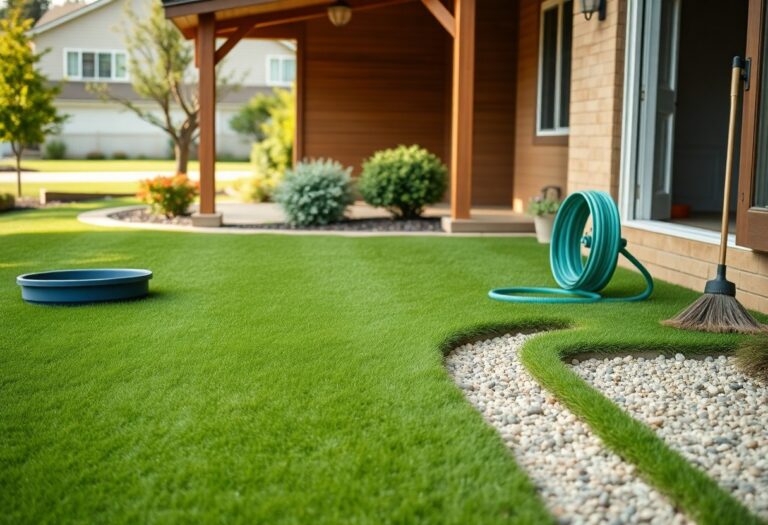
Boost the home’s first impression with targeted upgrades: tidy path, lighting, new house numbers and a painted door. If you invest £500-£2,500 on these items you can see tangible buyer interest; estate agents report that fresh kerb appeal can raise your initial viewing rates and perceived value.
Landscaping Considerations
Plant in three layers-trees, shrubs and groundcover-to create structure and year‑round interest; aim for one focal specimen and repeat planting in groups of three. With a modest budget of £300-£2,000 you can transform a small front garden, and low‑maintenance, drought‑tolerant planting and mulch reduce your upkeep and appeal to more buyers.
Exterior Painting and Upkeep
Use breathable masonry paint for walls and satin or eggshell finishes for wood and trim; proper surface preparation-cleaning, sanding and priming-matters. You should expect a quality exterior paint job to last 8-12 years, and address any rot or damp before decorating to avoid wasted spend.
Choose a neutral palette-soft greys, off‑whites or muted blues-and test samples on shaded and sunny walls. Professional redecoration for a mid‑terrace typically costs £1,000-£4,000 including scaffold; while DIY saves money, working at height and hidden rot demand a professional, and replacing worn fascias and guttering often yields strong resale benefit.
Energy Efficiency Improvements
Targeted upgrades deliver measurable returns: combining loft and wall insulation with efficient heating and appliances can cut your heating bills by 20-40%, often lift an EPC rating by one or two bands and, in many markets, add as much as up to 10% to resale value. Case studies show homes with higher EPCs sell faster; prioritise measures that give the biggest energy and visual impact to buyers.
Insulation and Windows
Insulate lofts to around 270mm of mineral wool, fill cavity walls where present and consider external or internal insulation for solid walls; this can reduce heat loss substantially. Upgrade glazing from single to double (typical U‑value ~1.2-1.6 W/m²K) or triple (~0.8-1.2 W/m²K) for noise and comfort benefits. Use certified installers, because poor ventilation after upgrades can cause condensation and mould, which harms value.
Energy-Efficient Appliances
Choose appliances with high energy ratings (new A-G labels) and check seasonal consumption figures; replacing decade‑old fridge‑freezers or washing machines can cut appliance energy use by 30-50%. Fit a condensing gas boiler (>90% efficiency) or, where appropriate, an air‑source heat pump with a seasonal COP around 2.5-3.5 to impress eco‑minded buyers and reduce bills.
For practical budgeting, a condensing boiler typically costs around £1,000-£3,000 installed, while an air‑source heat pump ranges £7,000-£14,000; smaller swaps like an induction hob or a new A‑rated fridge often pay back in 3-7 years through lower energy bills. Prioritise measures with the shortest payback that also improve your EPC to maximise buyer appeal.
Choosing the Right Materials
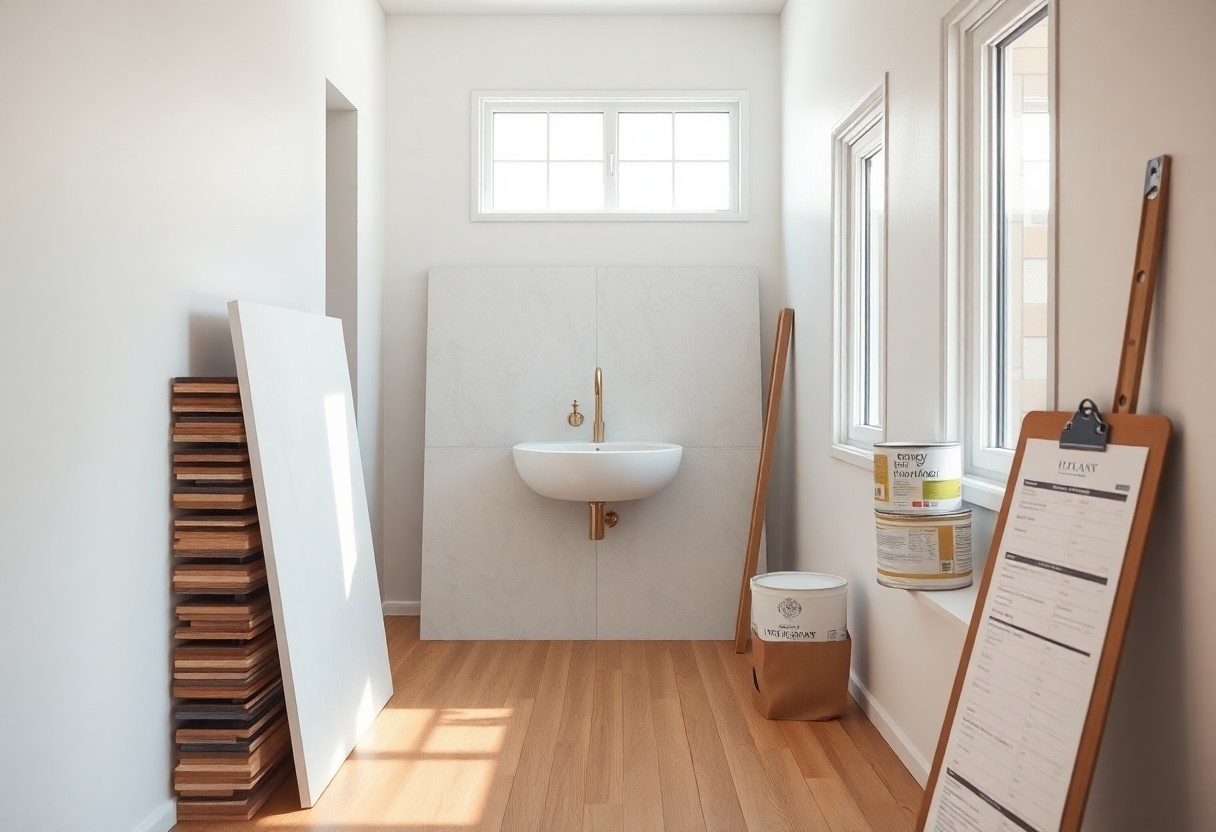
You should balance durability, appearance and resale appeal by selecting materials that withstand wear while matching local buyer expectations; for example, porcelain tiles resist stains and last decades in high-traffic areas, engineered oak offers the look of solid wood at lower cost, and quartz worktops resist scratches and staining better than laminate-typical quartz costs range from £200-£400/m², making it a long-term selling point if your market demands premium finishes.
Cost-Effective Options
You can achieve strong returns by prioritising updates with low outlay: fresh neutral paint often costs £150-£600 per room, vinyl plank flooring from £10-£30/m² mimics timber at a fraction of the price, and replacing cabinet doors or handles instead of a full kitchen refit cuts labour and materials while modernising the look-avoid cheap mismatched fittings that can reduce offers.
High-Impact Selections
You should allocate budget to visibly influential elements buyers notice first: kitchens and bathrooms, a new front door, and quality flooring; consider engineered oak flooring (£30-£70/m²), quartz worktops (£200-£400/m²), and double-glazed sash windows where period properties demand authenticity-these choices often deliver the strongest perceived value in viewings.
For greater detail, focus high-investment spend on rooms that influence offers most: a mid-range kitchen refit that replaces worn cabinetry fronts, installs a quartz surface and updates appliances frequently recoups a high share of cost at sale, while poor installation or mismatched finishes can negate gains; also note that improving energy performance via new boilers or windows not only reduces bills but can improve marketability-hire qualified installers and source warranties to protect your return.

Budgeting for Renovations
Allocate budgets by room and risk, splitting funds into important repairs, desirable upgrades and a contingency. For example, cap kitchen works at £10,000-£30,000, bathrooms at £5,000-£12,000, and set aside 10-20% contingency for overruns. Get three written quotes per trade, track invoices, and prioritise items that boost curb appeal and saleability. If you find structural issues like damp, rot or asbestos, pause aesthetics and address them first to avoid value-eroding surprises.
Estimating Costs
Request itemised quotes showing labour, materials and VAT; labour often makes up 30-50% of total cost. Expect building‑control or permit fees from £200-£1,000, full rewires £3,000-£8,000, and flooring at £20-£60/m² depending on finish. Use local trade rates and a spreadsheet to compare quotes line by line, and factor in lead times – tiling and kitchens commonly add 2-6 weeks to schedules.
Prioritizing Projects
Start with safety and structural work, then high-ROI rooms: kitchens and bathrooms, followed by fresh paint and flooring. You should invest in neutral, high-quality finishes; a £500-£1,500 paint and declutter package often yields outsized returns compared with a small bespoke upgrade. Keep mechanicals up to date – new boilers or double glazing can make your listing more attractive to buyers.
When choosing between projects, score each on cost, ROI and time-to-complete; give higher priority to items scoring highly across all three. For example, a kitchen reface at £4,000 can increase marketability more than a bespoke extension costing £40,000, depending on neighbourhood comparables. Use local sold-price data to guide decisions and avoid over‑improving beyond nearby properties.
Conclusion
Ultimately you should prioritise high-return projects: modernise the kitchen and bathrooms, improve kerb appeal, open layouts and install durable, neutral finishes so buyers can picture their own style. Focus on energy-efficient upgrades, competent workmanship and compliant permits, keep upgrades consistent with neighbourhood standards, and stage and price your home strategically to maximise buyer interest and resale value.
FAQ
Q: Which renovations deliver the highest resale value?
A: Focus on kitchens, bathrooms and energy-efficiency improvements – these appeal to most buyers and typically offer the best return. Mid-range kitchen refits with durable surfaces and updated appliances, modern bathrooms with efficient fixtures and good lighting, and improvements such as double glazing, loft insulation or an efficient boiler lift the property’s marketability. Updates should be in keeping with the neighbourhood and not over-personalised; check comparable sales and consult a local estate agent before committing to large works.
Q: How should I approach kitchen and bathroom upgrades to maximise appeal?
A: Retain the existing layout where possible to avoid expensive structural work and re-plumbing; improve appearance with new cupboards, worktops, splashbacks and energy-efficient appliances. Choose neutral, timeless finishes, quality fittings and practical lighting; add storage solutions and easy-clean surfaces. In bathrooms, prioritise a good shower, adequate ventilation and durable tiling or waterproof wall finishes; small investments in taps, hardware and mirrors can significantly raise perceived value.
Q: Is it worth altering the layout or should I stick to cosmetic improvements?
A: Structural changes can add value if they create an extra bedroom, bathroom or a more desirable open-plan living area that matches local buyer demand, but they cost more, take longer and may require planning permission and building regulations approval. Cosmetic works – painting, flooring, kitchens, bathrooms and fixtures – are lower risk, quicker and often give faster returns. Get professional advice and multiple quotes so the predicted uplift justifies the expense and disruption.
Q: What can I do to improve kerb appeal and the exterior without overspending?
A: Tidy and declutter the front garden, repair or replace worn paving and guttering, paint or replace the front door and refresh exterior trim in neutral tones. Power-wash drives and paths, update exterior lighting and add clear, attractive house numbers; keep planting low-maintenance and well arranged to appeal to a wide audience. Small, inexpensive fixes to the roofline, windows and boundary treatments often make a strong first impression and improve viewings.
Q: How should I set a renovation budget and prepare the house for sale (permits, staging, energy credentials)?
A: Establish a realistic budget with a contingency of 10-20%, prioritise high-ROI items and obtain several quotes from reputable tradespeople. Confirm whether planning permission or building regulations are required for structural or electrical/plumbing work and keep all documentation and receipts. Improve the EPC rating where feasible – insulation, efficient heating and double glazing – as buyers and lenders factor this in. Before marketing, declutter, deep-clean, make minor repairs and consider professional staging and photography to present the property at its best.