
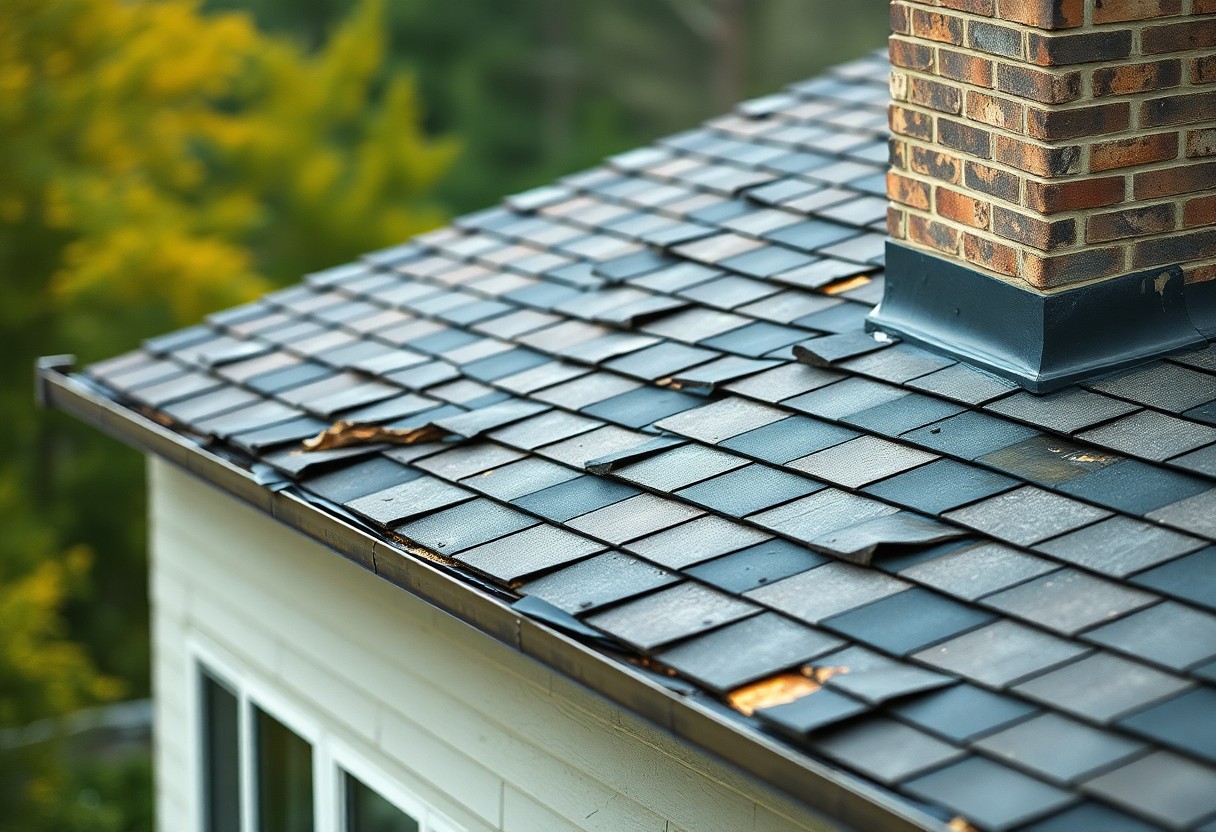
Many homeowners overlook early roof damage, but you must act when you see persistent leaks, sagging decking, widespread mould or rot, or missing and curling tiles that expose underlayment; these are danger signs that threaten your home’s structure and safety. If you notice dark water stains on ceilings or dramatically increased energy bills, arrange immediate repair to protect your property and prevent costly structural failure.
You see water stains, persistent leaks, sagging rafters, missing or cracked tiles, or mould and rot-these are danger signs that demand immediate repair to prevent collapse and extensive interior damage; check for loose flashing, blocked gutters and daylight through the loft, and act quickly because prompt repair protects your home, reduces costs and preserves safety.
Common Roof Problems
You’ll see recurring issues such as aged shingles reaching their 20-30 year life, wind uplift in storms over 60 mph, hail impacts greater than 25 mm, moss and algae growth covering more than 30% of the surface, and blocked gutters causing ponding. These problems accelerate wear and can lead to water ingress, rot and structural sag. If you spot multiple signs across your roof, immediate action reduces repair bills and prevents secondary damage to insulation and timber.
Missing or Damaged Shingles
You may notice cracked, curled or missing shingles after high winds or hail; granule loss in gutters is a clear indicator of wear. When more than 10% of shingles are compromised or underlayment is exposed, your roof’s weatherproofing is significantly reduced. Pay attention to ridge and eave areas where uplift commonly starts, and treat widespread damage as a sign you need professional replacement rather than patching.
Leaks and Water Damage
You’ll often detect leaks via brown ceiling stains, 30 cm-plus damp patches, peeling paint or mould in lofts and rooms below. Persistent leaks promote timber rot, insulation saturation and can create an electrical hazard where water reaches fittings. Acting quickly limits spread and prevents long-term structural decay that is far more expensive to rectify.
To pinpoint leaks, inspect attic timbers, use a moisture meter or infrared survey, and check flashings, valleys, pipe collars and chimney detail-these are the most common failure points. Immediately contain drips with buckets, move valuables, and if water is near sockets isolate the circuit and call a professional. Typical costs range from £150-£500 for small repairs, £1,000-£5,000 for substantial patching, and £5,000-£15,000 for full replacement depending on roof size and materials.
Visible Damage
When you can see broken tiles, exposed felt, rusted flashing or sagging, those are direct indicators that your roof needs attention. Sagging greater than 25 mm over a span suggests structural timbers may be weakened, and visible water stains inside signal active leaks. You should prioritise visible defects because they often precede accelerated rot, mould or collapse, especially after storms or prolonged wet periods.
Cracks and Blisters
If you notice hairline cracks or blistered membranes, those are signs the waterproof layer has deteriorated. Aging asphalt and polymer membranes typically start blistering after about 15-20 years or prolonged UV exposure, allowing moisture to enter the substrate. You should treat widespread cracking as more than cosmetic: it reduces service life and lets water sit against timbers, increasing the risk of rot and structural decay.
Missing Shingles
Missing shingles create direct pathways for water, wind and pests; even a single exposed area can cause a leak that spreads within weeks. After storms, inspect for gaps along eaves and ridges-wind gusts above 60 km/h commonly dislodge tiles-and patching small losses quickly prevents decking saturation and interior damage.
When you’re assessing repair needs, note extent and pattern: isolated missing shingles are often repaired in under an hour by replacing matching tiles, while scattered losses across a slope or bare patches over 0.5 m² indicate a larger intervention. Temporary tarping can protect your interior, but professional replacement ensures correct flashing, nail pattern and material match to restore long-term performance.
Signs of Structural Damage
Often the first indicators are subtle: doors and windows that stick, a roofline that appears uneven, or gaps where flashing meets brickwork. If you spot sagging sections, horizontal cracks, or gaps wider than 5 mm, those are high-risk signs. For example, a 25 mm dip over a hallway or a stair-step crack running across three courses of brick usually signals load or foundation movement and demands prompt assessment.
Sagging Roof Deck
If your roof deck bows downward by about 20-30 mm over a metre or you notice sagging along the ridge, that often means joist rot, failed truss connections or an overloaded loft conversion. Water ingress from prolonged leaks accelerates timber decay and can let a 100-300 kg concentrated load cause noticeable deflection. You should inspect the loft for wet timbers, split nails, or twisted trusses and plan repair before the sag worsens.
Cracks in Exterior Walls
Vertical hairline cracks are common, but horizontal cracks, stair-step fissures through mortar, or any crack wider than 5 mm are concerning and may indicate structural movement. In many homes, cracks near window heads or around chimney stacks point to shifting loads or foundation settlement and should be monitored closely.
Measure and photograph cracks with dates and a small ruler for scale; if a crack increases by several millimetres over weeks or you see new adjacent cracks, that’s significant. You can use simple crack monitors or even taped reference points, but when a wall shows horizontal displacement, widening above 5 mm, or repeated movement, engage a structural engineer to assess underpinning, tie-rod installation or masonry stitching.
Water Leaks
If you spot damp patches or hear constant dripping, act quickly: even a persistent trickle can waste several litres a day and accelerate timber rot, loft insulation saturation and ceiling collapse. You should expect repair bills from small patches around £150-£600, while full re‑roofing can exceed £3,000, so diagnosing the source-flashed chimneys, cracked tiles, blocked valleys-within days will limit damage and cost.
Ceiling Stains
Yellow or brown rings, peeling paint or bulging plaster over 10 cm across usually indicate an active leak above; if the stain is soft or the ceiling sags you face a risk of collapse. You should mark the area, place a bucket under drips and trace the stain to the attic or roofline-common culprits include failed leadwork, slipped tiles or damaged underlay.
Mold Growth
Visible mould-black, green or grey spots-often appears within 24-48 hours of persistent moisture and signals ongoing leakage or poor ventilation; you might also notice musty odours and worsening allergies. You must not ignore mould on joists, plasterboard or insulation, since it damages materials and poses health risks to occupants with asthma or weakened immunity.
When mould covers more than about 1 square metre, arrange professional assessment: remediation typically involves drying to <20% moisture content, removing contaminated insulation and replacing affected plasterboard, plus biocide treatment and improving ventilation. DIY cleaning suits very small patches only; otherwise you may spread spores and worsen the problem. Expect professional containment and remediation to range widely depending on extent, with larger jobs often exceeding several hundred pounds.
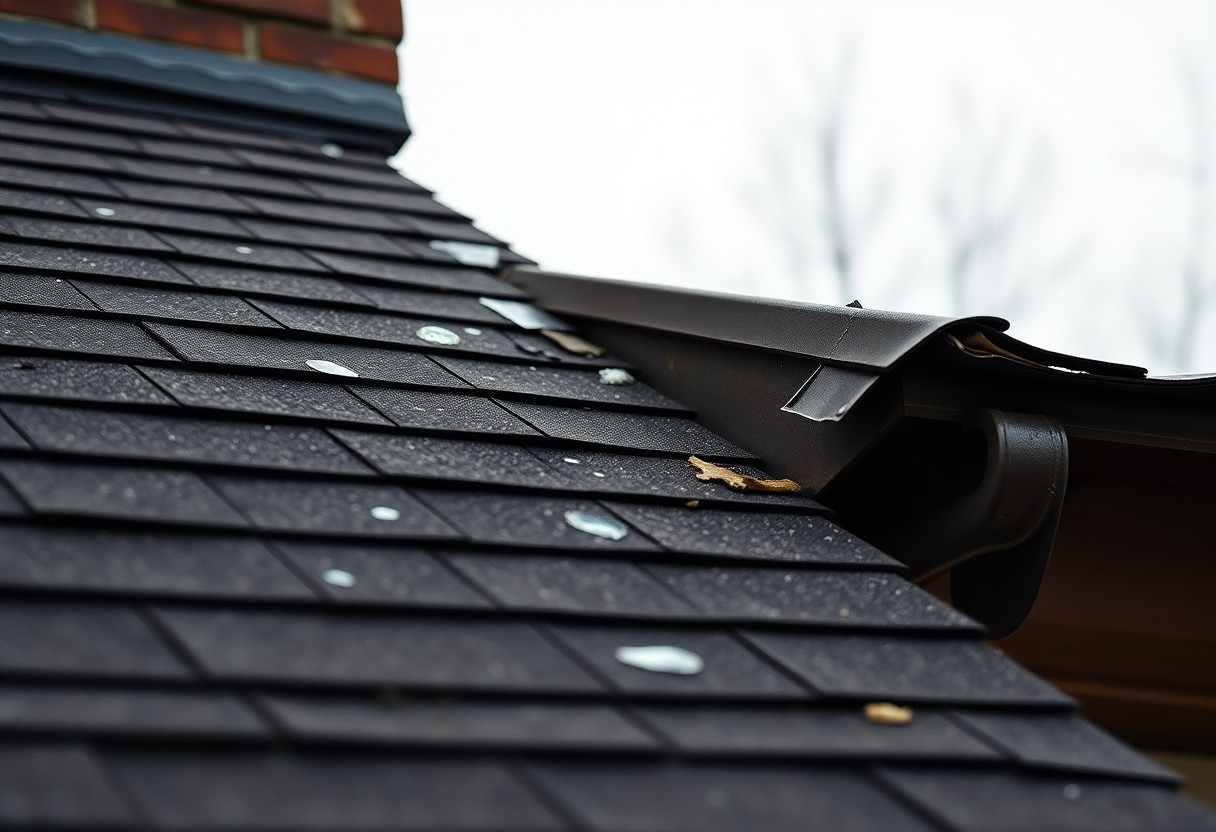
Impact of Weather Conditions
Effects of Severe Storms
When severe storms strike, your roof faces high winds, driving rain and hail; winds above 90 km/h can lift shingles, hailstones over 2 cm can puncture tiles, and torrential downpours (50-100 mm in 24 hours) push water through weak seals. If you notice missing shingles, exposed underlayment or granule loss, these are urgent signs demanding inspection within 48 hours to limit structural water damage.
Severe Storm Effects
| High winds | Uplifted or torn shingles; damage common at >90 km/h |
| Hail | Punctured tiles and dented metal; stones >2 cm cause visible impact |
| Driving rain | Forced leaks through flashing and seals; 50-100 mm/day increases risk |
| Falling debris | Bruised underlayment, punctures, or sagging from branches |
Temperature Fluctuations
During seasonal swings your roof materials expand and contract; repeated cycles between −5°C and +15°C make flashing split and sealants fail. After roughly 5-10 freeze-thaw cycles you may see cracked tiles or brittle asphalt shingles, while metal fasteners can loosen and raise leak risk; act sooner if your roof is over 15 years old.
You should monitor ventilation and attic temperatures because poor airflow can raise deck temperatures and accelerate shingle ageing; studies show inadequate ventilation can shorten shingle life by up to 50%. Also, ice dams form when heat loss melts snow and refreezes at eaves, creating heavy, localised loads that deform gutters and cause internal leaks.
Temperature Fluctuation Impacts
| Freeze-thaw cycles | Cracked tiles and split flashing after ~5-10 cycles |
| Thermal expansion | Loosened nails/fasteners and split sealants |
| Poor ventilation | Higher deck temps and shingle degradation (up to 50% faster) |
| Ice dams | Gutter deformation and internal leaks from refrozen meltwater |
Sagging Roof
If you spot a visible dip along the ridge or a ceiling bulge, that sag often indicates load-bearing members are failing; a drop of 2-3 cm over a 3 m span or doors and windows sticking are signs you need immediate attention. You should treat any progressive deflection, especially after heavy rain or snow, as an urgent issue because continued movement can lead to rapid secondary damage and potential collapse of finishes below.
Structural Issues
If joists, rafters or truss joints are split, decayed or pulling away at the bearings, your roof’s support system is compromised; visible rot where roof timbers meet the wall plate or rusted metal connector plates often precede failure. You should watch for sag that tracks with individual members or multiple broken fasteners, since surveyors find these defects account for most emergency repairs and typically require bracing, sistering or full replacement of affected timbers.
Drainage Problems
Ponding water and blocked outlets load your roof far beyond design intent: standing depth greater than 25 mm (1 in) after a storm or persistent pooling near the valley will accelerate timber decay and membrane failure. You should link sudden sagging to drainage faults when gutter blockages, collapsed downpipes or inadequate falls cause repeated saturation and added dead load across the roof deck.
For more detail, inspect gutters and outlets after heavy rain-if water remains on a roof for more than 24-48 hours or you see soft spots when walking, action is required: clear debris, fit leaf guards, increase fall or add an extra outlet. Typical maintenance of cleaning gutters twice a year and fitting larger downpipes can prevent recurring ponding; when membranes have blisters or seams lift where water collects, expect a professional repair or partial re-sheeting to address both the water and the sagging substrate.
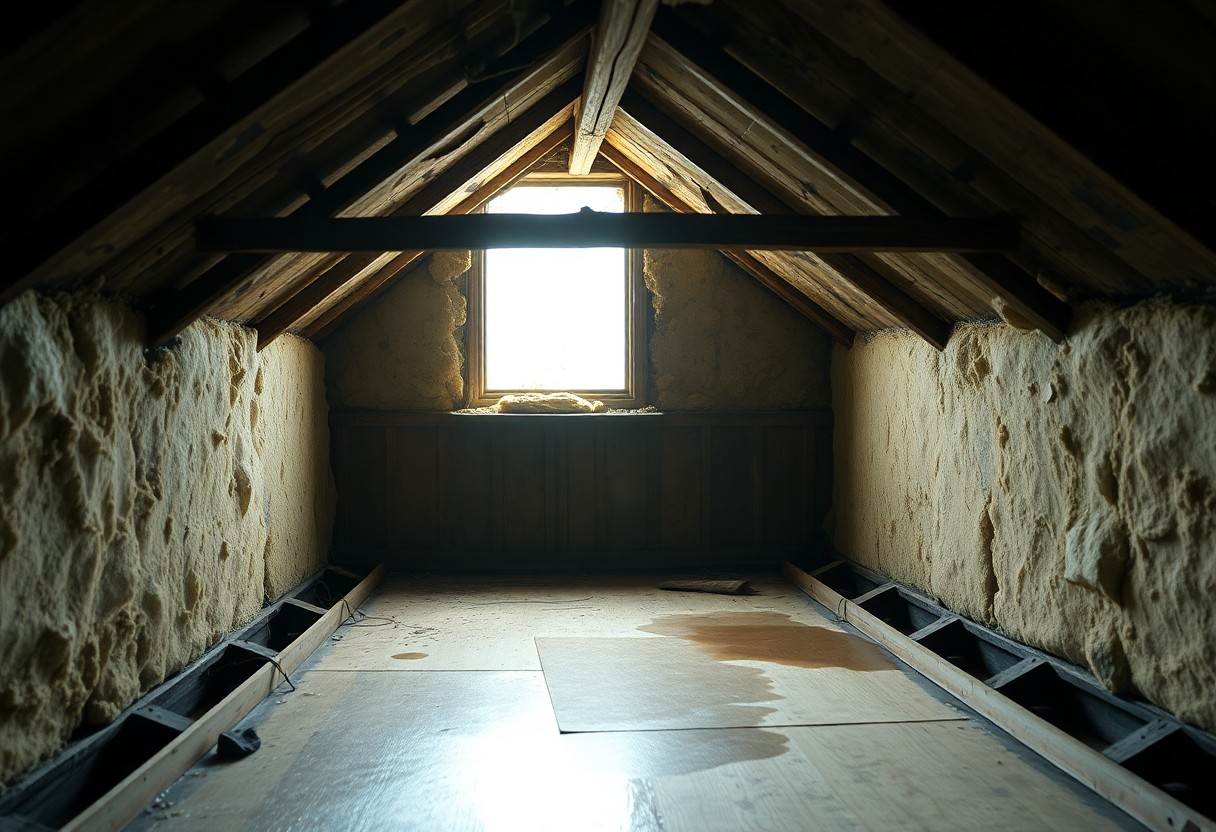
Interior Warning Signs
When you notice damp patches, spreading mould or a persistent musty smell inside, those are often the first indicators your roof is failing. Brown stains, bubbling paint and soft or sagging plaster point to ongoing water ingress; in many cases mould can begin within 24-48 hours of exposure. If you also feel draughts upstairs or see warped joists, act quickly to avoid structural timber rot and escalating repair costs.
Stains on Ceilings and Walls
Dark brown or yellow rings, often with feathered edges, usually mark where water has travelled through plaster or lath; if the stain returns after drying, you likely have an active leak. Peeling paint, blistering plaster and tiny pinhole drips are common early signs, while large spreading stains or sagging areas signal the need for immediate inspection to prevent collapse or hidden mould colonies.
Increased Energy Bills
Rising heating costs can be a sign your roof insulation or roofline is compromised: you may lose up to 25% of heat through the roof in an under-insulated property. Gaps in insulation, damaged felt or blown tiles allow warm air to escape and cold air in, forcing your boiler to run longer; if your bills jump by 10-20% seasonally, check the attic and roof fabric for breaches.
A thermal-imaging survey or an infrared thermometer can reveal temperature differences across your loft and rafters, showing where insulation is missing or moisture is lowering performance; many surveyors report visible losses of several degrees between insulated and uninsulated zones. In the UK aim for loft insulation depth of 270 mm, top up if below that, and repair degraded underlay, vents or ridge tiles to restore efficiency and cut running costs.
High Energy Bills
When your roof is underperforming, it directly hits your wallet: studies show roof and loft issues can account for up to 25% of a home’s heat loss. If you notice bills steadily rising despite unchanged usage, a damaged roof, poor insulation or degraded flashing can cause 10-30% higher energy costs. Check past bills and compare seasonal spikes to identify abnormal increases that point to roof-related losses.
Insulation Failures
If insulation in your loft is compressed, displaced or wet, its R-value falls dramatically; in some cases moisture can reduce performance by 50% or more. You should expect at least a 270mm depth of mineral wool in UK lofts; less than that or visible sagging indicates action. Patching gaps, replacing saturated material and restoring correct depth typically yields noticeable reductions in heating demand.
Air Leakage
Gaps around roof penetrations, eaves and poorly sealed gables let conditioned air escape and unconditioned air in, often raising heating and cooling demand by up to 20%. You can detect leakage with simple checks for draughts at attic hatches and light showing through eaves, or use an infrared camera for clearer hotspots where warm or cold air is escaping.
Common leakage points include chimney flashings, pipe and vent penetrations, and valley joints; sealing these with suitable flashing, gaskets or expanding foam can be highly effective. If you seal properly or commission a professional blower-door test, expect savings – sealing leaks can cut energy loss by 10% or more-and extend the life of roof components by reducing moisture-driven decay.
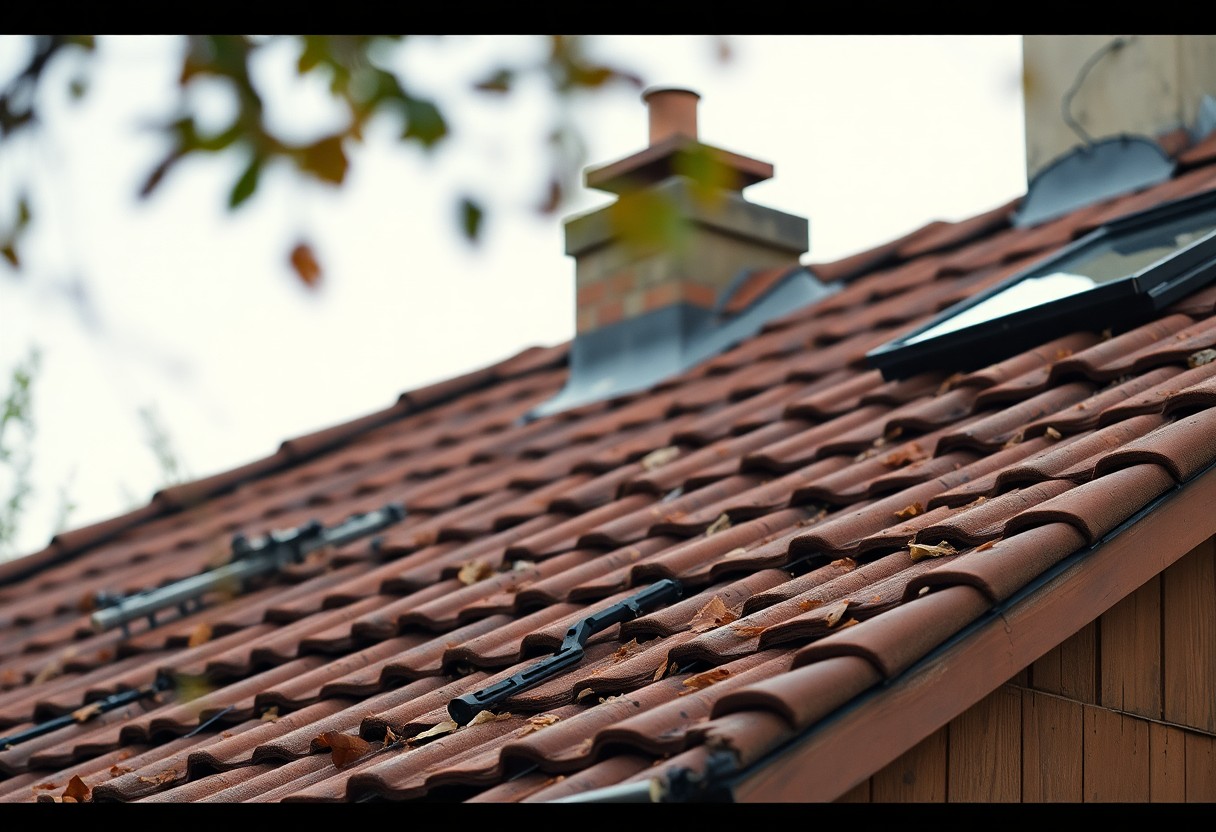
Importance of Regular Inspections
You should schedule inspections at least once a year and after severe weather to spot issues early, since asphalt roofs typically last 20-30 years and wind or hail can accelerate failure. Professional and DIY checks catch problems like water ingress, granule loss or flashing damage before they become structural. The practice of regular checks reduces emergency repairs and protects your home.
- regular inspections
- roof maintenance
- early detection
Professional Roofing Assessments
You should book a qualified roofer for an annual survey and within 14 days after major storms, since professionals use thermal imaging and moisture probes to reveal hidden rot or trapped damp. Specialists will also assess load-bearing timbers and recommend repairs that preserve warranties and insurance cover. Their reports give actionable priorities and costed options so you can plan repairs effectively.
- professional assessment
- thermal imaging
- licensed roofer
DIY Inspection Tips
You can perform safe, effective checks by scanning with binoculars, inspecting the loft for damp stains, and clearing gutters to watch for granules or dark run-off; carry out these checks 1-2 times a year and after storms. Wear non-slip footwear, use a stable ladder and never climb on a wet roof to avoid falls; note any loose tiles, rusted flashings or mould. The simple habit of photographing defects speeds decisions and quotes.
- attic inspection
- flashing
- gutter clearance
- safety
You should extend DIY checks by keeping a dated log, measuring sag with a spirit level, and checking for granule loss in downpipes-significant loss often indicates shingles near end of life; for tile roofs, look for cracked or slipped tiles and mortar erosion. Use a moisture meter in the loft where possible and photograph each elevation for comparisons; if you find persistent damp or structural sag, call a pro immediately. The checklist approach prevents missed issues and speeds repair decisions.
- granule loss
- moisture meter
- photographic log
Age of the Roof
When your roof reaches expected service life it becomes far more vulnerable; for instance, asphalt shingles often wear out around 20-25 years, clay or concrete tiles around 50-100 years, and natural slate can exceed 75 years. If your roof is past its typical lifespan, you face increased risk of water ingress, rot and structural damage, so you should prioritise a professional inspection and budget for likely repair or replacement within a short window.
Material Lifespan
Different materials age at different rates: standard three-tab asphalt lasts about 20-25 years, architectural shingles 25-30 years, metal roofs commonly 40-70 years, and high-quality slate or lead can exceed 75 years. For example, suburban homes with asphalt shingles typically require full renewal by year 25, whereas a slate roof on a Victorian terrace may serve for generations with spot repairs.
Regular Maintenance
You should inspect your roof at least twice a year-spring and autumn-and after storms, clearing gutters, checking flashing and looking for lifted tiles or split shingles. Neglect raises the chance of sudden leaks and escalates repair costs; simple actions like replacing a few faulty tiles promptly can prevent expensive structural repairs.
Practical maintenance includes a ladder-level check every six months, photographing suspect areas, and calling a roofer for a detailed inspection every 2-3 years if your roof is over 15 years old. Pay particular attention to ridge cappings, valley flashings and chimney leadwork; fixing small issues early usually costs a fraction of emergency replacement and helps extend your roof’s usable life.
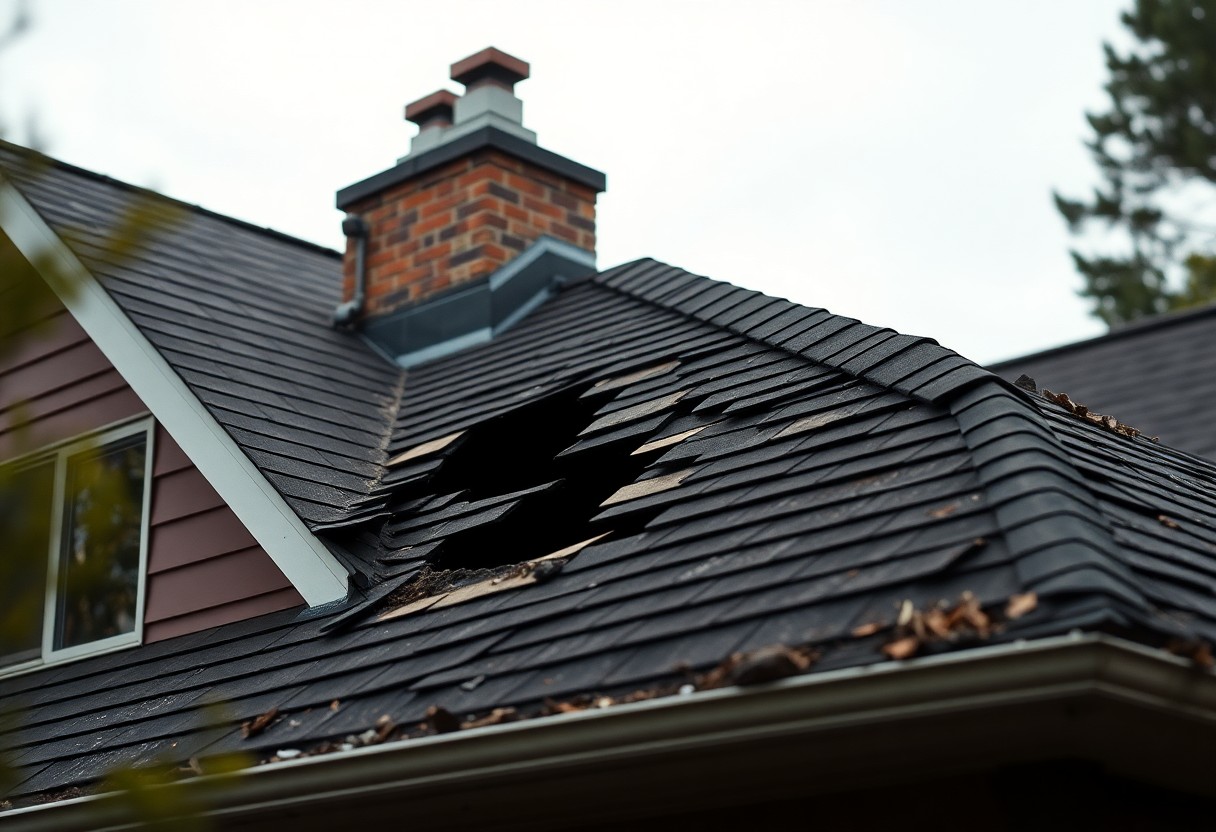
Immediate Steps to Take
Start by moving vehicles away and collecting debris; if water is entering, place buckets and cover holes with a tarpaulin to limit damage for 24-72 hours. Photograph all damage from multiple angles within 24-48 hours for insurance, switch off electricity to affected areas if safe, and do not climb on a steep or high roof-falls are a major hazard. Contact your insurer and an emergency roofer immediately to arrange a professional assessment.
Temporary Fixes
If tiles are missing or flashing is torn, you can secure a tarp, roofing tape and silicone to stem leaks for a few days; tarpaulins typically cost £20-£100 and roofing tape £5-£20. For small punctures you might apply roofing cement as a stop-gap, but avoid DIY work on roofs higher than 3 metres or with a pitch over 30°–falls are a leading cause of injury.
Contacting Professionals
When you call for help, ask for an emergency response time-many reputable roofers offer a 24-48 hour callout-and request written quotes, proof of Public Liability insurance (commonly £1m+), and evidence of trade registration such as NFRC or TrustMark. Expect emergency repairs to cost roughly £150-£600 depending on scale; get receipts and a clear timeline for permanent repairs.
Ask your contractor specific questions: who supplies the materials, what warranty is offered (materials often carry 20-30 year manufacturer warranties; workmanship commonly 1-10 years), whether they will provide a written schedule of works and temporary weatherproofing, plus two references from recent local jobs. If you contact your insurer, check if they prefer approved contractors and whether an assessor will inspect within 48 hours; getting at least two quotes helps you compare scope and price.
Recent Severe Weather
Storm Damage
After storms with gusts above 60 mph (97 km/h), you should inspect for torn or missing shingles, lifted flashings and debris impact. Gusts in extreme events-Storm Eunice produced gusts up to 122 mph in 2022-often leave exposed decking and displaced ridge tiles. You may see water stains in the loft or sagging sections; these are signs that water intrusion is imminent and require immediate repair to prevent structural rot and mould.
Hail Impact
If hailstones measured over 20 mm (0.8 in) you should suspect impact damage: dented metal flashings, fractured tiles and stripped granules on asphalt roofs. Tests show hail larger than 25 mm can perforate older felt membranes, and manufacturers rate shingles by UL 2218 impact classes-Class 4 withstands severe hail. Photograph dents and count damaged tiles; missing granules and visible cracks indicate your roof needs prompt assessment.
On closer inspection, probe for hairline fractures in slate, granular loss across 10-20% of a shingle surface and dent patterns on gutters and vents, since these often precede leaks by months. You should also check under-eave soffits and the loft for wet insulation or brown patching. Keep dated photos and get a professional hail report-many insurers accept certified damage surveys for claims, and delays beyond 14-30 days can complicate settlements.
Final Words
To wrap up, if you notice missing or curled shingles, sagging areas, persistent leaks, granule loss in gutters, or daylight showing in the attic, you should arrange immediate repair to prevent further structural damage and mould growth. Acting promptly protects your property value, maintains insulation performance and keeps you safe from water ingress and rot. Contact a qualified roofer for inspection and repairs as soon as possible.
To wrap up
As a reminder, if you spot missing or broken tiles, sagging rooflines, persistent leaks, damp patches in your attic, severe shingle granule loss, or rusted flashing, you should arrange immediate professional repair to prevent structural deterioration, higher repair costs and risks to your safety.
FAQ
Q: What interior signs indicate my roof needs immediate repair?
A: Fresh brown stains on ceilings or walls, bubbling or peeling paint, damp or mould in the loft, dripping water or visible wet insulation all indicate active water ingress. Place buckets beneath drips, move valuable items away, avoid using electrical fixtures near wet areas and contact a qualified roofer promptly to assess and temporarily cover the roof if necessary.
Q: My roofline appears to sag or the ceiling is bowing – is this urgent?
A: A sagging roofline or bowed ceiling suggests structural failure such as rotten rafters, failed trusses or accumulated water load. This poses a risk of collapse. Evacuate the affected room or loft area if the sagging is pronounced, do not walk on the roof, and arrange an immediate inspection by a structural engineer or experienced roofer who can provide temporary propping and a repair plan.
Q: There are missing, cracked or curled tiles/slates on my roof – should I act straightaway?
A: Missing, broken or curling tiles/slates expose underlay and roof decking to rain and wind, accelerating decay and causing leaks. If large areas are affected or tiles are absent after severe weather, have a roofer make emergency repairs or fit a tarpaulin to prevent further ingress, and replace damaged tiles as soon as possible to avoid secondary damage to loft insulation and ceilings.
Q: I find lots of shingle granules in the gutters and bald patches on shingles – how urgent is that?
A: Excessive granule loss and bald patches indicate accelerated wear of asphalt shingles and loss of weatherproofing. Blocked gutters full of granules also cause water to back up under eaves. Clean the gutters to prevent overflow, inspect the roof for widespread wear and arrange a professional assessment; accelerated deterioration can lead to leaks within weeks if not addressed.
Q: There is rusted or loose flashing around the chimney and I can see daylight through roofboards – what should I do?
A: Damaged flashing or gaps around penetrations (chimneys, vents, skylights) are common entry points for water, and daylight through roofboards shows breaches in decking. Move stored items from the loft, place temporary covers if safe to do so from inside, avoid electrical exposure to leaking water and book an urgent repair with a roofer who will replace flashing, patch decking and restore watertight seals.