
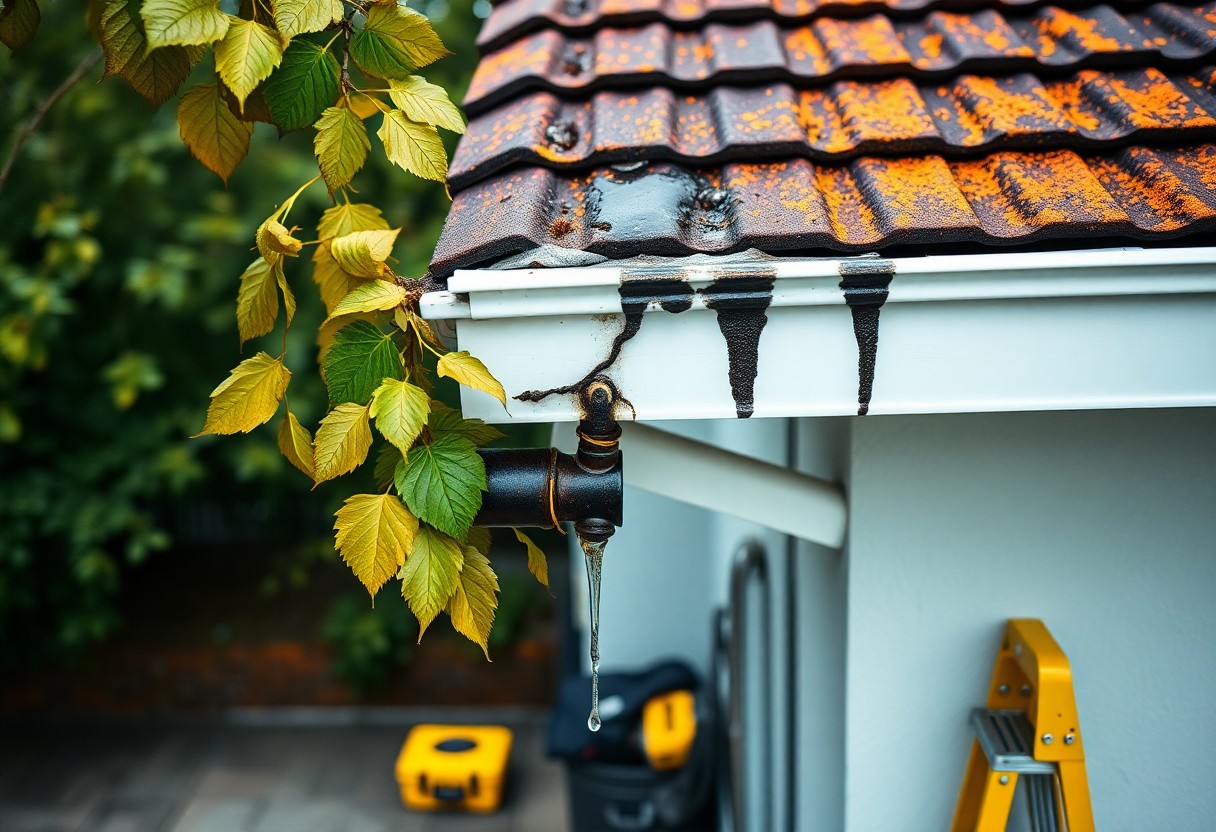
Most homes show early signs of damp: musty odours, black mould in corners, damp patches, peeling paint and persistent condensation, so you should check lofts, basements, around windows and pipework monthly; note rising damp lines and crumbling plaster, as untreated damp can cause structural damage and health issues, but with prompt action-improving ventilation, fixing leaks and using dehumidifiers-you can prevent costly repairs and protect your property.
Identifying Signs of Damp
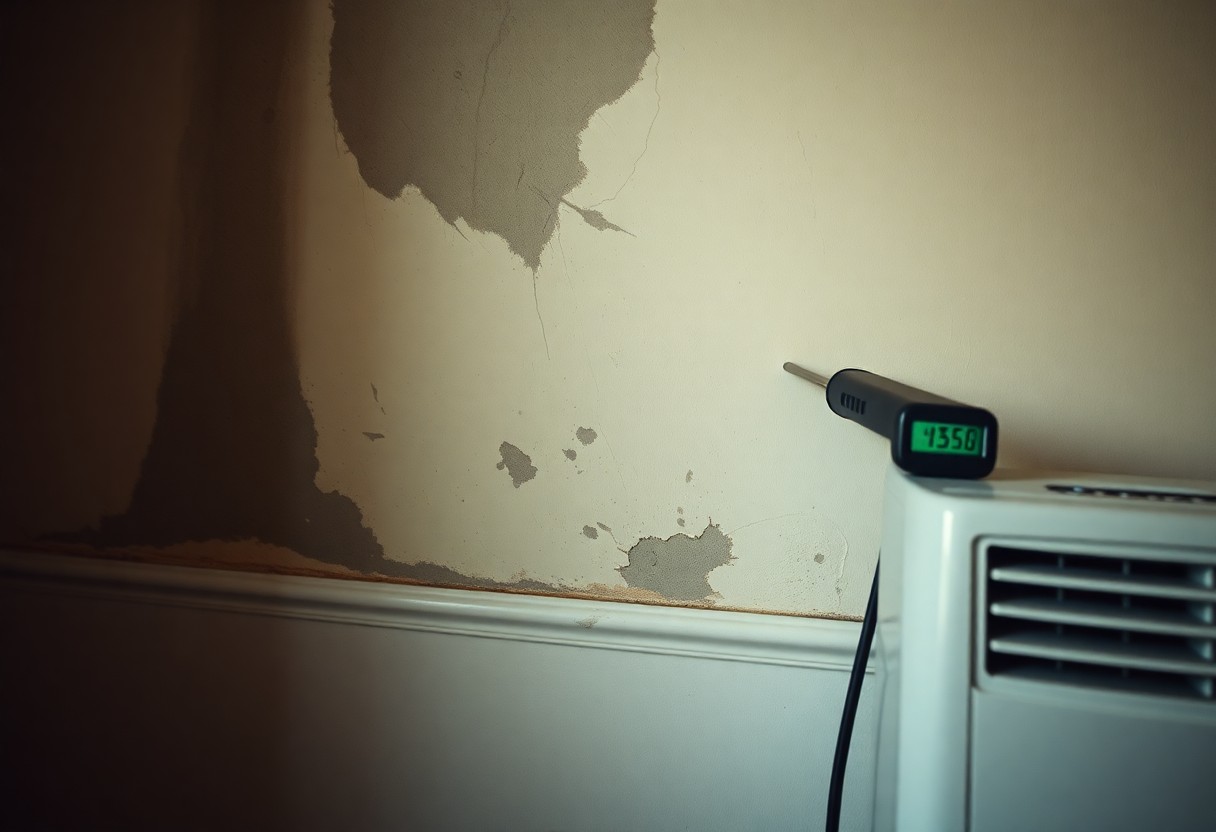
You should scan rooms for subtle clues: spreading discolouration, bubbling paint, peeling wallpaper and white efflorescence on brickwork often point to penetrating damp, while warped skirting, sticky paint and timber decay suggest rising or condensation issues; black mould patches and rusty fixings can signal long-term moisture that will inflate repair bills if left for months.
Visual Indicators
Examine ceilings for crescent-shaped stains above light fittings-these commonly indicate roof leaks-and walls for tide marks or salt stains near external walls; furniture marks hiding damp behind wardrobes are frequent, and plaster crumbling within weeks alongside staining points to ongoing water ingress rather than a one-off spill.
Musty Odours
A persistent musty odour usually means mould growth you cannot yet see, especially in poorly ventilated spaces like cupboards or under floorboards; because mould can begin producing spores within 24-48 hours in high humidity, that smell is an early warning you should act on before visible damage appears.
To locate the source, close doors and identify the room where the odour is strongest, then lift carpets, check behind wardrobes and inspect loft insulation; measure relative humidity (above 60% increases risk) and use a moisture meter-timber readings over 20% indicate conditions ripe for fungal decay. If you find hidden black mould or damp timber, prioritise drying, improved ventilation or professional remediation to prevent structural deterioration and health impacts such as aggravated asthma.
Essential How-To Tips for Early Detection
Carry out focused checks to spot damp and mould early: inspect lofts, eaves and wall junctions after storms, note any musty odours or bubbling paint, and probe soft plaster with a screwdriver; timber readings above 20 per cent moisture content usually indicate decay risk. Use a moisture meter to compare suspect areas with dry ones. Knowing early action often stops small issues becoming structural problems.
- Inspect roofs and gutters within 48 hours after heavy rain for leaks.
- Check behind wardrobes and under sinks monthly for hidden damp.
- Use a moisture meter and log readings to track trends.
- Watch for peeling paint, salt stains and persistent odours as signs of mould.
- Ensure ventilation to keep indoor relative humidity below 60 per cent.
Regular Inspections
Schedule visual checks every month in high-risk rooms and quarterly elsewhere; after storms inspect roofs, gutters and lofts within 48 hours. You should open cupboard backs and move wardrobes from external walls to reveal damp patches, probe skirting with a screwdriver when paint bubbles, and examine bathroom seals and under-sink pipes since a slow leak can raise timber moisture to unsafe levels quickly. Keep a photographic log to monitor progress.
Utilising Moisture Meters
Handheld moisture meters give quantifiable readings so you can prioritise repairs: pin meters test timber directly and pinless units scan plaster and masonry; investigate timber readings above 20 per cent and any masonry readings markedly higher than neighbouring areas, taking several readings per location to establish a trend.
Pin meters work by measuring electrical resistance and are best for joists and studs, while pinless meters use electromagnetic waves to survey larger surfaces without damage. Test at skirting level, joist ends and behind plasterboard; after a leak take daily readings for the first week, then weekly until stable. Calibrate against a known sample and record date, location and values-one homeowner tracked a rise from 12 per cent to 28 per cent in floor joists after a hidden pipe fault and arranged repairs before rot required replacement, avoiding much larger costs.
Understanding Contributing Factors
Many sources combine to create damp: condensation from poor heating and ventilation, rising damp where ground moisture moves up older walls, penetrating damp via roof, gutter or pointing failures, and hidden leaks from plumbing. You should inspect less obvious spots such as behind wardrobes and at skirting boards; a damp meter reading above 16-18% in plaster often signals excess moisture. After you spot early signs, acting swiftly often halves repair costs.
- Condensation – high indoor humidity from drying laundry or inadequate extractor fans.
- Rising damp – failed or bridged damp-proof course in older properties.
- Penetrating damp – damaged roof tiles, blocked gutters or eroded pointing.
- Leaks – concealed plumbing faults, junctions and tank overflows you may not notice.
Weather Conditions
You’ll see damp spike after prolonged wet spells, particularly when storms damage roof coverings or gutters; for example, post-storm collapses often reveal pointing failures within months. Coastal exposure increases corrosion of flashings and salts can accelerate brick decay, while north-facing walls dry more slowly. Check external rooflines and gutters after heavy rain and measure wall moisture; readings consistently above 20% point to a persistent weather-driven issue.
Building Materials
Certain materials retain moisture: solid brick and lime-rendered walls absorb and hold water longer than modern cavity walls with a damp-proof course. Timber elements rot when moisture content exceeds about 20%, and older mortars can degrade over 30-50 years. You should confirm whether your property has adequate ventilation and a functioning damp-proof course before choosing repairs.
Assess the fabric in detail: a Victorian terrace with solid walls often needs breathable external insulation or specialist lime render because impermeable paints trap moisture; replacing rotted timber joists typically costs between about £800 and £4,000 depending on extent. Handmade bricks can absorb roughly 10-20% of their weight in water versus under 5% for engineering bricks, so you should prefer breathable finishes and commission a structural survey to avoid ineffective, costly fixes.
Prevention Strategies
Improving Ventilation
You should aim to keep indoor humidity between 40-60% relative humidity by using extractor fans when cooking or showering and by airing rooms for 10-15 minutes twice a day; run fans for about 20 minutes after use. Fit trickle vents or humidistat-controlled units where possible, and buy a hygrometer for about £10-£20 to monitor levels – small behaviour changes often prevent persistent condensation on single-glazed windows.
Sealing Entry Points
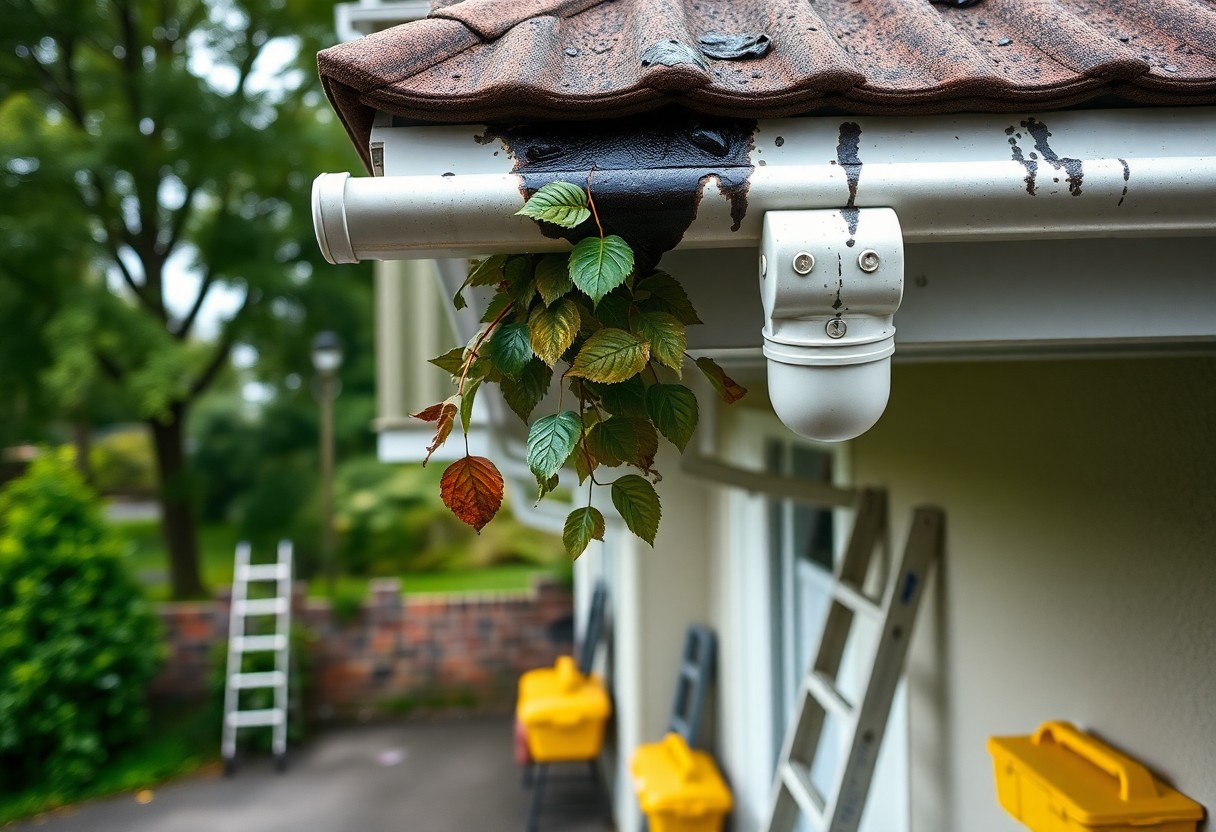
Inspect around pipework, window frames and the roofline for gaps and degraded mortar, and seal holes with appropriate materials such as exterior-grade silicone, polyurethane sealant or expanding foam; check gutters and roof flashings for blockages that force water into walls. Ensure the damp-proof course is visible and kept at least 150mm above external ground level to avoid rising damp and avoid trapping moisture by over-sealing ventilation paths.
When you seal gaps, work from the outside first: clear out old mortar, use a backing/foam rod for joints wider than about 10 mm, then apply a flexible sealant so movement won’t crack the seal. For older masonry use breathable lime mortar rather than cement to allow moisture escape, and call a qualified surveyor if you suspect a failed DPC or widespread salt damage – targeted sealing plus good roof and gutter maintenance stops most water ingress problems.
Maintenance Practices
Make weekly and seasonal checks on roofs, gutters and external walls, clearing debris so downpipes flow freely; check gutters twice a year and after storms. Use a hygrometer (often under £20) to keep indoor humidity between 40-60%, and run extractors for at least 20 minutes after showers. Inspect loft insulation and roof tiles every autumn, and probe skirting boards for soft spots-small, early fixes cost far less than structural repairs.
Regular Cleaning
Wipe down wet surfaces after use and de-scale showerheads every three months to stop water pooling and spores spreading; mould can appear within 24-48 hours. Vacuum and dust behind appliances monthly, clean grout lines with a mould-killing product, and launder curtains and extractor filters seasonally. Keeping vents and trickle vents free of dust reduces condensation and prevents hidden damp forming in wall cavities.
Addressing Plumbing Issues
If you notice staining, unexplained damp patches or rising water bills, check your water meter overnight and inspect visible pipe joints; turn off your stopcock immediately if a leak is confirmed. Persistent drips, corroded fittings or a burst pipe can flood a room within minutes and lead to repair bills that often exceed £2,000, so engage a professional within 24-48 hours.
Take prompt, practical steps: isolate water at the stopcock, contain the leak with towels and a bucket, and photograph damage for records. Apply temporary repairs such as emergency pipe tape or a hose clamp to control flow, then contact a plumber registered with WaterSafe and notify your insurer within 24-48 hours to preserve cover; keeping receipts and photos speeds up any claim.
When to Seek Professional Help
Signs of Severe Damp
Persistent mould covering more than 1 m² and a musty odour suggest severe damp. You should also note extensive peeling wallpaper, dark tide marks, salt deposits above skirtings, or timber joists that are soft or rotting. If household asthma or eczema worsens, or a moisture meter shows timber readings over 20%, these indicate health risk and structural damage requiring professional assessment.
Choosing the Right Specialist
Choose a surveyor listed with RICS or a contractor accredited by the Damp Proofing Association. You should expect a written report with moisture readings and, where appropriate, infrared scans; typical survey fees run £150-£400. Prioritise firms offering an insurance-backed guarantee and a clear warranty of at least two years to limit future liability.
Ask each candidate for a detailed moisture map, hygrometer or moisture‑meter figures, and before/after case photos from similar jobs. Insist on a specified method (chemical or physical DPC, tanking, ventilation changes), a firm timeline, proof of public liability insurance, and obtain at least three quotes with the insurance-backed guarantee written into the contract to avoid repeat failures.
Conclusion
Conclusively, you should inspect regularly for musty odours, mould, peeling paint, damp patches and rising damp, check roofs, gutters and plumbing for leaks, maintain good ventilation and consistent heating, and use dehumidifiers where needed; by acting promptly on any signs and arranging timely repairs you prevent small problems escalating into costly structural work.

FAQ
Q: What are the earliest signs of damp in my home?
A: Early signs include persistent condensation on windows, a musty odour, small mould spots (often black or green) on walls or ceilings, bubbling or peeling paint and plaster, water stains or tide marks, white powdery salt deposits on skirting or walls, warped skirting boards or floorboards, and worsening hayfever or respiratory irritation. Check behind wardrobes, inside cupboards, under sinks and in the loft for hidden wet patches.
Q: How can I distinguish between condensation, penetrating damp and rising damp?
A: Condensation forms on cold surfaces and is linked to high indoor humidity; it appears as water droplets and surface mould. Penetrating damp follows rainfall or leaks and shows patchy, irregular dampness on external-facing walls, often linked to faulty gutters, missing roof tiles or cracked pointing. Rising damp travels up from ground level and typically leaves a horizontal tide mark, salt efflorescence and damaged skirting or floor plaster. A moisture meter and inspection after rain help differentiate causes; if unsure, get a damp survey.
Q: Which quick DIY checks and tools will help me spot damp early?
A: Use a hygrometer to monitor indoor relative humidity (consistently above 60% raises condensation risk) and a handheld moisture meter to record wall moisture levels over time. Inspect external gutters, downpipes, flashing and mortar after rain, check loft insulation and roof spaces with a torch, and photograph any progression of stains. Tape a small square of clear polythene to a suspect wall for 24 hours; surface condensation on the sheet suggests humidity issues, while continuous damp on the wall behind the sheet points to a different problem.
Q: What immediate actions can I take to prevent damp getting worse?
A: Improve ventilation by using extractor fans in kitchens and bathrooms, open windows when practical, and fit trickle vents or use a dehumidifier. Avoid drying laundry indoors, keep heating at a low stable level to reduce cold surfaces, clear gutters and repair leaking pipes, replace broken roof tiles and repoint external brickwork, ensure ground levels slope away from the building, and move furniture slightly away from walls to allow airflow.
Q: What long-term repairs might be needed and what costs should I expect if damp is ignored?
A: Long-term work can include redecorating and replastering affected areas (£100-£1,000), gutter and roof repairs (£200-£1,500), rising damp treatment or installation of a new damp-proof course (£500-£3,000), timber treatment or replacement for joists and skirting (£500-£5,000), and major structural repairs such as wall tie replacement or structural timber works (£2,000-£10,000+). Costs vary widely by size, access and severity; obtain a professional survey for accurate estimates.