
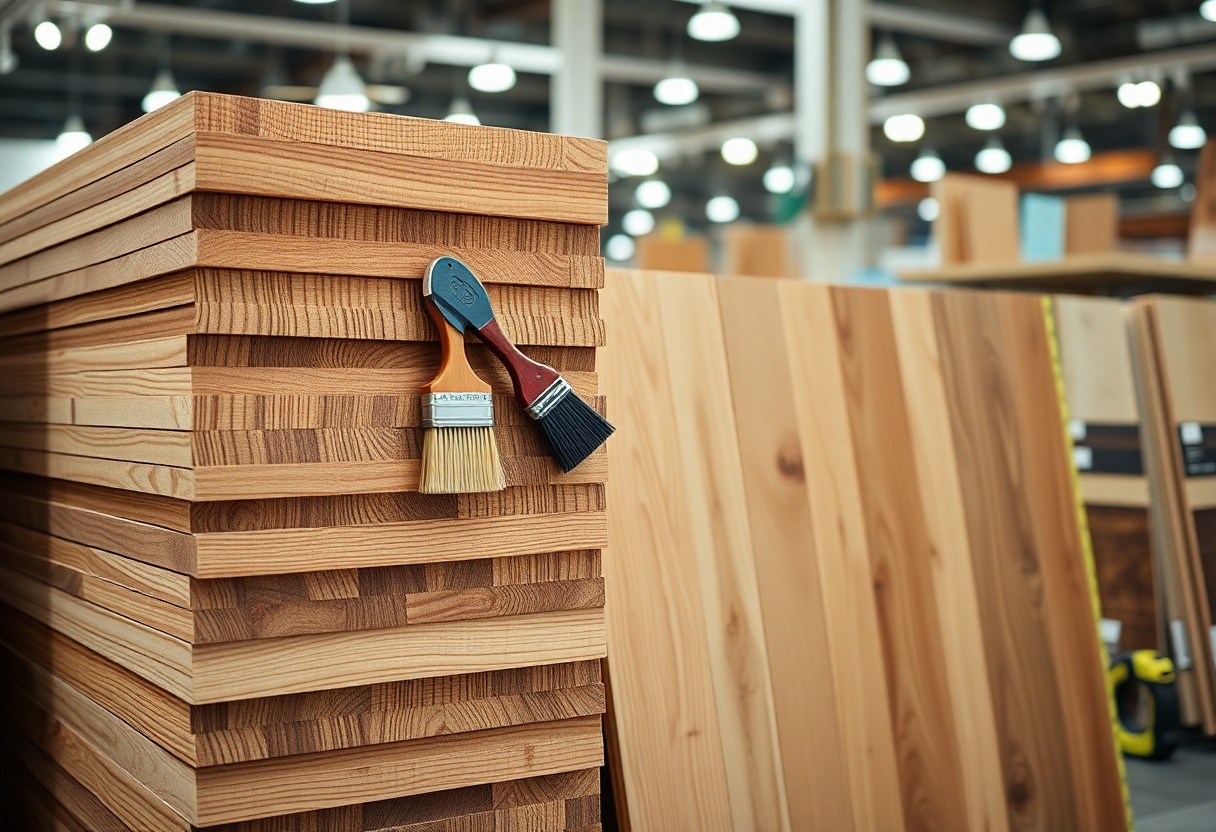
Timber offers a natural, long-lasting floor that adds warmth and can be sanded and refinished to renew your boards, while laminate is a more cost-effective, low-maintenance option that resists wear; you should balance timber’s repairability and timeless appeal against laminate’s scratch resistance and ease of cleaning. If your room sees spills, timber’s sensitivity to moisture may need extra protection.
Understanding Timber Flooring
Timber floors offer long-term value: solid timber can last 60-100 years with periodic sanding, while engineered timber gives stability over underfloor heating and humid rooms. You should expect factory-finished boards to need less maintenance than site-finished ones, and high-traffic oak can be re-sanded 5-7 times. Manufacturers commonly guarantee 10-25 years for wear layers on engineered planks.
Types of Timber Flooring
You will encounter several constructions and species: solid planks, engineered boards, patterned parquet, reclaimed timbers and exotic hardwoods; each varies in thickness, stability and cost. Recognizing the construction and species lets you match performance to room use and moisture risk.
- Solid timber – traditional single‑piece boards, sandable multiple times.
- Engineered timber – layered for stability, suited to underfloor heating.
- Parquet – decorative blocks/tiles for patterns like herringbone.
- Reclaimed timber – aged character, variable widths and patinas.
- Exotic hardwoods – durable but often more expensive and denser.
| Type | Typical characteristic |
| Solid (Oak) | 15-22 mm thick; 5-10 re‑sands; lifespan 60-100 years. |
| Engineered | Top layer 2-6 mm; 6-14 mm total; stable over UFH; 1-3 re‑sands. |
| Parquet | Patterned blocks 10-22 mm; aesthetic value; installation precision required. |
| Reclaimed | Variable widths and finishes; high character; may need stabilising. |
| Exotic hardwood | Denser species (e.g. teak) with high wear resistance but variable cost. |
Advantages of Timber Flooring
You gain longevity and resale appeal: timber often increases property value and performs well in living areas, with solid oak able to endure for decades and engineered boards providing reliable stability for kitchens and extensions. You can expect easier spot repairs than with many laminates, and strong species resist wear in busy households.
In practice you’ll choose solid for long‑term restoration and engineered where movement or underfloor heating is present; for example, a 1900s house fitted with reclaimed oak retained character while modern flats favour 14 mm engineered planks for 25‑year warranties. Be aware that moisture exposure can warp boards, so install correct damp membranes and acclimatise your timber before fitting to avoid costly repair.
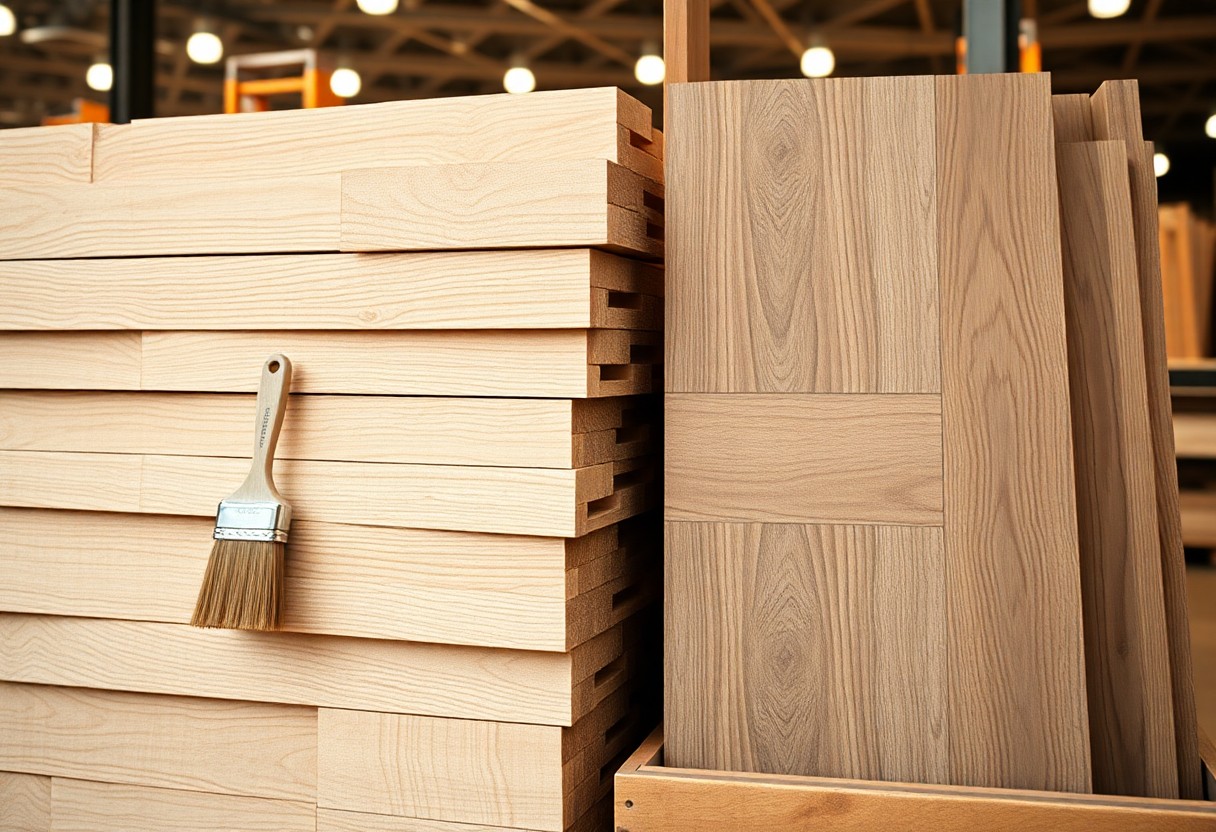
Exploring Laminate Flooring
You’ll find laminate flooring in thicknesses from 6mm to 12mm, commonly rated AC3 for domestic and AC4 for light commercial use; typical lifespans run from 10 to 25 years with moderate care. You can fit most boards over existing subfloors and benefit from DIY-friendly click‑lock systems, but be aware that prolonged moisture exposure will warp standard cores and void many warranties.
Types of Laminate Flooring
Many variants exist: standard HDF core panels, water‑resistant or waterproof cores (WPC/SPC), textured surface finishes, and high‑density options for commercial use; thickness, wear layer and AC rating determine suitability for your room. Perceiving how an SPC core behaves in kitchens vs a softer HDF in bedrooms helps you match performance to use.
- HDF – traditional core, good for dry rooms
- SPC – stone polymer core, highly water‑resistant
- WPC – wood polymer core, more comfortable underfoot
- AC3/AC4 – wear ratings indicating domestic or commercial suitability
- Click‑lock – common installation system for DIY fitting
| Type | Key Characteristics |
|---|---|
| Standard HDF | Cost‑effective, sensitive to moisture, best for living rooms |
| SPC | Rigid, waterproof core, ideal for kitchens and utility areas |
| WPC | Softer, quieter underfoot, better warmth retention |
| High‑density commercial | Thicker wear layer, AC4-AC5 ratings for heavy traffic |
Advantages of Laminate Flooring
You’ll benefit from lower cost than equivalent timber, rapid installation (often under a day for a typical 20m² room), and a wide range of decors that mimic oak or walnut at a fraction of the price; most options tolerate light spills, especially SPC/WPC variants.
Further, laminate offers consistent plank sizing that reduces waste during fitting, routine maintenance requires only sweeping and occasional damp mopping, and many products come with 10-25 year warranties. If you have underfloor heating, choose boards specified for continuous surface temperatures up to about 27°C and ensure the subfloor is flat within manufacturer tolerances to avoid premature wear or locking‑system failure; moisture management and correct acclimatisation are decisive for long‑term performance.
Cost Comparison
Costs at a glance
| Timber | Laminate |
|---|---|
| Material: solid oak £60-£150/m², engineered £35-£80/m² | Material: £8-£30/m² for mainstream ranges |
| Installation: £25-£45/m² for skilled fitting, acclimatisation needed | Installation: £10-£25/m², quicker DIY or trade fit |
| Lifespan: 60-100+ years with sanding/recoat every 7-15 years | Lifespan: 10-25 years, no sanding, full replacement when worn |
| Maintenance: periodic refinishing, can be repaired | Maintenance: wipe-clean, damaged boards need replacement |
| Resale impact: often higher buyer appeal and potential uplift | Resale impact: more neutral; cost-conscious buyers accept it |
Initial Costs
You will pay a markedly higher upfront sum for timber: solid oak £60-£150/m² or engineered £35-£80/m², plus labour typically £25-£45/m². In contrast, laminate materials cost around £8-£30/m² with installation from £10-£25/m². If your budget is tight, laminate lets you cover larger areas quickly, while timber demands a larger initial outlay but fewer early replacements.
Long-term Value
You should weigh longevity and resale: timber often lasts 60-100+ years and can be sanded and refinished, increasing its lifespan and appeal to buyers, whereas laminate typically endures 10-25 years and is replaced rather than restored. If you plan to keep the property long-term, timber usually offers better lasting value.
For clarity, compare lifecycle cost examples: take an oak job at £100/m² plus £30/m² fitting = £130/m² total with an 80-year life → about £1.62/m²/year. A laminate at £20/m² plus £15/m² fitting = £35/m² with a 15-year life → about £2.33/m²/year. That shows timber can be the cheaper option per year despite higher initial spend.
Durability and Maintenance
Timber Flooring Durability
Solid hardwood can last over 100 years in a well-maintained property; you can have it sanded and refinished 5-10 times to remove scratches and stains. Engineered timber generally endures 20-40 years and is sandable 1-3 times depending on veneer thickness (2-6mm). You should keep relative humidity around 40-60% and avoid prolonged moisture, as excess moisture will warp or cup timber, and plan for light sanding or recoating every 10-20 years in busy homes.
Laminate Flooring Durability
Laminate’s lifespan depends on its AC rating: AC3 for standard residential use, AC4 for heavy domestic or light commercial, and AC5 for high-traffic commercial spaces. You will commonly see warranties of 10-25 years, but laminate cannot be sanded, so surface damage is permanent. Opt for SPC or WPC water-resistant cores if spills are likely, because traditional HDF-core laminate can swell when exposed to moisture.
Manufacturers assess AC ratings via standard abrasion tests (EN13329/ISO 10582), so you can compare durability objectively; typical melamine wear layers range from 0.2-0.5mm, with thicker layers offering better wear resistance. You must mop spills promptly and use door mats and felt pads, because standing water can swell the core within hours. For kitchens or hallways, choose laminate with sealed joints and an IP-rated water-resistant core to prolong life and appearance.
Aesthetic Considerations
When you weigh appearance against budget, timber gives you unique grain and evolving patina, often priced between £30-£150 per m², while laminate delivers consistent colour ranges and repeatable patterns from £8-£30 per m². If your priority is heritage character and long-term value you’ll favour timber; if you need uniformity across multiple rooms or a tight budget, laminate achieves convincing visuals with predictable results.
Visual Appeal of Timber
Solid and engineered timber present real wood grain, knots and light-reactive depth-engineered tops are commonly 3-6mm over a 14-20mm board, with solid hardwood lasting up to 100+ years with refinishing while engineered often endures 20-30 years. You should expect natural variation that adds warmth and uniqueness, but also accept that timber shows scratches and dents more readily than synthetic options.
Visual Appeal of Laminate
Laminate achieves convincing wood looks via high-resolution photographic layers and embossed textures; typical boards measure 6-12mm and carry wear ratings like AC3 (heavy domestic) or AC4 (commercial/general). You’ll benefit from consistent colour and pattern repeatability, plus an affordable path to herringbone, grey oak or reclaimed looks, though standard laminate can swell if exposed to standing water.
For greater realism you should choose laminate with embossed-in-register surfaces and 10-12mm thickness for better depth and stability; select AC4 for busy households with pets or children and pair with a quality underlay to reduce hollow sounds. If moisture is a concern, consider waterproof alternatives such as SPC cores or branded waterproof laminate ranges to protect your investment.
Environmental Impact
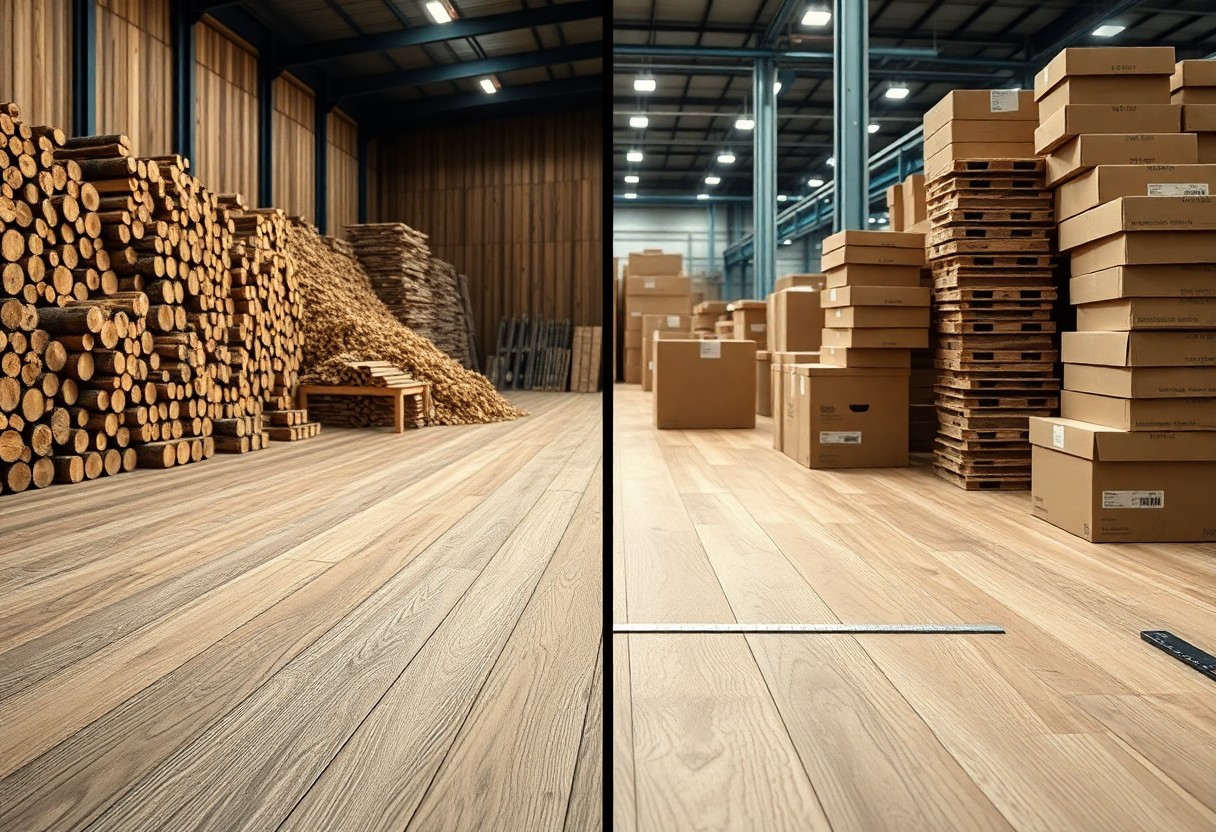
You should weigh timber’s role as a long-term carbon store against laminate’s lower reliance on slow-growing hardwoods; timber from FSC or PEFC forests secures regeneration and biodiversity, while laminate’s HDF core and melamine wear layer often involve adhesives and resins that can emit VOCs and formaldehyde. In the UK, with only about 13% forest cover, choosing certified or reclaimed timber cuts embodied emissions, whereas selecting low‑VOC, high‑recycled‑content laminates and manufacturer take‑back schemes reduces waste.
Sustainability of Timber
If you opt for timber, look for FSC or PEFC certification to ensure harvesting maintains forest health and local communities; sustainably sourced wood locks up carbon for the life of your floor and beyond, and reclaimed timber avoids fresh harvesting altogether. You’ll also find engineered timber uses less solid hardwood per plank, boosting yield and lowering emissions compared with some solid boards, though illegal logging remains a significant environmental risk where certification is absent.
Eco-friendliness of Laminate
You’ll see laminate marketed as a resource‑efficient choice because the HDF core uses wood fibre and often less virgin hardwood, and many modern products meet low‑emission standards (E1/E0) for indoor air quality; however, the combination of resins and wear layers means end‑of‑life recycling is limited and improper disposal can release contaminants. Choosing laminates with documented recycled content and low‑VOC labels reduces environmental harm.
More specifically, laminate flooring is manufactured from a compressed HDF/fibreboard core bonded with thermosetting resins and a decorative melamine layer, so you should check product declarations: some brands now incorporate recycled HDF or bio‑based resins and offer take‑back schemes. Warranties typically run 20-30 years, which lowers lifecycle impact by reducing replacements, yet the predominant challenge remains separation of layers at disposal, making industrial recycling uncommon in many regions.
To wrap up
From above, you should weigh timber’s long-term value, natural warmth and refinishing ability against laminate’s cost-effectiveness, scratch resistance and moisture tolerance; choose timber if you prioritise authenticity and longevity, or laminate if you need a durable, budget-friendly option for high-traffic or moisture-prone areas, while factoring maintenance and resale impact.
FAQ
Q: Which is more durable for high-traffic areas – timber or laminate?
A: Laminate with a high abrasion class (AC3-AC5) typically offers superior scratch and dent resistance for heavy footfall because of its wear layer and synthetic surface. Solid and engineered timber can dent and scratch more easily but can be sanded and refinished multiple times to restore appearance, extending useful life. In very busy spaces laminate may outlast the finish of timber, but timber can be rejuvenated, making long-term durability dependent on maintenance and the possibility of refinishing.
Q: Which option is more cost-effective upfront and over the long term?
A: Upfront, laminate is generally cheaper to buy and install. Timber-especially solid hardwood-commands a higher purchase price and installation cost. Over the long term, timber can represent better value if it is refinished rather than replaced, because sanding and re-coating extends its lifespan; however, those refinishing costs should be factored in. Laminate may need full replacement once worn through its decorative layer, so lifecycle cost depends on expected wear, willingness to refinish timber, and replacement frequency.
Q: How do timber and laminate compare for installation and DIY suitability?
A: Laminate is designed for simple installation: tongue-and-groove or click systems float over an underlay and are well suited to DIYers. Engineered timber also offers floating or glued options and can be DIY-friendly if you have experience, while solid timber usually requires nailing to battens or professional installation. Subfloor preparation, moisture barriers and correct expansion gaps are important for both; improper installation risks buckling or gaps, so less experienced installers should consider professional fitting for timber.
Q: Which performs better around moisture-prone areas such as kitchens and bathrooms?
A: Neither product is ideal for constantly wet environments. Standard laminate is vulnerable to swelling and delamination if exposed to standing water, although water-resistant and waterproof laminates are available that tolerate spills better. Solid timber reacts to humidity and can warp or cup; engineered timber is more dimensionally stable and handles moisture fluctuations better than solid wood. For true wet areas, consider specialised waterproof flooring like vinyl or tile, or choose products specifically rated for water exposure and ensure good sealing and installation.
Q: Which choice adds more resale value and which is more environmentally friendly?
A: Timber flooring-particularly high-quality solid or engineered hardwood-tends to add greater perceived value to a property because of its natural appearance and longevity, and buyers often prefer genuine wood. Sustainability depends on sourcing: certified timber (FSC or PEFC) and responsibly managed forests make wood a renewable option, while engineered timber uses less solid wood per square metre. Laminate uses HDF and synthetic resins; some manufacturers use recycled content and low-VOC adhesives, but recyclability is typically more limited. If environmental impact is a priority, seek certified timber or reputable laminate brands with transparent material and emissions data.