
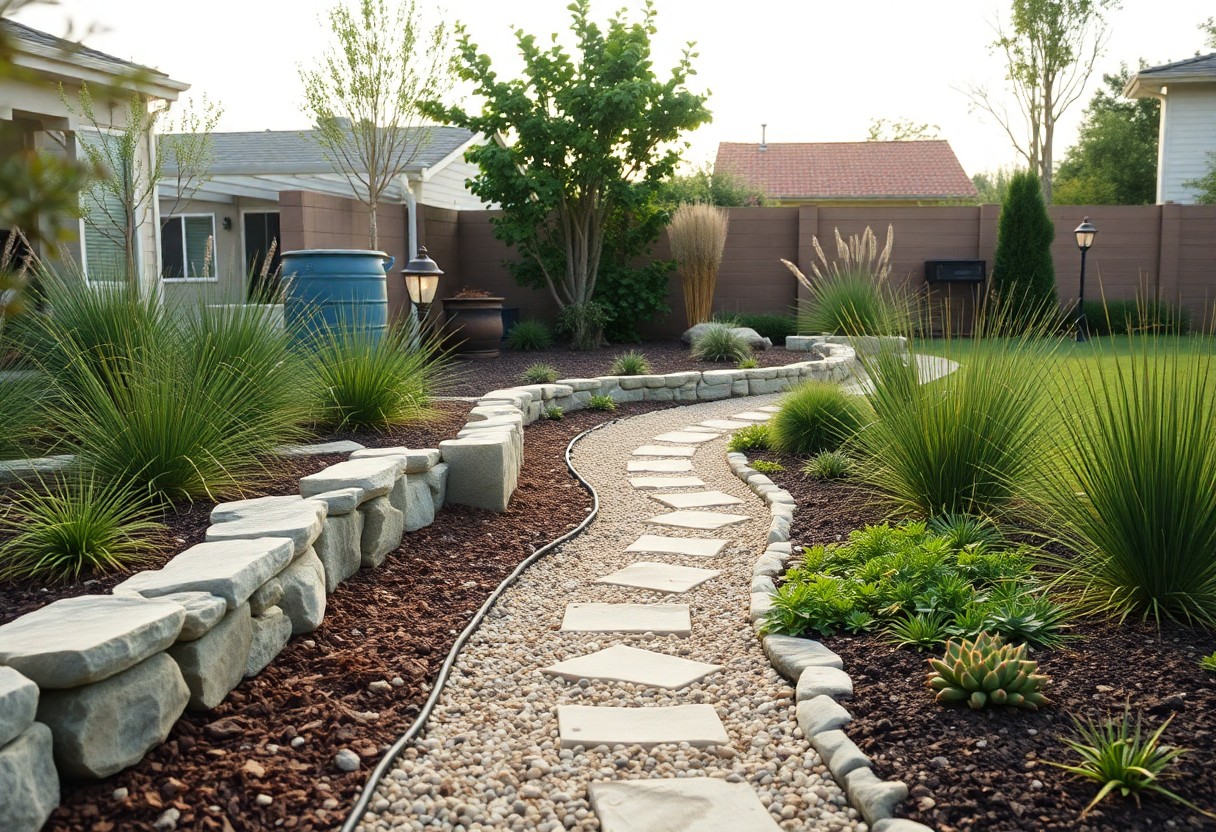
Many gardeners aim to create a low-maintenance outdoor space that still looks elegant. You should choose hardy, native and drought-tolerant plants, group them by watering need, and fit efficient drip irrigation and good drainage to reduce chores. Use quality mulch to suppress weeds and conserve moisture, opt for durable hardscaping, and be mindful to avoid poisonous species and tripping hazards when planning paths and edges to keep the garden safe and easy to manage.
You can reduce time and expense by planning simple beds, improving soil once and selecting native, drought-tolerant plants that suit your aspect; use mulch and drip irrigation and durable hardscaping to cut maintenance, and avoid invasive or toxic species while providing non-slip, level paths and secure edging to prevent hazards.
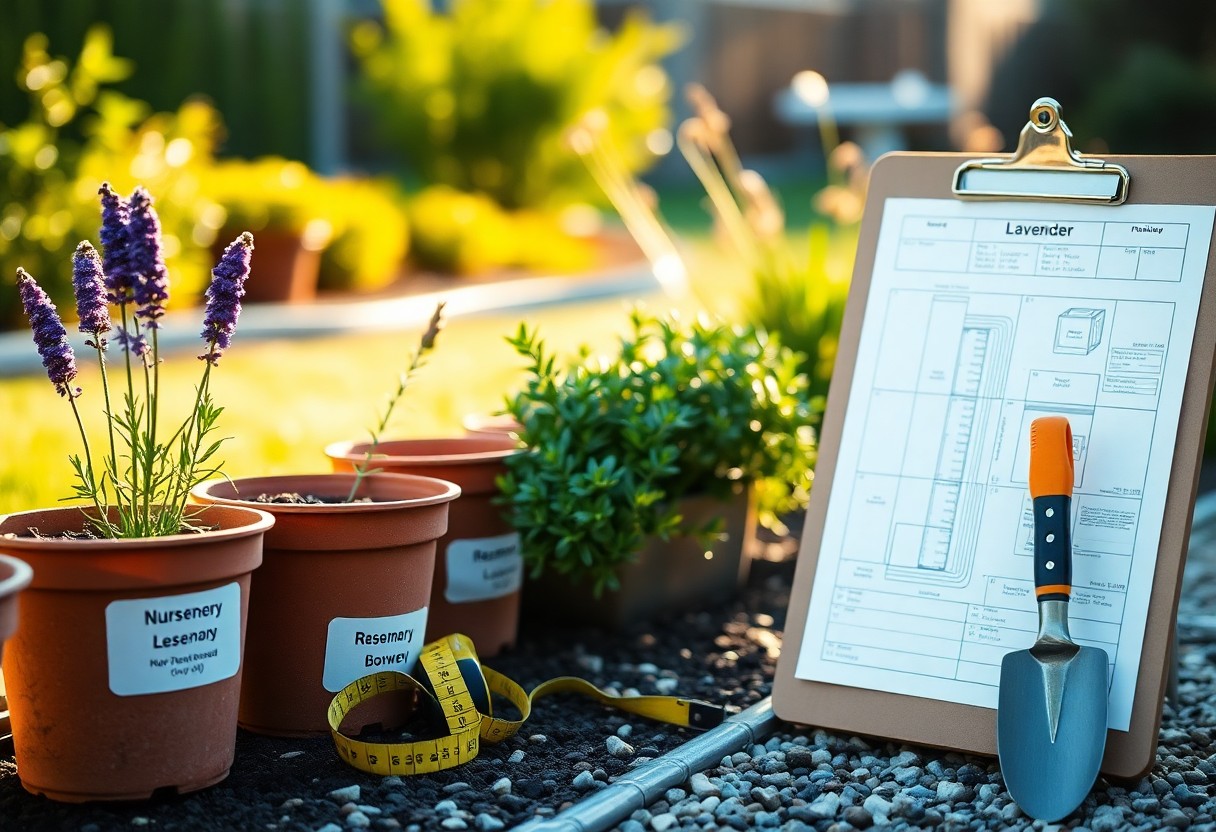
Selecting the Right Plants
Match species to your soil, aspect and maintenance plan: favour perennials, evergreen shrubs and groundcovers that outlast annuals and shade out weeds. Space plants appropriately-about 30-60 cm for groundcovers and 60-120 cm for shrubs-to cut weeding and pruning. Use mulch to reduce watering by up to half and choose cultivars with proven disease resistance; avoid species known to naturalise aggressively to limit future work and ecological harm.
Native Species
Plant British natives such as Primula vulgaris, Digitalis purpurea, Calluna vulgaris and Rosa canina to support pollinators and wildlife while lowering inputs-they typically need less feed and water than exotic specimens. You’ll also prevent extra maintenance by steering clear of dangerous invasive plants like Japanese knotweed and Himalayan balsam, which demand costly control once established.
Drought-Resistant Varieties
Opt for drought-tolerant choices-Lavandula angustifolia, Salvia rosmarinus, Sedum spp. and Achillea-that thrive in free-draining soils and can halve summer irrigation once established. Group these in sunny, well-drained beds, avoid heavy clay unless you improve drainage, and select hardy cultivars to withstand UK winters on exposed sites.
Establish drought-tolerant plants in autumn or early spring so roots develop before hot weather; water deeply but infrequently during the first growing season-about two to three thorough soakings per month on very dry sites-then reduce to occasional top-ups. Use drip irrigation or soaker hoses for efficiency, apply a 5-7 cm mulch layer to conserve moisture, and prune only as needed to maintain air flow and reduce fungal risk.
Choosing the Right Plants
Native Plants
You should favour local species like hawthorn (Crataegus monogyna), blackthorn (Prunus spinosa) and common knapweed (Centaurea nigra) because they need less feeding and watering once established. They support local wildlife-hawthorn alone supports dozens of moth caterpillar species-so your garden becomes more self-regulating. In many cases, native planting can reduce maintenance inputs by around 30-60% compared with imported ornamentals.
Drought-Resistant Species
For dry, sunny beds choose species such as Sedum, Lavandula angustifolia, rosemary and Echinacea, which establish quickly and can cut summer watering by 50-70%. You’ll also reduce pruning and feeding, freeing time and budget. However, check that exotics you plant won’t spread aggressively in your area-avoiding invasive strains keeps maintenance low and habitats safe.
You should plant drought-tolerant specimens in free-draining soil amended with grit or compost and space them 30-60cm apart so airflow reduces disease. Mulch with 5-7cm of bark to cut surface evaporation and irrigate newly planted stock deeply but infrequently-about once a week in hot spells for the first year-then only during prolonged droughts. Good drainage and deep, occasional watering are the single best ways to keep these plants both healthy and low-maintenance.
Soil Preparation and Maintenance
You should start by testing soil pH and texture; most ornamentals thrive at pH 6.0-7.0. Where soil is compacted, break up the top 10-30 cm with a fork or aerator rather than deep digging every season, which disturbs soil life. Improve drainage in heavy clay with gypsum or by creating raised beds 20-30 cm high, and limit cultivation to avoid erosion; consistent small improvements over 2-3 years are more effective than a single major overhaul.
Organic Matter Addition
Apply well-rotted compost or leaf mould as a top dressing of about 2-5 cm (20-50 mm) annually and lightly fork into the top 10 cm to raise organic content toward 5-10% by volume over several seasons. Use farmyard manure sparingly and avoid fresh wood chips on bed surfaces because they can tie up nitrogen and slow plant growth; instead, reserve raw wood chip for paths or as a basal layer under compost.
Mulching Techniques
Choose mulch depth and material for the plants: 5-7 cm of bark for perennials, 7-10 cm straw for vegetable plots, and 25-50 mm gravel for Mediterranean borders. Lay a weed-suppressing layer such as cardboard beneath organic mulches, refresh annually, and always keep mulch 2-5 cm clear of stems and trunks to avoid rot and pest harbourage; effective mulch can cut watering needs by roughly 25-50% depending on climate.
When dicking out material, note that organic mulches gradually feed soil life and improve structure, while inorganic options like slate or gravel reduce evaporation but do not add nutrients. Cardboard or newspaper under mulch accelerates weed suppression without chemicals, and coarse wood chip is excellent for paths and shrub beds where slow decomposition is acceptable. In exposed sites use heavier mulch to resist wind loss, and top up thinner layers after winter to maintain performance.
Efficient Garden Layout
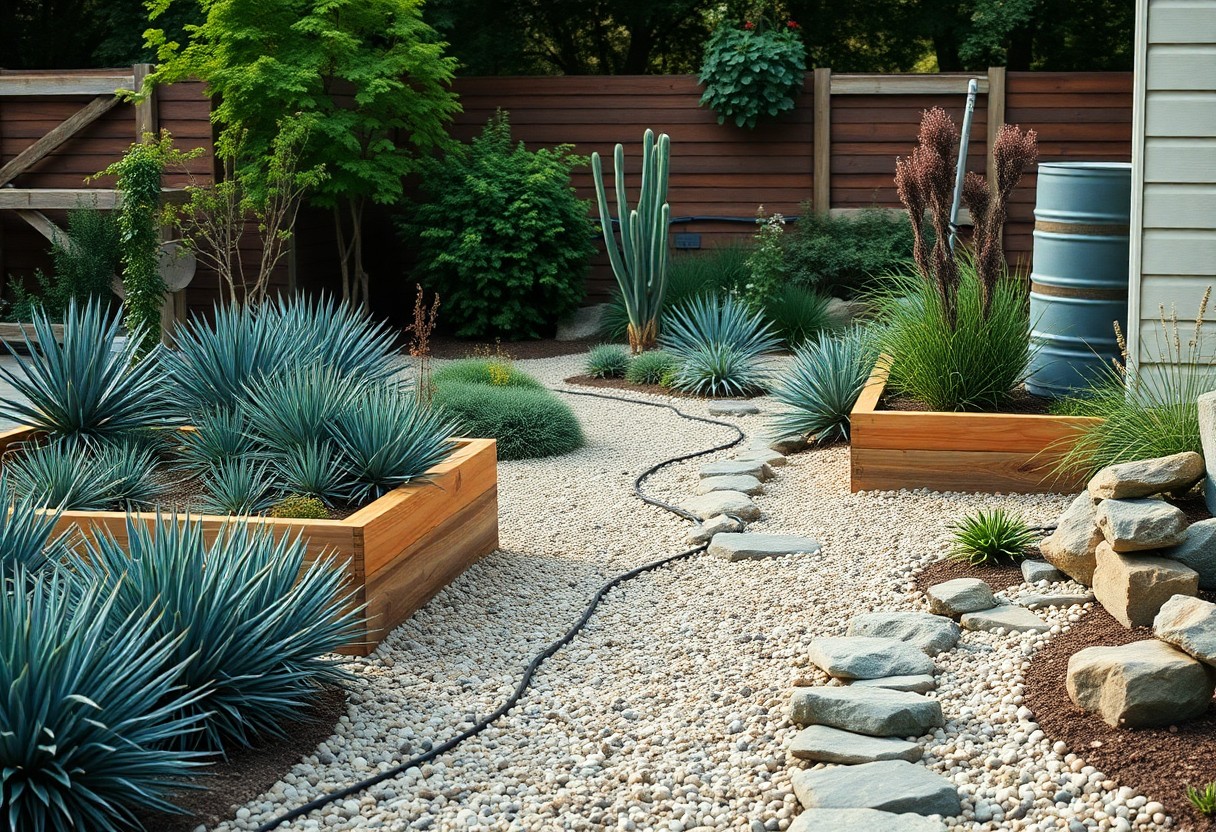
Place heavy-use areas such as patios, compost and tool storage close to the house to cut hauling time and maintenance, and arrange beds in 3-4 functional zones (entertaining, edibles, ornamentals, utility). Aim for paths 90-120 cm wide for wheelbarrow and mobility access, position irrigation and water butts centrally, and use raised beds to reduce weeding. Mulch can cut watering needs by up to 50%. For practical diagrams and step-by-step plans see How to Create a Low-Maintenance Garden.
Designing for Accessibility
Arrange beds and paths so you can reach at least 90% of planting from a path; set main routes at 90-120 cm for wheelchair and wheelbarrow access, and place raised beds at 60-75 cm high to reduce bending. Use firm, level, non-slip surfaces like compacted gravel or permeable paving and keep gate thresholds low. Position water taps within 10-15 m of beds to avoid long hose runs and make regular tasks faster and safer for you.
Grouping Plants by Water Needs
Divide the garden into hydrozones: high (vegetable beds, lawns), medium (perennials), and low (Mediterranean shrubs, succulents). Water each zone independently with timers or a drip system; drip irrigation can reduce water use by up to 50% compared with overhead sprinklers. Grouping this way prevents overwatering drought-tolerant species and concentrates maintenance where it matters most.
Begin by mapping soil type and sun exposure across your plot, then assign plant groups accordingly: put lavender and rosemary in full sun, well-drained soil; place hosta and astilbe in shaded, moist pockets; reserve tomatoes and lettuces for the highest-water zone. Space plants to mature sizes (e.g. 30-60 cm for many perennials) to reduce future thinning, and use a 5-8 cm layer of organic mulch to stabilise moisture and suppress weeds for you.
Efficient Watering Systems
Combine drip systems, timers and soil moisture sensors to cut water use dramatically; drip irrigation alone can reduce consumption by 30-70%, while smart controllers often save an extra 20-30% by skipping wet days. You should zone plants by water need, set morning schedules of 5-20 minutes depending on emitter flow and soil type, and match emitter outputs to plant size to keep maintenance low and watering efficient.
Drip Irrigation
Choose emitters rated at 2-8 litres/hour and fit a sediment filter (around 120 μm) to prevent clogging; pressure-compensating drippers maintain even flow on slopes, and burying lines 5-10 cm reduces UV damage. You should pair the system with a timer or moisture sensor, stagger run times for different zones, and use short morning cycles to encourage deep roots while cutting evaporation and routine attention.
Rainwater Harvesting
Install a 200-300 litre water butt for a small plot or a 1,000-2,500 litre tank for larger plots; fit a first-flush diverter, leaf mesh and an overflow to keep water clean and routed safely. You can run drip lines directly from a gravity header or add a pump; harvested rain often reduces mains water use but is not potable, so restrict it to irrigation and outdoor tasks.
For example, 1 mm of rain equals 1 litre per m², so a 1,000-litre tank supplies ten millimetres of irrigation to a 100 m² garden-useful during short dry spells. You should clean gutters twice yearly, empty the first-flush unit each season, winter-proof pumps and inspect outlets annually. Be vigilant because stagnant water breeds mosquitoes and blocked overflows can cause flooding, so fit screened vents and an accessible overflow route.
Soil Health and Preparation
Test your soil with a simple kit and work amendments into the top 20-25 cm; adding 25-50 mm of well-rotted compost improves structure and fertility. Avoid digging when wet to prevent compacted soil, and on heavy clay consider creating raised beds or adding coarse grit to improve aeration. If pH adjustment is needed, apply garden lime to raise pH or elemental sulphur to lower it, following product instructions to avoid over-application and to secure improved yields.
Amending Soil for Better Drainage
For heavy soils integrate coarse grit or horticultural sand at about 20-30% by volume to break up clay; blend in 50 mm of compost to retain nutrients. On sites prone to standing water, build beds 15-30 cm high or install a gravel-filled trench (French drain) to channel excess water. In containers use a mix of two parts loam, one part compost and one part grit to ensure rapid runoff and avoid waterlogging that causes root rot.
Implementing Mulching Techniques
Apply mulch in a 50-75 mm layer to reduce weeds and moisture loss, choosing bark chips for borders, straw for veg and gravel for Mediterranean plants. Keep mulch trimmed back 50 mm from stems and trunks to prevent fungal rot and pests, and renew organic mulches annually in spring or autumn to maintain effectiveness.
Use compost as a 25 mm top dressing for vegetable beds to feed crops while bark or woodchip provide long-lasting weed suppression in perennial borders. Mulch can cut your watering needs by roughly 30-60% depending on material; avoid fine mulches that compact and harbour slugs-opt for coarse bark or leaf mould and lay a permeable membrane beneath decorative aggregates to prevent mixing with soil.
Garden Design Principles
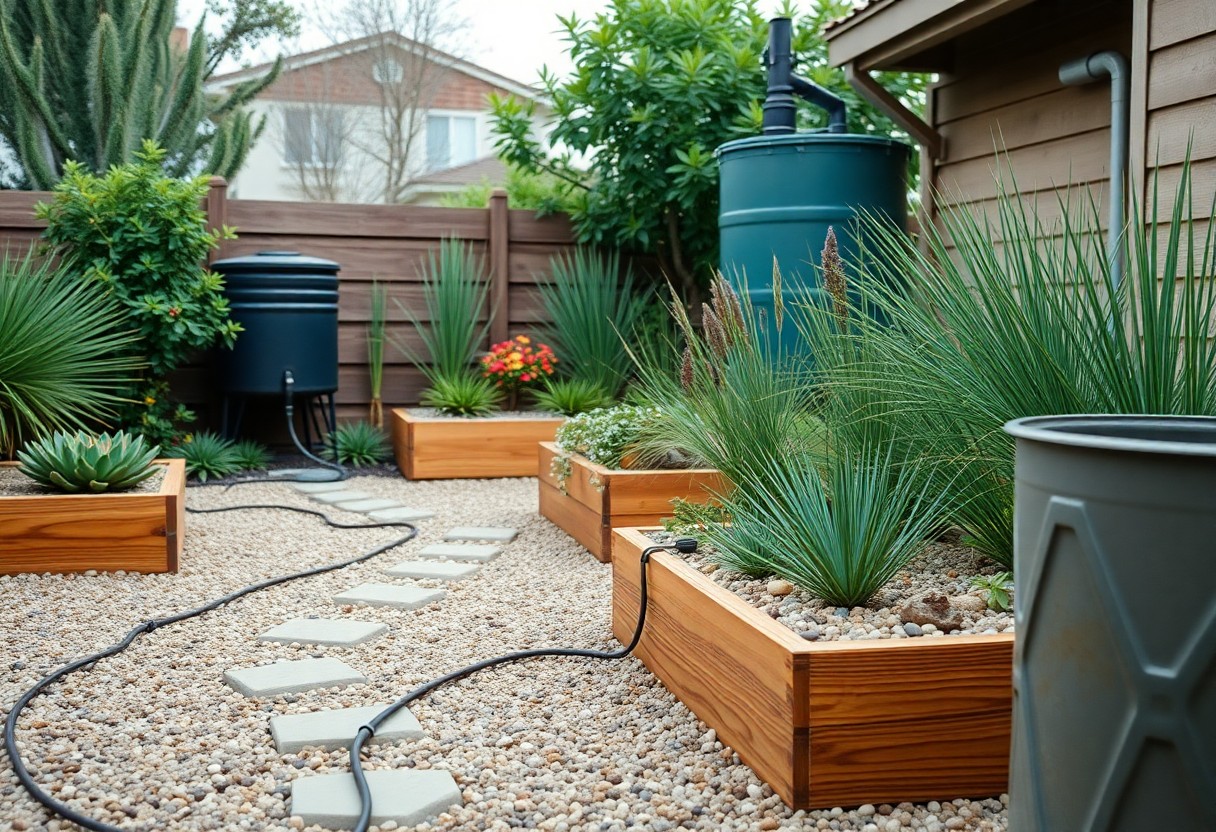
You should zone your space so tasks are concentrated: place a vegetable plot and compost within 10 m of the house for quick daily visits, assign 40-60% of the area to low-maintenance planting and hardscape, and use contours to direct runoff with a gentle 1:20 grade. Mulch 5 cm of organic material to suppress weeds and reduce watering, and avoid planting invasive species such as Japanese knotweed, which can be dangerous to structures and costly to remove.
Layout for Accessibility
Arrange paths at a minimum of 1.2 m width for wheelchair access and easy wheelbarrow use, keep gradients shallow (aim for 1:12 for short ramps), and provide step-free entrances and consolidated surfacing like resin-bound or compacted 6-10 mm gravel to reduce slips. Position raised beds at 60-90 cm height with a reach of about 60 cm to save bending; place seating or tool storage every 10 m so you can rest and avoid long carrying distances.
Plant Grouping for Efficiency
Group plants by water, light and soil needs so you can irrigate and feed by zone: put drought-tolerant Mediterranean species (lavender, rosemary, sedum) together and shade-loving perennials (astilbe, ferns) in another bed. Space perennials roughly 30-45 cm apart and small shrubs 1-1.5 m apart to allow self-mulching and reduce weeding; connect each group to a dedicated drip line or soaker hose with a timer to cut maintenance time and water use.
For greater efficiency, layer plant heights-groundcovers under perennials and low shrubs above roots-to suppress weeds naturally and create microclimates; for example, a 20 m² sunny bed planted with thyme and sedum as groundcover, rosemary as mid-layer and a single light-trained olive can lower irrigation needs and halve weeding time while improving soil structure over two seasons.
Irrigation Solutions
Combine low-volume systems with automation to cut labour and water use; drip irrigation can reduce consumption by 50-70% compared with overhead sprinklers, while smart controllers often cut waste by a further 20-50%. You should prioritise zoning so beds, containers and lawns run independently, and fit a rain sensor or weather-based controller to prevent needless cycles. Be aware that overwatering leads to root rot and fungal issues, so use timers and moisture feedback to keep applications precise.
Drip Irrigation Systems
Fit pressure-compensating emitters (typically 2-4 litres per hour) spaced 30-60 cm apart for shrubs and 10-30 cm for vegetables, with operating pressure around 0.7-2 bar (10-30 psi). You must install a good filter and a flush valve to avoid clogging; many failures come from silty water. Use braided or soaker tubing for informal beds, and map lines so you can isolate zones for winterisation or seasonal adjustments.
Smart Watering Practices
Water in the early morning to reduce evaporation-dawn irrigation can save roughly 30% of applied water versus midday. Use soil moisture sensors or weather-smart controllers that adjust schedules after rain or temperature swings, and programme zones by plant type so you avoid blanket run times. You should also audit run durations monthly to tune for growth stages and seasonal needs.
For finer tuning, set sensors to delay irrigation until the top 5-10 cm of soil is dry and tailor run times by soil: sandy soils need shorter, more frequent doses, clay soils benefit from longer, less frequent soaking. As an example, a 2-litre-per-hour emitter running 30 minutes will deliver 1 litre, so plan emitter counts and durations to match root-zone requirements rather than fixed schedules.
Weed and Pest Management
You should prioritise simple, targeted measures: apply mulch to a depth of 5-7.5 cm to suppress most annual weeds, use landscape fabric under paths, and hand-weed weekly or fortnightly before seed set; plant groundcovers like thymus or sedum to outcompete weeds; install drip irrigation to reduce foliar disease; and avoid broad-spectrum insecticides that harm pollinators and beneficials-spot-treat with insecticidal soap or neem oil only when infestations exceed visible thresholds.
Preventative Strategies
You can cut maintenance by choosing resistant cultivars and correct spacing-generally leave 30-60 cm between shrubs to improve airflow-and by rotating container crops annually; lay weed suppressant where planting density is low, topdress beds with 5 cm compost each spring, and prune to remove diseased wood promptly; regular tool hygiene and removing spent foliage in autumn reduce overwintering pests and fungal inoculum, saving you time in the long term.
Natural Pest Control
You should encourage predators and parasitoids: install flowering strips of alyssum, coriander and umbels to attract hoverflies and lacewings, put up bird boxes and a shallow water source, and avoid insecticides during bloom; ladybirds can consume up to 5,000 aphids in their lifetime, so habitat that supports them gives ongoing control without chemical inputs.
For more impact, aim to devote at least 10% of your garden area to nectar-rich insectary plants, and place them within 1-2 m of vulnerable crops; provide overwintering sites such as log piles and insect hotels, and use pheromone traps for specific moth pests where appropriate-while staying clear of neonicotinoids and broad-spectrum pyrethroids that can collapse beneficial populations.
Weed Control Strategies
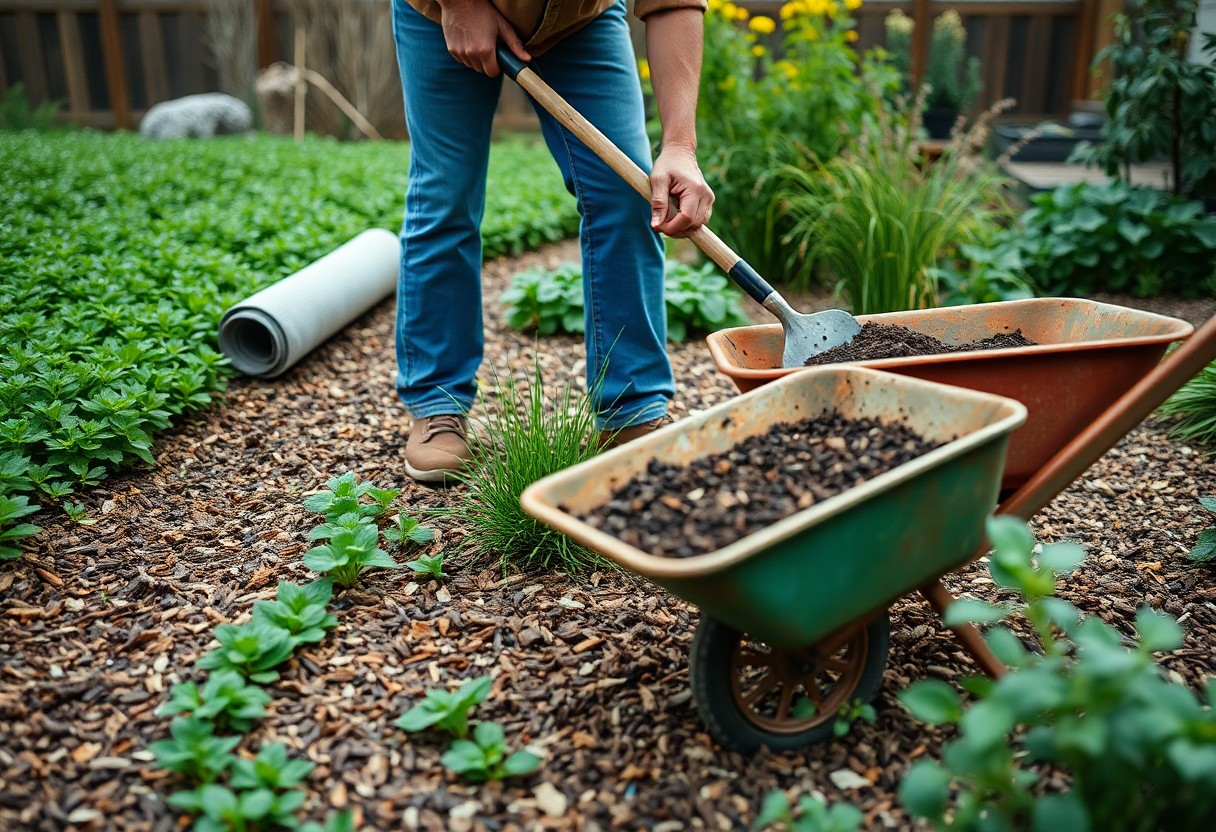
You can combine physical, cultural and targeted chemical methods to keep weeds at bay. Apply a 50 mm mulch layer of bark or well-rotted compost around plants to reduce germination; hand-weed every 2-4 weeks during the growing season to prevent the seed bank building. Use herbicides sparingly and follow label instructions; glyphosate will damage desirable plants if misapplied and should not be sprayed on windy days.
Edging and Barriers
Install a robust edge of steel, stone or recycled plastic set at least 150 mm deep to intercept shallow runners and stop turf encroachment. For aggressive spreaders such as mint or bamboo, fit a vertical root barrier down to 600 mm and cut any rhizomes that breach it. You should keep edging flush with the soil to avoid trapping seed and inspect after heavy rain or freeze-thaw cycles.
Ground Covers
Choose dense, low-growing species to smother weeds: Vinca minor, Ajuga, Thymus praecox, sedum and pachysandra establish quickly. Aim for 70-90% canopy cover in the first season by planting roughly 9-16 plants per m² (spacing 25-33 cm). Mulch new plugs and water for the first 4-6 weeks; once a healthy mat forms you can cut weed emergence by up to 90%.
Prepare beds by removing perennial weeds and firming soil, then plant on a grid for even coverage; thin or divide mats every 3-4 years to maintain vigour. Avoid species that naturalise-Vinca major can spread into borders and nearby habitats-and favour evergreen sedum mixes for gravel areas or thyme between paving where trampling is light, as these need only an annual tidy.
Seasonal Care Tips
You can concentrate on simple tasks to keep a low-maintenance garden: apply mulch 5cm deep in spring and autumn to conserve moisture and suppress weeds, water deeply once a week during hot spells, and cut back herbaceous perennials by 10-15cm in late autumn to tidy beds. Do monthly seasonal care checks and note pests early; practical lists are in the RHS guide 10 ways to have a great-looking, low maintenance garden. Thou should prioritise tasks that save time year-round.
- Mulch 5cm to reduce weeding and watering.
- Watering: deep once weekly in heatwaves, reduce in autumn.
- Inspection: check for slugs and aphids monthly.
- Deadheading: remove spent flowers selectively to extend blooms.
Minimal Pruning
You can keep maintenance low by practising minimal pruning: prune flowering shrubs immediately after bloom, reduce shrub bulk by no more than a third annually, and trim hedges at most twice a year. For perennials, remove dead foliage in late winter and deadhead sparingly to promote a tidy display without encouraging excessive regrowth; selective thinning preserves structure and reduces disease risk.
Seasonal Plant Rotation
You can simplify care with seasonal plant rotation: rotate container plants annually, shift vegetables in beds on a three-year cycle to break pest and disease cycles, and replace high-maintenance annuals with low-care perennials where you want less work. Top up beds with 2-3cm compost after each rotation to restore nutrients.
When planning rotations, map beds and assign groups-Year 1: brassicas (cabbage, kale), Year 2: root crops (carrots, beetroot), Year 3: legumes (peas, beans) which fix nitrogen and replenish soil; this three-year cycle typically reduces pathogens and can cut fertiliser needs by 20-30%. For ornamentals, alternate heavy feeders like dahlias with light feeders such as lavender, and maintain a 5cm mulch layer to protect soil structure between rotations.
Seasonal Maintenance Tips
You can streamline seasonal tasks by focusing on high‑impact actions: cut back perennials after frost, lift bulbs in poorly drained beds, and check irrigation systems before summer. Prioritise drought‑tolerant species and set a simple calendar for weeding and debris removal to keep your low‑maintenance garden functioning efficiently.
- Spring: divide clumps, apply slow‑release fertiliser, inspect for pests.
- Summer: deep soak once per week, deadhead spent blooms, mulch to conserve moisture.
- Autumn: clear fallen leaves from paths, cut back tender perennials, check winter protection.
- Winter: prune deciduous shrubs while dormant, service tools, plan replacements.
Recognizing the value of scheduled seasonal maintenance-including timely pruning and a planned mulch refresh-will cut your annual workload and improve plant resilience.
Minimal Pruning Guidelines
Remove dead wood and crossing branches first, keep shaping to once or twice a year, and avoid heavy shearing that forces vigorous regrowth; you should prune deciduous shrubs in late winter and perform light trims on evergreens after flowering. Use clean, sharp tools and make angled cuts just above healthy buds to reduce infection risk, which helps maintain a low‑maintenance garden with minimal follow‑up.
Timing for Mulch Refresh
Apply a 5cm-7cm layer of organic mulch in spring and again in autumn, topping up bare patches rather than replacing entire beds, and steer clear of piling material against stems to prevent rot; young plantings may need a mid‑season top‑up to support root establishment.
Choose coarse bark for durability (often lasting 18-24 months) and composted mulch when you want faster nutrient release; if you live in a wet area refresh less frequently to avoid fungal issues, whereas in hot, dry summers you may top up once more mid‑season. Avoid mulch volcanoes at trunk bases and aim for seasonal topping rather than full replacement to keep maintenance low.
To wrap up
To wrap up, focus on selecting native, drought-tolerant plants, grouping them by water needs, using quality mulch and well-draining soil, installing efficient irrigation and hard-wearing materials, and designing simple planting schemes that reduce pruning and weeding; these steps help you maintain an attractive, low-maintenance garden with minimal time and effort.
Final Words
Ultimately you should design with simplicity: group plants by water and light needs, choose native or drought‑tolerant species, favour perennial and low‑leaf-drop varieties, minimise lawn area, use mulch and efficient irrigation, and pick durable paving and materials. By planning soil improvement and a clear layout you reduce upkeep and ensure a resilient, attractive garden.
FAQ
Q: How do I choose plants for a low-maintenance garden?
A: Select long-lived, low-water plants such as native species, drought-tolerant perennials and evergreen shrubs; group plants with similar light and moisture needs to reduce extra watering and feeding; favour pest- and disease-resistant varieties and avoid high-maintenance annuals that require frequent replacing.
Q: How should I design the layout to reduce ongoing work?
A: Adopt a simple layout with defined beds and generous hardscape (paths, patios, gravel areas) to cut down planting and mowing; reduce lawn area in favour of planted beds or groundcover; place high-maintenance plants close to the house for easier care and provide clear access for pruning and watering.
Q: Which mulching and groundcover techniques minimise weeding?
A: Apply a 50-75 mm layer of organic mulch to suppress weeds, conserve moisture and improve soil structure; use low-growing, spreading groundcovers or gravel in sunny borders to reduce bare soil; consider a permeable geotextile beneath gravel in high-traffic zones, but avoid impermeable plastics that trap water and harm soil life.
Q: What irrigation methods keep watering low-effort?
A: Fit drip irrigation or soaker hoses with an automatic timer to deliver water directly to roots and cut watering time; capture rainwater in barrels for top-ups and use mulch and drought-tolerant plants to reduce frequency; zone irrigation so plants with similar needs receive the same schedule.
Q: How can I minimise pruning and seasonal maintenance?
A: Choose self-cleaning perennials and compact shrub varieties that need little shaping, and plant slow-growing hedging; adopt a simple seasonal routine (early spring tidy, light summer maintenance, autumn mulch) rather than frequent interventions; leave some seedheads and leaf litter over winter to support wildlife and reduce repetitive clearing.