
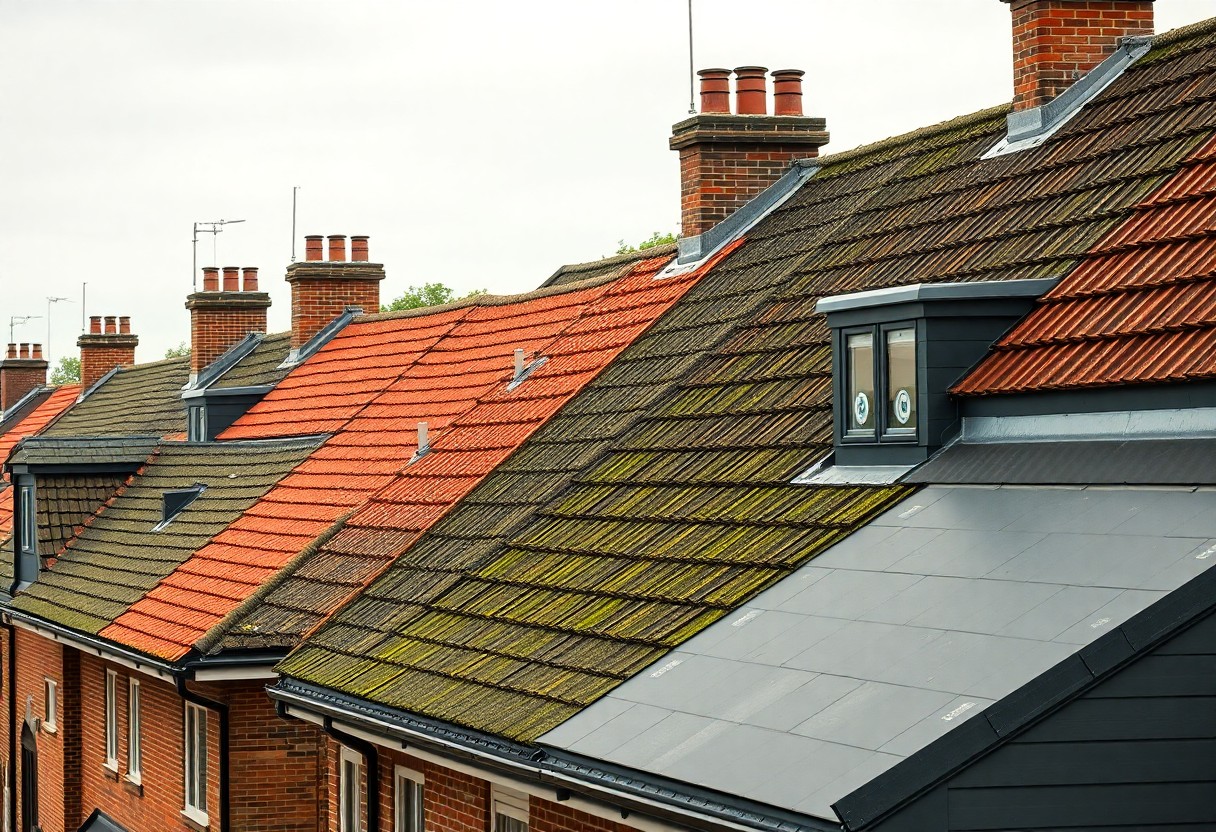
Roofing lifespans in the UK vary by material, so you should expect different replacement windows: roofing felt/single‑ply ~10-40 years, asphalt/tiles ~15-60 years, metal roofs ~40-70 years, and natural slate 75-200 years. You must watch for water ingress and structural decay-the most dangerous signs-and rely on quality installation, local weather considerations and regular maintenance to maximise your roof’s life.
Factors Affecting Roof Lifespan
When assessing your roof you should weigh material quality, installation, maintenance, ventilation and local weather; for example, natural slate often exceeds 100 years, concrete tiles 30-50 years and modern membranes 20-40 years. Faulty flashings or blocked gutters can halve expected life, while proactive inspections and targeted repairs typically add decades. The result is that two nearby roofs can have lifespans that differ dramatically.
- Material (slate, clay, concrete, metal, membranes)
- Installation quality and correct detailing
- Maintenance frequency (inspections, guttering, moss removal)
- Ventilation and roof-space humidity control
- Design factors (pitch, valleys, flashing complexity)
- Location (coastal salt, urban pollution, nearby trees)
Material Quality
High-grade Welsh slate and quality clay tiles commonly deliver 75-150 years and 50-100 years respectively, whereas cheaper concrete tiles and felt systems usually last 20-50 years. You should check manufacturer warranties (some slates offer 30-60 years) and verify batch provenance; specification of premium materials and correct underlays often translates directly into decades of extra service life.
Weather Conditions
Exposure to Atlantic storms, frequent freeze-thaw cycles and coastal salt spray markedly reduces durability: storms such as Eunice (2022) produced gusts over 100 mph that caused large-scale uplift, while high annual rainfall accelerates underlay and joint decay. You must factor local wind, rainfall and salt exposure when estimating your roof’s lifespan.
In exposed locations the microclimate matters: north-facing slopes retain moss and moisture, raising timber rot risk within 5-15 years if unmanaged. You can mitigate salt corrosion by specifying 316 stainless steel fixings and robust lead or synthetic flashings, and scheduled moss clearance plus periodic resealing of vulnerable penetrations often prevents premature failure.
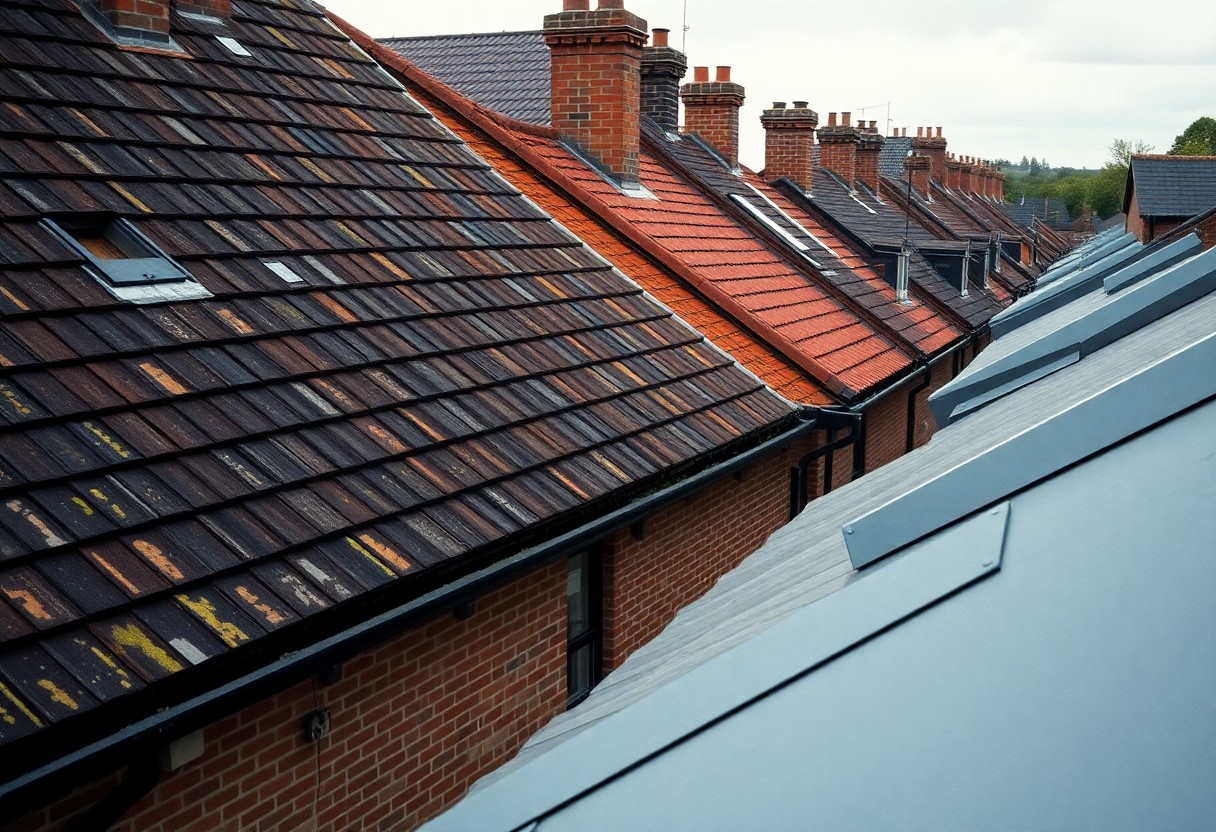
Common Roofing Materials and Their Lifespans
Different materials deliver very different service lives and maintenance needs; for instance, cost-effective options often last 15-30 years, while premium materials can exceed a century. You should weigh initial cost, weight, and local exposure-urban pollution or coastal salt will shorten lifespan. Practical examples: an average asphalt install lasts 15-25 years in the UK, whereas quality natural slate can surpass 100 years if expertly fixed and maintained.
Asphalt Shingles
Standard asphalt (three-tab) typically endures about 15-25 years, while architectural or laminated variants can reach 25-40 years; you’ll see the shorter lives on south-facing roofs in high UV areas. Installation matters: poor ventilation or underlay failure cuts life by years. If you’re replacing, choose high-grade granule coatings and a certified installer to protect against wind uplift and premature granule loss.
Slate Roofing
Natural slate commonly lasts 75-200+ years depending on source-Welsh slate often exceeds a century-so you may never need a full replacement in your lifetime. You’ll still require periodic fixing of slipped or broken slates and attention to flashings, especially around chimneys and valleys, to avoid leaks.
For additional detail, slate’s longevity owes much to density and bedding plane; thinner, cleft slates can be lighter but more fragile, whereas thicker quarry slates resist frost. You should employ an experienced slater because incorrect nail type or fixing pattern causes failures; typical refurbishment involves replacing flashings, lead work and selectively swapping slates rather than full reroofs.
Metal Roofing
Metal roofs vary: galvanised steel usually lasts 20-40 years, aluminium 30-50 years, zinc 40-70 years and copper often exceeds 70-100 years. You’ll benefit from lightweight panels and strong wind resistance, but coastal locations demand higher-spec coatings or stainless alloys to prevent accelerated corrosion.
In practice, gauge and coating determine performance: thicker steel (0.5-0.7 mm) with a polyester or plastisol finish outperforms thinner profiled sheets. You should consider standing-seam systems for longevity and ensure flashings, breather membranes and clip fixings are specified for thermal movement-poor detail work is the most common cause of early failure.
Signs Your Roof Needs Replacement
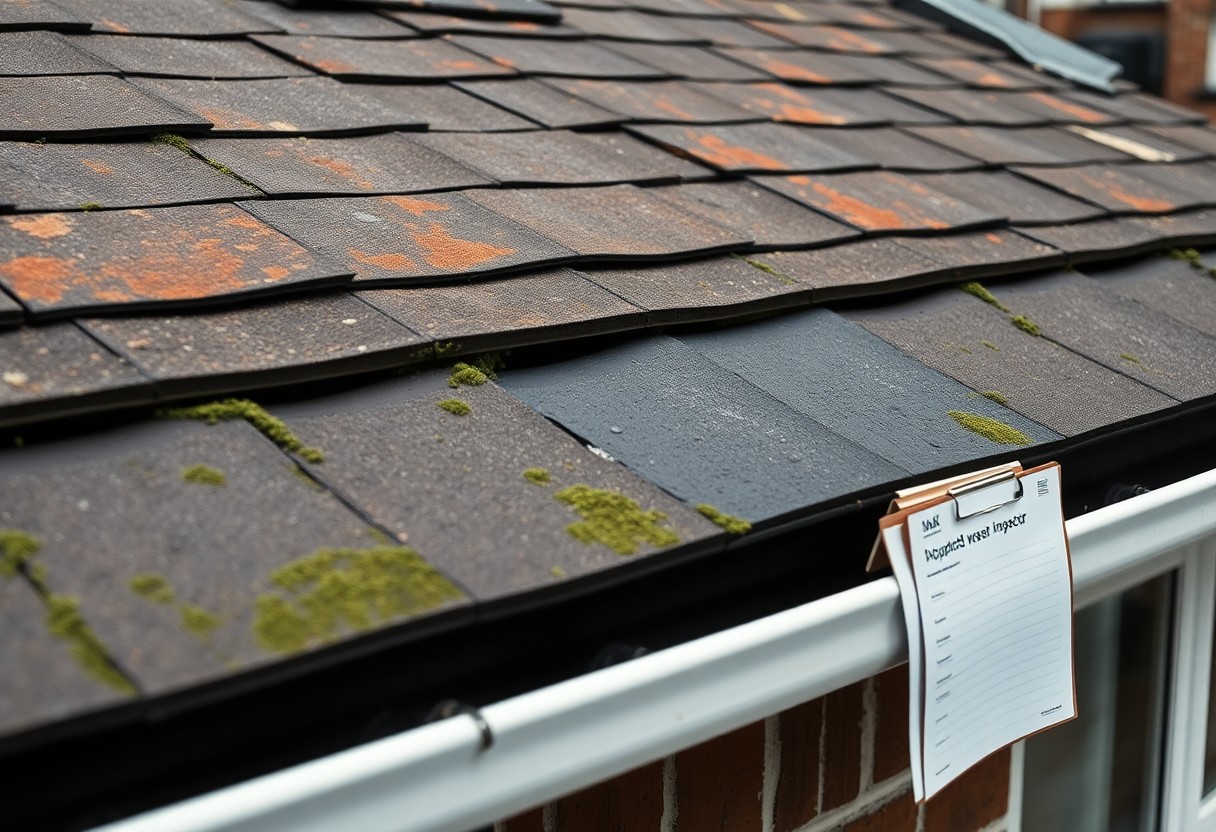
When you spot repeated leaks, widespread moss, or visible sagging, those signs often point to replacement rather than repair. If repairs exceed about 40-50% of a new-roof estimate or you see loft water stains after storms, act promptly. You should treat long-term damp or structural sagging as a top danger because they can lead to rot and plaster collapse if left untreated.
Visible Damage
You should look for missing slates, cracked tiles, split or loose flashing, and lifted ridge tiles; if roughly 5-10% of the covering is damaged, replacement is often sensible. Moss and lichen that blanket large areas retain moisture and accelerate freeze-thaw breakdown, while failed flashing around chimneys commonly causes persistent leaks. Photograph defects and note dates to help contractors or insurers assess severity.
Age of the Roof
You need to weigh your roof’s age against typical lifespans: natural slate often lasts 100-150 years, clay tiles 60-100, concrete tiles 30-50, metal roofs 40-70, and flat membranes 15-30; roof underlays usually give up after about 20-25 years. When a roof approaches these ranges, the risk of failure rises even if damage isn’t yet obvious.
For example, a concrete-tiled roof fitted in the early 1990s is likely nearing end-of-life and may increasingly leak or show sagging; if your roof is over 20-25 years old and you face recurring repairs, scheduling replacement can avoid emergency costs. Check whether warranties have expired – many run for around 25 years – and inspect the underlay, since its condition often dictates the roof’s remaining serviceable life.
Maintenance Tips to Extend Roof Lifespan
Carry out simple tasks to add years to your roof: clear gutters twice a year, replace cracked tiles promptly and treat moss early to avoid rot; professional inspections every 2-3 years spot hidden issues such as degraded flashings or worn underfelt. Small, regular interventions often prevent expensive replacements within a 10-20 year window. Assume that proactive upkeep can extend a typical roof lifespan by 25-40%.
- roof lifespan
- UK roofing
- roof maintenance
- roofing lifespans
Regular Inspections
Inspect your roof at least twice annually-spring and autumn-and after storms; check for loose or missing tiles, sagging gutters and fingernail-sized holes that signal water ingress. Use binoculars from the ground or examine the loft for damp staining; if you spot torn underfelt, dislodged flashings or moss mats over valleys, arrange a professional assessment within days, since unchecked leaks can rot joists and shorten your roof’s serviceable life within 2-3 years.
Cleaning and Repairs
Keep gutters clear and remove built-up organic matter-moss and lichen-annually, since blocked drains accelerate timber decay; replace slipped tiles within days to prevent leaks and repoint ridge mortar every 20-30 years. Avoid high-pressure washing on clay or concrete tiles, as it can fracture the surface and reduce life expectancy.
Chemical moss treatments work best applied in dry conditions during spring or autumn; always follow manufacturer guidance and protect nearby plants and watercourses. For valley and flashing repairs use corrosion-resistant materials and insist on a written guarantee and public liability insurance from tradespeople-poor repairs are a common cause of premature failure in UK roofing.
Comparing UK Roofing Regulations
Regulation summary
| Regulation | Impact on your roof |
|---|---|
| Part L (Conservation of fuel and power) | Sets minimum thermal performance for new and refurbished roofs; you may need additional insulation or upgraded details to meet energy-efficiency standards. |
| Part C (Resistance to moisture) | Requires adequate weatherproofing, underlays and ventilation to prevent condensation and rot, affecting membrane and ventilation choices. |
| Part B (Fire safety) | Limits use of combustible materials and mandates fire barriers in roof voids; certain projects will require fire-rated products. |
| Local planning & listed status | Can restrict materials and appearance; if your property is listed you often need specific consent and to use traditional materials like slate or clay. |
Building Codes
When you reroof or alter insulation you typically need Building Regulations approval; work that changes structure, thermal performance or drainage must meet Parts L, C and sometimes B. For example, upgrading loft insulation to comply with Part L or replacing roof trusses triggers Building Control checks and a completion certificate, which you should keep as evidence of compliance.
Insurance Considerations
Insurers often ask for the roof age, material and maintenance records; roofs over 20-30 years can attract higher premiums or exclusions, and failing to declare recent works can void cover. You should notify your insurer before major works and retain receipts and guarantees.
More detail: you’ll strengthen claims by keeping photos, invoices, Building Control completion certificates and any manufacturer or contractor guarantees (many offer 10-25 year insurance-backed warranties). In storm damage cases insurers commonly expect you to have performed routine checks-if you can show regular inspections and swift repairs, your claim is far more likely to succeed.
Professional Roofing Services
Inspections, emergency repairs, full re-roofs and maintenance are standard services; you should book an annual check and a professional survey every 3-5 years. Contractors will offer gutter replacement, moss removal, new underlay and insulation upgrades, often backed by manufacturers’ guarantees of 20-40 years. Pay attention to safety: loose slates and falling debris present a significant danger during work, so confirm the contractor provides scaffolding and safe access before any job starts.
Choosing a Contractor
When hiring you must verify membership of recognised bodies such as the NFRC or TrustMark, ask for recent local references and insist on a written quote detailing materials and timescale. Check the contractor holds public liability insurance of at least £5 million and view completed roofs in person to confirm quality; small savings are not worth poor workmanship on a high-risk job like roofing.
Cost Considerations
Material and labour vary widely: a full re-roof on a 100 m2 pitched roof typically ranges from about £6,000 to £12,000, while scaffolding commonly adds between £700 and £2,000. Remember most roofing work attracts 20% VAT, and choosing natural slate or specialised membranes will push costs higher but extend life and reduce future repairs.
For a clearer budget breakdown, note labour often makes up over half the total bill, materials the rest, and complex details-dormers, valley gutters or chimneys-can add 10-30% to the estimate. You should obtain at least three itemised quotes, compare warranties and consider lifecycle cost: natural slate can last 80-100 years, whereas some concrete tiles average 30-50 years, affecting long‑term value.
Conclusion
Summing up, typical lifespans vary by material: natural slate can exceed 100 years; clay tiles often last 60-100 years; concrete tiles 30-60 years; metal roofs 40-70 years; pitched felt/asphalt roofs 20-40 years; flat roofs commonly 15-30 years. Your roof’s longevity hinges on material choice, quality of installation, local weather and regular maintenance, so inspect and repair proactively to protect your investment.
FAQ
Q: How long does a typical pitched roof last in the UK?
A: Lifespan varies by material and installation quality. Common estimates: natural slate 75-150+ years, clay tiles 60-100 years, concrete tiles 30-50 years, and man-made/slate-effect tiles 30-60 years. Metal roofs (steel, aluminium, zinc) often last 40-80 years depending on coating and environment. Proper ventilation, good underlay and skilled installation substantially affect these figures.
Q: What are the expected lifespans for flat-roof systems used in UK housing?
A: Flat-roof materials differ markedly: torch-on bitumen felt typically lasts 15-30 years, EPDM rubber 20-40 years, GRP fibreglass 25-40 years, and modern high-performance single-ply membranes can reach 25-40 years. Lifespan depends on workmanship, roof slope and ponding water; poor drainage shortens life significantly.
Q: Which environmental and installation factors reduce a roof’s lifespan?
A: Exposure to coastal salt spray, persistent rain, severe wind, and freeze-thaw cycles accelerates wear. Poor ventilation or insulation can cause condensation and rot to timbers and underlay. Inadequate fixing, poor flashing detail around chimneys and valleys, and blocked gutters that retain moisture also hasten deterioration. High moss and lichen growth can lift tiles and trap moisture, increasing risk of decay.
Q: What signs indicate a roof is nearing the end of its serviceable life?
A: Warning signs include recurring leaks, sagging or uneven roofline, large areas of slipped or broken tiles, extensive rust on metal roofs, deteriorated or blistering felt, and persistent damp or staining on ceilings and walls. A roof over 80% through its expected lifespan with multiple defects likely needs a full replacement rather than patch repairs.
Q: How can homeowners extend the life of their roof and what to consider when replacing it?
A: Regular inspections every 1-3 years and after storms, clearing gutters, removing vegetation, replacing failed flashing, and replacing damaged tiles promptly will extend life. Use an experienced local roofer and high-quality underlay and flashings at replacement. For listed buildings or conservation areas check planning rules; consider whole-roof re-covering if age and condition warrant it. Keep paperwork for warranties and guarantee periods to support future claims.