
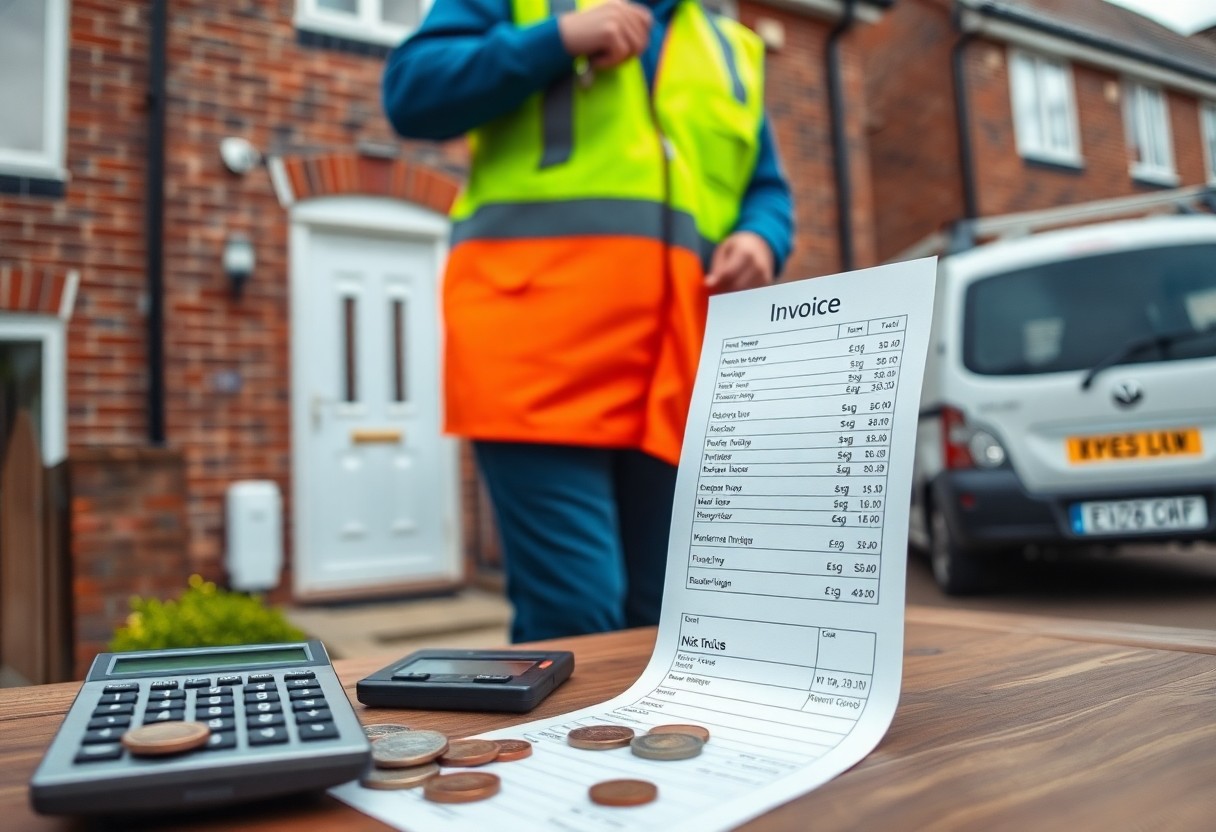
UK small repairs typically range from £20-£150, depending on complexity and materials, so you should budget accordingly; for safety-sensitive jobs like electrics or gas, avoid DIY and hire a Gas Safe- or NICEIC-registered engineer to prevent serious harm, and for routine fixes you can save by choosing a local trader who offers a written guarantee so you get value and recourse if work fails.
Common Types of Small Repairs
| Tap washer / dripping tap | Often £10-£60; typical plumbing repairs that save water bills |
| Leak repair (pipe/joint) | Call-out £60-£120; left untreated leads to water damage and mould |
| Light fitting replacement | Fitting £20-£80 plus labour; involves live wiring risk |
| Socket / switch replacement | £30-£90; faulty sockets are dangerous, use a qualified electrician |
| Door hinge / plaster crack | £10-£100; mainly cosmetic but affects usability and resale |
- Plumbing repairs: taps, leaks, taps and small pipework you encounter most.
- Electrical repairs: light fittings, sockets and switches that often need a certified pro.
- Joinery: door hinges, skirting and hinges that keep things working.
- Decorative fixes: plaster cracks, small damp patches and repainting.
Plumbing Repairs
You can expect a plumber to charge roughly £45-£80 per hour; simple jobs such as a tap washer or toilet lever often cost £10-£60, while concealed pipe leaks push call-outs to £60-£120. If you delay, water damage and mould can inflate bills into the hundreds. For visible, low-risk tasks you might save by doing it yourself, but avoid work where water sits near electrics or underfloor pipework to prevent major loss.
Electrical Repairs
You should budget about £40-£80 per hour for a registered electrician; swapping a pendant or replacing a socket typically costs £20-£90 plus labour. Because of the live wiring and fire risk, many insurers require Part P or NICEIC-certified work for anything beyond bulbs. Use a qualified tradesperson for showers, consumer units or circuit alterations to safeguard your property and policy.
In practice, a consumer unit replacement can run £400-£1,000 depending on fuse type and complexity, and an EICR test is usually £100-£200; these figures show how quickly electrical repairs escalate compared with simple fixes. If you spot burning smells, sparks or tripping circuits act fast and obtain written confirmation of qualified work. Thou always get an authorised electrician and a compliance certificate for major electrical jobs.
Factors Influencing Repair Costs
Your repair costs depend on many factors: the scale of the job, the materials required, the skill level of the tradesperson and local market rates. For example, replacing a single broken tile may cost £30-£80, while replastering a 4m² patch can be £150-£350 due to labour and drying time. After you compare quotes, factor in access issues, waste disposal and any guarantees.
- Materials – the grade you choose affects your total
- Labour – hours, skill and minimum call-outs change pricing
- Location – London and the South East are typically more expensive
- Urgency – emergency or out-of-hours work adds a premium
- Access & waste – difficult access or hazardous waste increases costs
Materials Needed
You’ll usually pay £5-£20 for basic consumables (filler, sandpaper, screws), £10-£35 for a tin of paint and £2-£50 per replacement fitting or tile; branded or specialist parts can run £60-£150. If the job involves hazardous elements (asbestos removal or gas components) you’ll face higher supply and disposal charges and must use qualified handlers, which raises your overall bill.
Labour Costs
Your labour charge often dominates small jobs: a handyperson typically charges £25-£45 per hour, plumbers £40-£70 and electricians £45-£80, with common minimum call-outs of 1-2 hours or a £40-£80 fee. For short tasks that take 30-60 minutes you may still pay the minimum, so check whether tradespeople quote by the job or by the hour.
When you assess quotes, note that qualified tradespeople (Gas Safe, NICEIC) cost more because of training and insurance, and VAT at 20% applies to most repairs; emergency call-outs outside normal hours can add 50-100% to the labour rate. For instance, an electrician replacing a socket may charge £60-£120, while a plumber fitting a mixer tap might charge £80-£150 – asking for a fixed-price estimate reduces the risk of unexpected labour surges.

Regional Price Variations
You’ll find significant regional variation: handyman hourly rates often run from about £30 in parts of the North to £70+ in London, while typical call-out fees of £30-£80 can add unexpectedly to small repairs; bundling several jobs can lower your per-item cost, so you should plan to combine tasks where possible to save money.
Cost Differences Across the UK
In practice, a simple repair such as a leaking tap is often quoted at roughly £60-£120 in London, about £40-£80 in Birmingham, and near £35-£65 in Newcastle on trade platforms; if you compare local listings you’ll see the London premium driven by higher labour and premises costs, while northern and midlands towns usually offer lower base rates.
Urban vs. Rural Pricing
When you live in a rural area, tradespeople commonly add travel or minimum visit charges – typically an extra £20-£40 – so even with slightly lower hourly labour your final bill can match or exceed urban costs; out-of-hours rates may be up to 2× standard prices, especially for emergency call-outs.
To reduce rural premiums you should consider grouping jobs into one visit, choosing midweek appointments and hiring local tradespeople; emergency call-out examples often range around £80-£150, and weekend or bank-holiday work commonly attracts a 1.5-2× surcharge, so scheduling non-urgent repairs sensibly cuts your bill.
Average Costs for Specific Repairs
You’ll typically see plumbing jobs at around £60-£150, minor electrical work £80-£200, plastering or decorating patches £50-£180 and glazing or window repairs £70-£250; if parts are needed add £10-£150. Emergency call-outs and any gas-related work usually cost more, and gas and electrics are high-risk. These ranges reflect typical UK tradesmen’s charges and help you budget accurately for small repairs.
Cost Examples for Common Repairs
You might expect about £60-£120 to replace a leaking tap, £80-£150 to fix a running toilet, £80-£140 to fit a new socket, £60-£90 for a boiler service and £120-£400 for boiler repairs, plus £80-£200 to replace roof tiles; a new double-glazed pane typically costs £70-£250. Parts and difficult access can push prices higher, so get itemised quotes when you can.
Typical costs for common repairs
| Leaking tap | £60-£120 |
| Running toilet | £80-£150 |
| Electrical socket | £80-£140 |
| Boiler service / repair | £60-£90 / £120-£400 |
| Roof tile replacement | £80-£200 |
| Double-glazed pane | £70-£250 |
Comparison of DIY vs. Professional Help
You can save 30-60% by doing simple tasks yourself, such as painting or fitting a tap washer, but you risk voiding warranties and making faults worse; for anything involving gas, mains electrics or structural work you should use a professional because these are high-risk areas where improper DIY can cost far more. Also weigh your time: a pro may finish in an hour where you spend a day learning and practising.
Typical call-out fees are £45-£90 and trades often charge £40-£80 an hour; a pro fitting a socket commonly costs £80-£120 whereas parts alone for DIY are £10-£30. You must factor in time, safety and potential rework, since DIY savings vanish if you cause damage that requires professional correction.
DIY versus professional – typical examples
| Electrical socket | Pro: £80-£120 · DIY: £10-£30 (parts) – avoid if unsure |
| Tap washer / simple plumbing | Pro: £60-£120 · DIY: £5-£20 (parts) |
| Boiler repair | Pro: £120-£400 · DIY: not recommended (Gas Safe required) |
| Roof tile replacement | Pro: £80-£200 · DIY: possible but risky if working at height |
Tips for Reducing Repair Costs
You can cut small‑repair bills by bundling jobs, buying parts yourself and comparing quotes; for example, a plumber may charge £45-£80 per hour while a new tap costs £5-£30, so you might save 20-40% by fitting simple parts yourself. Check reviews and ask for itemised estimates, and never attempt gas or high‑voltage electrical work. Perceiving potential savings early helps you decide when to DIY and when to hire a pro.
- DIY
- Bundling jobs
- Multiple quotes
- Check credentials
Identifying DIY Opportunities
You should focus on low‑risk, high‑reward jobs like replacing tap washers (£2-£10), bleeding radiators, re‑grouting tiles or painting a room (£30-£80 materials); these often take under two hours and save you a £45-£80 call‑out fee. Prioritise tasks you can complete with basic tools and clear instructions, and avoid anything involving gas, mains electrical supplies or structural changes that can cause water damage or fire.
Finding Affordable Contractors
Get at least three written quotes with itemised breakdowns; expect handymen at roughly £25-£45/hr, plumbers £45-£80/hr and electricians £45-£85/hr. Verify Gas Safe or NICEIC registration, confirm public liability insurance and read recent reviews; a clear written warranty often prevents disputes.
Negotiate scope and timings, insist on an itemised contract and avoid paying full upfront – a typical deposit is 10-30% with final payment on satisfactory completion. Ask for references and photos of recent work, confirm insurance and a written warranty (commonly 6-12 months), and use vetted platforms such as Checkatrade or TrustATrader to reduce the risk of poor workmanship.
When to Get Professional Help
If a repair will cost more than about £150, involves gas, mains electricity, load-bearing walls or recurring water ingress, you should engage a professional. Typical call-out fees sit between £50-£100 and hourly labour rates vary by trade, so weighing the initial expense against the risk of escalating damage and voided warranties often makes hiring a pro the more economical and safer option.
Signs You Should Hire a Professional
When you spot persistent leaks soaking floors within hours, repeated tripped RCDs, a persistent smell of gas or exposed live wiring, stop and call a trade; these are dangerous signs. Also hire a pro if DIY fixes fail repeatedly, mould spreads despite drying, or doors and windows suffer structural movement. Typical rates: plumbers £40-£80/hr, electricians £40-£75/hr, gas engineers £60-£120/hr.
Importance of Qualified Technicians
Qualified technicians carry registrations such as Gas Safe for gas work and NICEIC/NAPIT for electrical work, and issue compliance certificates that insurers and future buyers accept. You get documented proof of correct installation, manufacturer warranties remain valid, and work aligns with Building Regulations, reducing the likelihood of repeat faults and costly follow-up repairs.
For example, incorrectly completed electrical work can lead to a fatal fire and may leave you with an invalidated insurance claim; many domestic fire claims exceed £10,000. Choosing a registered professional gives you a written safety certificate, clear invoice, and usually a 6-12 month workmanship warranty, helping you prove standards were met if disputes or resale issues arise.
Summing up
So you should expect small repairs in the UK to vary by trade, complexity and location; typical call-outs and labour often range from £30-£60 per hour plus parts, while very minor jobs may be fixed for £20-£100; always seek a written estimate, compare two or three quotes and check credentials to protect your budget before you authorise work.
FAQ
Q: What counts as a “small repair” and what are typical costs in the UK?
A: Small repairs are short, non-structural jobs that normally take less than a day and require minimal materials – for example, replacing a tap washer, unblocking a sink, fixing a leaking toilet cistern, reattaching a roof tile, or patching plaster. Typical price ranges (including labour and simple parts) are: tap washer or minor plumbing repair £25-£80; sink or bath unblocking £60-£140; replacing a light switch or socket £45-£120; small plaster patch £40-£120; single roof tile replacement £50-£150; locksmith non-destructive entry £60-£140. Many trades charge a call-out or minimum fee of about £40-£80 (higher evenings/weekends), or an hourly rate commonly £40-£80 per hour. VAT at 20% may apply if the trader is registered; parts can add to the total.
Q: How do tradespeople typically structure their charges?
A: Charges commonly comprise a call-out fee or minimum charge, an hourly labour rate or flat price for the job, and the cost of parts and disposals. Emergency or out-of-hours visits attract premium rates. Some jobs are quoted as fixed prices (useful for clarity), while others are time-and-materials. VAT, travel charges and waste disposal may be itemised separately. Always ask for an itemised estimate showing call-out, labour hours or rate, parts and VAT so you can compare quotes accurately.
Q: How can I ensure I’m getting a fair price?
A: Obtain at least three like-for-like quotes, ask for itemised written estimates, and check online reviews and local recommendations. Confirm qualifications, insurance and any required certifications (for example Gas Safe for gas work). Ask whether the price includes call-out, parts, VAT and waste removal, and whether there is a guarantee or warranty on the work. Scheduling during normal hours rather than emergency times usually reduces cost. If a quote is much lower than others, query the scope and whether parts or follow-up visits are excluded.
Q: Should I attempt DIY to save money, and which jobs are safe to do myself?
A: Simple tasks such as changing a tap washer, replacing a fuse, bleeding radiators, or painting small areas are often suitable for DIY if you have basic tools and competence. Do not attempt electrical, gas or complex structural work unless you are qualified; gas work must be done by a Gas Safe engineer and certain electrical work must meet building regulations and may require certification. Incorrect DIY can cost more in repairs or invalidate insurance and warranties, so weigh savings against potential risk and liability.
Q: What common overcharging tactics should I watch for and how do I avoid them?
A: Watch for vague verbal quotes, unusually high call-out plus inflated parts, pressure to agree to immediate extra work, requests for large cash deposits with no receipt, or traders who refuse written estimates. Avoid cold callers and insist on written, itemised quotes, identification and a receipt on completion. Check the trader’s membership of recognised trade bodies or local trading standards advice, compare independent reviews, and pay only when you are satisfied with the completed work unless a small agreed deposit is required. Keep copies of all paperwork and photographs of the issue before and after repair.