
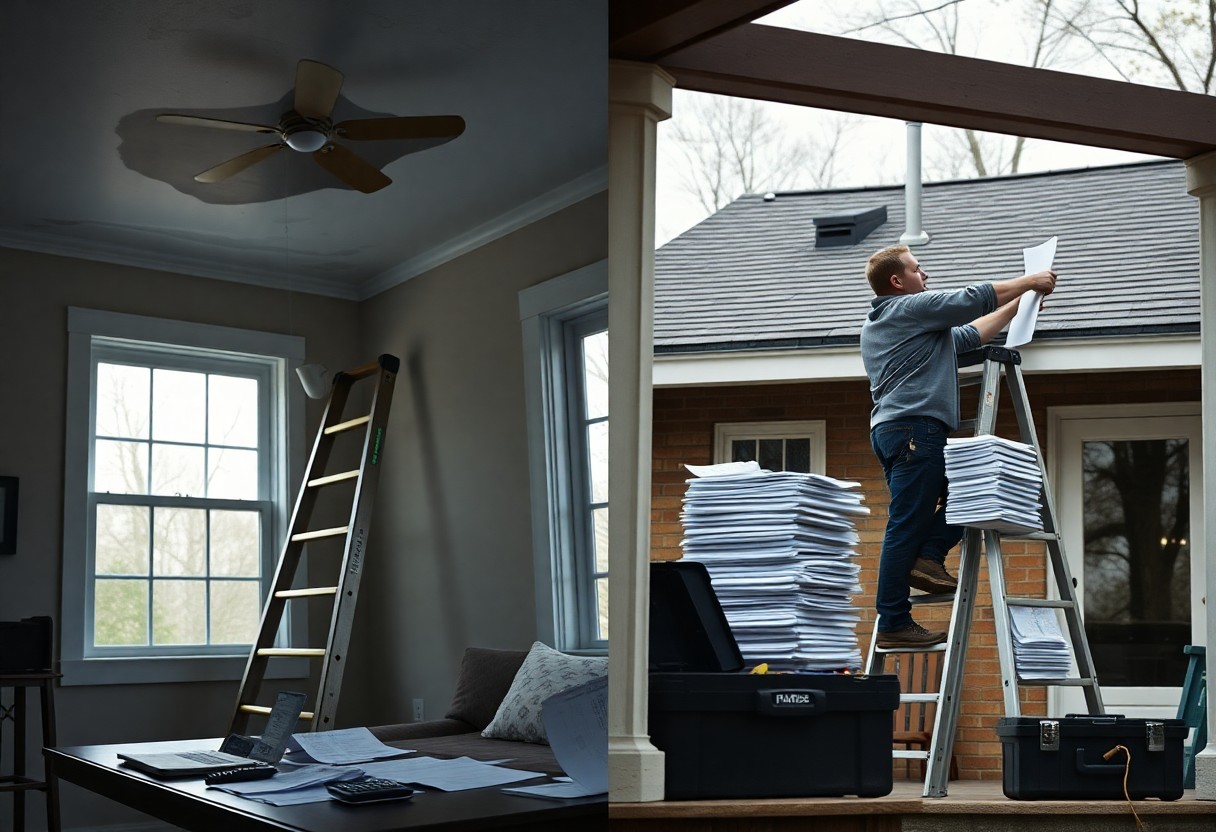
Home maintenance isn’t optional; when you inspect and service systems regularly you prevent costly repairs, prolong appliance life and safeguard resale value. By addressing wear early you reduce risks such as electrical faults, roof leaks or mould that can become dangerous and expensive. A planned approach to cleaning, seasonal checks and timely repairs ensures your home performs reliably and protects your investment over the long term.

The Importance of Regular Home Maintenance
By checking gutters twice a year, servicing your boiler annually and testing smoke alarms monthly you reduce risks and save money; a boiler service typically costs £60-£120 compared with a full replacement at £2,000-£4,000. You should also inspect for damp and roof tile wear after storms, since untreated water ingress often leads to rot and expensive structural repairs. Maintaining records of these checks also strengthens your negotiating position when selling.
Preventing Major Repairs
When you fix a small leak within weeks you often avoid escalating damage: a plaster and redecorate job might cost £200-£500, whereas prolonged water penetration can demand joist or floor replacement at £3,000-£6,000. Insulating exposed pipes for £10-£50 helps avert burst pipes that can produce £1,000+ repair bills; prioritise visible drips, roof tile loss and blocked gullies to stop minor faults turning into major claims on your budget.
Enhancing Property Value
Keeping your home well maintained directly affects saleability: estate agents often report that properties with up-to-date services and tidy exteriors sell faster and can fetch up to 5% more. You should ensure an up-to-date EPC, current gas and electrical certificates and simple kerb-appeal fixes, because buyers are prepared to pay a premium for homes that signal low immediate upkeep costs.
Practical steps that boost value include a fresh external paint job (£300-£900), resealing windows (£150-£500) and replacing an old boiler (£2,000-£4,000) to improve your EPC by a band or two. If you invest modestly-usually a few hundred to a few thousand pounds-those works frequently recoup many times over at sale, shortening market time and increasing buyer confidence.
Cost-Effective Maintenance Strategies
Prioritise high-impact tasks and bundle jobs to cut costs: schedule an annual boiler service (£60-£150) and biannual gutter cleans (£50-£150) to avoid damp repairs that can run into £1,000s. Replace HVAC filters every 90 days to improve efficiency by up to 15%, choose mid-range materials with warranties to reduce lifetime costs, and track dates and expenses in a simple spreadsheet or app so you can spot trends and negotiate better quotes.
Seasonal Checklists
Spring: clear gutters and inspect the roof after winter storms; Summer: service air-conditioning and treat decking; Autumn: clean leaves from gutters and service the heating system; Winter: lag exposed pipes and check loft insulation to prevent burst pipes, which can cost thousands. You should aim for at least four targeted checks a year and log findings with photos to show tradespeople exact issues.
DIY vs. Hiring Professionals
You can save labour costs on painting, sealing joints, replacing small fixtures and changing filters, since labour often makes up 40-60% of a trade quote. Hire professionals for gas, major electrical work, roofing, structural changes or anything at height; gas work must be done by a Gas Safe registered engineer and uncertified electrical work can void your insurance.
Get three written quotes, check qualifications and warranties, and weigh time against risk: a Gas Safe visit typically costs £80-£150, whereas a misdone boiler or wiring job can cost thousands and invalidate cover. You should keep receipts and guarantees to claim under warranty and consider a fixed-price contract for larger jobs to avoid surprise bills.
Common Areas that Need Attention
Roofing and Gutters
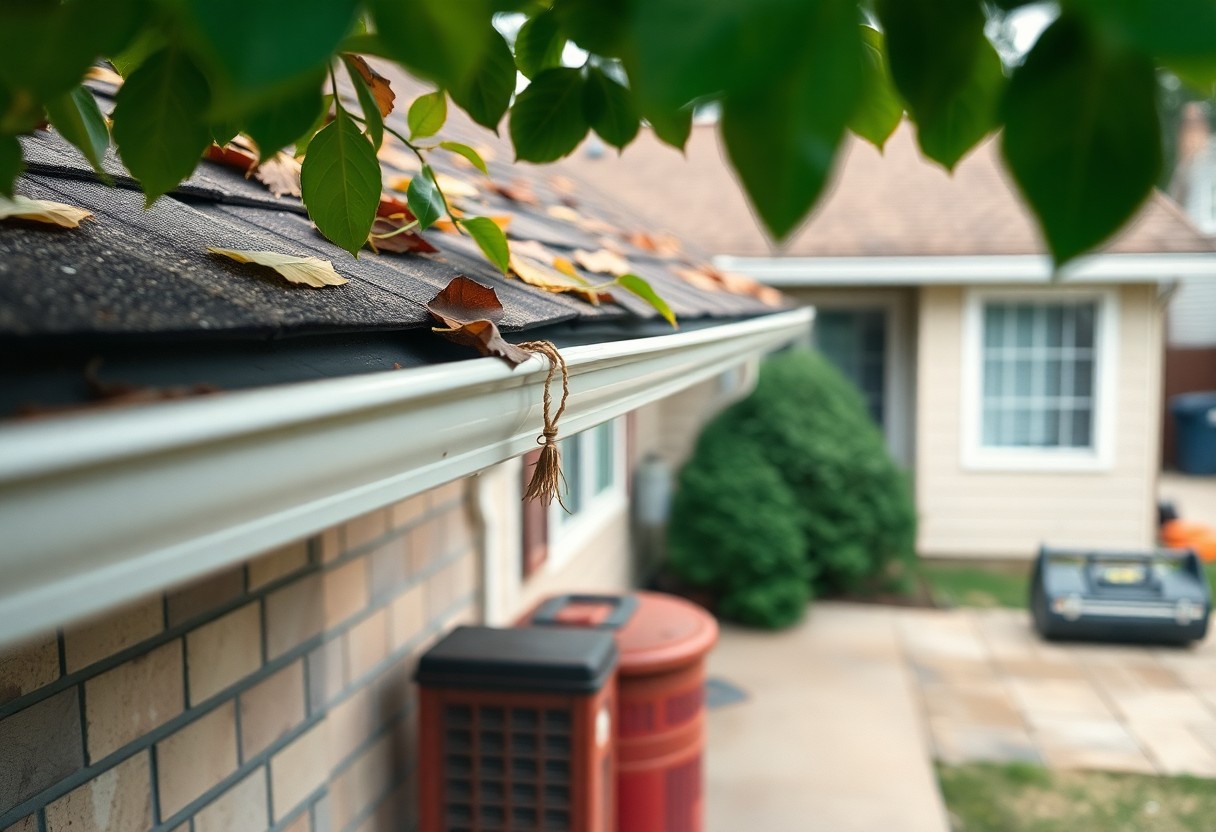
Roofs and gutters demand seasonal inspections; you should check for slipped tiles, damaged lead flashing and sagging gutters after heavy winds. Clearing gutters at least twice a year prevents blocked gutters that lead to water ingress and rot in timber fascias. Small repairs such as replacing a few tiles or resealing a chimney can cost under £500, whereas neglect often turns a repair into a roof replacement costing several thousand pounds.
Plumbing and Electrical Systems
Plumbing and electrical faults are among the most frequent causes of expensive claims: a burst pipe or persistent leak can flood floors and plaster, while an undetected electrical fault risks fire or shock. You should test residual current devices (RCDs) monthly and replace washing machine hoses every five years; acting early often saves you hundreds or thousands in subsequent repairs.
Inspect under-sink joints, stopcock accessibility and boiler pressure regularly, and book an annual boiler service to extend lifespan and efficiency. For electrics, look for flickering lights, discoloured sockets or tripping circuits and get a qualified electrician to inspect any consumer unit older than 20-30 years. Prioritising these checks reduces the likelihood of sudden failures and helps you avoid costly emergency call-outs.
The Role of Home Inspections
A professional inspection typically covers roof, gutters, cavity walls, damp, boiler performance, wiring and drainage, giving you a snapshot of hidden risks. Because inspectors use tools such as thermal imaging and moisture metres, you can spot issues invisible to the naked eye. Acting on findings from an annual inspection often prevents small faults from becoming major repairs, letting you budget repairs and save thousands over a decade.
Identifying Issues Early
Catching a minor roof leak, blocked soffit, or failing boiler pump early often saves between £500 and £8,000 compared with the cost of extended damage. You’ll spot wear on roof tiles, hairline cracks in chimneys and early damp stains that, if untreated, lead to rot or mould. Prioritise electrical faults and visible structural movement first, because these present the most immediate danger and highest potential cost if left alone.
Understanding Inspection Reports
Inspection reports give you an itemised list with photos, severity notes and recommended timescales so you can act with clarity; many reports separate items into immediate safety, short-term repairs and maintenance. You should use the headline summary to decide which trades to contact, and compare three quotes before committing to work. The visual evidence in reports makes it far easier to negotiate with contractors and insurers.
When you receive a report, check whether items are flagged as urgent safety, routine or monitor‑only; urgent electrical or gas faults often need attention within 24-72 hours, whereas roof tile replacement or repointing can usually be scheduled over weeks. Obtain at least two written quotes and ask for a scope referencing the inspector’s photos; doing so helps you prioritise spending, prevents over‑repair and maximises the potential to save significant sums over the life of your home.
Long-Term Financial Benefits
Over years, disciplined maintenance transforms small annual spends into large savings: spending £200-£500 a year on servicing, gutter cleaning and minor repairs often prevents one-off bills of £2,000-£15,000 for water damage, structural repairs or appliance replacement. You preserve asset value, avoid emergency premiums and can expect smoother budgeting. For many owners, a 30-40% reduction in major repair incidents is realistic with a maintenance plan.
Reducing Unexpected Expenses
Regular checks cut the risk of sudden failures: an annual boiler service (£60-£120) reduces the chance of breakdown and a premature replacement cost of £2,000-£4,000. You also avoid emergency call-outs that can exceed £200 by arranging scheduled work, and tackling blocked drains or loose tiles early prevents costly flood or structural repairs that can run to several thousand pounds.
Increasing Home Longevity
Maintaining roofs, external paint and damp control extends component life-roofs routinely last 25-30 years but regular inspections can add years and delay a full replacement. You protect timber, masonry and services so heating, plumbing and electrics reach their expected life, and well-maintained properties often command up to a 10% premium on sale compared with neglected peers.
For example, catching rot under eaves during a routine check might cost you £250-£500 to repair immediately but prevents a full roof renewal that could cost £6,000-£10,000; similarly, replacing worn guttering at £150-£400 avoids water ingress that leads to damp remediation bills of several thousand pounds. You should record dates of works and schedule predictable renewals-timed intervention multiplies value retention.
Final Words
Upon reflecting, you quickly appreciate that routine home maintenance prevents small issues from escalating into costly emergencies, prolongs the life of systems and surfaces, improves energy efficiency and comfort, and preserves your property’s market value; by scheduling inspections, addressing wear promptly and investing in modest repairs, you reduce long-term expenditure and gain predictable budgeting and peace of mind.
FAQ
Q: How does regular maintenance prevent expensive repairs?
A: Routine checks let you spot small faults – a slipped roof tile, a leaking pipe, or blocked gutters – and fix them cheaply before they escalate. For example, repairing a minor roof leak or replacing a section of guttering might cost a few hundred pounds, whereas prolonged water ingress can rot joists or ruin insulation and lead to roof replacement bills running into several thousand pounds. Scheduled inspections and prompt minor repairs therefore turn potential catastrophic costs into manageable, predictable expenses.
Q: How does maintenance reduce my energy bills?
A: Servicing boilers, bleeding radiators, replacing worn seals on doors and windows, and keeping insulation effective all reduce heat loss and improve system efficiency. A well-maintained boiler uses less fuel and lasts longer; cleaning and tuning can lower running costs by a noticeable percentage. Combined with simple measures such as regular servicing of ventilation and replacing clogged filters, households commonly see annual savings of £100-£400 depending on property size and existing efficiency.
Q: In what ways does maintenance protect the value of my property?
A: Consistent upkeep preserves both the appearance and structural condition of a home, making it more attractive to buyers and avoiding steep remedial costs later. Cosmetic tasks like painting and minor plaster repairs prevent moisture ingress and rot that lead to bigger jobs such as damp remediation or structural work, which can cost thousands of pounds. Keeping the property in good order also helps achieve a higher sale price and reduces the chance of failing surveys that prompt price reductions or offers to carry out expensive repairs.
Q: Can regular maintenance lower insurance and emergency costs?
A: Insurance policies may decline or reduce claims if damage stems from neglect, so maintaining roofs, drains and heating systems helps ensure cover remains valid. Planned maintenance also avoids emergency call-out fees and premium weekend or out-of-hours charges: scheduled servicing costs are typically lower than urgent repairs, and regular attention reduces the frequency of emergencies such as burst pipes or boiler breakdowns that can incur immediate high charges and secondary damage expenses.
Q: What practical maintenance schedule and budgeting tips save the most money?
A: Adopt a simple schedule: quick monthly checks (gutters, condensate drains, visible leaks), seasonal tasks (boiler service in autumn, exterior checks in spring), and annual inspections (roof, electrics, damp risk). Keep a maintenance log with dates, invoices and photos to track warranties and support insurance claims. Financially, set aside an annual maintenance fund – many advisers suggest about 1% of property value per year as a rule of thumb – and prioritise repairs that protect structural fabric and services to avoid larger future bills.