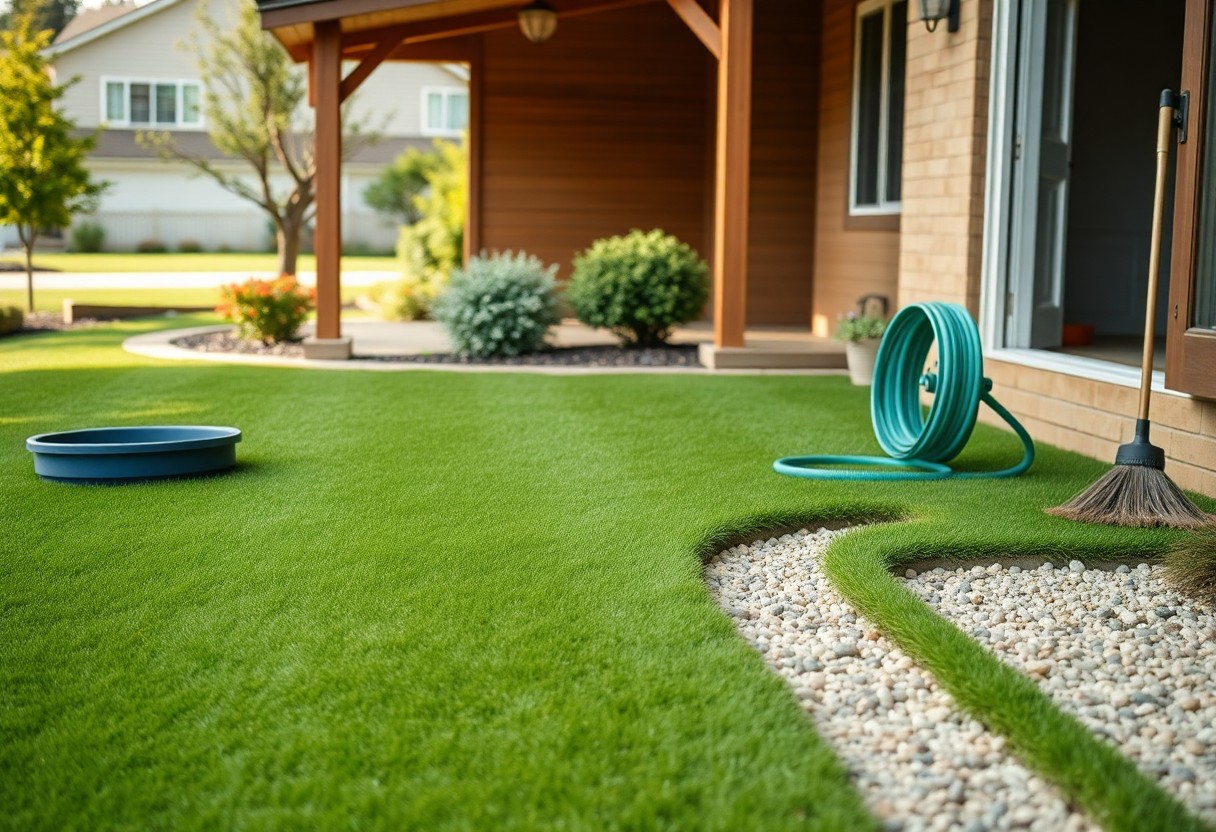
It’s a smart investment that lets you enjoy a lush lawn without constant upkeep, as low maintenance and major water savings reduce bills and free your time; you also gain a durable, pet-friendly surface that resists wear and disease, while being mindful that artificial turf can reach high surface temperatures in direct sun, so you should plan shading and cooling measures to keep your family and pets safe.
Cost-Effectiveness
Long-Term Savings
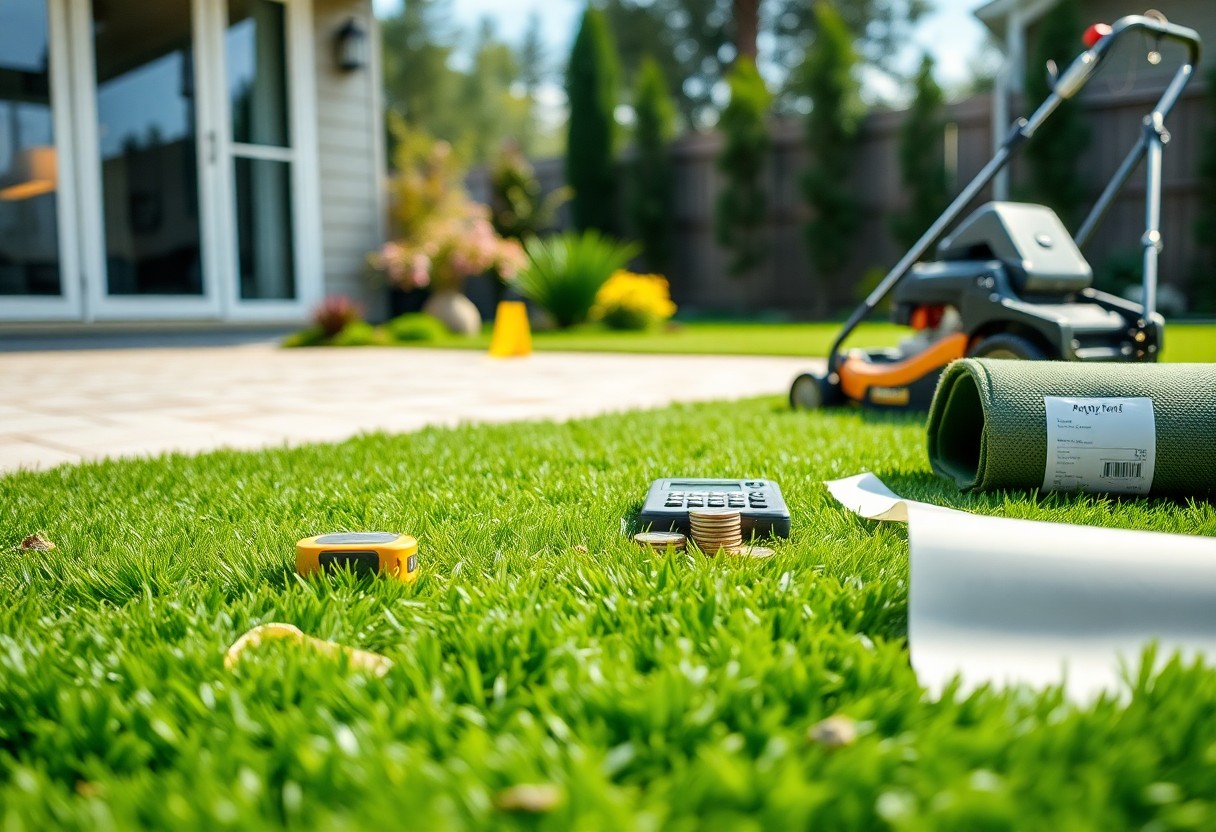
You’ll often recoup the initial outlay because artificial turf typically costs around £30-£80 per m² installed and lasts 10-15 years; with outdoor water use cut by up to 70%, plus savings on mowing, fertilisers and reseeding. For example, a 100 m² garden installed at £50/m² (£5,000) that reduces running costs by £500/year reaches payback in roughly 10 years. Choose quality to avoid premature replacement that erodes savings.
Reduced Maintenance Costs
By eliminating regular mowing, fertilising and pesticide expenses, you can save between £200-£600 a year depending on garden size; typical bills such as petrol for mowers (£50-£100), seed/fertiliser (£50-£150) and occasional gardener visits (£100-£300) are removed. You also reduce chemical exposure for pets and children, improving household safety and lowering ongoing costs.
Beyond money, you reclaim time – often around 40-60 hours per year formerly spent on lawn care. Ongoing upkeep for artificial grass is modest: occasional brushing, rinsing pet waste and topping up infill every 2-5 years, typically costing £20-£200 annually depending on use. Be wary that poor installation or low‑grade turf can cause drainage problems and higher repair bills, so factor professional groundwork into your budget.
Environmental Benefits
Water Conservation
By switching to artificial grass you can cut outdoor water use by up to 70% in many situations. In summer months a typical lawn can consume thousands of litres of irrigation water; replacing it often removes the need for scheduled watering, reduces your water bills and lowers demand on municipal supplies during droughts. Some households report saving the equivalent of several full baths each week after installation.
Reduction of Chemical Use
Installing artificial grass removes the routine need for fertilisers, herbicides and many pesticides, so you stop repeated chemical applications that would otherwise occur. Many homeowners apply 2-4 fertiliser treatments and 3-6 spot-spray pesticide visits per year; eliminating those reduces chemical runoff into drains, cuts exposure risks for your family and pets, and lowers ongoing maintenance costs.
More specifically, fertilisers supply nitrogen and phosphorus that drive algal blooms in nearby streams and ponds, while pesticides can harm beneficial insects and soil micro‑organisms. By removing routine treatments you reduce seasonal spikes in nutrient runoff and the likelihood of toxic residues; in several local pilot schemes, switching public spaces to artificial turf led to a complete cessation of chemical use and measurable improvements in adjacent water quality.
Aesthetic Appeal
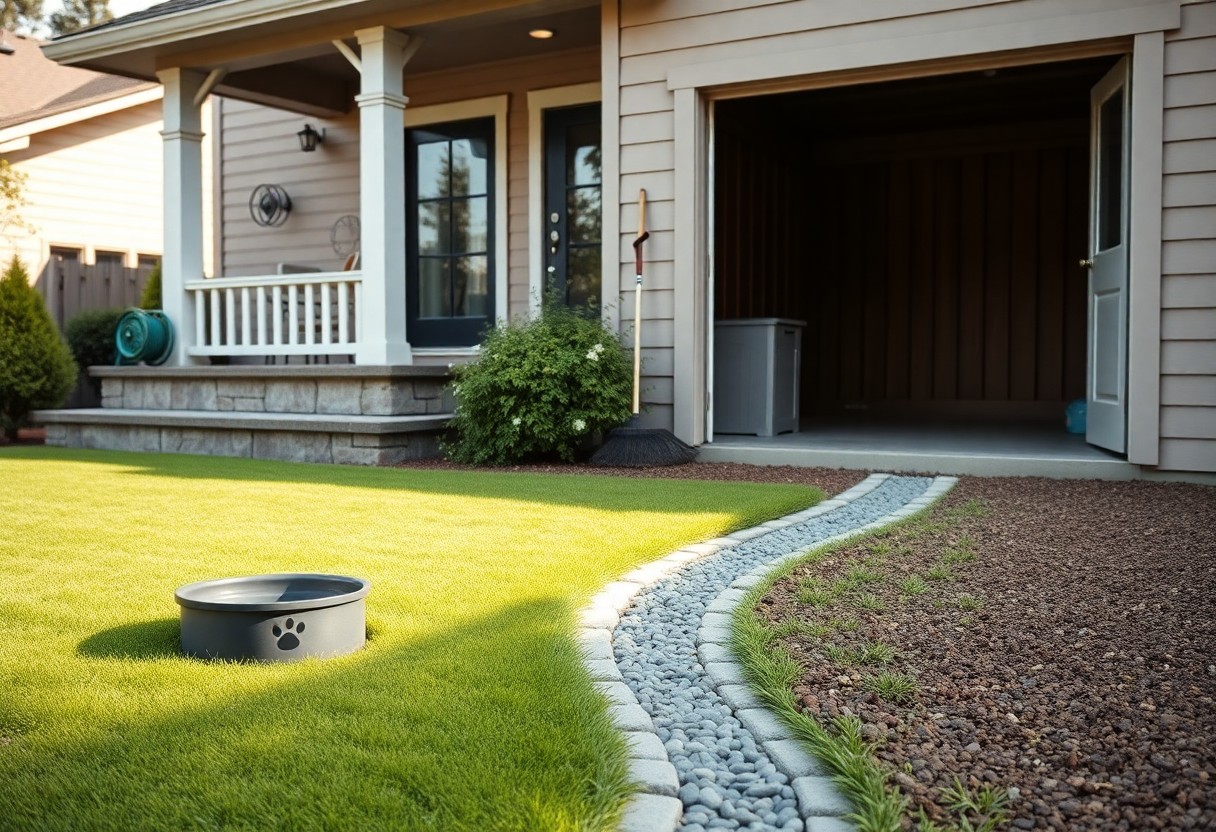
You can choose pile heights of 10-40 mm and blended tones of 3-12 colours to mirror formal lawns or wild meadow edges; high-density options with warranties of 8-15 years retain a natural texture while bespoke borders, patterns and mixed-material pathways let you create striking contrasts. Installations commonly use subtle colour variation and thatching to mimic blade movement, delivering a uniform, high-end look without seasonal patchiness.
Consistent Look
Because fibres are engineered, your lawn resists patchiness from wear, pets or shade; high-quality products often exceed 30,000 stitches per square metre, so footfall and play don’t quickly flatten the surface. Manufacturers use polyethylene or nylon yarns with heat-setting to maintain pile resilience, and in performance tests many surfaces retained appearance after thousands of cycles, giving you a predictable, maintenance-lite finish across the entire area.
Year-Round Greenery
You enjoy green across all seasons since UV-stabilised fibres resist fading and winter dormancy doesn’t apply; many systems carry 8-15 year UV warranties. For households wanting to save up to 70% water annually, artificial turf eliminates routine summer watering and reduces mowing and feeding, keeping sightlines and planting contrasts intact through frost, drought and heavy rain.
One trade-off you must manage is surface temperature: studies indicate artificial lawns can run 10-20°C hotter than natural grass in direct sun; selecting lighter-coloured fibres, alternative infills like cork or coconut, adding shade or occasional irrigation helps reduce peak heat. You should also plan brushing and infill top-ups every 2-5 years and periodic professional deep-cleaning to restore drainage and performance.
Durability and Longevity
You’ll find most high-grade turf is engineered with UV-stabilised polyethylene fibres and a perforated polypropylene backing, giving a typical service life of 10-15 years. Manufacturers commonly offer 8-12 year warranties against fading and wear, and professional installations with silica sand or rubber infill preserve pile resilience. In commercial settings artificial surfaces often outperform natural grass, maintaining appearance and performance with minimal annual maintenance.
Weather Resistance
You’ll notice UV stabilisers reduce significant colour loss, with many products carrying 8-12 year UV warranties. Perforated backing and a well-graded base deliver reliable drainage, while installers aim for ~95% compaction and a 1-2% fall to avoid pooling. Frost and intense sunlight do not rot the fibres, so the surface remains usable across seasons and after heavy downpours.
High Traffic Tolerance
You can place artificial grass in patios, play areas and sports pitches where repeated use occurs; high-density piles (typically around 10,000-20,000 stitches per m²) and short, resilient fibre blends retain shape under thousands of footsteps daily. Clubs report synthetic pitches hosting 20-30 matches per week without major breakdown when correctly infilled, and simple brushing every 4-6 weeks keeps fibres upright.
You should choose pile height and infill to match use: for intense play select 30-40 mm monofilament fibres with a 10-30 mm sand/rubber infill to absorb impact and prevent matting. Regular inspections every 3 months, occasional power brushing and topping up infill extend life; in practice heavy-use installations may need spot repairs or seam maintenance after about 7-10 years, rather than full replacement.
Safety and Comfort
You’ll find artificial grass combines comfort with practical safety features: a shock-absorbing underlay and specified pile heights (commonly 25-40 mm) deliver softer landings, while permeable bases prevent puddling that can cause slips. Installations can cut routine landscaping hazards-mowing accidents and pesticide exposure-and save 70-90% on outdoor water use, lowering mud-related injuries and allergen transfer to your home.
Soft Surface for Kids and Pets
You get a consistently cushioned play area when installers use a 10-20 mm shock pad beneath 25-40 mm pile turf, which reduces impact forces on falls. Many nurseries and dog-daycare centres specify infill such as TPE or cork for extra resilience and low dust; that combination maintains shape under heavy use and helps prevent abrasions and turf burns while staying fully permeable for quick drainage.
Slip Resistance
Manufactured fibres and textured backings give artificial grass inherent grip, and properly constructed systems are often tested to the BS 7976 pendulum standard for pedestrian slip resistance. You’ll notice far fewer wet-weather slips compared with compacted soil or muddy lawns, because the porous sub-base and graded falls evacuate water quickly, keeping walking areas safer after rain.
For best performance you should ensure correct installation: a permeable aggregate base with a slight fall, sealed seams and appropriate infill all matter. Regular brushing to lift fibres, annual inspections and top-ups of infill every 1-2 years preserve the slip-resistant profile; if standing water appears or seams loosen, address the issue promptly to avoid increased slip risk. Ask your installer for pendulum-test results for reassurance.
Versatility in Applications
You can fit artificial grass across terraces, rooftop gardens, sports pitches and steep embankments where natural turf fails; installers commonly adapt infill and backing to suit drainage and load, and it can save up to 70% in irrigation on large sites. Manufacturers offer warranties of 8-15 years, yet you should note surface temperatures can exceed 50°C in full sun, so shading or cool-fill options are often specified for hot exposures.
Residential Use
In back gardens, balconies and pet runs you stop weekly mowing and feeding, freeing hours each month; many homeowners report zero weekly lawn care after installation and warranties of around 10-12 years. You can lay it over uneven slopes and small patios, creating consistent play areas for children and dogs while retaining drainage options that prevent puddles and odour build-up.
Commercial Use
For offices, retail schemes and hotels you gain a low-maintenance, year-round green finish that withstands heavy footfall and events; projects often cut landscape water bills by up to 65% and reduce grounds-maintenance contracts significantly. Designers specify high-density fibres and reinforced backing for plazas, while planners favour permeable bases to meet surface-water requirements.
As an example for a typical retrofit, replacing 2,000 m² of ageing turf at a corporate campus can be completed in 3-7 days, commonly reducing seasonal watering by around 60-65% and trimming maintenance costs by 40-60%; you should still assess heat gain on exposed roofs and choose products with UV-stable yarns and cool-fill technologies to protect users.
Conclusion
The installation of artificial grass gives you a consistently neat, low-maintenance lawn that saves water and reduces the need for pesticides and mowing. You benefit from year-round green surfaces that withstand heavy use, improve safety for children and pets, and often lower long-term upkeep costs. Your outdoor space becomes more usable, reliable and environmentally considerate.
FAQ
Q: What maintenance savings can I expect with artificial grass?
A: Artificial grass eliminates regular lawn chores such as mowing, edging and routine fertilising, saving both time and labour costs. Routine upkeep is limited to occasional brushing to reinstate pile uprightness, removing debris, and an occasional rinse or pet clean-up; most installations require little intervention for years. Over its working life-commonly 10-15 years or more with quality installation-these reduced ongoing costs can offset the initial investment.
Q: Does artificial grass help conserve water and cope with drought restrictions?
A: Yes. Artificial grass requires no irrigation, significantly cutting outdoor water use and lowering utility bills, which is especially valuable in areas subject to drought restrictions or high water tariffs. It provides a consistently green appearance without the need for sprinklers or drip systems, reducing pressure on local water supplies and often qualifying for local water-saving incentives.
Q: Is artificial grass durable enough for heavy use and varied weather conditions?
A: Modern artificial turf is manufactured with UV stabilisers and robust backing layers to resist fading, wear and matting from heavy footfall, pets and play, and it tolerates freeze-thaw cycles and heat without breaking down. Correct sub-base preparation and drainage installation are important to prevent puddling and to ensure longevity; when installed professionally and with appropriate infill, it performs well in busy domestic and commercial settings.
Q: Is artificial grass safe for children and pets?
A: Many artificial grasses are made from non-toxic, lead-free materials and offer good drainage that reduces mud and bacterial growth, making them hygienic for play and pet use. Specific products include antimicrobial yarns and pet-friendly infills that ease cleaning and odour control; owners should follow manufacturer guidance for waste removal and periodic deep-cleaning to maintain a healthy surface.
Q: Can installing artificial grass improve my property’s appearance and value?
A: Artificial grass provides a consistently neat, green landscape year-round, enhancing kerb appeal and creating low-maintenance outdoor living spaces that attract buyers who favour easy-care gardens. The visual improvement, combined with ongoing maintenance savings, can make the property more attractive on the market and support perceived value, particularly in regions where water use or upkeep is a common concern.