
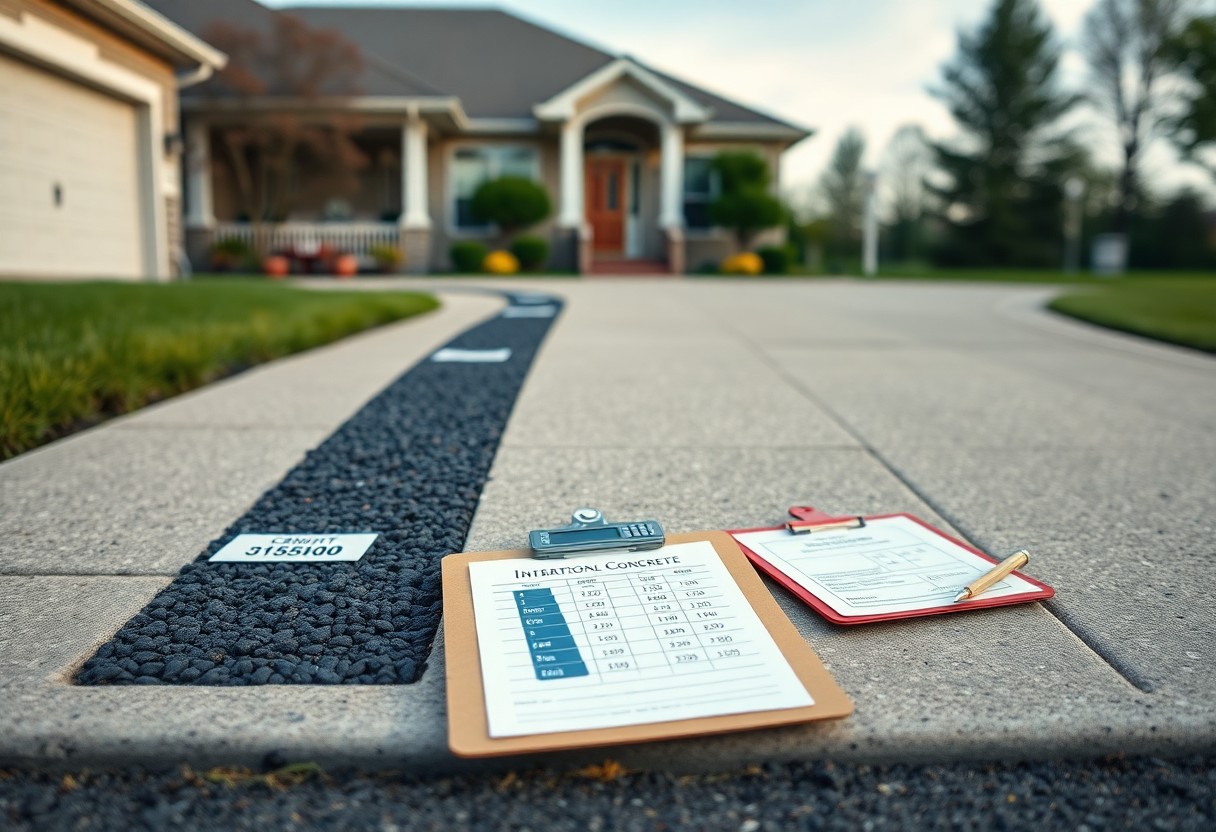
You should budget for a new driveway based on materials and size: typical costs range from £50-£150 per m², with total installations commonly between £1,000 and £10,000 depending on paving, base preparation and access. You must factor in site work, drainage and planning; poor drainage or inadequate foundations can cause subsidence and structural damage. A well-chosen driveway can deliver better kerb appeal and higher resale value, so weigh longevity against upfront cost.
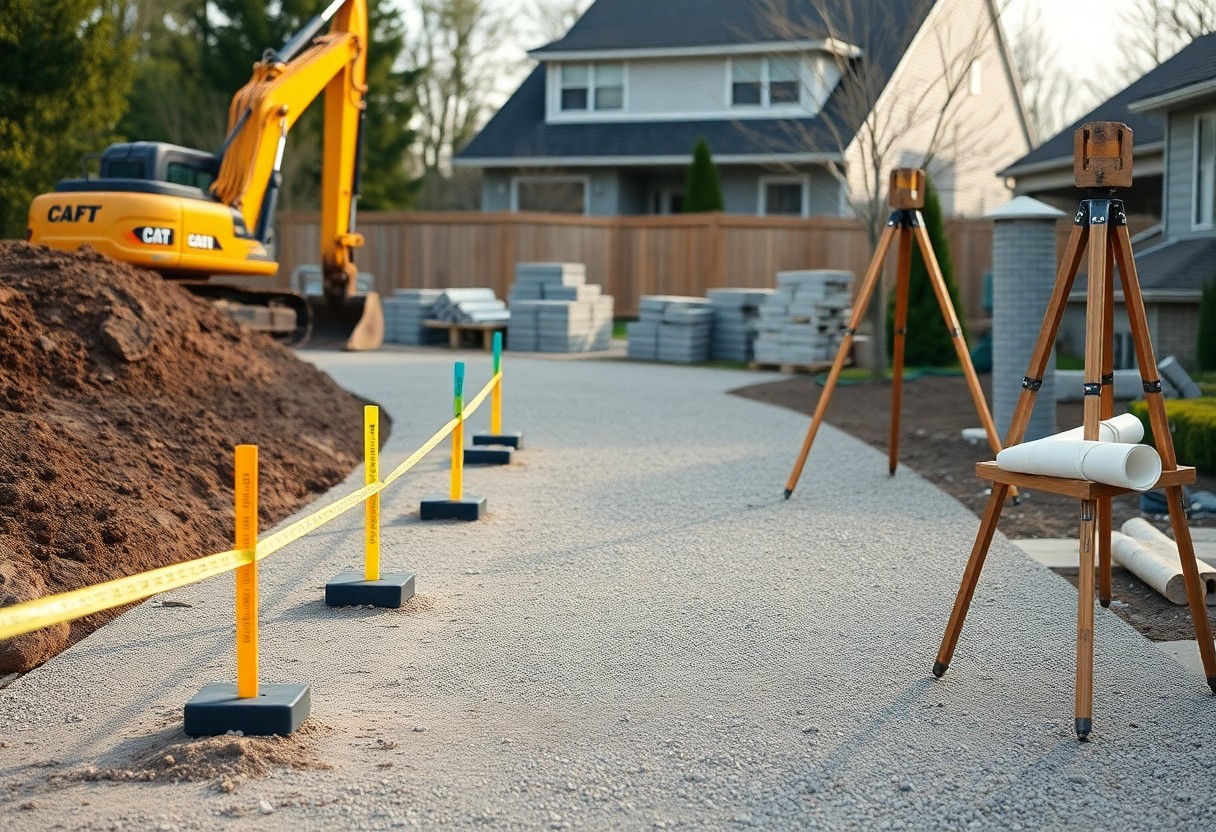
Factors Influencing Driveway Costs
Several elements determine what you will pay: material, size, labour, site preparation and access. For example, choosing resin can double material cost versus gravel, steep gradients add excavation and retaining work, and local permits may add fixed fees. Your choice also affects long‑term maintenance and warranty requirements. Thou allow a contingency of around 10-15% for unforeseen ground conditions.
- Material
- Size & layout
- Labour
- Site preparation
- Access & permits
| Factor | Typical impact on cost |
|---|---|
| Material choice | Ranges from ~£15-£120/m² depending on finish |
| Size & layout | Directly proportional; curves/levels add labour |
| Labour | Often 30-50% of total; specialist installs cost more |
| Site preparation | Excavation, drainage & disposal can add £300-£2,000+ |
Material Types
You’ll see wide cost variance: gravel £15-£40/m², asphalt £30-£60/m², concrete £45-£90/m², block paving £45-£120/m² and resin £70-£120/m²; durability and maintenance differ sharply, with resin low maintenance but higher upfront cost while gravel needs regular topping. You should match expected traffic and maintenance tolerance to the material’s lifespan. Thou consider warranty terms when selecting higher‑cost finishes.
- Gravel
- Asphalt
- Concrete
- Block paving
- Resin bound
Size and Layout
You pay by area and complexity: a single‑car drive of about 12-18 m² is far cheaper than a double bay of 30-40 m², and curved or split‑level layouts increase labour and cutting waste; narrow access can push costs higher due to manual handling and longer machine times.
For example, widening from 3m to 5m on a 10m run raises material volume by over 60%, and adding curves or decorative edges typically adds 10-25% to labour-get dimensioned quotes to compare like‑for‑like prices and check how drainage and kerb works factor into totals.
Labour Costs
You’ll find labour often represents 30-50% of the total cost; expect basic surfacing labour roughly £20-£40/m², with block laying or patterned installations significantly higher due to skill and time requirements. Complex ground conditions or restricted access increase labour hours and rates.
Ask contractors for a breakdown: number of operatives, expected days on site, and whether rates are fixed or time‑and‑materials; obtaining itemised quotes helps you spot inflated labour allowances and compare productivity assumptions between installers.
Preparation and Site Work
Groundworks-excavation, sub‑base, drainage and edging-commonly range from £300 to £2,000+ depending on depth, soil type and spoil removal; clay or contaminated ground can require deeper sub‑bases and additional disposal fees, and poor drainage can lead to future failure if not addressed. You should plan for fall gradients and adequate drainage channels. Thou inspect soil reports where available.
Practical examples: removing a concrete slab or surplus soil can add several hundred pounds for plant hire and disposal; installing a permeable sub‑base or French drain increases upfront spend but reduces flood risk and maintenance-request compaction and drainage certificates for peace of mind.
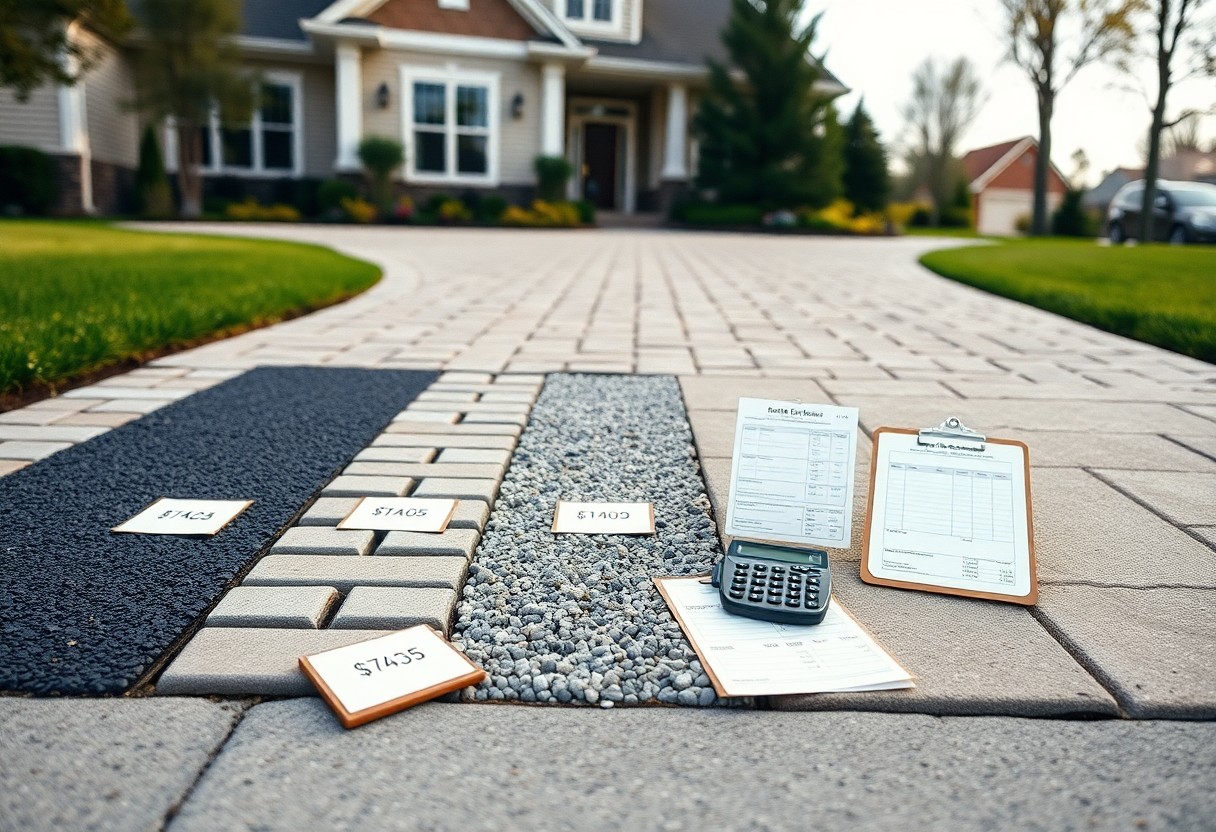
Cost Breakdown by Material
You’ll typically see costs driven by material and labour: gravel is cheapest, asphalt (tarmac) sits mid-range, and pavers or patterned concrete are the priciest; lifespan varies from ~5-10 years for simple gravel to 20-40 years for well-installed concrete or block paving, and maintenance like sealing or re-sanding can add recurring costs you must plan for.
Asphalt Driveways
You can expect asphalt to cost roughly £40-£70 per m² installed, with a typical lifespan of 15-25 years when sealed every 3-5 years; it’s quick to lay and good for large areas, but you should watch for oil stains, softening in extreme heat and surface cracking that can become a trip hazard if left unaddressed.
Concrete Driveways
Concrete often costs around £50-£110 per m² depending on finish and reinforcement, offers a lifespan of 20-40 years, and can be textured or coloured for higher-end looks – for current U.S.-focused pricing context see How Much Does a Concrete Driveway Cost in 2025?, though UK installation and material prices differ.
You’ll get far better durability if the subbase is compacted and you use steel mesh or fibre reinforcement; decorative finishes (stamping, exposed aggregate or colouring) can increase the job by 20-50%, and improper jointing or poor drainage raises the risk of cracking that shortens lifespan.
Pavers and Other Options
Block paving, resin-bound, and gravel vary widely: block paving typically sits at £60-£120 per m², resin-bound around £60-£100 per m², and gravel can be £20-£40 per m²; pavers give the best curb appeal and easy spot repairs, but you’ll pay more up front and need routine joint maintenance to prevent weed growth.
Permeable options (permeable block paving, resin-bound) help manage surface water and may meet planning or SuDS requirements, while gravel is cheap but can migrate and rut; you should compare lifecycle costs – including expected resealing, joint re-sanding and potential repairs – before deciding.
Additional Costs to Consider
Expect extra charges beyond the quoted base: VAT at 20%, spoil removal £100-£600, soil stabilisation or tanking £300-£1,200, landscaping and edging £150-£800, plus lighting or gates £200-£2,000. If level changes or tree-root mitigation are needed, you could add several hundred to thousands of pounds, so budget an extra 10-20% contingency for unforeseen works.
Permits and Regulations
Local councils often require planning permission for front garden paving over 5 m² unless you use fully permeable materials; a dropped-kerb application typically costs £100-£1,500 and can take several weeks. Failing to apply may result in enforcement action or fines, so you should check your local authority’s guidance and include permit fees and lead times in your schedule.
Drainage Solutions
Surface-water management can add significant cost: permeable paving or resin systems are typically £50-£120 per m², linear channel drains about £40-£150 per metre, and soakaway installations £500-£2,000 depending on ground conditions. Poor drainage risks flooding and structural damage, so you should specify a solution that suits soil type and local runoff rates.
For example, aim for a minimum fall of 1:80 (about 12.5mm per metre), meaning a 5m driveway needs roughly a 6-7 cm drop to divert runoff away from the house. Commissioning a percolation test (£100-£300) helps size soakaways correctly, and installers will advise whether permeable surfacing or a linear drain is more effective for your plot.
Maintenance and Repair
Maintenance varies by material: tarmac lasts 15-20 years with resealing every 3-5 years costing £150-£600; block paving often needs re-sanding and occasional relaying, about £50-£200 a year in upkeep; resin surfaces require regular cleaning and occasional topping, £100-£500. You should budget routine upkeep to protect lifespan and appearance.
If tree roots lift paving, section replacements can run £500-£3,000 depending on scope, while repairing potholes in tarmac typically costs £100-£400; simple preventive measures like power-washing (£20-£80) and weed control (£30-£120 yearly) reduce long-term expense and lower the risk of hazardous potholes.
Average Cost Estimates
Typical driveway costs depend on material and size: gravel £15-40/m², tarmac £25-60/m², concrete £40-80/m² and block paving £60-120/m². For a single-car 18-25 m² drive you might pay £500-£3,000; a double 40-60 m² drive normally runs £2,400-£7,200. If your subbase is poor, costs can double or more, while a simple gravel finish offers the most budget-friendly route.
National Averages
Across the UK the median spend for a 50 m² driveway sits between £2,500 and £5,500, with labour typically forming 40-60% of the bill. Concrete and block paving push the upper range, whereas aggregate and tarmac stay lower. When you request quotes expect around ±20% variance depending on installer reputation and whether guarantees or warranties are included.
Regional Variations
Pricing shifts noticeably by region: London and the South East generally run 15-30% higher than national averages because of labour, access and permit fees; the North and many parts of Scotland are often 10-20% cheaper. Rural sites can offer lower labour costs but may add drainage or access charges, which raise your final spend.
For example, a Victorian terrace in central London requiring a crane or kerbside skip can tack on £2,000-£5,000, with constrained access commonly inflating labour by 25-50%. By contrast, a rural gravel drive on stable ground in Cumbria might be £1,000-£2,000 cheaper. You should obtain at least three local quotes and check for extra items-drainage works or permits often add £100-£500 to the total.
Budgeting for a New Driveway
When planning your budget, get quotes that separate site preparation from materials-base works can be £25-£60 per m² while surfacing ranges from £20-£120 per m² depending on materials. For a typical 40 m² driveway expect roughly £1,800-£4,800; you should allow a 10-20% contingency for drainage or access issues. Compare material lifespans and maintenance costs via Asphalt vs. Concrete Driveway Cost in 2025 before you commit.
Financing Options
You can fund your project from savings, a personal loan, remortgage, or a credit card for smaller sums; terms commonly run from 1-10 years so compare monthly repayments and total interest. If you prefer gradual payments, a home improvement loan or a second charge mortgage spreads cost over longer terms, but always check arrangement fees and early repayment charges before you sign.
Cost-Saving Tips
Seek multiple quotes, retain a sound existing base where possible, and choose lower-cost finishes like compacted gravel or plain concrete to cut upfront spend; using reclaimed materials can reduce material bills by up to 30%. Schedule work in off-peak months for better labour rates and negotiate a fixed-price contract to avoid surprise extras.
- Obtain multiple quotes to compare labour and material breakdowns
- Retain existing base when structurally sound to save on excavation
- The use of reclaimed materials can materially lower total cost
You can save substantially by handling non-technical tasks yourself-removing soft landscaping, providing clear access for plant, or purchasing materials directly; hiring a contractor only for structural works often trims 10-20% from invoices. If you opt for phased upgrades, prioritise drainage and base stability first, then add aesthetic surfacing later to spread cost without compromising longevity.
- DIY preparatory work (clearing, marking out) reduces labour time
- Phased upgrades let you defer surfacing while fixing base and drainage
- The priority of base and drainage protects your investment long-term
How to Choose a Contractor
Research and Recommendations
You should ask neighbours and local online groups for recent work and view sites in person; seek at least three references and verify photos or addresses of completed driveways within the last 12 months. Check trade bodies such as the FMB or BALI and confirm the contractor carries public liability insurance of around £5 million. Also review the company’s online ratings, corroborate start/finish dates on previous jobs, and note how they handled drainage or access challenges similar to yours.
Questions to Ask
Begin by requesting a written contract, the project timeline, and details of who will be on site; ask about materials, drainage solutions and waste removal. Confirm whether planning or permits are needed, and check warranty periods. If a contractor asks for a large deposit, be wary-aim for no more than 30% up front.
Probe specifics: ask which sub‑base depth they’ll install (typical ranges are 150-300mm depending on traffic), the manufacturer and grade of surfacing, and the exact drainage method (soakaway, permeable surfacing or connection to existing drains). Insist on an itemised quote that lists labour, materials and VAT, plus a clear snagging period and a written guarantee-many reputable installers offer warranties from 2-10 years depending on materials. Never proceed if they refuse to provide references or proof of insurance.
Evaluating Quotes
Compare at least three itemised quotes and check they all cover the same scope: excavation depth, sub‑base type, edge restraints, drainage and finishing. Note how each handles contingencies and variations; quotes within a 10-15% range are typical, while a very low bid often signals shortcuts or excluded work.
Analyse unit rates-materials versus labour-and flag omissions such as kerb reinstatement or utility checks. Ask for a breakdown per square metre (for example, a 50m² driveway) so you can spot inflated material costs. Confirm VAT treatment and whether groundworks or access charges are extra. Finally, set payment milestones tied to completed stages and retain the final payment until you’ve verified the snagging list is resolved and the surface meets the agreed specification.
Summing up
So you should budget according to your choice of material, size and site preparation; basic gravel or resin can cost from £500-£2,000, block paving or concrete £2,000-£6,000, and premium options like natural stone £6,000+, with labour, drainage and permits affecting the final figure, so obtain several quotes and factor in long-term maintenance.
FAQ
Q: How much does a new driveway typically cost?
A: Prices vary by material and site conditions. Typical per-square-metre ranges (including labour) are roughly: gravel £25-£60/m², tarmac £35-£70/m², concrete £40-£90/m², block paving £60-£120/m², resin-bound £60-£120/m² and natural stone £80-£180/m². For a single-car driveway (≈20-25m²) expect total costs from about £500 for a basic gravel surface to £1,200-£3,600+ for higher-end block, resin or natural stone. A double driveway (≈40-50m²) commonly costs two to three times those figures.
Q: What factors most affect the final price?
A: Key factors are the area and shape of the driveway, choice of surfacing material, quality and depth of sub-base required, site access and ease of working, existing surface removal, drainage and fall works, kerb lowering or crossover costs, any retaining walls or levels work, local labour rates and any specialist finishes or patterns.
Q: What additional costs should I budget for beyond the main surfacing?
A: Allow for groundworks (excavation and sub-base), disposal or skip hire, drainage channels or soakaways, edging/kerbs, manhole or utility adjustments, reinstatement of adjacent landscaping, possible tree root protection, council approvals for crossovers and compliance with permeable-surface rules, and VAT. Complex ground conditions or hidden services can add significant unexpected expense.
Q: How long does installation take and does duration influence cost?
A: Short installations (gravel or tarmac) can take 1-2 days for small drives; block paving or natural stone often takes 3-7 days depending on complexity; resin-bound surfaces typically 1-3 days plus curing time. Extensive groundworks, drainage or retaining walls extend the schedule. Longer projects increase labour and plant hire costs and may incur additional temporary access or protection measures.
Q: How can I reduce costs without sacrificing long-term performance?
A: Keep the design simple, pick a durable, cost-effective material suited to your soil and usage, and ensure a correctly built sub-base to avoid early failures. Obtain at least three written quotes, inspect references and warranties, consider phased work if budget-constrained, and check whether any existing sub-base can be retained. Account for maintenance: gravel needs periodic topping, tarmac requires resurfacing every 10-15 years, and block paving jointing should be maintained to avoid weed ingress-choosing the right material for usage often reduces lifetime costs.