
No viable outfall
Collected water still needs a lawful route with sufficient capacity.
Guildford-based • Serving Woking & Surrey
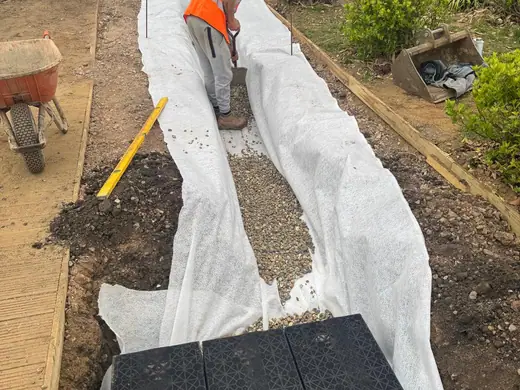
Control the route before water reaches the building
Drainage channels, gullies, falls, attenuation and groundworks for drives, patios, gardens and building thresholds.
The direct answer
Surface-water work should follow a hierarchy: reduce uncontrolled runoff, set useful falls, intercept water before vulnerable points and provide adequate storage or discharge. A channel without a dependable outlet is only temporary storage.
Our first survey focuses on the variables that change method, risk and price. The written scope then states the included work, important assumptions and the information or approvals still required.
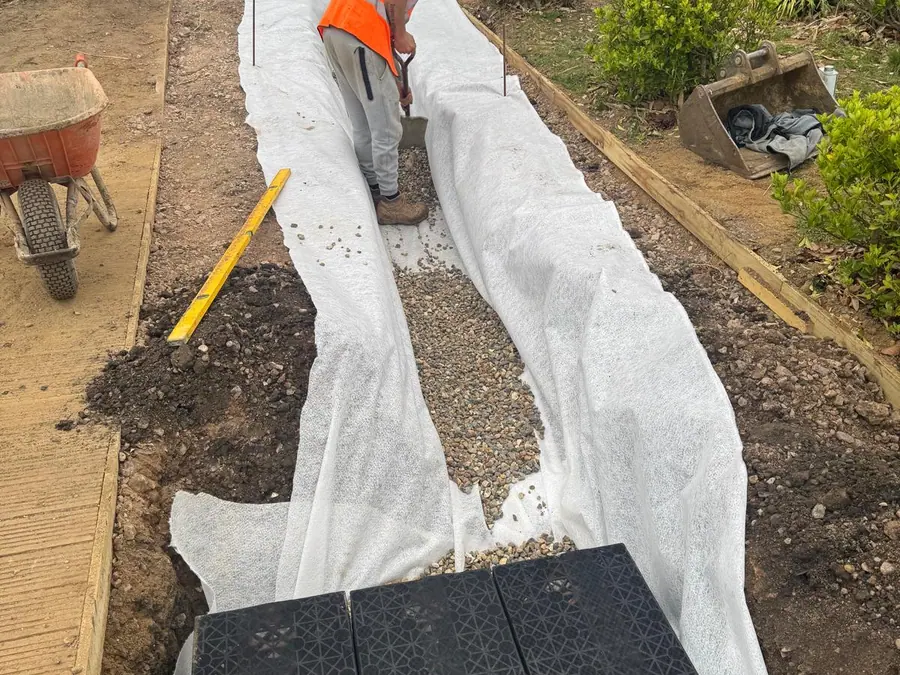 Real A Jones project photography
Typical scope
Every site is different. The quotation—not a generic web list—defines the final package.
Devil in the detail
Good planning makes risk visible while there is still time to change the method.
Collected water still needs a lawful route with sufficient capacity.
New work must not simply transfer runoff onto adjacent land or the highway.
Small level errors can direct a large catchment towards doors and garages.
Leaves, silt and debris need accessible collection points.
How the work progresses
The exact construction changes; the discipline of resolving information before burying it does not.
Observe the problem and catchment
Survey falls and vulnerable levels
Trace existing drains and capacity
Agree interception and discharge strategy
Install channels, pipework and storage
Test during flow and explain maintenance
Plan with better information
Our tools organise quantities and project details without pretending to be a quotation. Results make the first survey more useful.
Frequently asked
Clear answers before commitment make the survey, quotation and build easier to compare.
The catchment may exceed channel, pipe or soakaway capacity, or a restriction may reduce flow. Measuring the area and inspecting the whole route helps separate these causes.
Sometimes. Local channels or pipework may be possible, but overall falls and the outlet must still work. We explain when a limited repair is realistic.
Not by assumption. Drain ownership, sewer type and approvals must be checked; surface water should follow the appropriate lawful route.
Only when there is a defined source, gradient and outlet. A gravel trench without somewhere for water to go may simply remain full.
Plan the work
Understand the cost drivers, site evidence and approvals that matter before comparing quotations or starting work.
A practical guide to front-garden paving, permeable construction, highway runoff, thresholds and surface-water routes for Surrey driveways.
Read guide Practical guideGarden Drainage Problems & SolutionsUnderstand why gardens hold water and compare grading, soil improvement, land drains, soakaways and other site-specific drainage options.
Read guide Practical guideSoakaway Cost Guide for SurreyWhat changes the cost of investigation, excavation, storage, pipework and reinstatement—and why a crate-only price can be misleading.
Read guide Practical guidePercolation Tests for SoakawaysA plain-English guide to testing infiltration, interpreting variable Surrey ground and using results within a complete drainage design.
Read guideLocal service pages
These pages explain the access, ground, drainage and planning considerations that commonly affect work in each area.
Continue planning
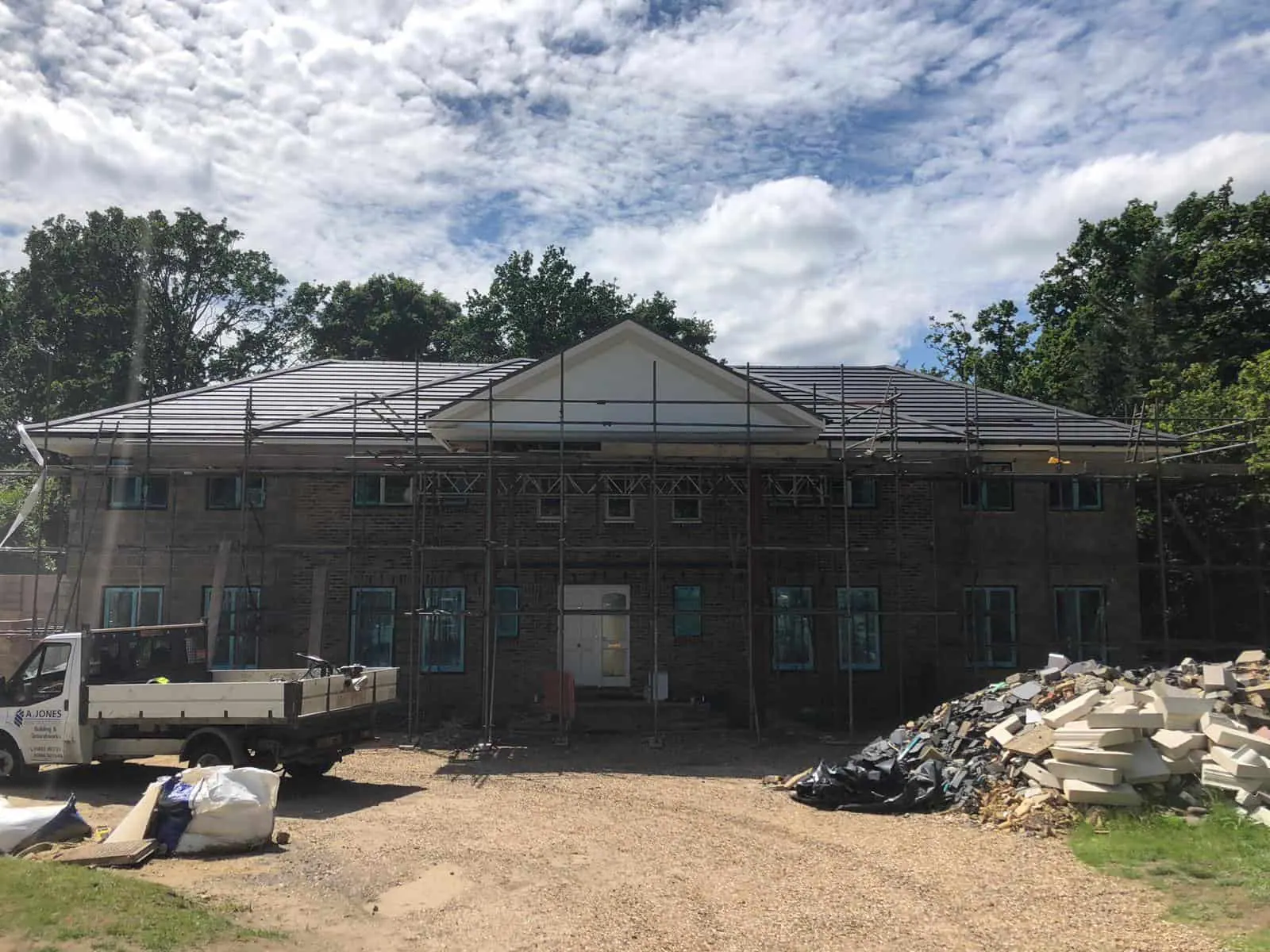
The next useful step
Send the property location, a few photos and any drawings. We will explain the most useful next survey.
Your project, at your pace
Saved on this device
Your starting brief. Not sent to us.
Tools work without an account. Save a brief only if you want to: it stays in this browser for up to 30 days and can be deleted here. Nothing is sent until you choose to contact us.