The direct answer
Start with the complete system, not one product or headline rate.
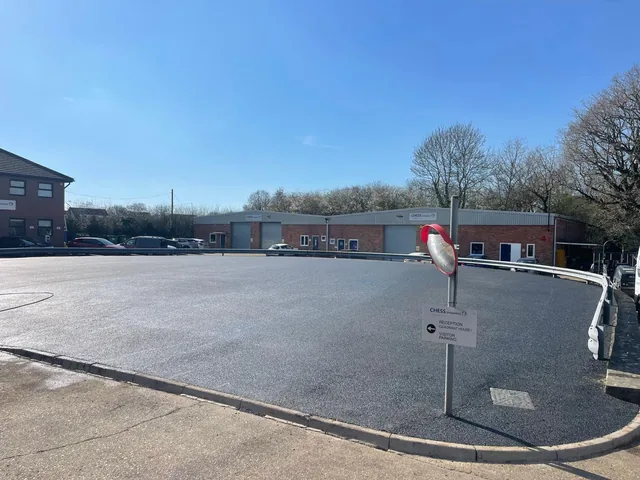
How surveys, drainage, local repairs, asphalt specification, phasing and line marking shape a durable commercial resurfacing project. A dependable plan connects the site evidence, approvals, access, installation sequence and finished reinstatement.
Survey failure before choosing the treatment
Cracking, fretting, settlement, ponding and edge failure can have different causes. Record levels, drainage, traffic, service covers and the condition of the underlying construction before selecting overlay, planing or reconstruction.
Separate local repairs from general surfacing
Weak bases, trenches and failed patches may need excavation and reinstatement before the main surface is renewed. Covering movement without treating its cause can transfer the defect into the new layer.
Design for actual traffic
Cars, delivery vehicles, turning areas, loading points and refuse vehicles impose different demands. Layer thickness, material and joint positions should reflect how the site is used.
Coordinate drainage and ironwork
Falls, channels, gullies and cover levels need checking before surfacing. Adjustments are easier to control before the final asphalt course closes the programme.
Plan access and phasing
Agree working zones, pedestrian routes, deliveries, curing or cooling time and emergency access. A phased plan can keep part of the site operating without compromising safe segregation.
Set out markings from an agreed plan
Bay sizes, accessible spaces, hatching, arrows and walkways should be confirmed before line marking. The marking plan is part of how the finished area works, not a final decoration.
Authoritative next reading